
Copper's Next Decade: Why This Metal Is More Vital Than Ever
An in-depth look at copper's soaring importance from 2025 to 2035, ranking its value and irreplaceability in a rapidly evolving world.
Copper, a metal humanity has utilized for millennia, is poised to become even more critical in the coming decade (2025-2035). Its unique properties make it an indispensable component in the technologies shaping our future. Based on current trends and expert analyses, copper's importance for the next 10 years ranks exceptionally high.
Overall Importance Ranking: 9 to 10 (Highly Valuable and Irreplaceable)
On a scale of 1 (not that important) to 10 (highly valuable and irreplaceable), copper scores a solid 9 to 10. Several converging factors underscore this high ranking, positioning copper as a strategic resource whose availability will significantly influence global progress.
Key Insights: Copper's Pivotal Next Decade
- Indispensable for Green Revolution: Copper is fundamental to the global energy transition. It is a cornerstone for renewable energy technologies such as solar panels and wind turbines, and critically important for the rapidly expanding electric vehicle (EV) market and its charging infrastructure.
- Fueling Digital and Technological Transformation: The explosive growth of Artificial Intelligence (AI), the build-out of data centers, and general digital advancements heavily rely on copper. Its superior electrical conductivity is essential for power distribution systems, networking cables, and cooling infrastructure in these high-demand applications.
- Facing a Looming Supply Crunch: While demand surges, the copper supply chain faces significant challenges. These include aging mines, declining ore grades, the need for substantial investment to develop new sources, and consistent project delays. This tightening supply-demand dynamic elevates copper's strategic value and price outlook.
Deep Dive: Understanding Copper's Soaring Importance
Driving Forces for Unprecedented Copper Demand
The demand for copper is not just growing; it's accelerating, driven by several global megatrends.
The Energy Transition: Electrifying the Future
Copper is at the heart of global efforts to decarbonize and electrify. Renewable energy systems like solar photovoltaic panels and wind turbines require significant amounts of copper for wiring and components. Electric vehicles (EVs) use substantially more copper than traditional internal combustion engine vehicles – in motors, batteries, and wiring. The build-out of EV charging infrastructure further amplifies this demand. Meeting global electrification goals will necessitate mining vast quantities of new copper, with some estimates suggesting that the world may need to mine 115% more copper in the next 30 years than has been mined throughout all of human history. Projections indicate a potential 555% increase in copper usage by EVs alone by 2035.

Copper wiring is essential for efficient electrical conductivity in countless applications.
AI, Data Centers, and Digital Infrastructure
The digital revolution, particularly the rise of Artificial Intelligence (AI) and the expansion of data centers, is a new and potent driver of copper demand. Data centers, the backbone of the digital economy, require extensive copper for power distribution units, busbars, cabling, and thermal management systems due to its excellent electrical and thermal conductivity. AI model training and inference are energy-intensive processes, further boosting the need for robust power infrastructure within these facilities. Analysts project that AI and data centers could add up to 1 million metric tons to annual copper demand by 2030, exacerbating existing supply concerns.
Infrastructure Development and Modernization
Beyond new technologies, traditional sectors continue to underpin copper demand. Ongoing urbanization, infrastructure development in emerging economies, and the modernization or reshoring of manufacturing facilities in developed nations all require significant copper for construction, electrical wiring, plumbing, and industrial machinery. Copper remains a key material for building resilient and efficient infrastructure worldwide.
Supply Challenges: A Constrained Horizon
The robust demand outlook for copper is met with considerable challenges on the supply side, which contribute significantly to its perceived value and irreplaceability.
Aging Mines and Declining Ore Grades
Many of the world's major copper mines are aging, leading to declining ore grades. This means more ore must be mined and processed to produce the same amount of copper, increasing costs and environmental footprint. Discovering and developing new, high-grade copper deposits is becoming increasingly difficult and expensive.
The Investment Gap
The copper industry requires massive capital investment – estimated at over $2 trillion over the next 25 years – to develop new mines and expand existing ones to meet projected demand. Securing this funding and navigating complex permitting processes, geopolitical risks, and ESG (Environmental, Social, and Governance) considerations can lead to significant project delays. Nearly 20 major copper projects have faced consistent delays since 2014.
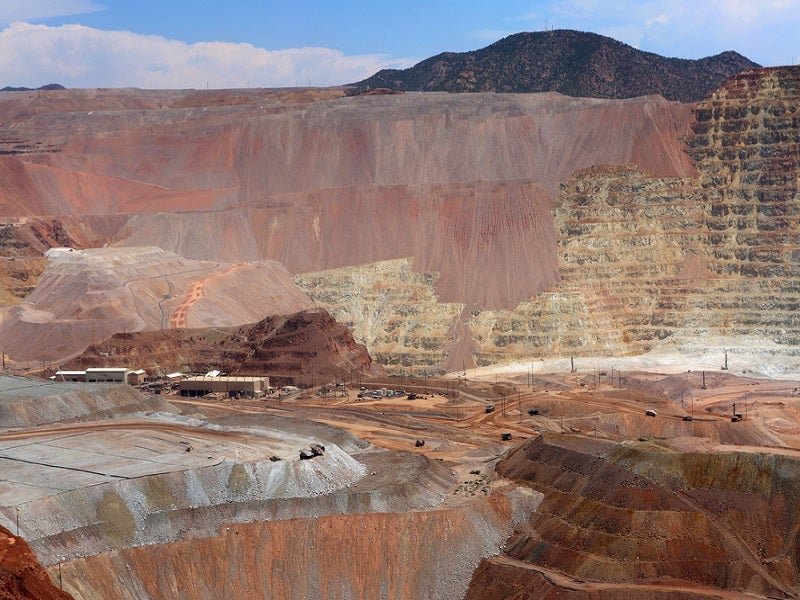
Large-scale mining operations, like the Morenci Copper Mine, are crucial for supplying global copper demand.
Projected Supply Deficits
Numerous market analyses forecast significant copper supply deficits in the coming years. Some predict a gap of 4-5 million metric tons by 2030, a figure that could widen further when accounting for the accelerated demand from AI and data centers. Such deficits are expected to support higher copper prices and underscore its strategic importance.
The Irreplaceability Factor
Copper's unique combination of physical and chemical properties makes it extremely difficult to substitute in many of its core applications, especially those related to electrical conductivity.
While aluminum can be an alternative in some high-voltage power transmission lines, copper remains superior for most electrical wiring in buildings, electronics, and motors due to its higher conductivity, strength, ductility, and corrosion resistance. In applications requiring high efficiency and compact size, copper is often the only viable choice. While recycling (secondary copper) is an important and growing source of supply, it cannot alone meet the surging new demand driven by the energy transition and technological advancements. Primary copper extraction will remain essential.
Visualizing Copper's Multifaceted Importance
To better understand the various dimensions of copper's strategic value over the next decade, the following radar chart illustrates its importance across key contributing factors. The chart compares a snapshot of its current importance (2025) with its projected importance by 2035, highlighting the anticipated intensification of its critical role. Scores are on a scale relative to each factor's impact, with higher values indicating greater significance.
This chart visually underscores the growing indispensability of copper. Factors like its role in the energy transition and as a catalyst for tech advancements are projected to become even more critical, while supply security risks are also expected to intensify, further highlighting its strategic nature.
Copper's Interconnected Role in the Global Economy
The following mindmap illustrates the central and interconnected role copper plays, driven by various demand sectors and influenced by supply-side dynamics. It shows how copper's future value is intrinsically linked to major global economic and technological shifts.
(2025-2035)"] id1["Demand Drivers"] id1a["Energy Transition"] id1a1["Electric Vehicles (EVs) & Charging"] id1a2["Renewable Energy (Solar, Wind)"] id1a3["Grid Modernization & Expansion"] id1b["Technological Advancements"] id1b1["Artificial Intelligence (AI)"] id1b2["Data Centers"] id1b3["5G & IoT Infrastructure"] id1c["Industrial & Construction"] id1c1["Manufacturing & Automation"] id1c2["Global Infrastructure Projects"] id1c3["Consumer Electronics"] id2["Supply Dynamics"] id2a["Challenges"] id2a1["Aging Mines & Declining Ore Grades"] id2a2["Investment Gap & Project Delays"] id2a3["Geopolitical Risks"] id2a4["ESG & Permitting Hurdles"] id2b["Sources"] id2b1["Primary Mining (New & Existing)"] id2b2["Recycling (Secondary Copper)"] id3["Key Attributes"] id3a["High Electrical Conductivity"] id3b["High Thermal Conductivity"] id3c["Corrosion Resistance"] id3d["Malleability & Ductility"] id4["Economic & Strategic Impact"] id4a["'Dr. Copper' - Economic Health Indicator"] id4b["Price Volatility & Market Trends"] id4c["Critical Mineral Status"] id4d["Foundation for Green & Digital Economies"]
This mindmap highlights how diverse sectors, from green energy to cutting-edge AI, converge to amplify copper's importance, while supply-side factors add layers of complexity and strategic consideration.
Copper in Action: Why Demand is Surging
The escalating demand for copper is a multifaceted phenomenon driven by global shifts towards electrification and advanced technologies. This video provides insights into the key factors propelling copper's demand skyward, touching upon its vital role in construction, the energy transition (including electric vehicles and renewable energy sources), and how these sectors are collectively creating an unprecedented need for this essential metal. Understanding these demand drivers is crucial to appreciating copper's strategic importance in the coming years.
Exploring the reasons behind the skyrocketing demand for copper.
Factors Influencing Copper's Value (2025-2035)
The table below summarizes the key factors that will shape copper's value and importance over the next decade, reinforcing its high ranking:
| Factor | Description | Impact on Copper's Importance |
|---|---|---|
| Energy Transition | Crucial for EVs, solar, wind, and grid infrastructure. Demand for "green copper" is rising. | Extremely High: Fundamental to achieving climate goals. |
| AI and Data Centers | Essential for power systems, networking, and cooling in rapidly expanding digital infrastructure. | Very High: Powers the growth of the digital economy. |
| Global Electrification | Increased electricity access and use globally, driving demand for wiring and electrical components. | High: Underpins modern living standards and economic development. |
| Supply Constraints | Aging mines, declining ore quality, underinvestment, geopolitical risks, and project delays limiting new supply. | Very High: Potential for significant deficits, price volatility, and strategic scarcity. |
| Irreplaceability | Unique conductive and physical properties make substitution difficult in many key applications. | Extremely High: Lack of viable, cost-effective alternatives for critical uses. |
| Economic Growth | Copper demand is closely tied to global industrial production and economic expansion (often termed "Dr. Copper"). | High: Reflects and supports overall economic health. |
| Technological Innovation | New applications in advanced electronics, healthcare, and other sectors continue to emerge. | Medium to High: Expands copper's utility and demand base. |
| Recycling Efforts | Growing importance of secondary copper supply from recycling to meet demand and improve sustainability. | Medium: Helps alleviate primary supply pressure but insufficient to meet total demand growth. |
These factors collectively paint a picture of a metal whose strategic importance is set to grow substantially, making it highly valuable and largely irreplaceable in the context of global development over the next ten years.
Frequently Asked Questions (FAQ)
Why is copper so crucial for the energy transition?
Copper is essential for the energy transition due to its excellent electrical conductivity. It's a key component in renewable energy systems like solar panels (for wiring and components) and wind turbines (in generators and cables). Electric vehicles (EVs) use significantly more copper than gasoline cars (in motors, batteries, and wiring), and the build-out of EV charging infrastructure also relies heavily on copper. Efficient electricity transmission and distribution grids, vital for integrating renewables, also require vast amounts of copper.
How does the rise of AI impact copper demand?
The rapid growth of Artificial Intelligence (AI) fuels the construction and expansion of energy-intensive data centers. These facilities require substantial amounts of copper for power distribution (busbars, cables), data transmission (high-speed copper cabling in some instances), and thermal management systems (heat sinks, cooling pipes). AI model training and operations consume large amounts of electricity, necessitating robust copper-based electrical infrastructure within data centers. This new demand driver is projected to add significantly to overall copper consumption.
What are the main challenges in copper supply?
Key challenges include:
- Aging Mines & Declining Ore Grades: Many existing mines are maturing, leading to lower quality ore, which means more rock must be processed to extract the same amount of copper.
- Discovery & Development Lags: Finding new, high-quality deposits is increasingly difficult and costly. Bringing a new mine online can take 10-15 years or more due to exploration, permitting, and construction timelines.
- Investment Gap: Significant capital investment is needed to develop new mines and expand existing ones, but this can be hindered by market volatility and investor caution.
- Geopolitical & Regulatory Risks: Mining operations can be affected by political instability, changes in mining codes, environmental regulations, and community opposition in resource-rich countries.
- Water and Energy Constraints: Copper mining and processing are water and energy-intensive, posing challenges in arid regions or areas with unreliable power.
Can copper be replaced by other materials?
While substitution is possible in some applications (e.g., aluminum for some power cables, fiber optics for data transmission), copper's unique combination of high electrical and thermal conductivity, corrosion resistance, malleability, and durability makes it irreplaceable in many critical areas. For instance, in compact electronic devices, electric motors, and certain types of building wiring, there are few or no economically viable substitutes that offer the same performance. The cost and performance trade-offs often favor copper, especially as efficiency becomes more critical in energy applications.
Recommended Further Exploration
- What are the detailed projections for copper demand in electric vehicles and renewable energy by 2035?
- How are mining companies addressing the challenges of copper supply shortages and declining ore grades?
- What is the expected impact of AI and data center growth on copper prices in the next five years?
- Explore the role of copper recycling in meeting future demand and its environmental benefits.
References
Last updated May 19, 2025