
Conserving Coral Reefs: Marine Biotechnology's Vital Role
Exploring biotechnological approaches for preserving and restoring endangered coral ecosystems.
Key Highlights of Coral Reef Conservation
- Biotechnology offers innovative solutions: Techniques like coral reef restoration and genetic studies aid in rebuilding damaged ecosystems and protecting endangered marine species.
- Addressing major threats: Biotechnology helps combat coral bleaching, ocean acidification, and diseases through methods like 'probiotics' and 'assisted evolution.'
- Economic and ecological benefits: Coral reefs support biodiversity, coastal protection, fisheries, and tourism, making their conservation crucial for both ecological balance and economic stability.
The Imperative of Coral Reef Conservation
Coral reefs are among the most biodiverse and productive ecosystems on Earth, rivaled only by tropical rain forests. They provide shelter for a wide variety of marine life and contribute significantly to coastal protection, fisheries, and tourism. These ecosystems, however, face serious threats, primarily from climate change, unsustainable fishing, and land-based pollution. The urgency to protect and restore coral reefs is paramount, as their decline has far-reaching ecological and economic consequences.
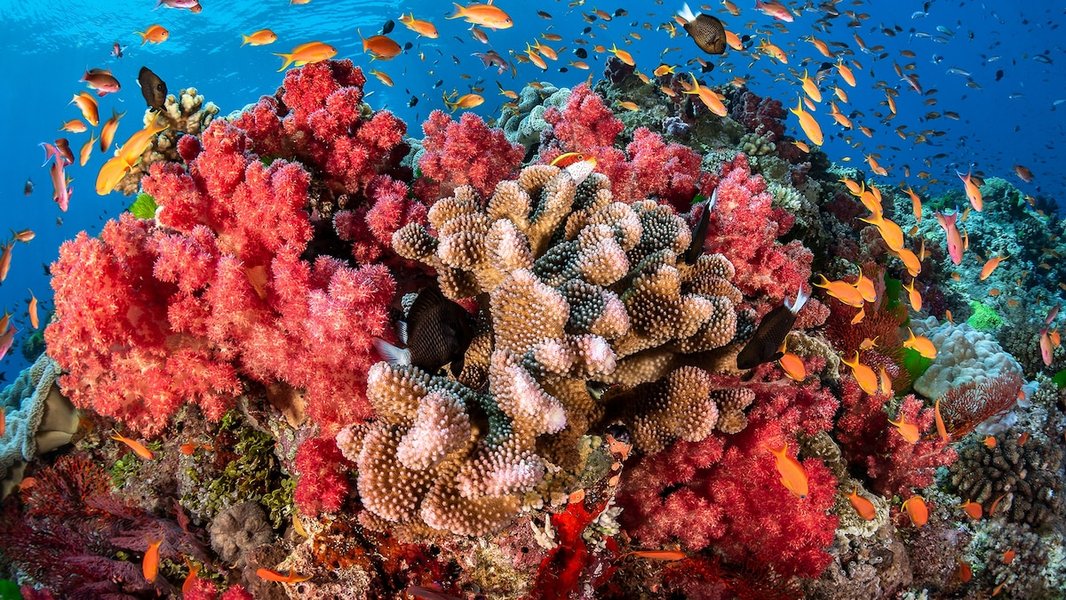
A vibrant coral reef teeming with marine life.
The Role of Marine Biotechnology
Marine biotechnology offers promising alternative solutions to the problems threatening to degrade the world’s oceans. It plays a crucial role in maintaining and restoring ecosystems by understanding complex interactions within marine habitats and developing conservation strategies. Techniques such as coral reef restoration utilize bio-engineered corals to rebuild damaged ecosystems, while genetic studies aid in protecting endangered marine species. These advances support strong marine ecosystems and protect biodiversity.
Understanding Coral Reef Biology and Significance
Coral reefs are complex ecosystems built by coral polyps, which are small animals that secrete calcium carbonate to form a hard exoskeleton. These exoskeletons accumulate over time, creating the structural framework of the reef. Coral reefs are typically found in shallow, clear waters where sunlight can penetrate, allowing for photosynthesis by symbiotic algae called zooxanthellae.
Symbiosis with Zooxanthellae
The relationship between coral polyps and zooxanthellae is a crucial symbiosis. Zooxanthellae live within the coral tissues and provide the coral with essential nutrients through photosynthesis. In return, the coral provides the zooxanthellae with protection and access to sunlight. This symbiotic relationship is the foundation of the coral reef ecosystem, enabling corals to thrive in nutrient-poor waters.
Economic and Ecological Significance
Coral reefs provide billions of dollars in economic and environmental services. They protect coastlines from storms and erosion, support fisheries that feed millions of people, and attract tourists, boosting local economies. Ecologically, coral reefs are biodiversity hotspots, supporting a vast array of marine species. They provide habitats, feeding grounds, and nurseries for many organisms, making them essential for marine ecosystem health.
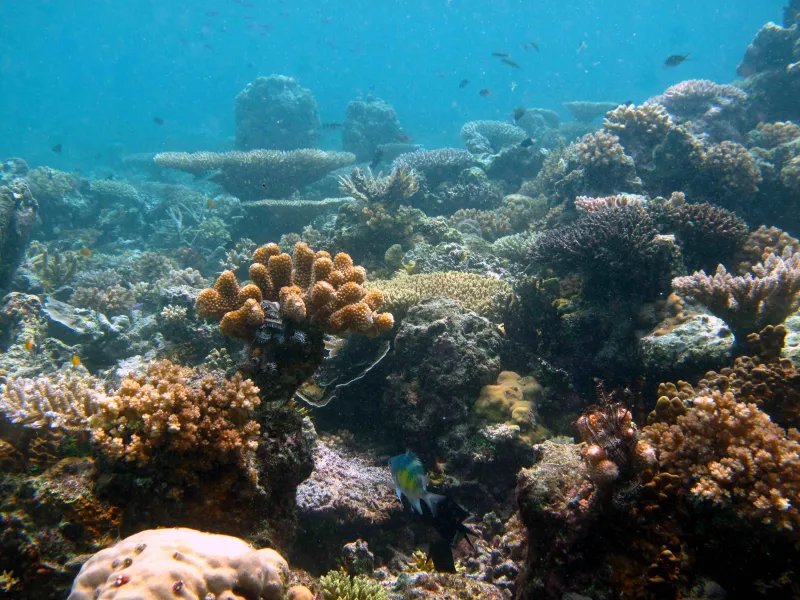
A healthy coral reef showcases the vibrant biodiversity it supports.
Major Threats Endangering Coral Reefs
Coral reefs face numerous threats that endanger their very existence. These threats can be broadly categorized into climate change impacts, disease outbreaks, and human-induced destruction.
Coral Bleaching and Ocean Acidification
Coral bleaching is a phenomenon where corals expel their symbiotic zooxanthellae due to environmental stress, such as increased ocean temperatures. This causes the coral to turn white and become more susceptible to disease and death. Ocean acidification, caused by the absorption of carbon dioxide from the atmosphere, reduces the ability of corals to build their skeletons, further weakening the reef structure. As temperatures rise, mass coral bleaching events and infectious disease outbreaks are becoming more frequent.
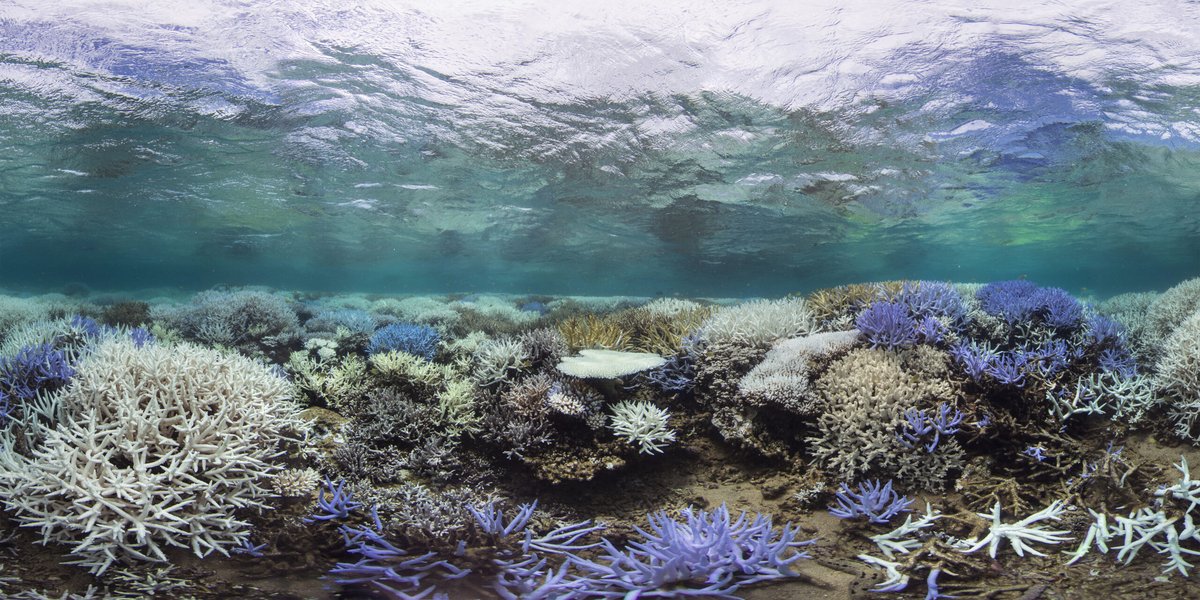
Coral bleaching, where corals expel zooxanthellae, leading to a loss of color and health.
Disease Outbreaks in Corals
Coral diseases are a significant threat, with outbreaks becoming more frequent and severe. These diseases can cause tissue loss, skeletal abnormalities, and ultimately, coral death. Factors such as warmer water temperatures and poor water quality can increase the susceptibility of corals to diseases. There is also evidence indicating that low water quality increases disease incidence, making it critical for governments and managers to reduce major reef threats such as sediments, pesticides and overfishing, to give coral reefs a fighting chance of survival.
Human-Induced Destruction
Human activities pose a major threat to coral reefs. Coastal development, destructive fishing practices, and pollution all contribute to the degradation of these ecosystems. Coastal development often leads to increased sedimentation, which can smother corals and reduce water quality. Destructive fishing practices, such as dynamite fishing and cyanide fishing, directly damage coral reefs and kill coral polyps. Pollution from sewage, agricultural runoff, and industrial discharge introduces excess nutrients and toxins into the water, harming corals and promoting algal growth that can outcompete corals.
Marine Biotechnology Techniques for Coral Reef Conservation
Marine biotechnology offers a range of techniques to aid in the conservation and restoration of coral reefs. These include coral propagation, genetic enhancement, and microbial manipulation.
Coral Propagation and Restoration
Coral propagation involves growing coral fragments in a nursery and then transplanting them onto degraded reefs. This technique can help to restore coral populations and increase reef cover. Organizations like the Coral Restoration Foundation™ are at the forefront of coral restoration and reef conservation. To restore corals to damaged reefs, it will be necessary to produce coral larvae in an aquaculture setting, raise them to metamorphic competence, and induce larvae.
Genetic Enhancement
Genetic studies aid in protecting endangered marine species. Techniques such as selective breeding and genetic engineering can be used to enhance coral resilience to climate change and disease. For example, corals can be bred for their heat tolerance or disease resistance, and then transplanted onto reefs to create more resilient populations. The development of heat-tolerant corals is one restoration approach amongst a range of prevention and restoration options. The appeal of this gene-based solution is its potential to scale up and positively influence marine habitat sustainability.
Microbial Manipulation
Microbial biotechnology can be used to manipulate the microbial communities associated with corals to enhance their tolerance to stress. This can involve introducing beneficial microbes (probiotics) or manipulating the coral microbiome to promote coral health. Active interventions to help corals survive by augmenting their tolerance to and ability to recover from stress are urgently required.
Biorock Technology: An Innovative Approach
Biorock technology stimulates coral growth using electrical currents. This innovative technology involves using the same principles as electrolysis, where the electric current causes a chemical reaction to occur that wouldn’t normally happen. Coral fragments from other reefs can then be translocated to the biorock structure where they can grow due to the natural mineral crystals that were formed. This type of technology is being used as conservation measures for coral reefs.
Artificial Reefs
Artificial reefs have also been used to provide habitat and act as an ecosystem by mimicking a coral reef. They have been made of sunken shipwrecks, plastic, concrete blocks, old tires, and old cars—all heaped onto the ocean floor in hopes that fish and other marine life will come to call them home.
Advancements in Marine Biotechnology for Coral Reefs
Advancements in marine biotechnology offer innovative approaches to tackle the degradation of coral reefs, focusing on genetic and genomic innovations. These include biobanking, genomic sequencing, genetic engineering, and advanced reproductive technologies, which supplement traditional remediation and conservation strategies. One example is the development of bionic corrals with the aid of CRISPR gene editing technology.
Samples from marine organisms used in marine biotechnology research, specifically in genomics studies, are also essential information sources for sequence analyses, especially for endangered and critically endangered species. These biotechnological approaches for coral conservation are needed to ‘future-proof’ corals.
Challenges and Future Directions
Despite the promising potential of marine biotechnology, several challenges remain. One of the main challenges is scalability — how can we stimulate investments in coral-based biotechnology for coral conservation and ‘Blue Growth’. It’s important to combine restoration with broader conservation and sustainable management practices to ensure the long-term health of coral reefs and the ecosystems they support.
Future research should focus on developing more effective and scalable biotechnological solutions, as well as addressing the underlying causes of coral reef decline, such as climate change and pollution. By integrating biotechnology with broader conservation efforts, we can increase the chances of survival and recovery for coral populations.
Overview of Coral Reef Threats and Mitigation Strategies
The following table provides an overview of the major threats to coral reefs and the corresponding mitigation strategies, including those leveraging marine biotechnology.
| Threat | Description | Mitigation Strategies | Biotechnology Applications |
|---|---|---|---|
| Climate Change (Ocean Warming & Acidification) | Increased ocean temperatures cause coral bleaching; acidification reduces coral skeleton formation. | Reducing greenhouse gas emissions; establishing marine protected areas; coral restoration projects. | Developing heat-resistant coral strains through selective breeding; using microbial manipulation to enhance coral resilience. |
| Pollution (Nutrient & Sediment) | Nutrient pollution leads to algal blooms that outcompete corals; sedimentation smothers corals. | Improving wastewater treatment; reducing agricultural runoff; controlling coastal development. | Bioremediation techniques to remove excess nutrients; bio-engineering corals to better withstand sediment stress. |
| Overfishing & Destructive Fishing Practices | Overfishing disrupts the food web; destructive practices damage coral structures. | Implementing sustainable fishing practices; establishing fishing regulations; promoting alternative livelihoods. | Genetic studies to protect endangered fish species; development of artificial reefs to provide habitats. |
| Disease Outbreaks | Coral diseases cause tissue loss and mortality, exacerbated by environmental stressors. | Improving water quality; managing disease outbreaks; developing disease-resistant coral strains. | Using probiotics to enhance coral immunity; genetic engineering to create disease-resistant corals. |
| Coastal Development | Construction and alteration of coastlines lead to habitat destruction and increased sedimentation. | Implementing coastal management plans; establishing buffer zones; promoting sustainable tourism. | Coral relocation and propagation to restore damaged areas; bio-engineered corals for ecosystem restoration. |
Watch this video about threats to coral reefs
This video discusses the various threats facing coral reef ecosystems and their impact on marine life. The video describes the challenges that the reefs face, such as climate change, pollution, and destructive fishing practices. The solutions for coral reefs involves reducing carbon emissions, implementing sustainable fishing practices, and reducing pollution, which ultimately require awareness. By understanding the threats and solutions, we can each play a role in protecting coral reefs.
FAQ: Addressing Common Questions About Coral Reefs
Why are coral reefs important?
Coral reefs are essential for marine biodiversity, coastal protection, fisheries, and tourism. They support a vast array of marine species, protect coastlines from storms, provide food and livelihoods for millions of people, and contribute significantly to local economies.
What is coral bleaching, and why does it happen?
Coral bleaching occurs when corals expel their symbiotic zooxanthellae due to environmental stress, such as increased ocean temperatures. This causes the coral to turn white and become more susceptible to disease and death. Bleaching is primarily caused by climate change and ocean warming.
How does marine biotechnology help in coral reef conservation?
Marine biotechnology offers techniques such as coral propagation, genetic enhancement, and microbial manipulation to aid in the conservation and restoration of coral reefs. These methods can help to restore coral populations, enhance coral resilience to climate change and disease, and promote coral health.
What can individuals do to help protect coral reefs?
Individuals can help protect coral reefs by reducing their carbon footprint, supporting sustainable seafood choices, avoiding products that harm coral reefs (such as certain sunscreens), and advocating for policies that protect marine ecosystems.
What are some examples of successful coral reef restoration projects?
Successful coral reef restoration projects include coral propagation and transplantation efforts, such as those led by the Coral Restoration Foundation™. These projects have shown that it is possible to restore coral populations and increase reef cover through active intervention.
References
Last updated April 13, 2025