
Understanding Core Sleep
The essential foundation for physical and cognitive well-being
Key Takeaways
- Core sleep encompasses both deep NREM and REM stages, critical for overall health.
- It facilitates tissue repair, memory consolidation, and immune system enhancement.
- Optimizing core sleep involves maintaining a consistent sleep schedule and a conducive sleep environment.
Definition of Core Sleep
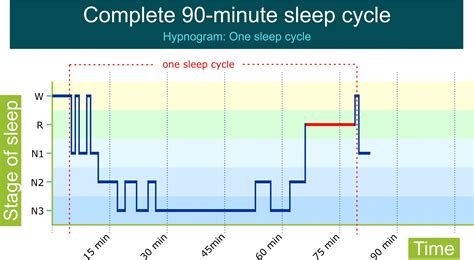
Core sleep refers to the vital segment of the sleep cycle that is indispensable for maintaining optimal physical and cognitive functions. It primarily includes the deeper stages of Non-Rapid Eye Movement (NREM) sleep, specifically slow-wave sleep (Stage 3), as well as periods of Rapid Eye Movement (REM) sleep. These stages are fundamental for various restorative processes that occur during sleep.
Components of Core Sleep
Non-Rapid Eye Movement (NREM) Sleep
NREM sleep is divided into three stages, with the deeper stages being integral to core sleep:
- Stage 1 NREM: This is the lightest stage of sleep, serving as a transition between wakefulness and deeper sleep stages.
- Stage 2 NREM: In this stage, the body undergoes processes that prepare it for deep sleep, including a decrease in heart rate and body temperature.
- Stage 3 NREM (Slow-Wave Sleep): This is the deepest and most restorative stage of NREM sleep, characterized by slow brain waves, reduced metabolic rate, and significant physical recovery.
Rapid Eye Movement (REM) Sleep
REM sleep is marked by rapid movement of the eyes, increased brain activity, and vivid dreaming. This stage is crucial for cognitive functions such as memory consolidation, learning, and emotional regulation. Unlike NREM sleep, REM sleep involves active brain processes that help in processing information gathered during wakefulness.
Functions and Benefits of Core Sleep
Physical Restoration
During core sleep, the body engages in essential repair and regeneration processes:
- Tissue Repair and Growth: The release of growth hormones during deep NREM sleep facilitates the repair of muscles, tissues, and bones.
- Immune System Enhancement: Core sleep strengthens the immune system, making the body more resilient to infections and diseases.
- Hormone Regulation: Hormones that regulate appetite, metabolism, and stress are balanced during core sleep, contributing to overall hormonal health.
Cognitive Restoration
Core sleep plays a pivotal role in maintaining and enhancing cognitive functions:
- Memory Consolidation: Information acquired during the day is processed and stored in long-term memory during REM and deep NREM sleep.
- Learning and Problem-Solving: The brain organizes and integrates new information, improving learning capabilities and problem-solving skills.
- Emotional Regulation: Core sleep helps in managing emotions, reducing stress, and preventing mood disorders.
Energy Replenishment
Core sleep restores energy levels, ensuring that an individual remains alert and functional throughout the day:
- Metabolic Replenishment: Core sleep regulates metabolic processes, supporting energy balance and preventing fatigue.
- Physical Endurance: Adequate core sleep enhances physical performance and endurance by replenishing energy stores depleted during the day.
Importance of Core Sleep
The significance of core sleep cannot be overstated, as it underpins various aspects of health and daily functioning:
- Overall Health: Regular and sufficient core sleep is associated with reduced risks of chronic diseases such as obesity, diabetes, and cardiovascular disorders.
- Mental Health: Adequate core sleep alleviates symptoms of anxiety and depression, promoting better mental health and emotional stability.
- Daily Productivity: Core sleep enhances cognitive abilities, leading to improved focus, decision-making, and productivity in daily tasks.
Distinction from Deep Sleep
While deep sleep is a component of core sleep, it is essential to understand the broader scope of core sleep:
- Deep Sleep (Slow-Wave Sleep): Focused on physical recovery and growth, deep sleep is a subset of core sleep characterized by slow brain waves and maximal restorative processes.
- Core Sleep: Encompasses both deep NREM sleep and REM sleep, addressing both physical and cognitive restoration. It represents the overarching essential sleep period necessary for comprehensive health benefits.
Common Misconceptions about Core Sleep
There are several misunderstandings regarding core sleep, often influenced by consumer sleep-tracking devices:
- Misinterpretation by Sleep Trackers: Devices like the Apple Watch may label lighter sleep stages as "core sleep," which contradicts the scientific definition that emphasizes deeper sleep stages.
- Reducing Total Sleep: Some believe that focusing solely on core sleep allows for reduced total sleep duration. However, achieving the recommended 7-9 hours ensures all sleep stages are adequately experienced.
- Core Sleep vs. Optional Sleep: Core sleep is essential, whereas optional sleep pertains to additional sleep beyond the necessary period. Neglecting core sleep can lead to significant health and cognitive deficits.
Optimizing Core Sleep
Maintaining a Consistent Sleep Schedule
Adhering to a regular sleep routine reinforces the body's internal clock, promoting timely and adequate core sleep:
- Set Regular Bedtimes: Go to bed and wake up at the same times each day, even on weekends.
- Limit Variations: Minimizing deviations in sleep patterns helps maintain the consistency of core sleep phases.
Creating a Conducive Sleep Environment
Optimizing the sleep environment enhances the quality and duration of core sleep:
- Control Light Exposure: Use blackout curtains or eye masks to reduce light disturbances.
- Manage Noise Levels: Utilize earplugs or white noise machines to minimize disruptive sounds.
- Maintain Comfortable Temperature: Keep the bedroom at a cool and comfortable temperature to facilitate uninterrupted sleep.
Practicing Good Sleep Hygiene
Adopting healthy sleep habits supports the achievement of optimal core sleep:
-
Limit Screen Time Before Bed: Reduce exposure to screens emitting blue light at least an hour before bedtime.
-
Avoid Stimulants: Refrain from consuming caffeine or nicotine in the hours leading up to sleep.
-
Engage in Relaxing Activities: Incorporate calming practices such as reading, meditation, or gentle stretching to prepare the body for sleep.
Conclusion
Core sleep is an indispensable facet of the sleep cycle, encompassing both deep NREM and REM sleep stages that are critical for physical restoration, cognitive function, and overall well-being. Understanding the importance of core sleep and implementing strategies to optimize it can lead to significant improvements in health, mental clarity, and daily performance. Prioritizing consistent sleep schedules, creating a conducive sleep environment, and practicing good sleep hygiene are essential steps toward achieving restorative core sleep and enhancing quality of life.
References
Last updated January 15, 2025