
Cormac McCarthy's Vivid Depictions of Human Struggles
Exploring the Depths of Human Experience in McCarthy's Works
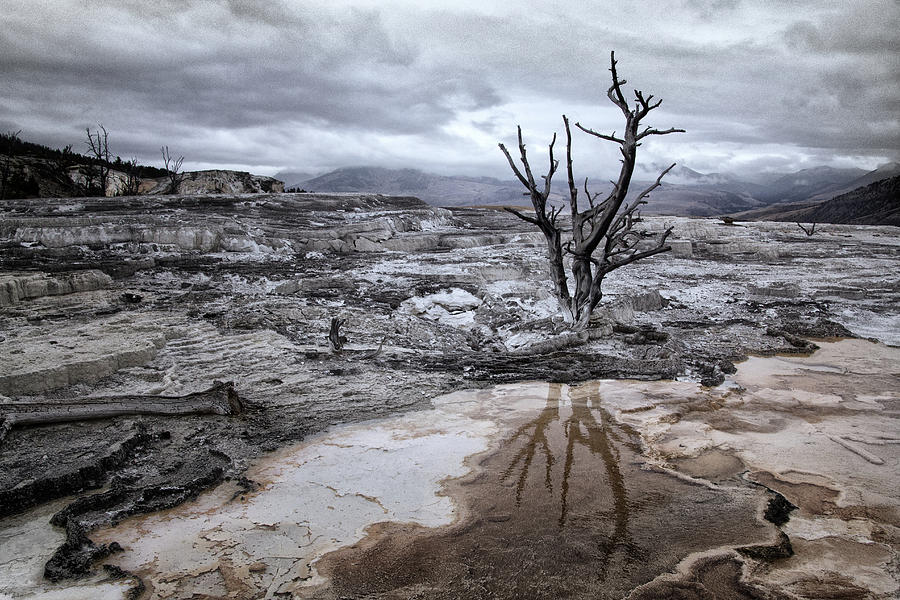
Key Takeaways
- Exploration of Survival and Adversity: McCarthy's characters often face extreme challenges, highlighting the resilience and fragility of the human spirit.
- Profound Thematic Depth: His works delve into themes such as violence, morality, existentialism, and the complexities of human relationships.
- Distinctive Literary Style: McCarthy employs sparse punctuation, poetic prose, and vivid descriptive passages to enhance the emotional impact of his narratives.
Thematic Exploration of Human Struggles
Survival in Hostile Landscapes
Cormac McCarthy masterfully portrays the relentless struggle for survival in unforgiving environments. In novels like The Road, he depicts a father and son's harrowing journey through a post-apocalyptic world, emphasizing the innate human drive to endure despite overwhelming odds. The desolate landscapes serve not only as a backdrop but also as a formidable antagonist, reflecting the inner turmoil of the characters and the external challenges they face.
Violence and Moral Complexity
Violence is a pervasive theme in McCarthy's oeuvre, intricately woven into the fabric of his narratives. In Blood Meridian, he presents a brutal exploration of human nature and the thin veneer of civilization. The relentless depiction of violence serves to question the inherent morality of mankind, illustrating how societal constructs can disintegrate in the face of primal instincts and existential threats. McCarthy does not glorify violence but rather uses it as a tool to probe the depths of human conscience and ethical ambiguity.
Existentialism and the Human Condition
McCarthy's works often engage with existential themes, prompting readers to ponder the meaning of life, purpose, and faith in an indifferent universe. Characters in his novels grapple with profound questions about their existence, fate, and the search for meaning amidst chaos. This philosophical undercurrent provides a contemplative layer to his stories, encouraging a deeper introspection about the human experience and our place in the world.
Human Connection and Isolation
The dichotomy between connection and isolation is a recurring motif in McCarthy's stories. In The Road, the bond between father and son becomes a beacon of hope and humanity in a bleak, desolate world. Conversely, other characters often find themselves as social outcasts, navigating the margins of society and confronting the inherent loneliness that accompanies their struggles. This exploration underscores the importance of relationships and the profound impact they have on an individual's ability to cope with adversity.
Conflict Between Civilization and Primal Instincts
McCarthy delves into the tension between the constructs of civilization and the raw, primal instincts that drive human behavior. His narratives often feature settings where societal norms have collapsed, forcing characters to confront their basest desires and moral dilemmas. This conflict serves as a critique of modernity and questions the sustainability of civilized society in the face of existential threats.
Literary Style and Its Impact
Sparse and Poetic Prose
McCarthy's distinctive literary style is characterized by minimalistic punctuation, fragmented dialogue, and a lyrical quality that enhances the emotional resonance of his narratives. This sparse prose allows readers to immerse themselves fully in the stark realities his characters face, creating a visceral connection with the story. The deliberate simplicity of his language accentuates the gravity of human struggles, making the moments of despair and hope all the more poignant.
Vivid and Visceral Descriptions
One of McCarthy's hallmark techniques is his ability to craft vivid, almost tangible descriptions of both physical and emotional landscapes. Whether depicting the barren expanses of a ruined city or the intense inner turmoil of a character, his attention to detail invites readers to visualize and feel the weight of each scene. This immersive descriptive style not only paints a clear picture but also deepens the reader's engagement with the characters' plights.
Integration of the Natural World
The natural world plays a significant role in McCarthy's works, often serving as a metaphor for the characters' internal states. The harshness of the environment mirrors the struggles within, while moments of natural beauty provide respite and contrast to the prevailing desolation. This symbiotic relationship between nature and narrative emphasizes the interconnectedness of human existence and the environment.
Use of Symbolism and Allegory
McCarthy frequently employs symbolism and allegory to convey deeper meanings and themes. Objects, settings, and characters often represent broader concepts such as morality, fate, and the human condition. This layered storytelling invites readers to look beyond the surface narrative and engage with the philosophical underpinnings of his works.
Dialogues and Internal Monologues
In McCarthy's novels, dialogues are often sparse and laden with subtext, reflecting the unspoken tensions and complexities between characters. Internal monologues provide insight into the characters' thoughts and motivations, offering a profound exploration of their psychological landscapes. This combination of concise dialogue and introspective narration enhances the depth of character development and the portrayal of their struggles.
Analysis of Major Works
The Road
The Road is perhaps McCarthy's most acclaimed work, encapsulating his mastery in depicting human struggles. The novel follows a father and son's journey through a bleak, post-apocalyptic landscape, focusing on their fight for survival and the enduring bond between them. The relentless adversity they face serves as a canvas to explore themes of hope, despair, love, and the essence of humanity. McCarthy's portrayal of a world stripped bare of civilization forces readers to confront the fundamental aspects of human nature and the will to persevere.
Blood Meridian
Blood Meridian is a harrowing exploration of violence and its ingrained presence in human history. Set against the backdrop of the American West, the novel follows a teenage runaway known as "the Kid" as he becomes entangled in brutal conflicts and moral ambiguities. The pervasive violence depicted serves as a commentary on the inherent savagery within mankind and the cyclical nature of brutality in pursuit of power and survival. McCarthy's unflinching portrayal challenges readers to reflect on the darker facets of human existence.
No Country for Old Men
No Country for Old Men delves into themes of fate, morality, and existential dread within a contemporary setting. The story revolves around a drug deal gone wrong, introducing characters who embody different aspects of the human psyche and societal breakdown. The relentless pursuit and the moral choices the characters face highlight the randomness of fate and the absence of clear moral guidelines in a chaotic world. McCarthy's intricate narrative structure and character development underscore the complexity of human decision-making in the face of unrelenting challenges.
All the Pretty Horses
All the Pretty Horses marks the beginning of McCarthy's "Border Trilogy," exploring the clash between traditional values and modernity. The protagonist, John Grady Cole, embarks on a journey that pits his romantic ideals against the harsh realities of life on the Mexican border. Themes of loss, identity, and the pursuit of an idealized past are prevalent, as the characters navigate personal and societal conflicts. The novel's rich descriptions of the landscape and the emotional depth of the characters' struggles illustrate McCarthy's ability to intertwine setting with thematic exploration.
Influence and Legacy
Cormac McCarthy's profound depictions of human struggles have left an indelible mark on contemporary literature. His ability to intertwine complex themes with compelling narratives has influenced a generation of writers and captivated readers worldwide. McCarthy's exploration of the human condition transcends genre boundaries, offering profound insights into survival, morality, and the essence of humanity.
His distinctive literary style, characterized by sparse punctuation and poetic prose, has set a benchmark for narrative storytelling, inspiring authors to experiment with language and structure. Additionally, McCarthy's willingness to confront uncomfortable truths and depict the darker aspects of human nature has paved the way for more nuanced and realistic portrayals of struggle and resilience in literature.
The adaptations of his works into films further testify to his impact, bringing his vivid narratives and complex characters to broader audiences. The critical and commercial success of these adaptations have underscored the universal relevance of McCarthy's themes and the timeless nature of his exploration of human struggles.
Conclusion
Cormac McCarthy stands as a towering figure in modern literature, renowned for his vivid and unflinching depictions of human struggles. Through his exploration of survival, violence, moral ambiguity, and the profound complexities of human relationships, McCarthy offers a compelling commentary on the resilience and fragility of the human spirit. His distinctive literary style, characterized by sparse yet powerful prose, enhances the emotional depth and raw authenticity of his narratives, creating an immersive experience for readers.
McCarthy's works challenge readers to confront the darker aspects of human nature while simultaneously highlighting moments of hope, love, and endurance. His ability to blend philosophical inquiry with gripping storytelling has cemented his legacy as a literary luminary, whose influence continues to resonate in contemporary literature and beyond. Through his unparalleled depiction of human struggles, Cormac McCarthy has not only enriched the literary landscape but has also provided profound insights into the enduring spirit of humanity.
References
Pan Macmillan: Cormac McCarthy’s Books: A Guide
Matthew M. Long: Continuing the Themes of Cormac McCarthy
GradesFixer: The Road – Themes and Symbolism
Book Analysis: The Road – Themes Analysis
Theringer: Cormac McCarthy Saw the Extremes of Human Experience
Acton.org: Blood of a Thousand Christs – The Violent Faith of Cormac McCarthy
JETIR: Survival of Positivity and Humanity in Cormac McCarthy's The Road
LitHub: On War, Fatherhood, and the Half-Life of Cormac McCarthy's Literary Fission
IPL.org: Struggling for Goodness in Cormac McCarthy's The Road
Hellbender Press: Cormac McCarthy – A Beautiful Chronicler of Our Darkest Hearts
The Guardian: Cormac McCarthy Obituary
LiterarySum: The Artistry of Cormac McCarthy's Border Trilogy – A Literary Analysis
YouTube: Cormac McCarthy Analysis
Last updated January 29, 2025