
Cosmopolitan Justice: A Global Perspective on Justice
Exploring the roots, evolution, and implementation of cosmopolitan justice worldwide
Key Highlights
- Universal Moral Community: Cosmopolitan justice treats every human being as a member of a single global community.
- Historical Evolution: From ancient Stoic philosophies to modern international law, cosmopolitan justice has evolved through centuries of debate and analysis.
- Practical Applications: It is implemented in diverse legal frameworks and case studies, from global institutions like the ICC to grassroots movements in India.
What is Cosmopolitan Justice?
Cosmopolitan justice is a philosophical framework that asserts that all human beings, irrespective of their nationality, ethnicity, or citizenship status, deserve equal moral consideration and respect. It is grounded in the belief that our obligations should extend beyond local or national ties, encompassing a universal commitment to human rights, dignity, and global ethical responsibilities. This concept calls for laws and policies that transcend parochial interests, seeking to create frameworks that uphold justice and moral equality on a global scale.
Historical Development of Cosmopolitan Justice
Ancient Foundations
The origins of cosmopolitan thought can be traced back to ancient civilizations. Early Stoic philosophers, such as Diogenes and later Roman figures like Cicero, argued that individuals were not confined by their local communities but were rather citizens of the world. These early thinkers promoted the idea of universal moral duties, emphasizing that one's ethical obligations extend to every human being.
The ancient Greek notion of “cosmos” as an ordered whole, in which every individual plays a role, laid the philosophical groundwork for later discussions. This early version of cosmopolitanism did not directly translate into modern legal frameworks but provided a moral and ethical foundation that questioned exclusive loyalty to one's city-state or nation-state.
Enlightenment and Modern Philosophy
Cosmopolitan justice underwent a transformation during the Enlightenment. Immanuel Kant was pivotal in this evolution, arguing in works like "Perpetual Peace" that each person possesses intrinsic worth, thus deserving equal respect irrespective of state boundaries. Kant’s philosophy introduced a legal and moral framework that stressed universal rights and the possibility of a global order based on peace, human dignity, and fairness. His ideas laid the foundation for later debates on human rights and international norms.
Throughout the 19th and 20th centuries, these ideas were further refined by various intellectual figures who argued that national legal orders should not restrict moral duties and obligations. Philosophers from the humanist tradition continued to promote cosmopolitan ideals, even as nationalism became a dominant political force. The increasing interconnectedness brought about by global trade and communication catalyzed the need for a justice system that acknowledged our shared humanity.
Impact of Global Conflicts and International Thought
The catastrophic human suffering witnessed during the two World Wars catalyzed an urgent need for a reassessment of justice beyond national borders. Post-World War II, the formation of international law took significant strides forward. The Universal Declaration of Human Rights published in 1948, among other international treaties and institutions, underscored the necessity for a comprehensive system of global justice. Thinkers began integrating cosmopolitan principles into international policies, arguing for structures that could address crimes against humanity and safeguard rights irrespective of geographical limitations.
Cosmopolitan Justice in International Law Today
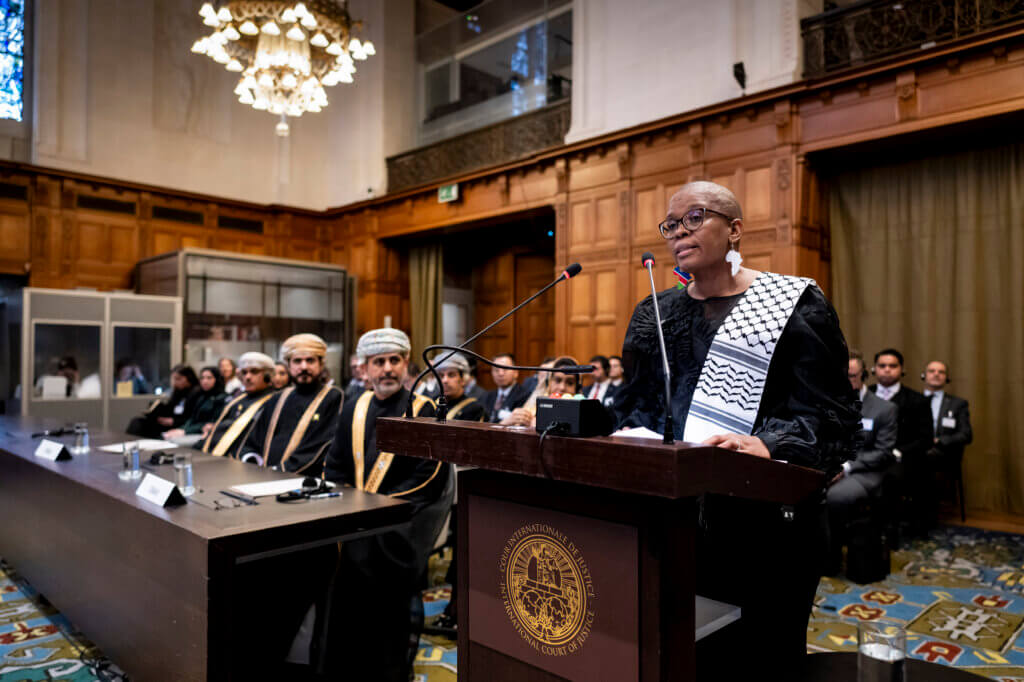
Modern international law has embraced cosmopolitan justice by borrowing ideas that extend moral and legal responsibilities beyond state borders. International institutions and legal bodies, such as the United Nations, the International Criminal Court (ICC), and the International Court of Justice (ICJ), exemplify the application of these principles.
Principles and Institutions
Cosmopolitan justice underpins several core principles:
- Universal human rights that recognize the inherent dignity of every individual.
- Responsibility to protect (R2P), which mandates intervention when states fail to protect their citizens from gross human rights abuses.
- Impartial legal frameworks that prosecute crimes such as genocide, war crimes, and crimes against humanity regardless of the perpetrator's nationality.
International treaties and courts are now vessels for these values. The International Criminal Court, for example, plays a vital role in ensuring that perpetrators of serious international crimes are held accountable, irrespective of national affiliations. Additionally, United Nations resolutions and peacekeeping operations reflect the cosmopolitan commitment to protecting global human rights.
Key Legal Documents
Several landmark documents and legal instruments illustrate the practical implementation of cosmopolitan ideals. The Universal Declaration of Human Rights, the Geneva Conventions, and a multitude of international treaties emphasize humanity's shared entitlement to justice and dignity. For instance, \( \text{\textbf{Universal Principles of Justice}} \) foster a legal framework that doesn’t privilege state-specific values, ensuring a baseline standard of human rights globally.
Case Studies of Cosmopolitan Justice in Action
Global Case Studies
Several case studies underscore the application of cosmopolitan justice principles on the international stage:
- The International Criminal Court (ICC): Serving as an embodiment of cosmopolitan justice, the ICC prosecutes individuals for international crimes irrespective of nationality. This court reinforces the idea that accountability transcends borders and that justice should be applied universally.
- The Syrian Refugee Crisis: The global response to the Syrian refugee crisis exemplifies cosmopolitan ethics. Countries and international organizations collaborated to offer humanitarian assistance and protection based on universal human rights principles, despite the crisis primarily being rooted in a specific national context.
- The Lotus Case (1927): Though historical, this case demonstrates early principles of cosmopolitan justice by confronting issues of international jurisdiction and legal norms on the high seas, laying the foundation for further international legal developments.
Comparative Analysis Table
| Aspect | International Implementation | Indian Perspective |
|---|---|---|
| Legal Frameworks | ICC, ICJ, UN treaties, Universal Declaration of Human Rights | Indian Supreme Court rulings, National Human Rights Commission, participation in UN missions |
| Human Rights | Universal human rights, R2P doctrines, global humanitarian law | Inclusive legal decisions such as the decriminalization of homosexuality and protection of privacy rights |
| Case Studies | Syria refugee crisis, ICC prosecutions, Lotus case | Anti-CAA protests, Narmada Bachao Andolan, international collaborations on environmental and gender rights |
Cosmopolitan Justice in the Indian Perspective
In India, cosmopolitan justice is interwoven with national legal systems and social movements, reflecting broader commitments to universal human rights while simultaneously addressing localized issues. Even though India's engagement with cosmopolitan ideals is sometimes described in more localized terms, the underlying philosophy remains the same—ensuring justice for every individual, regardless of their background or citizenship status.
Legal Interventions and Judgments
Indian jurisprudence has integrated cosmopolitan concepts through landmark cases. One notable example is the Indian Supreme Court’s recognition of the right to privacy in the K. S. Puttaswamy vs. Union of India case. This decision underlined the universality of human rights, emphasizing that dignity and privacy are not privileges for citizens alone but are inherent to all individuals.
Additionally, other judgments such as the decriminalization of homosexuality in the Navtej Singh Johar v. Union of India case illustrate the application of cosmopolitan ideals. These rulings ensure that judicial decisions are not strictly based on majoritarian or locality-specific values but reflect a broader commitment to equality and justice that aligns with global human rights discourse.
Social Movements and Grassroots Initiatives
Beyond courtrooms, India's vibrant civil society has been instrumental in advocating for justice that echoes cosmopolitan principles. Several movements and public protests emphasize the need for inclusivity and equitable treatment.
- Anti-CAA Movement: The protests against the Citizenship Amendment Act (CAA) have been widely viewed as a fight for cosmopolitan justice. Demonstrators argued that the law discriminates based on religious identity, violating the universal rights of minorities and undermining the nation’s secular fabric. This movement not only brought attention to domestic issues but also resonated with global human rights activists.
- Narmada Bachao Andolan: This movement, which centers on the rights of communities affected by large dam projects, is grounded in the struggle against displacement and environmental injustice. The activists invoke cosmopolitan ideals by insisting on the right to a dignified life, irrespective of socio-economic status or geographic location.
- International Collaborations: Many Indian NGOs and civil society organizations participate in global networks that campaign for environmental protection, gender equality, and social justice. Their work often transcends national boundaries, advocating policies that are in line with the broader mandates of cosmopolitan justice.
Indian Participation in Global Governance
India also plays a crucial role in shaping international legal frameworks. Through its participation in United Nations peacekeeping and human rights initiatives, it supports the global governance structures that embody cosmopolitan justice principles. Indian diplomats, legal experts, and activists regularly contribute to debates on sovereignty, humanitarian intervention, and environmental justice on the international stage.
For example, India's involvement in international forums often emphasizes the importance of balancing national interests with global responsibilities. Whether in negotiating climate change agreements or advocating for technology transfer in healthcare, the ethos of cosmopolitan justice informs Indian policy at multiple levels.
Further Detailed Case Study Examples from the Indian Perspective
Grassroots to Global: A Multifaceted Approach
Cosmopolitan justice in India is not reserved solely for legal or political debates. It manifests in tangible cases that involve both grassroots activism and engagement with international organizations:
- Environmental Movements: Indian environmental activists have been at the forefront of campaigns against projects that threaten local ecosystems and communities. These movements have also gained attention on the global stage, where activists demand that environmental justice be recognized as a fundamental human right. Their collective advocacy has led to legislative reforms that better protect natural resources, aligning with the broader global push for sustainable development.
- Gender Rights and Social Reforms: Initiatives to combat gender violence and uphold women's rights reflect cosmopolitan justice in action. Indian organizations work alongside international human rights bodies to challenge traditional patriarchal structures and demand reforms that uphold the rights of all women, regardless of cultural or religious backgrounds. These cross-border alliances underscore the notion that justice for women is a universal imperative.
- Legal and Policy Reforms: In addition to landmark Supreme Court decisions, there are numerous instances where state policies have been scrutinized or reformed due to activism informed by cosmopolitan ideas. These reforms have frequently resulted in greater accountability and transparency in governance, ensuring that marginalized voices receive both national and international recognition.
References
- Cosmopolitan Theories of Justice - Britannica
- Cosmopolitanism - Stanford Encyclopedia of Philosophy
- Cosmopolitan Law - Cambridge Core
- Cosmopolitan Perspectives in India - OpenEdition Journals
-
Global Governance and Cosmopolitan Justice - Oxford Academic
Recommended Related Queries


Last updated March 15, 2025