
Cost-Effective Large-Scale Cannabis Grow Setup
An in-depth guide to optimizing efficiency and reducing costs
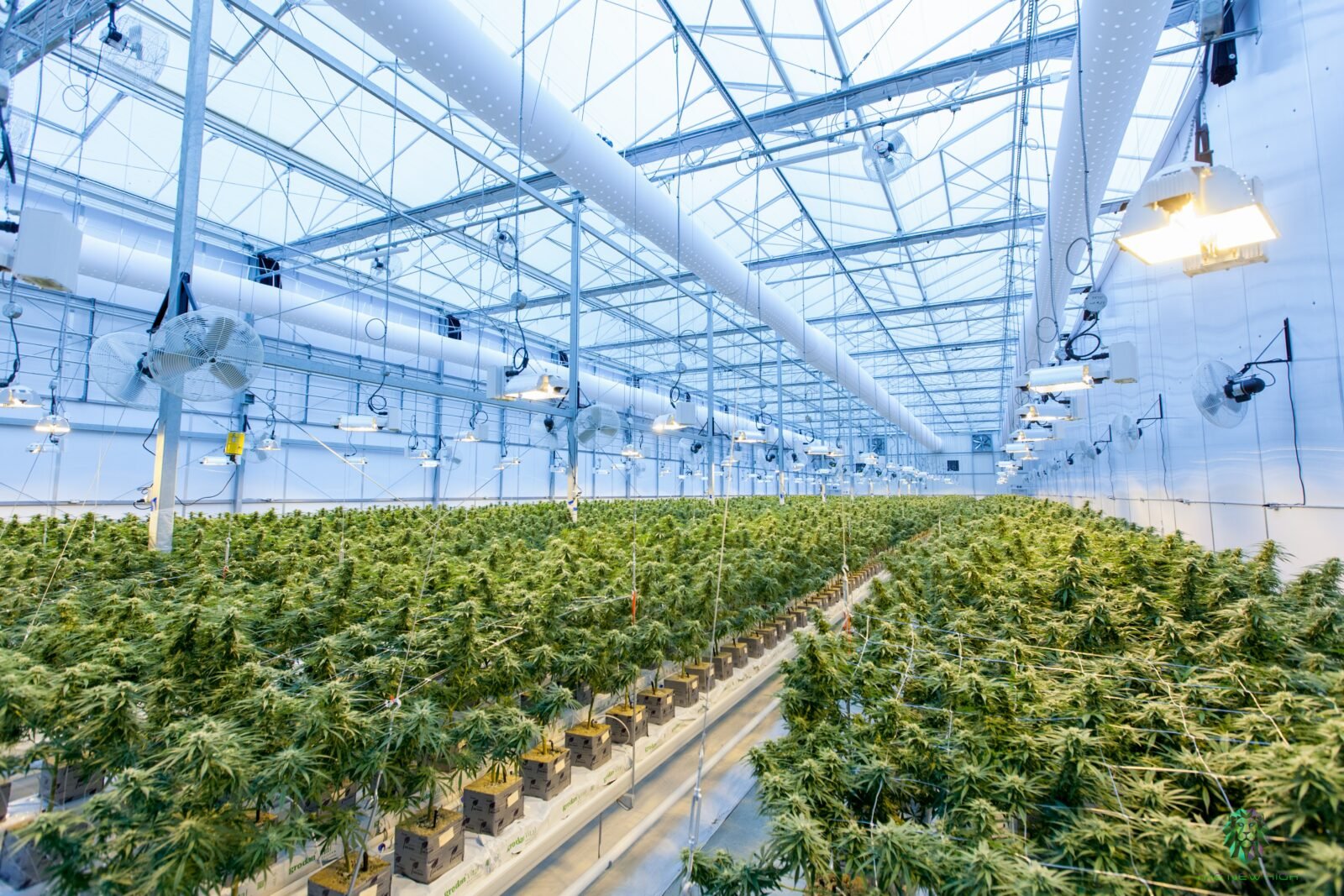
Key Highlights
- Greenhouse Retrofitting: Utilize existing structures to minimize infrastructure costs while maintaining environmental control.
- Energy Efficiency: Implement LED lighting, efficient HVAC systems, and automation to reduce operational expenses.
- Operational Optimization: Adopt smart workflow design, integrated pest management, and precision irrigation for sustainable growth.
Overview
Setting up a cost-effective large-scale cannabis cultivation operation requires strategic planning, a sound understanding of available technologies, and a strong focus on efficiency. An optimized setup balances initial capital investment with recurring operational costs, ensuring long-term profitability. This comprehensive guide outlines the most efficient methods based on current industry standards, technological advances, and sustainable practices.
Facility Types and Infrastructure
Indoor, Outdoor, and Greenhouse Considerations
Selecting the right facility type is the first step in ensuring cost efficiency. There are three main cultivation methods:
Indoor Cultivation
Indoor cultivation provides precise environmental control but comes with high costs related to lighting, HVAC systems, and infrastructure. Although it offers year-round production and reduced environmental dependency, these benefits come at a premium.
Outdoor Cultivation
Leveraging outdoor environments minimizes energy expenditures since natural sunlight is used. However, this method is highly weather-dependent, limits strain selection, and may encounter regulatory obstacles. Outdoor setups are best suited for regions with favorable climates and appropriate legal frameworks.
Greenhouse Cultivation
Greenhouses present a middle-ground option. By retrofitting existing greenhouses, growers can significantly lower the initial capital expenditure and operational costs. Greenhouses combine the low operational costs of outdoor growing with the environmental controls typically associated with indoor systems. Retrofitting is particularly attractive, as it leverages pre-existing infrastructure, reducing both energy needs and construction costs.
Retrofitting Existing Structures
Utilizing available structures minimizes the upfront investment compared to building new facilities. By repurposing existing greenhouses:
- Infrastructure such as framing, insulation, and basic climate controls are already in place.
- Customization for cannabis-specific requirements is often less capital-intensive.
- Certain facilities even allow the retention of existing staff and logistics processes, further reducing costs.
Energy Efficiency and Lighting Solutions
LED Grow Lights
Energy consumption is one of the highest operational expenses in any cultivation facility. Investing in energy-efficient LED grow lights can lead to the following benefits:
- Reduced Electricity Consumption: LEDs use a fraction of the energy consumed by HID or other traditional lighting systems, leading to lower operational costs.
- Longevity: LED systems are designed with longer lifespans, which translates to fewer replacements and reduced maintenance.
- Consistent Light Spectrum: LEDs provide a tailored spectrum that enhances photosynthesis and can lead to improved yields.
Energy-Efficient HVAC and Environmental Controls
Large-scale operations require significant climate control to maintain ideal growing conditions. Energy-efficient HVAC systems are critical in balancing temperature and humidity, ensuring plant health while reducing energy expenditures:
- Modern HVAC Units: These units utilize smart controls and sensors, optimizing energy use based on real-time feedback.
- Automation: Automated systems for temperature and humidity regulation can reduce the labor required for manual adjustments and improve consistency across all grow areas.
Integrating Renewable Energy Sources
In addition to relying on energy-efficient technologies, integrating renewable energy sources such as solar panels can further cut operational costs. Incentive programs and rebates in many regions support such investments, making renewable energy an attractive option for further cost reductions.
Operational Efficiency and Automation
Workflow Optimization
Efficiency in movements and layout design is paramount in large-scale cannabis operations. Optimized workflows not only reduce labor costs but also contribute to healthier plants:
- Strategic Layout: Design the facility in a manner that minimizes travel distances for workers and streamlines maintenance, harvesting, and packaging procedures.
- Flexible Design: Adaptable infrastructure allows for adjustments as operations scale up. This flexibility is essential to maximize space utilization and adapt to evolving market demands.
Irrigation and Nutrient Delivery Systems
Optimized water and nutrient management reduces waste and ensures that plants receive precise amounts of resources they need:
- Drip Irrigation: Delivering water directly to the root zone, drip systems significantly reduce water waste and help maintain consistent moisture levels.
- Hydroponics: These systems provide an alternative by circulating nutrient-rich solutions directly to the roots, potentially increasing growth rates and yields. Hydroponics requires careful management but can be highly efficient when scaled correctly.
- Automation and Monitoring: Automated systems with calibrated sensors ensure that water and nutrient delivery is performed consistently. This minimizes human error and optimizes resource utilization over large areas.
Integrated Pest Management (IPM)
Preventing pest infestations is key to maintaining crop health without resorting to heavy chemical usage. Implementing an IPM program saves costs related to pesticide use while preserving yield quality:
- Regular Monitoring: Routine checks in the field or facility help in early detection of infestations.
- Cultural Practices: Techniques like crop rotation and maintaining optimal moisture levels help reduce pest risks.
- Biological Controls: Introducing natural predators reduces the reliance on chemical pesticides, lowering long-term costs.
Cost Breakdown and Equipment Investment
Initial Investment Costs
Large-scale operations typically involve significant upfront expenditures. However, effective planning and strategic investments can minimize these costs:
- Infrastructure: Retrofitting greenhouses or existing buildings drastically reduces capital outlay compared to constructing new indoor grow rooms. Costs can be as low as $50 per square foot in optimized greenhouse setups.
- Lighting Equipment: Bulk purchasing of energy-efficient LED grow lights and accredited lighting systems (such as models with ETL and DLC certifications) can secure rebates and long-term energy savings.
- Climate and Automation Systems: Investing in integrated HVAC, irrigation, and automated control systems might have a higher initial cost but will yield cost savings in operational expenses.
Operational Costs
Recurring costs include energy, labor, maintenance, and nutrients. Efficient operational strategies can reduce these costs significantly:
- Energy Bills: Upgraded LED and HVAC systems reduce electricity consumption. Investing in energy monitoring equipment can further optimize usage.
- Labor: Automation in tasks like irrigation, nutrient delivery, and environmental monitoring can reduce personnel requirements while increasing consistency in operations.
- Water and Nutrients: Using cost-effective mediums such as soil-based growing or organic nutrient sources, along with smart irrigation systems, can ensure stable and minimal recurring costs.
Example Cost Table
| Component | Estimated Cost Range | Notes |
|---|---|---|
| Facility Retrofitting (Greenhouse) | $50 - $100 per square foot | Lower initial cost compared with new indoor builds |
| LED Grow Lights | Varies (bulk discounts available) | Energy savings and long lifespan |
| HVAC & Automation Systems | $75 - $150 per square foot | Energy efficiency and controlled environmental parameters |
| Irrigation System (Drip/Hydroponic) | $2,000 - $10,000 | Depends on the scale and automation level |
| Integrated Pest Management Setup | $500 - $5,000 | Ongoing costs for biological controls and monitoring |
Strategic Considerations for Success
Scalability and Flexibility
An effective large-scale operation is designed to expand easily. Scalability is achieved through dynamic facility layouts and modular systems:
- Modular Infrastructure: Design systems that allow for incremental additions. This flexibility avoids costly overhauls when expanding capacity.
- Space Optimization: Techniques such as vertical farming or tiered grow systems maximize yield per square foot, reducing the cost per gram of production.
- Automation Systems: Modular automation systems that control irrigation, lighting, and climate can be expanded to new zones with minimal additional labor.
Sustainability and Long-Term Planning
Beyond initial cost savings, understanding the long-term return on investment is essential. Sustainability should be at the forefront:
- Organic and Regenerative Practices: Utilizing organic soil amendments and sustainable nutrient sources can reduce dependency on expensive chemical products.
- Long-Term Equipment Reliability: Selecting equipment with certified energy quality ratings (ETL, DLC) ensures reliability and eligibility for rebates.
- Innovation and Ongoing Research: Collaborate with industry experts to stay updated on the latest trends in agricultural technology, allowing continuous improvement in cost-efficiency.
Technology Integration in Large-Scale Operations
Automation and Remote Monitoring
Automation technologies are at the core of reducing labor costs and ensuring crop consistency. Remote monitoring tools, coupled with data analytics, can significantly optimize operations:
- Smart Sensors: Deploy sensors that monitor temperature, humidity, CO2 levels, and soil moisture. These sensors integrate with automation systems to adjust environmental parameters in real time.
- Data Analytics: Collect and analyze data to predict trends, optimize resource allocation, and bolster yield outcomes. This data-driven approach results in informed decision-making while reducing waste.
- Automated Nutrient Delivery: Precision controls for nutrient mixing and distribution reduce guesswork and ensure the plants receive the exact requirements for maximized growth.
Sustainable Process Enhancements
In addition to automation, several sustainable process enhancements contribute to cost-effectiveness:
- Integrated Systems: Linking HVAC, lighting, and irrigation systems under a unified management platform allows for holistic optimization of all parameters.
- Renewable Energy Integration: Coupling renewable energy sources with automated systems can dramatically lower energy expenses over time, particularly if supplemented by local utility incentives or rebates.
- Scheduled Maintenance: An automated scheduling for equipment maintenance prevents costly breakdowns and prolongs the lifespan of high-value assets.
Economic Analysis and Risk Management
Cost-Benefit Analysis
Performing a detailed cost-benefit analysis is crucial before embarking on a large-scale setup. Take into account:
- Initial Capital Expenditure vs. Long-Term Savings: Weigh the upfront costs of infrastructure and technology against projected savings in energy, labor, and maintenance.
- Market Fluctuations: Consider market trends and regulatory changes that can impact operational cost and revenue streams. Diversifying risk with adaptable strategies and partnerships can mitigate market uncertainties.
- Downstream Revenue: Analyze yield projections against investment in equipment such as LED lighting and automation systems to ensure that each component supports a profitable operation.
Risk Mitigation Strategies
A robust risk mitigation approach includes:
- Regulatory Compliance: Stay informed about local and national cannabis laws to prevent costly legal disputes or forced operational changes.
- Insurance: Secure adequate insurance coverage for both property and operational risks. This minimizes the financial impact of unforeseen events.
- Diversification: Consider diverse cultivation methods within the same facility (e.g., combining greenhouse and vertical farming techniques) to hedge against climate or market risks.
Case Studies and Real-World Implementations
Successful Greenhouse Conversion Examples
Many large-scale cannabis operations have shifted to retrofitting greenhouses formerly used for other agricultural purposes. These studies consistently highlight:
- Reduction in Capital Expenditure: Greenhouse conversions can be achieved at a fraction of the cost of building an indoor facility from scratch.
- Operational Flexibility: Facilities repurposed for cannabis cultivation often come with existing staff and regional agricultural expertise, both of which smooth the transition and help maintain consistent production outputs.
- Energy and Cost Savings: When integrated with modern LED and HVAC technology, these converted facilities enjoy significantly lower energy bills and improved overall efficiency.
Comparative Analysis of Cultivation Methods
A side-by-side comparison of indoor, outdoor, and greenhouse setups clearly shows that:
| Parameter | Indoor | Outdoor | Greenhouse |
|---|---|---|---|
| Infrastructure Cost | High | Low | Moderate |
| Energy Consumption | High (Lighting & HVAC) | Low | Moderate (Supplemental Lighting) |
| Environmental Control | Excellent | Limited | Good |
| Scalability | High with Automation | Dependent on Climate | Flexible, with Moderate Investment |
The above comparative analysis helps in making an informed decision that aligns with both the financial and operational objectives.
Conclusion
Building a cost-effective large-scale cannabis grow setup requires intelligent planning, efficient use of resources, and strategic investments. The most successful operations today combine the benefits of retrofitted greenhouse structures with advanced energy-efficient technologies and automated systems that simplify both cultivation and maintenance. By selecting cost-effective facilities, optimizing workflow, and integrating sustainable practices such as LED lighting, efficient HVAC systems, and automated irrigation, a large-scale grow can dramatically reduce both upfront capital expenses and recurring operational costs.
The key is to focus on scalability and sustainability from the start. Greenhouse conversions offer a compelling path to lower initial expenditures while providing necessary environmental controls. Coupled with smart investments in energy-saving technology and automation, businesses can maintain a profitable balance between operational efficiency and product quality. Careful risk management through regulatory adherence, insurance, and diversification ensures that even as market dynamics change, the operation remains resilient and profitable.
In summary, whether you are converting an existing greenhouse or planning a new facility, cost-effective large-scale cannabis cultivation relies on the deep integration of modern technology, efficient design principles, and long-term sustainable practices. Such an approach not only minimizes the cost per gram of production but also establishes a robust framework for continuous improvement and profitability in the rapidly evolving cannabis industry.
References
- Greenhouses Infrastructure for Cannabis Cultivation - Investing News
- Cost-Effective Cannabis Cultivation - Cannabis Fabric Pots
- Growing Techniques for Commercial Cannabis Yields - Floraflex
- Scaling a Commercial Grow - Trym
- Best LED Grow Lights - HydroBuilder
- Cost Saving Strategies for Cannabis Grows - Harvest Integrated
Recommended Queries
Last updated February 23, 2025