
Unraveling the Shadows: How Could a President Covertly Weaken the Nation?
Exploring hypothetical strategies for undermining the U.S. from within the highest office, avoiding direct detection.
Understanding the potential vulnerabilities within a democratic system is crucial for safeguarding its integrity. This exploration delves into hypothetical methods a U.S. President might employ if their goal was to weaken the nation covertly, focusing on actions designed to erode foundations without triggering immediate alarm or clear accountability.
Key Potential Strategies
- Erosion of Institutional Trust: Systematically undermining public faith in core institutions like the judiciary, media, and government agencies through persistent attacks, disinformation, and politicization.
- Manipulation and Division: Leveraging information control and divisive rhetoric to deepen societal fractures, obscure truth, and consolidate power amidst manufactured chaos or heightened polarization.
- Gradual Dismantling of Norms and Checks: Utilizing executive powers, appointments, and legislative influence to subtly weaken democratic norms, bypass checks and balances, and compromise the rule of law over time.
Tactics of Internal Undermining
A president seeking to weaken the nation from within, while avoiding direct culpability, would likely employ a multifaceted approach targeting various pillars of American society, governance, and international standing. These actions would aim for gradual erosion rather than sudden collapse, making detection and attribution more challenging.
1. Corroding Trust in Foundational Institutions
Perhaps the most insidious tactic involves systematically damaging the public's faith in the institutions designed to ensure stability, accountability, and truth.
Persistent Discreditation Campaigns
A leader could engage in sustained verbal attacks against the credibility of the free press, the judiciary, intelligence agencies, law enforcement, and even the electoral system itself. By labeling unfavorable reporting as "fake news," questioning judicial rulings, or casting doubt on election integrity without substantiated evidence, a president could foster widespread cynicism and make objective truth harder to discern. This aligns with observations on how trust erodes when official narratives clash with public experience or when leaders attack institutional legitimacy.
Politicization of Non-Partisan Bodies
Appointing loyalists lacking qualifications or holding views antithetical to an agency's mission (administrative sabotage) can cripple its effectiveness from the inside. This could apply to regulatory bodies, the Justice Department, or intelligence agencies. Promoting officials based on loyalty rather than merit further degrades institutional capacity and public trust.
2. Weaponizing Information and Division
Manipulating the information landscape and exploiting existing societal fault lines can be powerful tools for weakening a nation.
Disinformation and Propaganda
Actively disseminating or tacitly encouraging the spread of false or misleading information through official channels or allied media can confuse the public, polarize opinion, and undermine rational policy debate. This could involve distorting facts about the economy, public health crises, national security threats, or political opponents. The goal is to create an environment where citizens distrust official sources and retreat into echo chambers.
Stoking Social and Political Polarization
A president could intentionally inflame racial, economic, religious, or ideological tensions through rhetoric and policy. By framing issues in "us versus them" terms, demonizing specific groups, and rewarding division, they could weaken social cohesion and distract from governance failures or ulterior motives. This strategy aims to make cross-partisan cooperation impossible and governance dysfunctional.
3. Weakening Democratic Norms and Processes
Subtly altering the rules and norms of democratic governance can concentrate power and reduce accountability.
Eroding Checks and Balances
This involves consistently circumventing or undermining the authority of Congress and the judiciary. Tactics could include excessive use of executive orders to bypass legislation, refusing to comply with congressional subpoenas or oversight requests, challenging the legitimacy of judicial review, and ignoring court rulings.
Compromising Electoral Integrity
Actions could range from supporting legislation that restricts voting access for certain demographics to promoting baseless claims of election fraud, potentially even ignoring or downplaying foreign interference in elections. The objective is to delegitimize electoral outcomes and sow doubt about the democratic process itself.
Abuse of Executive Powers
Exploiting emergency powers for purposes beyond their intended scope, using the pardon power to shield allies from accountability for illegal actions, or directing government agencies to investigate or harass political opponents are ways a president could abuse their authority while claiming legal justification.
4. Sabotaging National Capacity and Security
Undermining the nation's ability to function effectively and protect itself is another avenue.
Strategic Inaction and Neglect
Deliberately delaying or providing inadequate responses to major crises—such as pandemics, natural disasters, economic downturns, or cyberattacks—can exacerbate their impact, erode public confidence, and weaken national resilience. This can be framed as incompetence or policy disagreement, masking intent.
Weakening Alliances and International Standing
Undermining long-standing international alliances, withdrawing from treaties, engaging in erratic foreign policy, and damaging diplomatic relationships can isolate the country, reduce its global influence, and potentially embolden adversaries.
Economic Destabilization
Implementing reckless fiscal policies, engaging in damaging trade wars without clear strategic benefit, or manipulating economic data could destabilize the economy, increase inequality, and cause widespread hardship, weakening the nation's financial foundation.
Ignoring Critical Infrastructure Needs
Downplaying or failing to invest in crucial areas like cybersecurity, physical infrastructure, or pandemic preparedness leaves the nation vulnerable to disruption and attack.
Visualizing the Potential Impact
To better understand the potential ramifications across different societal domains, the following chart estimates the hypothetical impact level of various covert undermining strategies. The impact is rated on a scale where higher numbers indicate a more severe potential effect, based on the synthesis of potential actions discussed.
This visualization suggests that tactics like information manipulation and institutional sabotage could have pervasive and high-impact effects across multiple domains, particularly damaging public trust and democratic norms. Exploiting divisions strongly impacts social cohesion, while economic destabilization and weakening alliances target financial stability and national security more directly, though all strategies have interconnected consequences.
Mapping the Strategies of Covert Undermining
The interconnected nature of these potential actions can be visualized through a mindmap, illustrating how different tactics branch out from core strategies aimed at weakening the nation from within.
(Race, Class, Ideology)"] ["Create 'Us vs. Them' Narratives"] ["Weaken Democratic Norms"] ["Circumvent Checks & Balances"] ["Expand Executive Power"] ["Abuse Emergency Powers"] ["Use Pardons Politically"] ["Restrict Voting Access"] ["Sabotage National Capacity"] ["Strategic Inaction in Crises"] ["Damage International Alliances"] ["Implement Harmful Economic Policies"] ["Neglect Critical Infrastructure
(Cybersecurity, Health)"] ["Misuse Military/Law Enforcement"]
This mindmap highlights the central goal and breaks it down into major strategic categories. Each category further branches into specific actions a president might hypothetically take to achieve the objective covertly, showing the complexity and potential breadth of such an effort.
Comparing Undermining Tactics
To provide a clearer overview, the table below outlines some of the key tactics discussed, their potential mechanisms of action, possible indicators (though often ambiguous in isolation), and the primary areas they might affect.
| Tactic | Mechanism | Potential Indicators | Primary Affected Areas |
|---|---|---|---|
| Administrative Sabotage | Appointing unqualified/opposed leaders; Budget cuts; Policy rollbacks. | Agency dysfunction; Resignations of career officials; Failure to enforce regulations. | Government Effectiveness, Public Services, Rule of Law |
| Disinformation Campaigns | Spreading false narratives; Amplifying conspiracy theories; Attacking factual reporting. | Increased polarization; Decline in trust in media/experts; Difficulty in consensus building. | Public Trust, Social Cohesion, Democratic Discourse |
| Erosion of Checks & Balances | Ignoring congressional oversight; Defying judicial orders; Expanding executive authority. | Increased executive actions bypassing Congress; Public clashes with judiciary; Weakened oversight effectiveness. | Separation of Powers, Rule of Law, Accountability |
| Politicization of Justice | Pressuring Justice Dept. for political ends; Pardoning allies for loyalty; Attacking prosecutors/judges. | Selective prosecutions/investigations; Controversial pardons; Loss of public faith in legal system. | Rule of Law, Justice System Integrity, Public Trust |
| Weakening Alliances | Withdrawing from treaties; Criticizing allies; Unpredictable foreign policy shifts. | Strained diplomatic relations; Loss of international influence; Increased global instability. | National Security, International Standing, Economic Relations |
| Economic Manipulation | Harmful trade policies; Pressure on central bank; Reckless fiscal spending/cuts. | Economic instability; Increased national debt; Trade disputes; Industry decline. | Economic Stability, Public Welfare, International Trade |
| Undermining Elections | Promoting fraud claims; Supporting voter restrictions; Downplaying foreign interference. | Decreased voter confidence; Legal challenges to results; Increased partisan battles over election laws. | Democratic Legitimacy, Public Trust, Political Stability |
This table illustrates that these hypothetical tactics often have overlapping effects, cumulatively weakening the nation's democratic foundations, social fabric, economic health, and security.
American Democracy Under Threat: Insights and Analysis
The hypothetical scenario explored here touches upon real-world concerns about democratic backsliding and the erosion of institutional norms, issues discussed globally and within the United States. Understanding these potential threats is vital for maintaining a resilient democracy. The following video from the Brookings Institution features experts discussing democratic decline in the U.S. and potential ways to protect democratic institutions.
This discussion highlights the importance of strong institutions, adherence to democratic norms, and an informed citizenry in resisting efforts, whether overt or covert, intentional or unintentional, that could weaken democratic structures. It underscores that threats can emerge from within, emphasizing the need for vigilance and robust checks and balances.
Symbols of Neglect: The Cost of Institutional Decay
While the actions discussed are hypothetical maneuvers within the political and administrative sphere, the long-term consequences of institutional neglect and decay can sometimes manifest in more tangible ways. The physical state of government infrastructure can, in some cases, serve as a visual metaphor for the health of the institutions themselves. Below are images depicting abandoned or decaying government buildings, reminders of the importance of maintaining not just the functions but also the integrity and perceived value of public institutions.
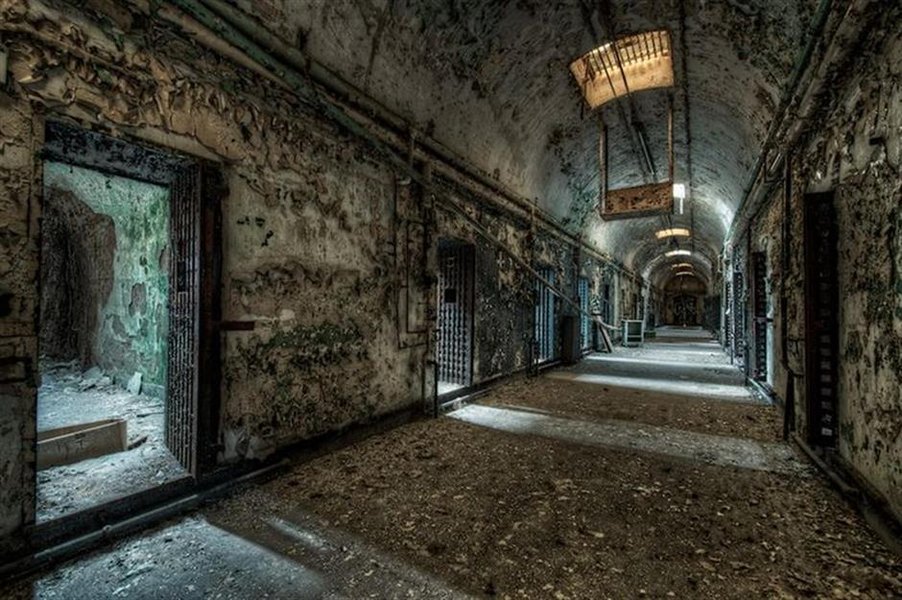
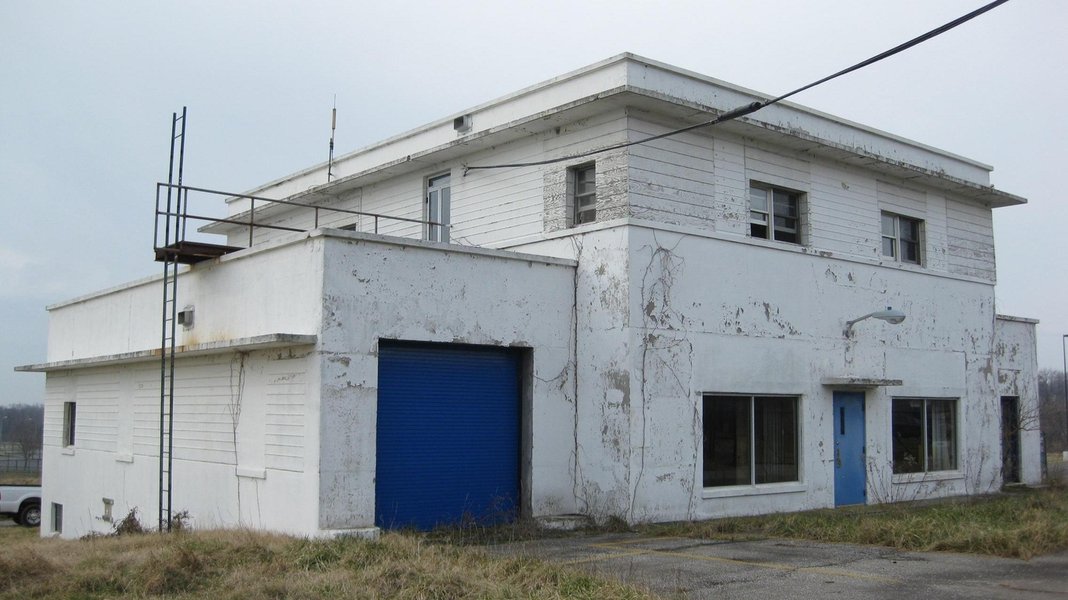
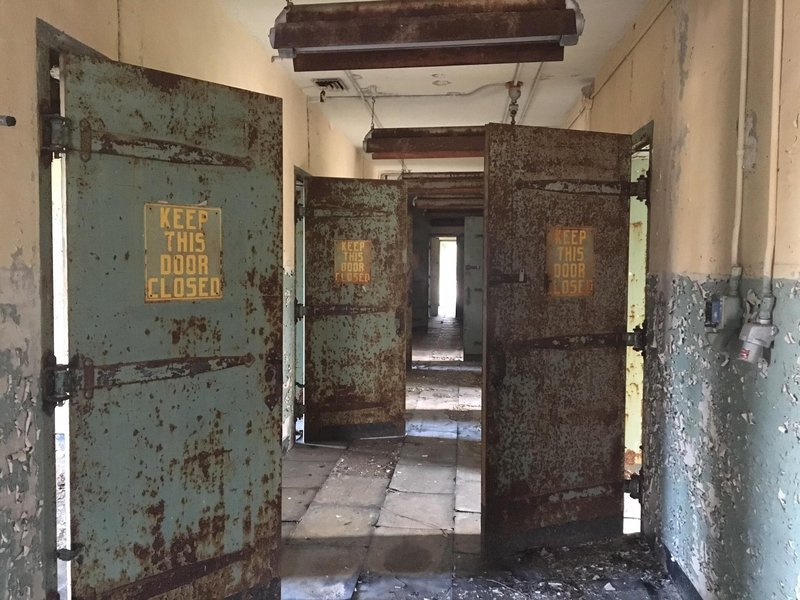
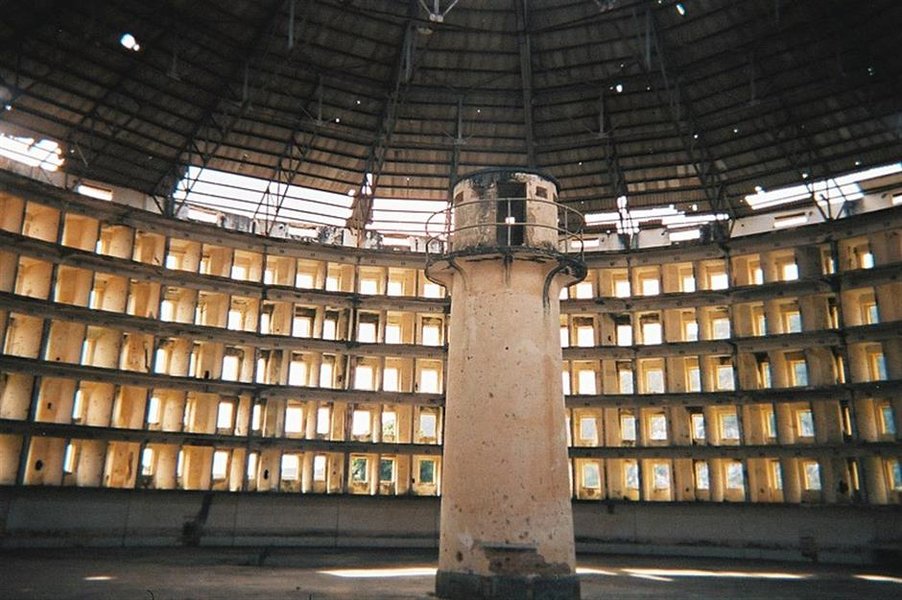
These images serve as stark reminders that neglect, whether through lack of funding, shifting priorities, or deliberate sabotage, can lead to the erosion of public assets and, symbolically, the institutions they represent. Maintaining robust, functional, and respected institutions requires continuous investment, vigilance, and commitment to their core missions.
Frequently Asked Questions (FAQ)
What are the primary safeguards against such covert undermining?
The U.S. system has several built-in safeguards:
- Checks and Balances: The separation of powers among the Executive, Legislative (Congress), and Judicial branches is designed to prevent any one branch from becoming too powerful. Congress has oversight, impeachment, and legislative powers. The Judiciary can review executive actions and laws.
- Free Press: An independent media plays a crucial role in investigating and reporting on government actions, holding leaders accountable.
- Civil Service: Career officials in government agencies often provide continuity and expertise, potentially resisting politically motivated directives that contradict law or mission.
- Civil Society and Public Opinion: Active citizen engagement, advocacy groups, and public awareness can exert pressure on leaders and demand accountability.
- Elections: Ultimately, the public can hold a president accountable through elections.
However, these safeguards rely on adherence to norms and can be weakened if systematically attacked or circumvented.
How could citizens recognize these covert tactics?
Recognizing covert tactics can be difficult because they are designed to be subtle or deniable. However, potential warning signs might include:
- Persistent attacks on the credibility of independent institutions (courts, media, non-partisan government bodies).
- Increased use of rhetoric that dehumanizes opponents or deepens social divisions.
- A pattern of appointing loyalists over qualified experts to key positions.
- Frequent attempts to bypass or obstruct congressional oversight or judicial review.
- The spread of disinformation from official or closely allied sources.
- Actions that consistently seem to weaken the country's long-term interests or international standing, even if presented with other justifications.
- A decline in government transparency and accountability.
It requires critical media consumption, awareness of historical patterns of authoritarianism, and attention to actions rather than just words.
Could Congress or the Judiciary effectively stop a President determined to undermine the country?
Congress and the Judiciary possess significant tools. Congress can conduct investigations, hold hearings, pass legislation to counter executive actions, control funding, and ultimately impeach and remove a president for "Treason, Bribery, or other high Crimes and Misdemeanors." The Judiciary can declare executive actions unconstitutional or illegal.
However, the effectiveness of these tools depends on several factors:
- Political Will: Particularly for impeachment, significant political consensus is usually required, which can be difficult in a polarized environment.
- Compliance: The system relies on the executive branch respecting judicial rulings and congressional subpoenas. Non-compliance poses a significant challenge.
- Speed: Legal and legislative processes can be slow, potentially allowing damage to accumulate before countermeasures take effect.
- Judicial Appointments: A president can influence the judiciary over time through appointments, potentially making it more sympathetic to their actions.
While powerful, these checks are not foolproof, especially against a leader willing to systematically challenge institutional norms.
What role does misinformation play in this scenario?
Misinformation and disinformation are critical tools in any covert effort to undermine a democracy. Their roles include:
- Eroding Trust: By flooding the information space with falsehoods, it becomes harder for citizens to trust any source, including legitimate media and government institutions.
- Deepening Polarization: False narratives often target specific groups or exploit existing prejudices, driving wedges deeper into society and making cooperation difficult.
- Distracting from Real Issues: Spreading sensational or false stories can distract public attention from substantive policy failures or abuses of power.
- Justifying Anti-Democratic Actions: Fabricated crises or threats can be used as pretexts for expanding executive power, limiting civil liberties, or attacking opponents.
- Undermining Elections: False claims about voting fraud or manipulation can erode faith in the democratic process itself.
Controlling or manipulating the information environment is often a prerequisite or parallel strategy for undermining democratic institutions and norms.
References
- As provinces open up, trust erodes when what we experience differs from what institutions tell us - The Conversation
- The political scar of epidemics: Why COVID-19 is eroding young people’s trust - LSE Research
- Decay or Erosion? The Role of Informal Institutions in Challenges Faced by Democratic Judiciaries - Cambridge Core
- Democracy and Covert Action - Federation of American Scientists
- Manipulating Social Media to Undermine Democracy - Freedom House
- Disinformation campaigns are undermining democracy - Alliance for Science
- The Authoritarian's Playbook - The GroundTruth Project
- Emergency Powers System is Vulnerable to Executive Abuse - Brennan Center for Justice
Recommended Reading
Last updated April 5, 2025