
Impacts of COVID-19 on Counsellors and Social Workers
Exploring Emotional Hardships, Ethics, Techniques, and Service Challenges
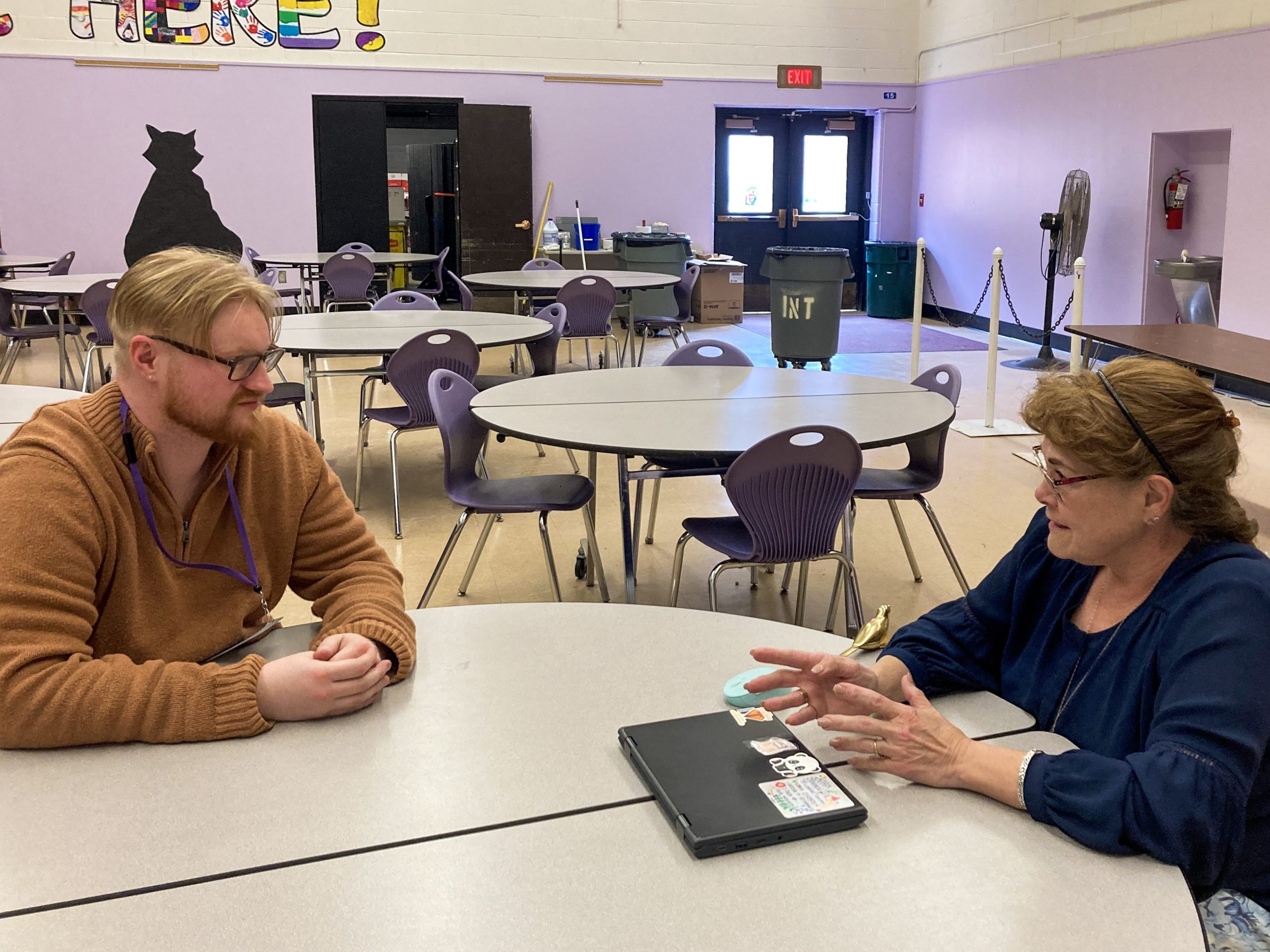
Key Highlights
- Emotional Hardships: Both practitioners and clients experienced pronounced stress, anxiety, burnout, and trauma stemming from the pandemic’s unprecedented conditions.
- Ethical Considerations: Upholding core ethical principles such as autonomy, non-maleficence, beneficence, justice, and cultural competence was central to adapting services.
- Intervention Techniques: A multi-level approach—spanning micro, mezzo, and macro levels—was critical to mitigating the pandemic's effects on individual and community mental health.
Emotional Hardships Experienced During the COVID-19 Pandemic
For Counsellors and Social Workers
The COVID-19 pandemic brought with it a multitude of stressors that deeply affected the mental and emotional well-being of counsellors and social workers. These frontline professionals experienced overwhelming work pressure, and the sudden need to adapt to rapidly changing circumstances led to heightened levels of burnout. Frequent transitions to telehealth modalities, adapting to continuously evolving guidelines, and managing personal fears of contracting the virus contributed to a sense of emotional overload.
Key Sources of Stress for Professionals
Counsellors and social workers were thrust into challenging working conditions where the emotional toll was multifaceted:
- Burnout and Compassion Fatigue: Extended work hours and increased caseloads led many professionals to experience physical and emotional exhaustion, commonly labeled as burnout. Compassion fatigue also emerged, characterized by the diminished capacity to empathize due to prolonged exposure to clients' distress.
- Secondary and Vicarious Trauma: Constant exposure to traumatic narratives—ranging from clients’ grief over lost loved ones to intense experiences of isolation—resulted in symptoms similar to post-traumatic stress disorder (PTSD) among practitioners.
- Moral Distress: Practitioners faced ethical quandaries when resource limitations and safety protocols impeded their ability to offer the full spectrum of care. This moral distress was aggravated by the need to balance self-protection with professional responsibilities, often leaving professionals feeling conflicted and isolated.
- Adaptation to Digital Platforms: The rapid shift to online counselling introduced new challenges regarding maintaining professional boundaries, confidentiality concerns, and a loss of non-verbal engagement cues, further exacerbating stress levels.
For Clients and Counselees
Clients also experienced significant emotional hardship during the pandemic. Isolation, economic instability, and the fear of COVID-19 manifested as increased anxiety and depression among many individuals. The resulting social isolation from physical distancing and reduced community engagement produced feelings of loneliness and vulnerability. Moreover, clients encountered practical issues, such as job losses or reduced incomes, which directly contributed to mental health challenges.
Emotional Reactions Observed in Clients
- Anxiety and Depression: Heightened uncertainty and fears about health and financial stability led to noticeable increases in anxiety and depression among many clients.
- Post-Traumatic Stress: Experiencing or witnessing severe illness, death, and isolation contributed to symptoms akin to PTSD for a significant number of individuals.
- Substance Abuse and Escalating Violence: In some cases, the compounded stress and isolation fostered environments where substance abuse and instances of domestic violence increased, calling for urgent counselling interventions.
- Digital Disengagement: The shift to online therapy sometimes alienated clients who were less placed to adapt to or afford digital tools, further isolating vulnerable individuals.
Application of Ethics and Values in Social Work During the Pandemic
Upholding Professional Values in Extraordinary Times
During the COVID-19 pandemic, the application of ethics and values in social work was of paramount importance. Practitioners had to reassess and often relegate established norms to adjust interventions in an environment that was unfolding in real time. Ethics in social work involve a commitment to core values such as respect for client autonomy, beneficence, non-maleficence, justice, and cultural competence.
Core Ethical Principles in Practice
| Ethical Principle | Description | Application During COVID-19 |
|---|---|---|
| Autonomy | Respecting clients’ rights to make informed decisions about their care. | Ensuring clients had consent and clear information about new online processes and offering choices between digital and face-to-face services when possible. |
| Non-Maleficence | Do no harm to the client. | Balancing the safety protocols with therapeutic needs, ensuring that remote counselling did not lead to breaches in confidentiality or other inadvertent harms. |
| Beneficence | Acting in the best interest of the client. | Proactively adapting services to support heightened mental health challenges and ensuring that interventions maximized client benefit despite constraints. |
| Justice | Ensuring fairness and equitable access to services. | Advocating for and adjusting delivery methods to reach underserved populations facing digital divides. |
| Cultural Competence | Understanding and responding appropriately to cultural contexts. | Customizing support approaches to meet the diverse needs of clients, recognizing that the impact of the pandemic was not uniform across different communities. |
This ethical framework required social workers and counsellors to continuously deliberate on decisions and engage in collaborative discussions with colleagues to ensure that even under stress, professional conduct remained uncompromised. Practitioners were also encouraged to evaluate how exhaustion might impair decision-making, and support mechanisms were put in place to help reconcile personal and professional ethical obligations.
Micro, Mezzo, and Macro Techniques to Mitigate the Impacts of COVID-19
Intervention Techniques at Different Levels
Social work and counselling responses during the pandemic were effectively guided by three levels of intervention strategy: micro, mezzo, and macro. Each level targeted different groups and utilized tailored techniques to address the individual, community, and systemic impacts of the pandemic.
Micro-Level Interventions
At the micro level, the focus was on the individual. Counsellors and social workers engaged directly with clients to manage personal mental health challenges influenced by the pandemic. Techniques included:
- Individual Therapy: Personalized therapy sessions, often conducted via secure video conferencing, focused on helping clients navigate anxiety, depression, and grief.
- Family Counselling: In response to increased family tensions and isolation, practitioners provided family or couples counselling to improve communication and strengthen support structures among family members.
- Self-Care and Coping Mechanisms: Encouraging clients to establish routines and adopt self-care practices such as mindfulness, exercise, and structured daily activities to manage stress and promote mental resilience.
- Direct Crisis Intervention: Rapid response to acute mental health crises brought on by the pandemic, ensuring timely support and facilitating referrals to additional services when needed.
Mezzo-Level Interventions
At the mezzo level, social workers extended their interventions to small groups and communities, facilitating broader support and reducing the isolation reported by many. Key interventions comprised:
- Group Therapy Sessions: Virtual group discussions and support groups allowed individuals to share their experiences, build community support, and reduce feelings of isolation.
- Community Engagement and Network Formation: Efforts were made to form local community watch groups, organize online social events, and create networks for parents navigating home-schooling challenges.
- Collaboration with Local Organizations: Social workers partnered with community resource centers and non-profits to provide a continuum of care, ensuring that the broadened needs of at-risk populations were met.
- Interdisciplinary Teams: Professionals across disciplines, from mental health to public health, joined forces to deliver comprehensive care and share best practices to manage COVID-19 related challenges.
Macro-Level Interventions
Macro-level strategies addressed the systemic and policy-oriented issues that the pandemic exposed. These interventions sought long-term changes beneficial to entire communities and systems:
- Policy Advocacy: Social workers played a significant role in advocating for improved public health policies, increased mental health funding, and better accessibility to services, particularly for underserved communities.
- Public Awareness Campaigns: Initiatives aimed at reducing mental health stigma and promoting awareness about available counselling service options were essential in encouraging individuals to seek help.
- Systemic Change Initiatives: Efforts were directed towards reforming service delivery models to bridge digital divides—ensuring that low-income, rural, or marginalized communities received equitable care.
- Research and Data Collection: Macro-level work also involved gathering and analyzing data on pandemic-related mental health trends, which then informed policy and program development to address long-standing inequalities within the mental health system.
Combining these multiple intervention levels allowed counsellors and social workers to provide tiered and effective support. This approach not only addressed immediate individual needs but also catalyzed systemic shifts to better handle public health crises in the future.
Issues Encountered in Service Provision During COVID-19
Practical and Ethical Obstacles in Adapting Services
The transition brought about by the COVID-19 pandemic revealed substantial challenges that practitioners had to overcome in order to continue providing high-quality services. These complex issues spanned the spectrum from operational difficulties to severe ethical dilemmas:
Operational Challenges
- Telehealth Implementation: The rapid shift to digital platforms meant that many practitioners were unprepared for the technical and logistical demands of online counselling. Issues such as secure communication, maintaining confidentiality, and managing technical failures were recurring problems.
- The Digital Divide: Not all clientele had equal access to the necessary technology. Lower-income clients or those living in areas with insufficient internet connectivity were particularly disadvantaged, making it harder to benefit from telehealth services.
- Adapting to New Protocols: Changes in health protocols—including the use of personal protective equipment (PPE) during in-person sessions—created barriers to traditional therapeutic practices reliant on non-verbal cues and physical presence.
- Increased Demand: With mental health issues on the rise due to pandemic stress, practitioners experienced a surge in client numbers, intensifying workloads and exacerbating already high levels of burnout.
Ethical Challenges
- Maintaining Professional Boundaries: With work and personal lives overlapping due to remote work settings, there was a heightened risk of blurred boundaries between professional and personal interactions, raising concerns regarding the appropriate management of therapist-client relationships.
- Resource Constraints: Shortages in critical resources, such as PPE and technological support, forced practitioners to make difficult choices that sometimes compromised their ability to adhere to standard ethical practices without jeopardizing client care.
- Ensuring Equitable Care: Practitioners had to constantly balance the ethical commitment to justice (fair access to services) with the reality of limited resources, ensuring that marginalized communities received adequate attention.
- Managing Moral Distress: The pressure of quickly adapting practices while simultaneously bearing witness to the suffering of clients led to experiences of moral distress, further impacting decision-making processes and leading to personal and professional strain.
Integration of Solutions and Collaborative Efforts
To navigate these challenges, social workers and counsellors engaged in active problem-solving and collaboration. Peer support networks were established to share insights and coping strategies; interdisciplinary coordination helped create comprehensive care plans; and advocacy for more robust funding ensured that infrastructural investments were prioritized. These collaborative efforts remained crucial in addressing both technological adequacies and ethical responsibilities during an unprecedented global crisis.
References
- The Role of Social Workers During COVID-19 - Social Work Guide
- COVID-19 Resources - NASW
-
Impacts on Mental Health Professionals - PMC
- Ethical Challenges for Social Workers During COVID-19 - IFSW
- Social Workers in the Corona Virus Pandemic - Yeshiva University
Recommended Related Queries
Last updated March 7, 2025