
Was the COVID-19 Virus a Leak from a Lab in China?
An in-depth analysis of competing theories and scientific findings
Key Takeaways
- Competing Theories: While some intelligence assessments and political narratives have suggested that a laboratory accident in China might have initiated the outbreak, the extensive body of scientific evidence currently favors a natural zoonotic origin.
- Evidence Basis: Genetic, epidemiological, and environmental studies indicate that SARS‑CoV‑2 likely emerged via natural transmission from animal hosts, though isolated arguments regarding laboratory mishaps persist without conclusive data.
- Ongoing Investigations: Both theories continue to spur rigorous international investigations and calls for transparency. Future research and improved data access remain essential to resolve remaining uncertainties.
Introduction
The genesis of the SARS‑CoV‑2 virus which caused the COVID‑19 pandemic has been a subject of intense debate and investigation since its initial outbreak in late 2019. Two primary hypotheses have emerged: one asserting that the virus originated naturally through zoonotic spillover, and the other proposing that it might have leaked from a laboratory setting in China. While discussions within intelligence circles and certain political narratives have occasionally lent some credence to the lab leak hypothesis, most scientific research and epidemiological studies have consistently pointed toward a natural origin. This comprehensive analysis examines the weight of available evidence, contrasting viewpoints, and ongoing investigative efforts surrounding the origins of COVID‑19.
Historical Context and Early Outbreak Dynamics
Outbreak and Early Clues
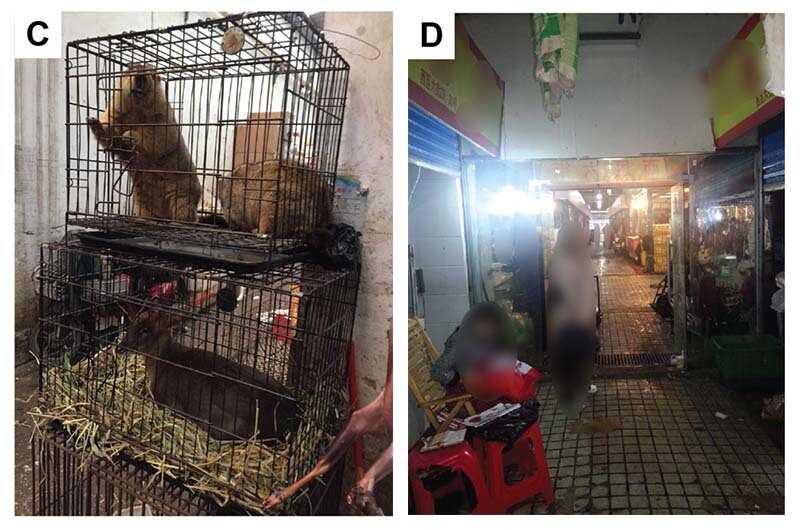
Soon after the initial identification of COVID‑19 in Wuhan, China, epidemiologists traced many early cases to a seafood market known as the Huanan Seafood Market. This market, which traded in live wild animals as well as seafood, became a focal point for investigations due to its potential role as a site of zoonotic transmission. Several environmental and genetic studies conducted in the early months of the outbreak highlighted associations between the virus and the animal species present at the market, suggesting that viral evolution from a wildlife reservoir to human hosts was likely.
Epidemiological Patterns
Mapping the spread of the virus revealed clusters of infections that were strongly tied to interactions with animals. Epidemiological data underscored that many patients had either visited the market or lived in close proximity to areas where wildlife was in regular contact with humans. These findings, coupled with subsequent genetic sequencing of viral samples, strongly support the notion that the virus jumped species—a process well documented in other zoonotic outbreaks. The towns and communities around the market provided further clues that a natural spillover occurred rather than one linked to laboratory settings.
Exploring the Lab Leak Hypothesis
Overview of the Lab Leak Argument
The lab leak hypothesis suggests that the virus may have accidentally escaped from a high-security laboratory, such as the Wuhan Institute of Virology, where research on coronaviruses was underway. Proponents of this theory highlight several points: the geographical proximity of the laboratory to the outbreak's epicenter, reports of experimental research aimed at understanding viral infectivity (sometimes involving modifications such as the insertion of a furin cleavage site), and concerns regarding biosafety protocols in some research facilities. These factors have led to speculation that an accidental exposure might have triggered the initial human infections.
Intelligence and Political Assessments
Some intelligence agencies have issued assessments indicating that a lab-related accident is a possibility—albeit with low confidence. These assessments are largely based on the combination of the laboratory’s research profile and the proximity of early cases to major research centers. However, such intelligence findings are often qualified by the lack of direct evidence and have been accompanied by caveats regarding their overall certainty. In addition, the lab leak theory has sometimes been amplified by political agendas, serving as a tool in geopolitical debates that complicate an impartial scientific discussion.
Examination of Laboratory Protocols
Investigations into the practices at several Chinese laboratories, including reviews of biosafety measures and operational protocols, have not provided conclusive evidence of an accidental viral release. Although laboratory accidents have occurred elsewhere in history, meticulous inspections of laboratory records, documentation of safety practices, and retrospective analyses have so far failed to substantiate a direct link between any known laboratory breach and the emergence of COVID‑19.
Natural Zoonotic Origin Hypothesis
Scientific Evidence for Zoonotic Spillover
Extensive scientific research reinforces the theory that SARS‑CoV‑2 evolved through natural processes. Genetic comparisons have revealed a striking similarity between SARS‑CoV‑2 and other coronaviruses known to circulate in bat populations, suggesting that bats are likely the original reservoir species. Furthermore, the identification of intermediary hosts—such as raccoon dogs, palm civets, and other wildlife—is supported by environmental sampling and genomic data. Wildlife markets, particularly the one in Wuhan, have yielded samples that show close resemblances with the virus, supporting the notion of zoonotic spillover—the process whereby a virus passes from animals to humans.
Methods of Tracing Viral Evolution
Advanced genetic sequencing has played a critical role in reconstructing the evolutionary trajectory of SARS‑CoV‑2. Researchers have compared viral genomes and mapped single nucleotide polymorphisms that underscore the natural mutation processes characteristic of zoonotic diseases. Moreover, phylogenetic analyses have illustrated how genetic divergence within coronavirus populations mirrors the evolutionary pathways seen in other naturally transmitted viruses. These findings help establish a timeline and pathway for the virus's adaptation to human hosts, bolstering the argument for a natural spillover event.
Environmental and Field Studies
Field investigations into the Huanan Seafood Market and adjacent regions contributed crucial data to the natural origin argument. Environmental samples collected from various market surfaces and nearby wildlife facilities revealed the presence of genetic material consistent with SARS‑CoV‑2. These studies also involved serological surveys and wildlife sampling that indicated the inter-species transmission was both plausible and consistent with documented behaviors of similar viruses. Taken together, these multifaceted lines of evidence strongly support the conclusion that the virus emerged from a wildlife reservoir rather than a controlled laboratory setting.
Comparative Analysis: Lab Leak vs. Natural Zoonotic Origin
Key Differences in the Evidence
To better understand the debate, it is instructive to compare the main aspects of the evidence underpinning each theory. Below is a table summarizing the strengths and limitations found in both the lab leak and the natural zoonosis hypotheses:
Table: Comparison of Key Evidence Aspects
| Aspect | Lab Leak Hypothesis | Natural Zoonotic Origin |
|---|---|---|
| Epidemiological Patterns | Some early clusters near research facilities; largely anecdotal evidence. | Strong association with wildlife markets and documented exposure routes. |
| Genetic and Genomic Data | Speculative indicators; no definitive genetic engineering markers identified. | High genetic similarity with bat coronaviruses; evidence of natural mutations. |
| Environmental Sampling | Lack of clear evidence for laboratory contamination. | Positive detections in market environments and potential intermediate hosts. |
| Laboratory Practices | Concerns over biosafety exist but no confirmed breach or accident. | Natural transmission events are supported by historical zoonotic outbreaks. |
| Intelligence Assessments | Some low-confidence indications suggesting lab-associated events. | Broad consensus within the scientific community supporting natural origins. |
Ongoing Investigations and Future Directions
Call for Transparency and Collaborative Research
In light of the remaining uncertainties, international bodies and research organizations continue to stress the importance of data transparency and comprehensive investigations. Establishing a clear understanding of COVID‑19's origins is deemed crucial not only for historical accountability but also for enhancing global preparedness against future pandemics. Efforts spearheaded by multilateral groups emphasize the integration of field studies, enhanced wildlife monitoring, and deeper scrutiny of laboratory records to ensure a methodical investigation free from political bias.
The Role of Advanced Scientific Techniques
Modern methodologies such as next-generation sequencing, advanced serology, and in-depth phylogenetic analyses are central to determining the fine details of viral evolution. As these techniques improve and generate more comprehensive datasets, they help bridge existing knowledge gaps. Future research may uncover further details about potential intermediary species involved in the zoonotic transmission. In parallel, reviews of laboratory practices will continue, ensuring that both natural and potential artificial origins are scrutinized with precision.
International Cooperation and Policy Reforms
The controversy surrounding COVID‑19’s beginnings has already precipitated a wave of reforms in laboratory biosafety protocols and wildlife surveillance systems around the world. Enhanced international cooperation is being encouraged, which not only aims to clarify the origins of SARS‑CoV‑2 but also to mitigate the risks of similar outbreaks in the future. The discourse surrounding the origins of the virus has catalyzed policy initiatives focused on improving global health security, reforming research safety standards, and fostering transparent data-sharing environments.
Critical Perspectives and Ongoing Debates
Public Perception and Media Narratives
The lab leak hypothesis, despite its limited empirical backing compared to the natural spillover theory, has received considerable attention in some media outlets and political circles. Its appeal is partly due to the simplicity of its narrative—a single point of failure within a scientific establishment, which appeals to broader public sentiments and geopolitical biases. Nevertheless, scientists caution that an overemphasis on such speculative scenarios can distract from the robust empirical evidence supporting natural transmission pathways. Furthermore, the politicization of the debate has at times led to polarizing discussions that complicate a balanced scientific evaluation.
Challenges in Reconciling Conflicting Information
Many experts have noted that tracing the exact origins of a virus is an inherently challenging process, made even more complex when political and media influences distort the narrative. The diversity of investigative approaches—ranging from intelligence assessments and media reports to peer-reviewed scientific studies—means that discrepancies in reported findings are somewhat inevitable. Nonetheless, the convergence of results from multiple independent studies has consistently favored natural zoonotic transmission over a lab leak, despite some isolated claims suggesting the latter possibility.
Implications for Scientific Integrity
The intense scrutiny placed on the origins of COVID‑19 has led to growing concerns over how politicized inquiries might undermine trust in science. When scientific debates are inundated with allegations and conspiracy theories, it becomes crucial for the research community to adhere strictly to methodical, peer-reviewed approaches. Maintaining scientific integrity through transparent and collaborative research efforts is essential not only in understanding COVID‑19 but also in preparing for future public health challenges.
Impact on Global Health, Policy, and International Relations
Geopolitical Tensions
The origins debate has had far-reaching implications beyond academic inquiry. The suggestion of a lab leak has been used by some to fuel political rhetoric and externalize blame for the pandemic. Such narratives have at times intensified tensions between countries, particularly between those advocating stringent accountability measures and those emphasizing global cooperation. This dynamic underscores the delicate balance between scientific findings and geopolitical interests, illustrating the challenges of maintaining objective discourse in the face of politically charged assertions.
Policy Reforms and Enhanced Biosafety
Irrespective of the ultimate resolution of the origins debate, the COVID‑19 pandemic has already spurred significant introspection in public health policy. Both the prospect of a lab leak and the natural zoonotic spillover underscore vulnerabilities in global biosafety, laboratory protocols, and wildlife disease surveillance. As a result, many countries are re-evaluating their policies with a view to strengthening international cooperation, enhancing infectious disease readiness, and establishing tighter controls on research involving high‐risk pathogens. Such improvements are critical for reducing the likelihood of future pandemics, regardless of their origin.
Conclusion
In conclusion, the question of whether COVID‑19 was a laboratory leak in China remains highly complex and is yet to be definitively resolved. However, the preponderance of evidence amassed from epidemiological studies, genetic and environmental analyses, and field investigations strongly supports a natural zoonotic origin. Although isolated intelligence reports and certain political narratives have suggested that an accidental lab release might be possible, these claims are characterized by low confidence and lack the robust empirical support that underpins the theory of zoonotic spillover. Moving forward, it is imperative that both scientific inquiry and international collaboration continue unabated, fostering transparency and rigor in future investigations. This balanced approach will not only help clarify the origins of COVID‑19 but also contribute to better preparedness and prevention strategies against future pandemics.
References
- COVID-19 Lab Leak Theory - Wikipedia
- CIA Backs Covid Lab Leak Theory - Newsweek
-
Covid Lab Leak or Natural Spillover - Medical Express
- COVID Lab Leak Debate - The Conversation
- COVID-19 Origins Debate - BBC News
- CIA Low Confidence on Lab Leak - CBS News
- NBC News on COVID-19 Origins - NBC News
- Nature Article on COVID-19 Origins - Nature
Related Queries
Last updated February 18, 2025