
COVID-19 Vaccines: Unpacking the Science Behind Their Safety
An in-depth look at the evidence supporting the safety and efficacy of COVID-19 vaccines worldwide.
Highlights: Key Insights into Vaccine Safety
- Strong Scientific Consensus: Overwhelming evidence from rigorous testing and global monitoring confirms COVID-19 vaccines are safe and effective at preventing severe illness, hospitalization, and death.
- Manageable Side Effects: Most side effects are mild to moderate and temporary, such as soreness at the injection site, fatigue, or headache, typically resolving within a few days.
- Rare Serious Events Monitored: While serious side effects like myocarditis or severe allergic reactions are possible, they are very rare and continuously monitored by global health organizations.
The Rigorous Journey: Testing and Approval Process
Before any COVID-19 vaccine reaches the public, it undergoes a comprehensive and multi-stage evaluation process designed to ensure its safety and effectiveness. This journey involves meticulous research and stringent oversight.
Preclinical and Clinical Trials
The development pipeline begins with preclinical studies, often involving laboratory research and animal testing, to assess the initial safety profile and immune response potential. Promising candidates then advance to human clinical trials, typically conducted in three phases:
- Phase 1: Small groups of volunteers receive the vaccine to evaluate safety, determine dosage ranges, and identify initial side effects.
- Phase 2: Larger groups, often including people with varying health statuses and demographics, participate to further assess safety and the immune response.
- Phase 3: Thousands of participants receive either the vaccine or a placebo. These large-scale trials are crucial for confirming effectiveness (how well the vaccine prevents the disease) and identifying less common side effects compared to the placebo group.
These trials involve diverse populations to ensure the findings are applicable across different age groups, ethnicities, and health conditions.
Regulatory Review and Authorization
Following successful clinical trials, vaccine developers submit extensive data to regulatory bodies like the U.S. Food and Drug Administration (FDA), the European Medicines Agency (EMA), and the World Health Organization (WHO). These agencies conduct independent, thorough reviews of the safety and efficacy data before granting emergency use authorization (EUA) or full approval.
Even after authorization or approval, the process doesn't stop. Continuous monitoring systems are in place to track vaccine safety and effectiveness in the real world.
Understanding Vaccine Side Effects
Like any medication or vaccine, COVID-19 vaccines can cause side effects. The vast majority of these are a normal sign that the body is building protection and are typically mild and short-lived.
Common, Mild, and Temporary Effects
These side effects usually occur within a day or two of vaccination and resolve on their own within a few days. They indicate that your immune system is responding to the vaccine as intended. Common side effects include:
- Pain, redness, or swelling at the injection site
- Tiredness or fatigue
- Headache
- Muscle aches
- Chills
- Fever
- Nausea
- Joint pain
- Swollen lymph nodes (usually on the same side as the injection)
In infants and young children, common reactions might also include irritability, crying, sleepiness, or decreased appetite.
Rare but Serious Side Effects
While significantly less common, some serious adverse events have been reported following COVID-19 vaccination. Health authorities closely monitor these occurrences:
- Anaphylaxis: A severe allergic reaction occurring very rarely (estimated at about 5 cases per million doses administered in the US). It usually happens within minutes of vaccination and is treatable with epinephrine. Vaccination sites are equipped to manage these reactions, and individuals are typically observed for 15-30 minutes post-vaccination.
- Myocarditis and Pericarditis: Inflammation of the heart muscle (myocarditis) or the outer lining of the heart (pericarditis). These have occurred rarely, particularly in male adolescents and young adults, more often after the second dose of mRNA vaccines (Pfizer-BioNTech and Moderna). Most cases respond well to treatment and rest, and the risk of heart complications from COVID-19 infection itself is significantly higher than from the vaccine.
- Thrombosis with Thrombocytopenia Syndrome (TTS): A rare condition involving blood clots with low platelets, primarily associated with viral vector vaccines (like Johnson & Johnson/Janssen and AstraZeneca, which are less commonly used now in many countries).
- Guillain-Barré Syndrome (GBS): An autoimmune disorder where the immune system damages nerves. A small increased risk was observed after the Johnson & Johnson/Janssen vaccine, but it remains very rare.
- Bell's Palsy: Temporary facial paralysis or weakness on one side of the face. Reports are rare and a direct causal link is not definitively established for all vaccine types, though it has been noted in clinical trials and post-market surveillance.
It's crucial to understand that the occurrence of these serious events is extremely low compared to the number of vaccine doses administered globally.
Managing Side Effects
For common side effects, simple measures can help:
- Apply a clean, cool, wet washcloth over the injection site to reduce pain and swelling.
- Use or exercise the arm where you received the shot.
- Drink plenty of fluids.
- Dress lightly if you experience fever.
- Over-the-counter pain relievers like ibuprofen or acetaminophen may be taken *after* vaccination if needed (consult your doctor if unsure, especially regarding pre-medication).
Seek medical attention immediately if you experience severe symptoms like difficulty breathing, chest pain, persistent abdominal pain, severe headache, blurred vision, or swelling in your legs after vaccination.
Weighing the Evidence: Efficacy and Benefit-Risk Assessment
The primary goal of COVID-19 vaccines is to prevent severe outcomes from the virus. Extensive data confirms their success in achieving this goal.
Protection Against Severe Illness, Hospitalization, and Death
Numerous studies worldwide have consistently shown that authorized and approved COVID-19 vaccines are highly effective at preventing severe disease, the need for hospitalization, and death due to COVID-19, even with the emergence of new variants. While breakthrough infections can occur (getting COVID-19 despite being vaccinated), vaccination significantly reduces the severity of illness in these cases.
Ongoing Monitoring and Safety Surveillance
Vaccine safety monitoring is a continuous process that extends far beyond initial clinical trials. Health authorities utilize robust systems to detect any potential safety concerns:
- Vaccine Adverse Event Reporting System (VAERS): A U.S. system co-managed by the CDC and FDA that collects and analyzes reports of adverse events following vaccination. Anyone can submit a report, and it serves as an early warning system, although reports alone cannot determine causality.
- V-safe: A CDC smartphone-based tool providing personalized health check-ins after COVID-19 vaccination, allowing for active monitoring of side effects in near real-time.
- Clinical Immunization Safety Assessment (CISA) Project: A network of vaccine safety experts consulted by the CDC for complex clinical safety questions.
- Global Collaboration: International health bodies like the WHO coordinate global safety monitoring efforts, sharing data and findings across countries.
These systems allow for rapid investigation of potential safety signals and ensure transparency.
Expert Consensus and Public Health Recommendations
Based on the totality of evidence from clinical trials and ongoing safety monitoring, major health organizations and regulatory bodies worldwide—including the WHO, CDC, FDA, EMA, and national health agencies—consistently affirm that the benefits of COVID-19 vaccination far outweigh the known and potential risks. Public health recommendations strongly support vaccination for eligible populations as the most effective tool to protect individuals and communities from the severe impacts of COVID-19.
While public discourse and scrutiny of regulatory processes exist (as noted with events like delays in specific vaccine approvals or resignations citing policy disagreements), the scientific data gathered from millions of vaccinated individuals underpins the consensus on safety and efficacy.
Specific Considerations and Updates
Updated Vaccines (2024-2025 Formulation)
Viruses, including SARS-CoV-2, change over time. Vaccine formulations are periodically updated to better match currently circulating variants. For the 2024-2025 season, updated COVID-19 vaccines are recommended for most individuals aged 6 months and older to provide enhanced protection against predominant strains. Specific recommendations regarding doses and timing depend on age, immune status, and previous vaccination history. For instance, individuals aged 65+ and those who are immunocompromised may be eligible for additional doses.
Vaccination After COVID-19 Infection
Vaccination is still recommended even if you have previously had COVID-19. Natural immunity varies between individuals and may wane over time. Vaccination after infection helps provide broader and potentially more durable protection. Some individuals report stronger (though still generally mild and temporary) side effects after vaccination if they've had a prior infection, likely due to a primed immune system.
Contraindications and Allergies
The main contraindication for receiving a specific COVID-19 vaccine is a history of a severe allergic reaction (anaphylaxis) to a previous dose of that vaccine or to any of its components. If you have allergies, especially severe ones, discuss them with your healthcare provider before vaccination.
Safety in Specific Populations
Studies and real-world data have established the safety and efficacy of COVID-19 vaccines in various groups:
- Children and Adolescents: Vaccines are recommended for children aged 6 months and older. While myocarditis/pericarditis risk is slightly elevated in young males (though still rare), the benefits of preventing COVID-19 complications (including MIS-C and severe disease) strongly favor vaccination.
- Pregnant and Breastfeeding Individuals: Vaccination is recommended during pregnancy and breastfeeding. It protects both the parent and potentially the baby (through antibody transfer) from severe COVID-19, and data show no increased risk of adverse pregnancy outcomes.
- Immunocompromised Individuals: While the immune response might be reduced, vaccination is particularly important for this group due to their higher risk of severe COVID-19. Additional doses are often recommended.
Visualizing Key Vaccine Aspects
This chart provides a comparative overview of generalized characteristics associated with different COVID-19 vaccine types based on available data and expert consensus. It visualizes factors like effectiveness against severe disease, the frequency of common mild side effects versus the rarity of serious ones, the strength of safety monitoring systems, and the overall expert consensus supporting their use. Note that values are illustrative representations based on synthesized information and not precise statistical measures.
Mapping Vaccine Safety Concepts
This mind map illustrates the interconnected elements that contribute to our understanding of COVID-19 vaccine safety. It branches from the central topic to cover key areas like the development process, the types of side effects observed, the crucial benefits provided, the ongoing surveillance systems, and the resulting recommendations from health authorities.
Vaccination in Action: A Global Effort
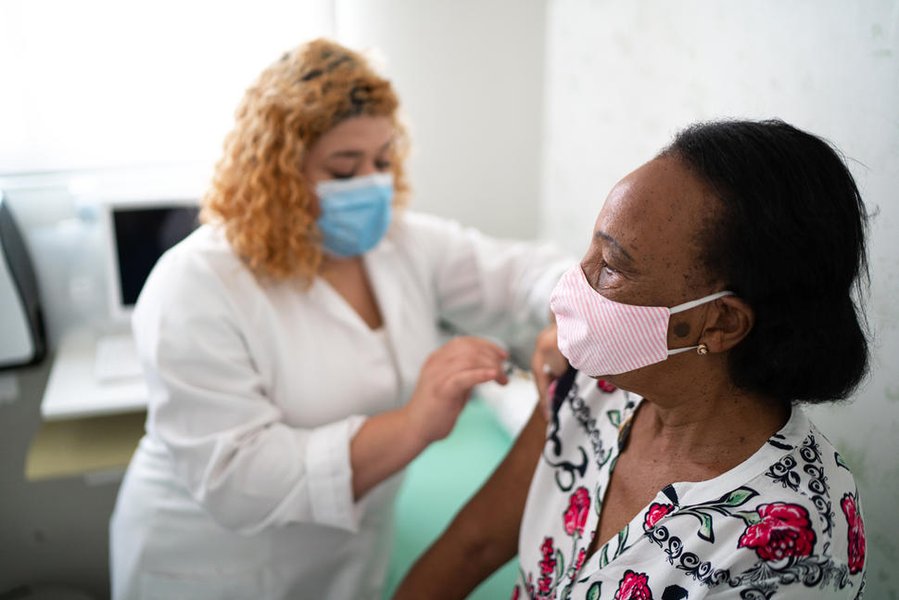
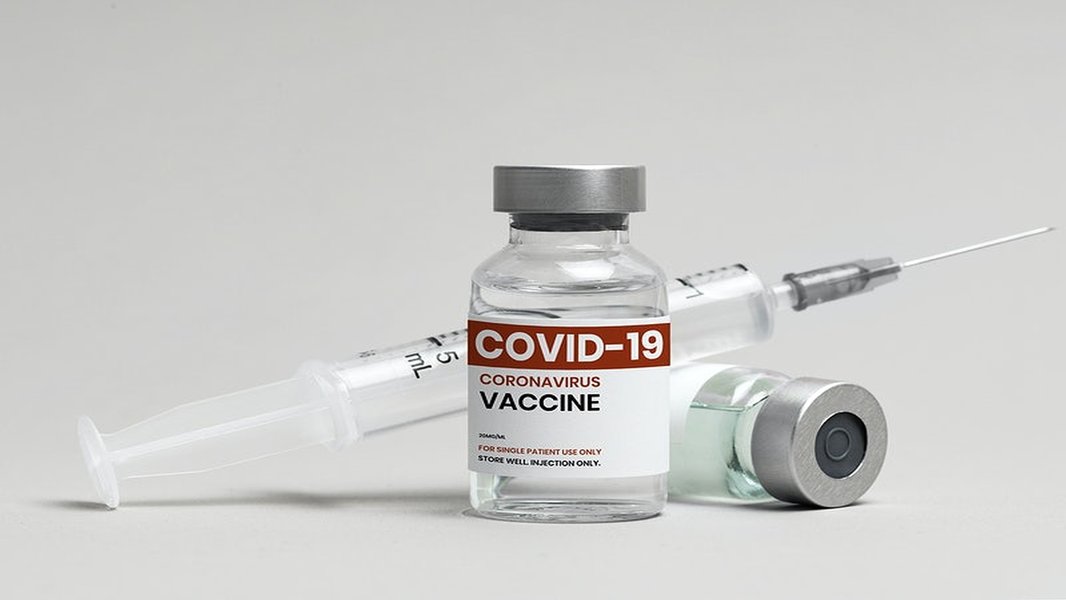
The rollout of COVID-19 vaccines represents a monumental global health initiative. These images capture moments from this effort, showcasing the administration of vaccines to diverse populations by dedicated healthcare professionals. They serve as a visual reminder of the collective action taken worldwide to combat the pandemic through vaccination, protecting individuals and communities.



Comparing Side Effects: Common vs. Rare
Understanding the difference between common, expected side effects and rare, serious adverse events is important. This table summarizes the key characteristics of each category based on extensive monitoring data.
| Side Effect Category | Examples | Typical Onset | Typical Duration / Resolution | Frequency |
|---|---|---|---|---|
| Common / Mild-Moderate | Pain/swelling at injection site, fatigue, headache, muscle aches, fever, chills, nausea | Within 1-2 days of vaccination | Few days (usually 1-3 days) | Common (affecting a significant portion of recipients, varying by specific symptom) |
| Rare / Serious | Anaphylaxis, Myocarditis/Pericarditis, Thrombosis with Thrombocytopenia Syndrome (TTS), Guillain-Barré Syndrome (GBS) | Varies: Anaphylaxis (minutes), Myocarditis/Pericarditis (days to weeks), TTS/GBS (weeks) | Requires medical evaluation/treatment. Anaphylaxis is acute but treatable. Others may require longer recovery, but most resolve. | Very Rare (ranging from approx. 1-5 per million doses for anaphylaxis to slightly higher but still rare instances for others like myocarditis post-mRNA) |
Expert Insights on Vaccine Safety and Side Effects
This video from Mass General Brigham provides valuable insights into COVID-19 vaccines, addressing common questions about side effects, booster recommendations, and overall vaccine safety. Hearing directly from medical experts can help clarify information and build confidence in the vaccination process.
Frequently Asked Questions (FAQ)
Were the COVID-19 vaccines developed too quickly to be safe? ▼
No. While the development was accelerated, it was built upon decades of prior research on coronaviruses and vaccine technologies (like mRNA). Unprecedented global collaboration, funding, and the urgency of the pandemic allowed steps like clinical trials and manufacturing to overlap safely without skipping crucial safety evaluations. Regulatory agencies maintained rigorous standards for review.
Do COVID-19 vaccines cause long-term side effects? ▼
Based on historical vaccine data and extensive monitoring of COVID-19 vaccines administered to billions of people, long-term side effects are extremely unlikely. Most vaccine side effects occur within hours to weeks of vaccination as the immune system responds. Systems like VAERS and V-safe continue to monitor for any potential long-term signals, but none have been substantiated to date beyond the known rare events that typically manifest relatively soon after vaccination.
Can mRNA vaccines change my DNA? ▼
No. mRNA vaccines work by providing instructions to your cells to build a harmless piece of the virus's spike protein, triggering an immune response. The mRNA never enters the nucleus of the cell, which is where DNA is located. The cell breaks down and gets rid of the mRNA soon after it's finished using the instructions. It cannot integrate into or alter your DNA.
Is it safer to get natural immunity from infection than from vaccination? ▼
No. Getting infected with SARS-CoV-2 poses significant risks, including severe illness, hospitalization, long COVID (persistent symptoms), and death, even in young and healthy individuals. Vaccination provides protection against these severe outcomes without the dangers associated with natural infection. While infection does provide some immunity, it's unpredictable, can wane, and comes with serious health risks that vaccination avoids.
Why are there different recommendations for boosters or additional doses? ▼
Recommendations for updated vaccines (boosters) adapt based on several factors: waning immunity over time since the last dose or infection, the emergence of new viral variants that might partially evade prior immunity, and individual risk factors. Older adults and immunocompromised individuals are often prioritized for additional doses because they are at higher risk of severe disease and may develop a less robust or durable immune response from initial vaccination.
References
- Safety of COVID-19 Vaccines - CDC
- Frequently Asked Questions about COVID-19 Vaccination - CDC
- Coronavirus disease (COVID-19): Vaccines - WHO
-
Safety and Efficacy of COVID-19 Vaccines: A Systematic Review - NIH (PMC9552389)
- COVID-19 Vaccine: What You Need to Know - Johns Hopkins Medicine
-
Immunological and Autoimmune Adverse Events Post COVID-19 Vaccination: A Systematic Review - NIH (PMC10507236)
- COVID-19 vaccine side effects and reactions - Health NZ
Recommended
Last updated April 6, 2025