
Unlocking the Digital Beast: Creating Your Own 2017 Dodge Viper SRT ACR 3D Model
Mastering the virtual recreation of America's most extreme street-legal track weapon
Key Insights for Your Viper 3D Modeling Journey
- Multiple pathways exist - From using pre-made models to creating from scratch with software like Blender or Maya, depending on your skill level and requirements
- Reference materials are critical - Detailed blueprints, high-resolution photos, and accurate specifications ensure your model captures the Viper ACR's distinctive aerodynamic elements
- The process requires precision - The 2017 Viper ACR's complex geometry, especially its Extreme Aero Package, demands careful attention to detail in the modeling process
Understanding the 2017 Dodge Viper SRT ACR
The 2017 Dodge Viper SRT ACR represents the pinnacle of American track-focused supercars. As the final year of Viper production, this ACR (American Club Racing) variant featured the most aggressive aerodynamic package ever offered on a production car. To create an accurate 3D model, you'll need to understand what makes this vehicle special.
The Viper ACR is powered by an 8.4-liter V10 engine producing 645 horsepower and 600 lb-ft of torque. However, what truly sets it apart is the optional Extreme Aero Package, which generates nearly one ton of downforce at 177 mph. This package includes a massive adjustable carbon fiber rear wing, removable front splitter extension, and detachable dive planes.
Key Specifications for Accurate Modeling
| Specification | Measurement | Modeling Consideration |
|---|---|---|
| Length | 175.7 inches (4,463 mm) | Ensure proper scale and proportions |
| Width | 76.4 inches (1,941 mm) | Critical for accurate body shape |
| Height | 49.1 inches (1,246 mm) | Important for proper stance |
| Wheelbase | 98.8 inches (2,510 mm) | Affects wheel placement and proportions |
| Front Track | 62.9 inches (1,598 mm) | Critical for wheel well modeling |
| Rear Track | 61.9 inches (1,572 mm) | Important for accurate rear stance |
| Weight | 3,374 lbs (1,530 kg) | Reference for material choices |
| Extreme Aero Wing Span | ~74 inches | Key differentiating feature of the ACR |
Methods for Creating Your 3D Model
There are several approaches to creating a 3D model of the 2017 Dodge Viper SRT ACR, each with its own advantages and challenges. Your choice will depend on your skill level, available resources, and intended use for the model.
Comparing 3D Modeling Approaches
1. Using Pre-made Models
The fastest approach is to locate and purchase a pre-made 3D model of the Viper ACR. Several marketplaces offer high-quality models that you can download and use immediately or modify to suit your needs.
Resources for pre-made models:
- TurboSquid - offers various Dodge Viper models, including the ACR variant
- Free3D - provides both free and premium Viper models
- Sketchfab - features user-created Viper models with preview capabilities
- CGTrader - offers a selection of Dodge Viper models in various formats
2. Polygon Modeling From Scratch
For those with 3D modeling experience, creating a model from scratch using polygon modeling software gives you complete control over every aspect of the design. This approach is ideal if you need a highly customized or extremely detailed model.
Recommended software:
- Blender - Free and powerful open-source 3D creation software
- Autodesk Maya - Professional-grade 3D animation, modeling, and rendering software
- 3ds Max - Industry-standard 3D modeling and rendering software for games and design
3. CAD-Based Parametric Modeling
For engineering purposes or if precision is critical, CAD software offers parametric modeling capabilities that allow for exact dimensions and mechanical accuracy. This approach is particularly useful if you plan to 3D print your model or need it for engineering studies.
Recommended CAD software:
- SolidWorks - Professional parametric CAD software with powerful surface modeling tools
- Fusion 360 - Cloud-based CAD/CAM software with parametric modeling capabilities
- Autodesk Inventor - 3D mechanical design software for creating precise product designs
4. Photogrammetry
If you have access to an actual 2017 Dodge Viper SRT ACR, photogrammetry allows you to create a 3D model by taking multiple photographs from different angles. Specialized software then processes these images to generate a 3D mesh.
While this method can produce highly accurate results, it requires access to the physical car and controlled lighting conditions for best results.
Step-by-Step 3D Modeling Process
The Complete Workflow Visualization
Gathering Reference Materials
The foundation of any accurate 3D model is comprehensive reference material. For the 2017 Dodge Viper SRT ACR, you'll need:
- Blueprints - Orthographic drawings showing top, side, front, and rear views
- High-resolution photographs - Images from multiple angles showing details of the exterior and interior
- Technical specifications - Precise measurements and details about the car's dimensions
- Detail shots - Close-up images of specific features like the Extreme Aero Package components
Excellent sources for these materials include automotive press websites, official Dodge archives, car enthusiast forums, and blueprint websites like The-Blueprints.com which has specific Viper ACR drawings.
Creating the Base Model
Whether using Blender, Maya, or CAD software, the modeling process typically follows these steps:
1. Setting Up Reference Images
Import blueprint images as background references in your modeling software. Ensure they're properly aligned and scaled. In Blender, you can add them as background images in orthographic views.
2. Blocking Out Basic Shapes
Begin with primitive shapes to establish the overall proportions. For the Viper, start with a long cuboid for the main body, cylinders for wheels, and basic shapes for the cabin area.
3. Refining the Body
Gradually add detail to the basic shapes using techniques appropriate to your software:
- In polygon modeling: Use subdivision surfaces and edge loops to create the curved surfaces
- In CAD: Use lofts, sweeps, and other surface modeling tools to create precise curves
4. Adding ACR-Specific Details
The ACR variant has distinctive aerodynamic elements that must be modeled with precision:
- The massive adjustable rear wing with endplates
- Extended front splitter with removable extension
- Front dive planes (canards)
- Rear diffuser with six strakes
- SRT hood with extractor vents
- Special ACR wheels
Video Resource: Understanding the 2017 Viper ACR
This video provides an excellent overview of the 2017 Dodge Viper ACR Extreme, showcasing its unique aerodynamic features and design elements that are critical to capture in your 3D model. Pay close attention to the Extreme Aero Package details that make this variant distinctive.
Visual References for Your 3D Model
These high-quality images showcase different angles and details of the 2017 Dodge Viper ACR that will be essential for creating an accurate 3D model. Pay particular attention to the aerodynamic elements, body contours, and distinctive ACR styling cues.
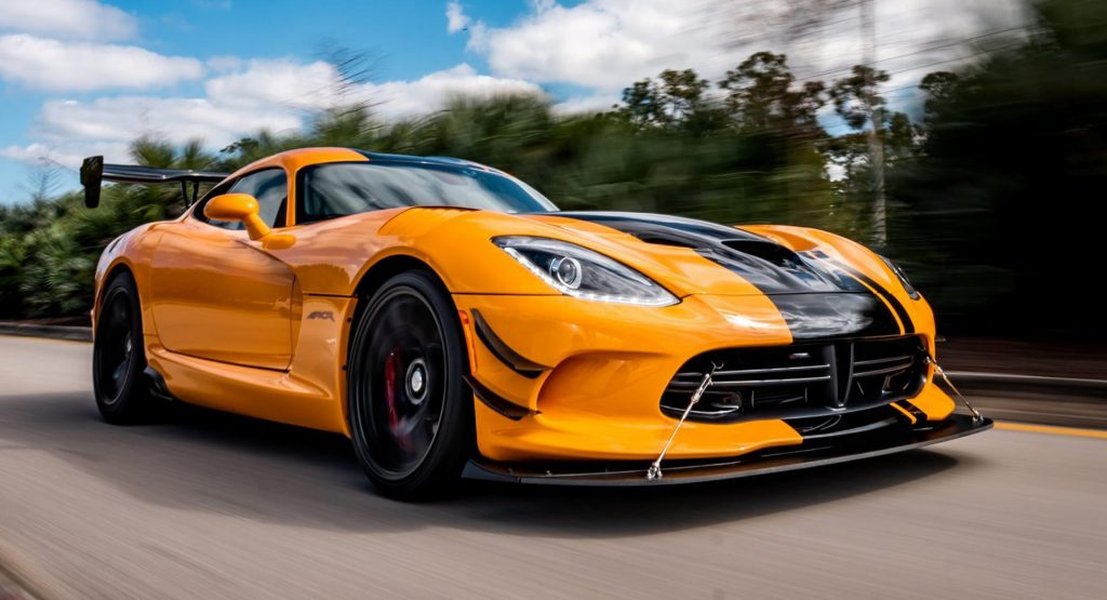
Front Quarter View: Note the aggressive front splitter, dive planes, and hood with extractor vents that define the ACR variant.
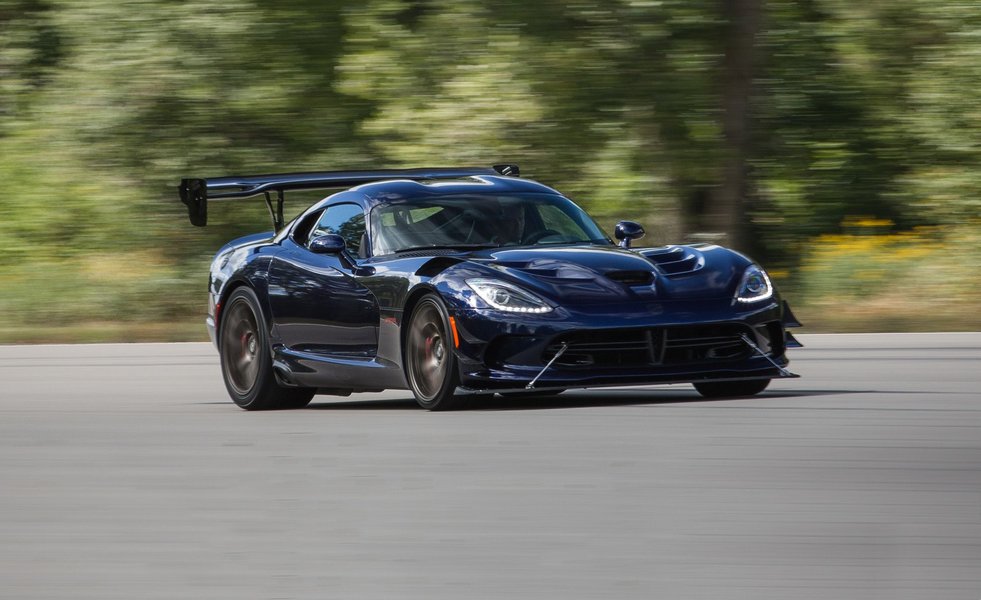
Side Profile: The Viper's long hood and distinctive silhouette are clearly visible, as is the massive rear wing of the ACR package.
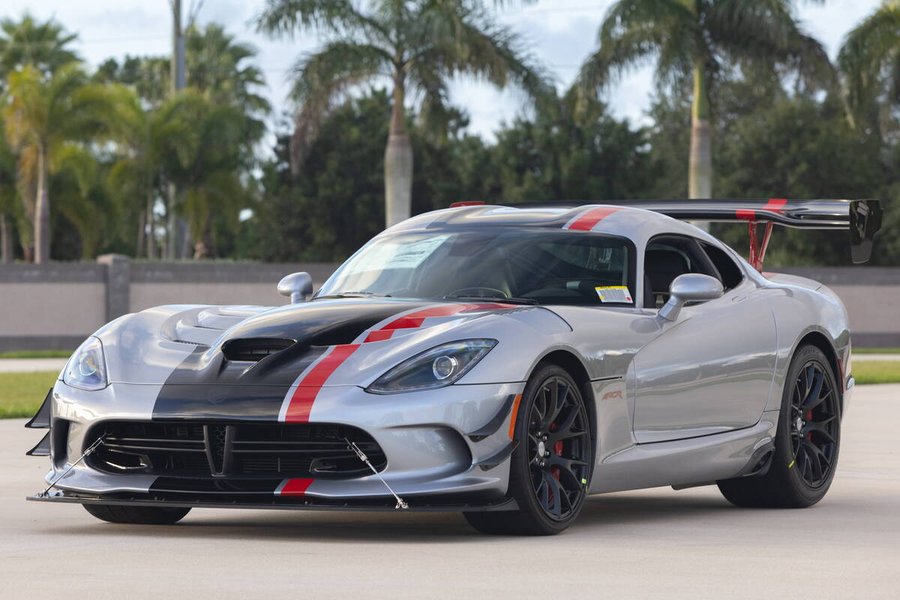
Rear View: The ACR's signature aerodynamic elements are prominently displayed, including the adjustable rear wing and aggressive diffuser.
Blueprint References
Accurate blueprints are essential for precise 3D modeling. These technical drawings provide exact proportions and dimensions that will serve as the foundation for your model.
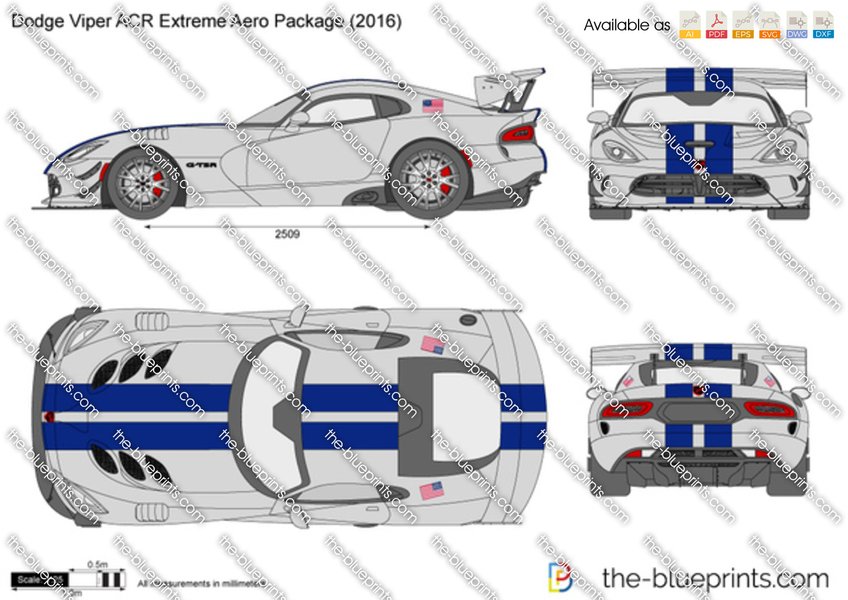
Viper ACR Extreme Aero Package Blueprint: This technical drawing shows the key aerodynamic elements that distinguish the ACR variant, including the prominent rear wing, extended front splitter, and dive planes.
Advanced Techniques for Realistic Results
Materials and Texturing
Creating realistic materials is crucial for a convincing 3D model. The 2017 Viper ACR features several distinct materials:
- Carbon fiber (hood, splitter, wing, diffuser)
- Painted body panels (available in various colors)
- Matte black trim elements
- Chrome and polished metal accents
- Alcantara and leather interior materials
- Rubber tires with detailed tread patterns
Each material requires specific texture maps, including diffuse, normal, roughness, and metalness maps depending on your rendering engine.
Lighting and Rendering
Proper lighting setup dramatically impacts the realism of your final render. Consider these tips:
- Use HDRI environments for realistic reflections on the car's glossy surfaces
- Set up a three-point lighting system to highlight the car's contours
- Add studio-style lighting for professional presentation renders
- Consider using physically-based rendering (PBR) for the most realistic results
Frequently Asked Questions
References
- Dodge Viper ACR Extreme Aero Package Vector Drawing - The-Blueprints.com
- Dodge Viper ACR 2017 3D Model - Free3D
- Dodge 2017 Viper 3D Model - TurboSquid
- 2017 Dodge Viper ACR GTS-R 3D Model - Sketchfab
- Tested: 2017 Dodge Viper ACR - Car and Driver
- 2017 Dodge Viper Information - Stellantis Media
Recommended Searches
 s3.amazonaws.com

 media.stellantisnorthamerica.com
Last updated April 6, 2025