
Pushing Boundaries Ethically: Creating a Controversial LARP That Challenges Social Norms
A comprehensive guide to building an avant-garde LARP experience while maintaining participant safety, consent, and ethical standards
Key Insights for Boundary-Pushing LARP Creation
- True exploration of controversial themes requires stronger safety protocols, not fewer - the foundation must be built on informed consent and robust safety mechanisms
- Recruiting the right participants demands transparency and thorough vetting to ensure all players understand and genuinely consent to the experience
- Successful controversial LARPs separate in-game actions from real-world consent - even when portraying lack of consent in-game, real-world participation must remain consensual
Understanding Your Controversial LARP Vision
Creating a Live Action Role Playing (LARP) game that deliberately challenges cultural norms requires extensive preparation and ethical consideration. While exploring themes like lack of consent, nudity, or violation of personal space, it's crucial to establish a framework that allows for this exploration without causing actual harm or violating real-world consent.
Defining Your Objectives and Boundaries
Before recruiting participants, you must clearly articulate what your LARP aims to achieve. Ask yourself:
- What specific cultural norms do you want to challenge, and why?
- What is the educational, artistic, or experiential value in exploring these themes?
- What are the absolute boundaries that cannot be crossed, even in a simulation?
- How will you distinguish between portrayed controversial themes and actual ethical behavior during the game?
Document your answers to create a clear vision statement and ethical framework. This will serve as the foundation for all subsequent planning and recruitment efforts.
The Paradox of Controversial LARPs
Understand the fundamental paradox: to effectively explore themes like "lack of consent" in a LARP setting, you must actually implement stronger consent mechanisms than traditional LARPs. The exploration of boundary-pushing content requires establishing clearer boundaries in the real world.
Finding the Right People: Recruitment Strategies
Step 1: Target Experienced LARP Communities
Begin your search among experienced LARPers who understand the distinction between in-game and out-of-game behaviors.
- Attend established LARP conventions and events to network with veteran players
- Join online LARP forums and communities focused on experimental or adult-themed play
- Connect with academic or artistic communities that explore performance art pushing societal boundaries
- Reach out to LARP designers with experience in mature or controversial themes
Step 2: Create a Transparent Recruitment Process
When reaching out to potential participants, transparency is essential. Your recruitment materials should:
- Clearly articulate the controversial elements of your LARP
- Explain the safety protocols and consent mechanisms that will be in place
- Outline the screening process participants will undergo
- Specify age restrictions (all participants must be adults)
- Detail the experience level required to participate
Step 3: Implement a Comprehensive Screening Process
Not everyone who expresses interest will be suitable for your LARP. Create a multi-stage screening process:
| Screening Stage | Purpose | Process |
|---|---|---|
| Initial Application | Gather basic information and experience level | Online form with questions about LARP experience, comfort with themes, and expectations |
| Interview | Assess maturity and understanding of boundaries | One-on-one discussion about controversial elements and safety concerns |
| Workshop Participation | Evaluate behavior in practice scenarios | Group workshops testing safety mechanics and boundary recognition |
| Reference Check | Verify community standing and reliability | Speak with previous LARP organizers who have worked with the applicant |
| Final Consent Discussion | Ensure full informed consent | Detailed walkthrough of all controversial elements with opportunity to opt-out |
Step 4: Build a Diverse Team of Organizers
Recruit a team with complementary skills and perspectives:
- Content Designers: Creative individuals who can craft meaningful scenarios exploring controversial themes
- Safety Coordinators: People with experience in trauma-informed practices and emotional safety
- Logistical Experts: Organizers who can manage the practical aspects of creating private, secure play spaces
- Subject Matter Experts: Individuals with knowledge about the specific controversial themes being explored
- Experienced Facilitators: People skilled at managing group dynamics and conflict resolution
Establishing Robust Safety Systems
The foundation of any controversial LARP must be a comprehensive safety framework that allows for exploration of challenging themes while preventing actual harm.
As the radar chart illustrates, controversial LARPs require significantly more robust safety systems across all dimensions compared to standard LARPs. This is essential for creating the paradoxical safe space needed to explore unsafe themes.
Step 5: Develop a Comprehensive Consent Framework
Create a consent system that addresses both general participation and specific activities:
- Written Consent Forms: Detailed documents outlining all potential controversial elements
- Opt-In/Opt-Out Cards: Systems allowing players to specify which types of content they consent to
- Safe Words and Gestures: Universal signals that immediately pause or end interactions
- Consent Negotiations: Pre-scene discussions between players about boundaries
- Calibration Techniques: Methods to adjust intensity during play (like the "traffic light" system)
Step 6: Create Physical and Emotional Safety Protocols
Establish comprehensive safety measures:
- Safety Team: Dedicated non-player staff monitoring for safety concerns
- Physical Boundaries: Clear rules about permissible physical contact
- Private Spaces: Designated areas where players can step out of character
- Check-In Systems: Regular opportunities to assess participant comfort
- Support Resources: Mental health first aid and professional contacts if needed
Preparing Participants for Boundary-Pushing Play
The mindmap above outlines the essential preparation elements for participants before engaging in a controversial LARP. This comprehensive approach helps ensure everyone has the tools to engage safely with challenging content.
Step 7: Conduct Intensive Pre-Game Workshops
Develop and run workshops addressing:
- Boundary-setting and recognition exercises
- Practice with all safety mechanics and opt-out signals
- Character development with clear separation from player identity
- Practice scenarios with gradually increasing intensity
- Debriefing and de-roling techniques
Step 8: Build Trust Among Participants
Create opportunities for participant bonding outside the controversial elements:
- Social events before the LARP
- Team-building exercises
- Communication workshops focusing on expressing boundaries
- Small-group practice sessions with safety mechanics
- Creation of a community agreement all participants sign
Designing the Controversial Elements
Step 9: Create Meaningful Narrative Contexts
Develop scenarios where controversial elements serve a purpose beyond shock value:
- Research historical, cultural, or speculative contexts that provide meaningful frameworks
- Design narratives that encourage reflection on why these elements are taboo
- Create characters with complex motivations related to controversial elements
- Establish storylines that evolve based on participant choices
Step 10: Implement Alibi and Distancing Techniques
Use mechanics that create separation between player and character:
- Meta-techniques (like "black box" scenes) for abstracting controversial elements
- Symbolic representations instead of literal portrayals
- Time compression or ellipsis for sensitive scenarios
- Narrative descriptions as alternatives to physical enactment
Visual Representations and Symbolic Systems
Create visual systems that represent controversial elements without requiring full enactment:
This video from Artisans d'Azure provides valuable insights into character creation for LARPs, including how to develop complex characters that can engage with challenging themes in a meaningful way. The principles discussed can be applied to creating characters for controversial LARPs, focusing on depth and authenticity while maintaining player safety.
Running and Concluding Your Controversial LARP
Step 11: Active Facilitation During the Game
Have dedicated facilitators who:
- Monitor for signs of discomfort or boundary violations
- Conduct regular check-ins with participants
- Enforce safety protocols consistently
- Provide support for players who need to step out temporarily
- Adjust game intensity based on participant feedback
Step 12: Post-Game Decompression and Integration
Create structured debrief sessions that:
- Help participants separate from their characters
- Process emotional responses to controversial content
- Reflect on insights gained through the experience
- Provide continuing support resources if needed
- Gather feedback for improving future events
Visual Examples from Boundary-Pushing LARPs
Here are some examples of how various LARP communities have approached challenging themes while maintaining safety:
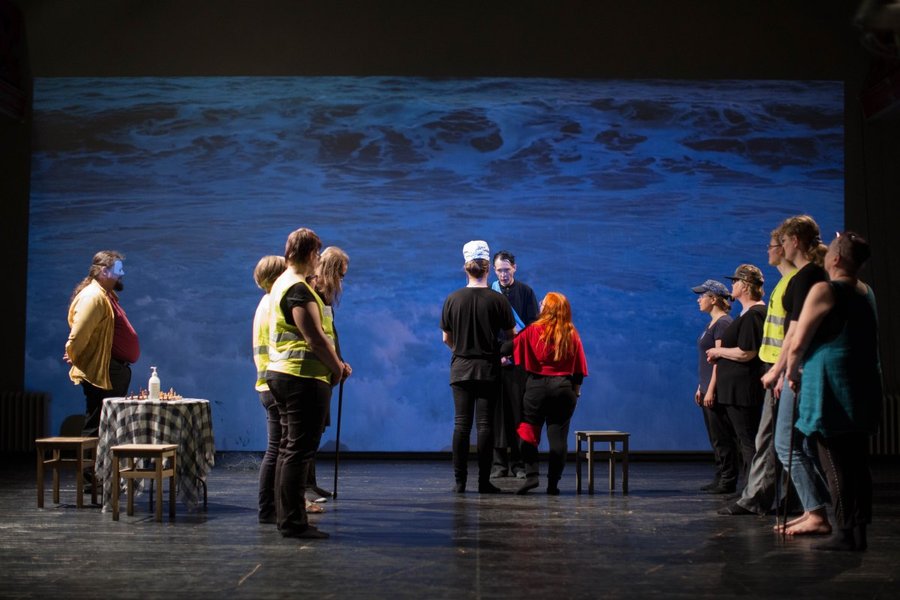
A scene from the Immersion LARP Festival, where innovative storytelling approaches help create emotional depth while maintaining player safety.
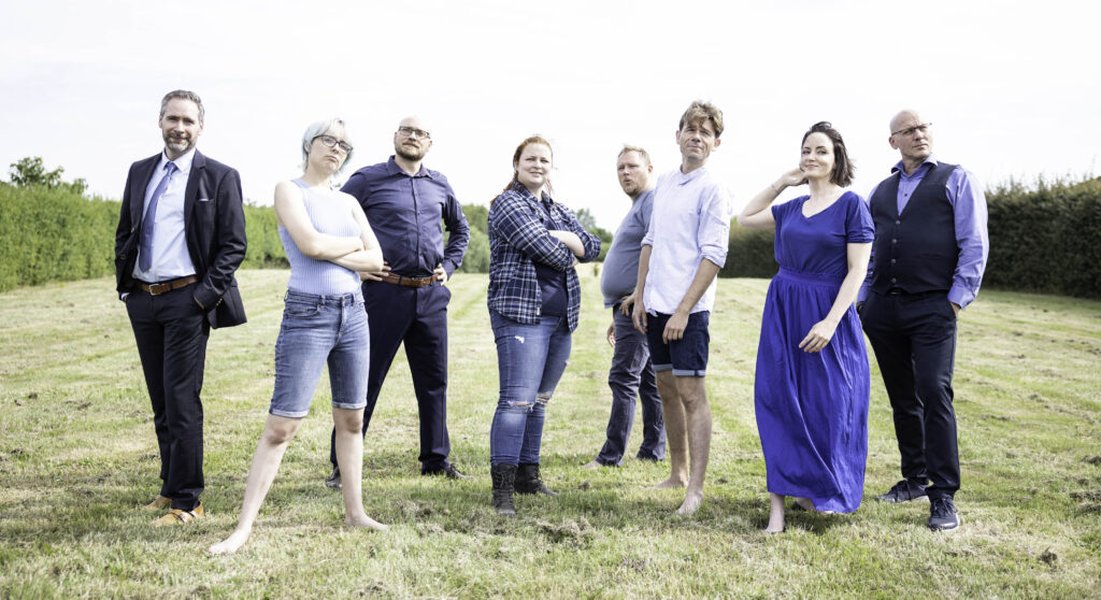
Participants in "The Circle" LARP, which explores complex social dynamics and power structures through carefully designed mechanics.
Frequently Asked Questions
References
- Live-Action Role-Playing Games - ResearchGate
- Live Action Role-Playing Game - Wikipedia
- LARP Studies - Analog Game Studies
- Creating a LARP Part 1 - LARPBook
- How to Plan a LARPing Event: The Ultimate Guide - Passage
- Character Development in LARP: Tips for Convincing Role Design - Battlemerchant
- LARP Resources - Immersive Experience Network
Recommended Explorations
Last updated April 6, 2025