
Unlocking the Secrets of Optical Illusions: See the Impossible!
Explore the fascinating world of visual deception and learn how to create your own mind-bending optical illusions.
Key Highlights of Optical Illusions
- Forced Perspective: Manipulate the size and distance of objects to create impossible interactions within a photograph.
- Op Art Techniques: Use geometric shapes and colors to create static images that appear to move or vibrate.
- Gestalt Principles: Understand how the brain organizes visual information to create illusions of depth, movement, and hidden figures.
What is an Optical Illusion?
Optical illusions, also known as visual illusions, occur when our brains perceive something differently from how it actually is. This happens because our brains use shortcuts and assumptions to process the vast amount of visual information we receive. These shortcuts can sometimes lead to misinterpretations, resulting in fascinating and often surprising visual effects. Illusions occur due to how the brain processes visual information, often via Gestalt laws.
Why Do Optical Illusions Work?
Scientists believe that optical illusions work because our brains take shortcuts. We make assumptions by recognizing patterns or familiar objects before piecing them together to make a “whole” image. This is where artists and designers can tap into the imaginations of their viewers by making the impossible seem possible.
Engaging the Mind
Optical illusions invite viewers to look closer, understand how the illusion works, and enjoy the surprising visual effect. This can make them spend more time on the design, increasing their engagement with the content.
Creating Optical Illusions: Techniques and Methods
Creating optical illusions involves a variety of techniques that manipulate visual perception. Here are some methods you can use to create your own mind-bending illusions:
Forced Perspective Photography
Forced perspective photography is a technique that manipulates the size and distance of objects to create illusions where objects appear to be interacting in impossible ways. The key is to align the background and foreground to make them look parallel and interacting. By positioning subjects closer or further from the camera, you can create the illusion of giant-sized people or tiny objects.
Examples of Forced Perspective
- Making a person appear to hold up the Eiffel Tower by positioning them close to the camera and the tower in the distance.
- Creating the illusion of a building sinking into the ground by tilting the camera to level the background hill.
Op Art
Op Art, or Optical Art, uses geometric shapes and colors to create static images that appear to move, vibrate, or have hidden patterns. This technique often involves creating patterns that exploit the brain's tendency to perceive depth and movement.
Creating Moving Image Illusions
You can create an optical illusion that appears to move, even though it is standing still, by using inconsistent borders around shapes like ellipses. When we look at the image, our brain tries to convert it from 2D to 3D. This is because the borders around the ellipses are inconsistent, which confuses us and creates an illusion of movement.
Step-by-Step Guide to Drawing an Optical Illusion
Here's a step-by-step guide to creating a simple yet effective optical illusion using lines and shading:
Materials You'll Need:
- Paper
- Pencil
- Ruler
- Eraser
- Fine-tip pen or marker
Steps:
- Draw a Grid: Start by drawing a grid of squares on your paper. The size of the squares will determine the scale of your illusion.
- Choose a Shape: Select a simple shape, such as a circle, square, or rectangle, to be the focus of your illusion.
- Distort the Grid: Draw the same grid as the first layer on another piece of paper. Then, draw a shape, such as a hand, and distort the grid behind it.
- Shade and Highlight: Use shading to enhance the illusion of depth and volume. Apply darker shades to areas that recede and lighter highlights to areas that protrude.
- Outline and Refine: Once you are satisfied with the shading, use a fine-tip pen or marker to outline the key lines of the illusion. This will help to define the shapes and enhance the overall effect.
The Science Behind Optical Illusions
Optical illusions are more than just visual tricks; they provide valuable insights into how our brains process information. Understanding the underlying principles can help you create more effective and compelling illusions.
Gestalt Principles
Gestalt principles are a set of laws that describe how our brains organize visual information into meaningful groups. These principles include:
Proximity
Elements that are close together are perceived as a group.
Similarity
Elements that share similar characteristics (e.g., shape, color, size) are perceived as a group.
Closure
Our brains tend to fill in gaps to perceive complete shapes or figures.
Continuity
Elements arranged on a line or curve are perceived as more related than elements not on the line or curve.
Figure-Ground
Our brains distinguish between a figure (the main element) and the ground (the background). This principle can create ambiguous illusions where the figure and ground are interchangeable.
Color and Light in Optical Illusions
Color and light play a crucial role in creating optical illusions. The way we perceive colors can be influenced by surrounding colors, and manipulating light can create illusions of depth and movement.
Color Combinations
The choice of color palette can significantly impact the effectiveness of an optical illusion. You can opt for a cool palette, warm colors, a mixture of random colors, or even a monochromatic palette.
Pointillism
Instead of mixing paint colors on a palette, what happens if we let our eyes do the mixing? Learn about Pointillism and how the artist Georges Seurat used the science of optics to create a whole new way of painting!
Optical Illusions in Design
Optical illusions are powerful tools for designers to create engaging and memorable visual experiences. They can be used to convey complex ideas in a visually simple way and to enhance user interaction.
Applications in User Interfaces
Designers can use optical illusions to enhance visual feedback and give a greater sense of interactivity. The Phi phenomenon, for example, gives the illusion of movement to inform users of system feedback, such as in a loading spinner.
Creating Visual Intrigue
Optical illusions invite viewers to look closer, understand how the illusion works, and enjoy the surprising visual effect. This can make them spend more time on the design, increasing their engagement with the content.
Examples of Optical Illusions
There are many types of optical illusions, each exploiting different aspects of visual perception. Here are some well-known examples:
Classic Illusions
- The Müller-Lyer Illusion: Lines with arrowheads pointing in different directions appear to be of different lengths, even though they are the same.
- The Ponzo Illusion: Two identical lines appear to be different sizes when placed between converging lines, creating a false sense of perspective.
- The Checker Shadow Illusion: Two squares of the same color appear to be different due to the surrounding shadows.
Creating Optical Illusions with Adobe Illustrator
Adobe Illustrator is a powerful tool for creating sophisticated optical illusions. Here's how you can use it:
Steps
- Embed the image you’d like to Width Stamp.
- Use Phantasm to increase the contrast and invert the colors.
- Open Width Stamp, and in the fly out menu reset to Default Settings.
- Select Make with Preset.
- Change the Preset dropdown to Concentric Circles.
- Change the output Color.
- Increase the spacing of the circles.
- In the Width Profile change the min and max stroke widths, and use the graph to change the width gain.
- Alter the Fidelity and Smoothing settings.
- Give the artwork a background.
Optical Illusions in Street Art
Optical illusions have found a vibrant canvas in street art, transforming urban landscapes into interactive and mind-bending experiences. Artists use perspective, shading, and trompe-l'oeil techniques to create murals that appear to leap off walls, sink into the ground, or reveal hidden dimensions.
Examples of Street Art Illusions
-
Ice Cliff Illusion: Artists create the illusion of a dangerous precipice on ordinary city streets.
-
Sinking Building Illusion: Buildings appear to be swallowed by the earth.
-
Interactive Murals: Pedestrians can pose with street art to enhance the illusion.
Optical Illusions: Examples and Explanations
The table below shows some common optical illusions:
| Illusion Type | Description | Explanation |
|---|---|---|
| Müller-Lyer Illusion | Lines with arrowheads appear different in length. | Our brain interprets the arrowheads as cues for depth, leading to misjudgment of length. |
| Ponzo Illusion | Lines between converging lines appear different in size. | Converging lines create a false sense of perspective, making the higher line appear longer. |
| Checker Shadow Illusion | Two squares of the same color appear different due to shadows. | Our brain adjusts for the perceived shadow, altering our perception of the square's color. |
| Moving Image Illusion | Static images appear to move or rotate. | Inconsistent borders around shapes confuse the brain, creating the illusion of movement. |
| Forced Perspective | Objects appear to interact in impossible ways due to manipulated size and distance. | Careful alignment of foreground and background elements tricks the eye into perceiving altered scales and relationships. |
The Magic of Optical Illusions
Optical illusions offer a captivating blend of art, science, and psychology. By understanding the principles that govern visual perception, you can create illusions that challenge our understanding of reality and ignite the imagination.
Image Gallery: A Collection of Optical Illusions
Explore the fascinating world of optical illusions through this curated collection of images, showcasing various techniques and mind-bending effects.
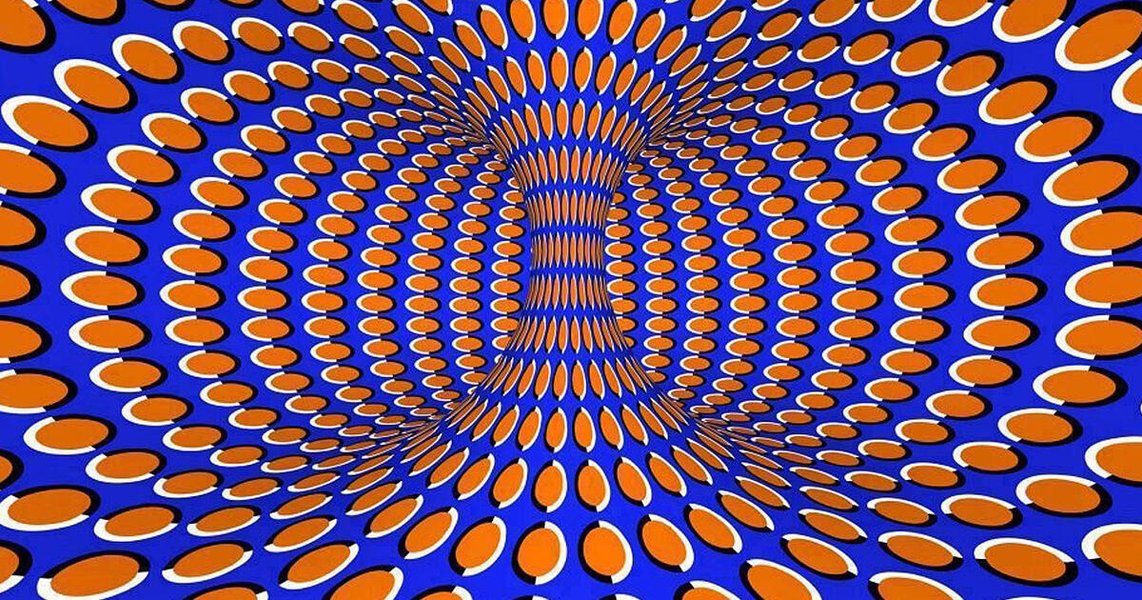
An example of an Op Art illusion that uses geometric patterns to create a sense of movement and depth.

Forced perspective photography creates an illusion where the boat seems much smaller in the distance.
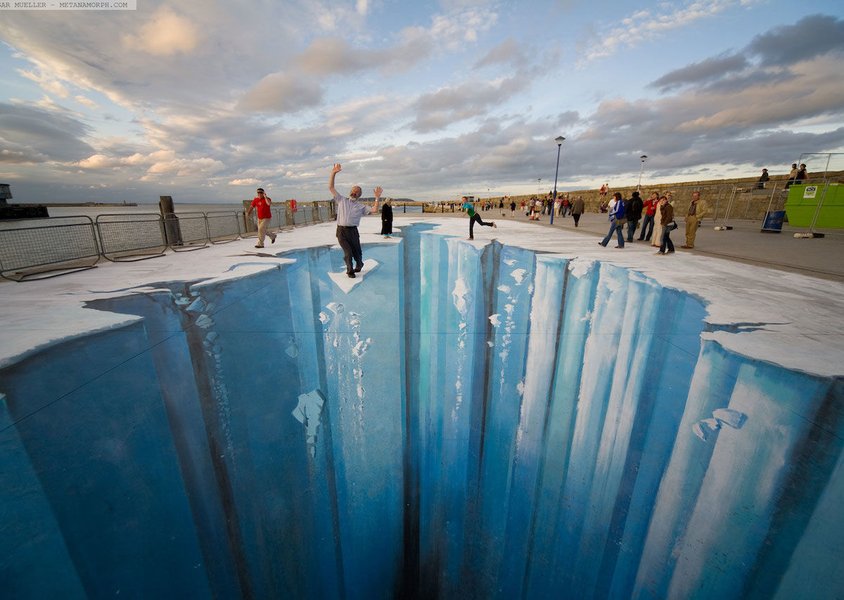
Edgar Mueller's 3D street art uses perspective to create the illusion of a dangerous ice cliff in the middle of the city.
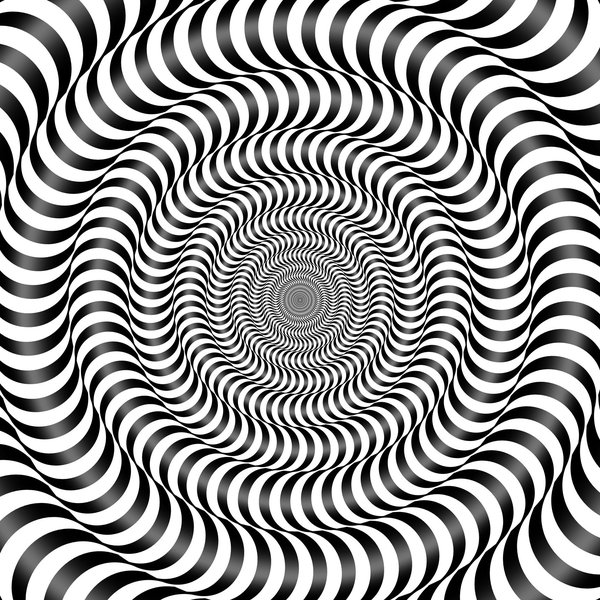
A psychedelic pattern creating an optical illusion.
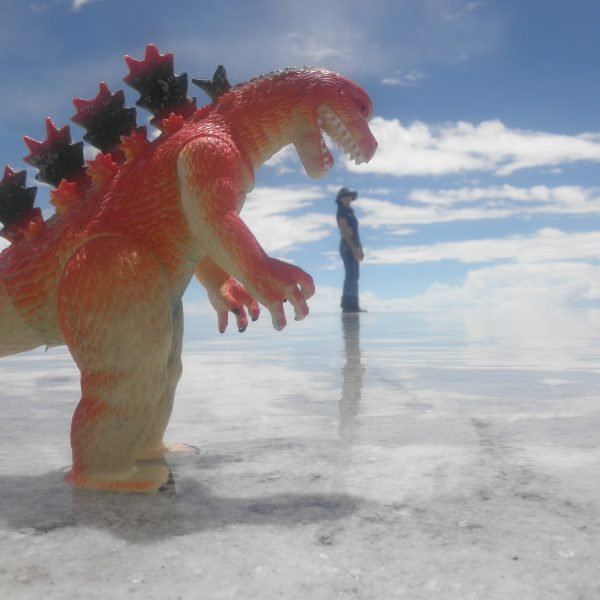
An example of hollow face illusion where the dinosaur head appears to follow you due to how our brains process depth and perspective.
Dive Deeper: Optical Illusions in Action
This video explores how to create optical illusion art that tricks the eyes. It's a simple art lesson that helps develop drawing skills, making it perfect for both school and home projects.
The video effectively demonstrates how to create mind-bending optical illusions using basic drawing techniques, offering a fun and accessible way to explore the principles of visual perception.
Frequently Asked Questions
References
Last updated April 10, 2025