
Navigating Your Creative Career Crossroads: Animation, Product Design, and 3D Web Development
Strategies for Focusing Your Passion and Skills at 25
It's completely understandable to feel confused when you're passionate about multiple creative fields like animation, product design, and 3D web development, especially at the age of 25 while still pursuing your degree and facing the pressure of earning. This period of exploration and learning is a crucial step in shaping your future career. Let's break down each area you're exploring and how you can find focus and build a path forward.
Key Takeaways for Your Creative Journey
- Prioritize Your Interests: While exploring is good, try to identify which area genuinely excites you the most long-term. This will help you allocate your time and energy effectively.
- Build a Focused Portfolio: Instead of a scattered portfolio, curate projects that demonstrate your skills in the area you want to pursue professionally. Tailor your portfolio to the specific types of roles you're applying for.
- Leverage Transferable Skills: Recognize that skills learned in animation (like understanding motion, timing, and visual storytelling) are valuable in product design (especially in UX/UI) and 3D web development.
Understanding Your Current Situation and Aspirations
You are currently pursuing an animation degree, finding the projects challenging, and feeling pressure about not earning. Simultaneously, you are interested in becoming a product designer, learning motion design, and undertaking 3D web development for a friend's portfolio website. This multifaceted approach, while indicative of a strong creative drive, can lead to feeling overwhelmed and unfocused.
It's important to acknowledge that difficulty with projects in your degree is a normal part of the learning process. Animation, product design, and 3D web development all require significant practice and dedication to master. Feeling shy about not earning at 25 is also a common concern, but remember that building a strong skill set and portfolio during your degree is an investment in your future earning potential.
Connecting Your Interests: Motion Design, Animation, and Product Design
Your interest in motion design is particularly relevant to both animation and product design. Motion design, which involves creating graphics that use video and animation to communicate a message, is a core element of animation and plays an increasingly important role in enhancing user experience (UX) in product design.
Transition animations, for example, are crucial in product design for smoothly guiding users and improving overall product quality. Your background in animation gives you a unique understanding of timing, easing, and visual flow, which are highly valuable skills for a UX/UI designer focused on creating engaging and intuitive interfaces.
Leveraging Animation Skills for Product Design
The principles of animation, such as anticipation, follow-through, and squash and stretch, can be applied to UI elements to make interactions feel more natural and responsive. Understanding how motion affects perception and user flow is a significant advantage. While you might feel your animation skills are lacking, as mentioned in one source, the foundational knowledge you gain from your degree is a strong starting point. You can specifically focus on honing animation skills relevant to interactive design.
Charting a Path Towards Product Design
If product design is a strong aspiration, here's a possible approach to transition and leverage your existing interests:
Building Your Product Design Foundation
To transition into product design, you need to shift your mindset from primarily visual creation to understanding user needs, business goals, and the strategic thinking behind product development. This involves:
- Learning UX/UI Principles: Study the fundamentals of user experience and user interface design. This includes understanding user research, wireframing, prototyping, usability testing, and information architecture.
- Reading Extensively: Immerse yourself in articles, books, and resources on product design, UX, and UI. Websites like Medium and UX Planet offer valuable insights from experienced designers. Pay attention to industry trends and best practices.
- Studying Design Guidelines: Familiarize yourself with Human Interface Guidelines (for Apple platforms) and Material Design (for Android and Google platforms) to understand established patterns and principles in digital product design.
Practical Steps for Transition
- Work on Personal Projects: Apply your learning by working on personal UX/UI projects. Identify a problem you can solve with a digital product and design a solution. This will give you hands-on experience.
- Create Case Studies: Document your design process for your projects in detailed case studies. Explain your thinking, research, design decisions, and the impact of your work. This is crucial for showcasing your skills to potential employers.
- Build Prototypes: Use tools like Figma, Adobe XD, or Sketch to create interactive prototypes of your designs. This allows you to test user flows and demonstrate the functionality of your product. Your motion design skills can be particularly useful here in creating microinteractions and transitions.
- Seek Feedback: Share your work with other designers and mentors to get constructive criticism. This will help you identify areas for improvement.
Incorporating 3D Web Development
Your endeavor into 3D web development for your friend's portfolio website is a valuable skill that can complement your product design aspirations, especially if you're interested in interactive and visually rich digital experiences. 3D on the web is becoming more prevalent, and understanding the technologies behind it can make you a more versatile designer.
Understanding 3D Web Technologies
Creating 3D graphics in a web browser typically involves technologies like WebGL, a JavaScript API for rendering interactive 2D and 3D graphics within any compatible web browser without the use of plug-ins. Libraries like Three.js simplify working with WebGL, providing a higher-level abstraction and making it easier to create complex 3D scenes and animations.
It's often recommended to understand the basics of 3D concepts (like scenes, lighting, rendering, and 3D models) before diving directly into libraries like Three.js. Learning 3D modeling basics with software like Blender can also be beneficial for creating assets for your 3D web projects.
Relevance to Product Design
While not every product designer will need to be proficient in 3D web development, having this skill set can open up opportunities in areas like:
- Interactive Prototypes: Creating more immersive and realistic prototypes.
- Data Visualization: Presenting complex data in engaging 3D formats.
- E-commerce: Developing interactive 3D product views.
- Experiential Marketing: Building unique web experiences.
Completing the portfolio website for your friend is an excellent practical project that allows you to learn and apply 3D web development skills in a real-world context. This project can also serve as a valuable addition to your portfolio, showcasing your technical abilities.
Structuring Your Learning and Portfolio
Given your multiple interests, it's important to structure your learning and portfolio to avoid feeling scattered. Instead of trying to become an expert in everything simultaneously, consider how these areas can intersect or how you can prioritize based on your long-term goals.
Creating a Focused Portfolio
Since you are leaning towards product design, your portfolio should primarily showcase your UX/UI design skills and case studies. However, you can include a section or specific projects that demonstrate your motion design and 3D web development abilities, highlighting how these skills enhance user experience or create unique interactive elements. For example, a case study for a product design project could include a prototype with compelling transition animations you created using your motion design knowledge, or a website design project could feature 3D elements you developed.
Time Management and Learning
With your ongoing animation degree, allocate dedicated time for your coursework and projects. For your other interests, consider setting aside specific time slots for learning UX/UI principles and practicing 3D web development. Online courses, tutorials, and actively working on projects are effective ways to learn.
Here is a table summarizing how your current and desired skills can intersect:
| Skill Area | Relevance to Animation Degree | Relevance to Product Design | Relevance to 3D Web Development |
|---|---|---|---|
| Animation Principles (Timing, Easing, etc.) | Core curriculum | Enhancing UI microinteractions and transitions | Animating 3D objects and scenes on the web |
| Motion Design Software (After Effects, etc.) | Used for animation projects | Creating UI animations and prototypes | Potentially used for creating textures or motion graphics elements for web |
| 3D Modeling Software (Blender, etc.) | Used for 3D animation | Creating 3D assets for product visualizations or interfaces (less common) | Creating 3D models for web integration |
| Web Development (HTML, CSS, JavaScript) | Less direct relevance | Implementing UI designs, understanding technical constraints | Essential for building 3D web experiences (WebGL, Three.js) |
| UX/UI Principles (User Research, Prototyping, etc.) | Less direct relevance | Core to product design | Designing user interfaces for 3D web applications |
Addressing the Financial Aspect and Building Confidence
Feeling shy about not earning at 25 is a valid concern. However, while you are still a student, your primary focus is on acquiring skills and building a portfolio. Think of your degree and self-learning as an investment in your future career and earning potential. Many creative fields, including animation, product design, and web development, offer opportunities for freelancing or part-time work, even before graduation.
Strategies for Gaining Experience and Confidence
- Freelancing: Once you have some foundational skills, consider taking on small freelance projects related to motion design, basic web development, or even simple graphic design tasks. Platforms like Upwork or Fiverr can be starting points, though they can be competitive.
- Internships: Look for internships in product design, UX/UI, or even companies that utilize animation or 3D in their web presence. Internships provide valuable real-world experience and networking opportunities.
- Networking: Connect with professionals in the fields you're interested in. Attend industry events (online or in-person), join online communities, and reach out to people on LinkedIn for informational interviews.
- Highlight Transferable Skills: When discussing your skills and experience, emphasize how your animation background has equipped you with a strong visual sense, an understanding of timing, and attention to detail – all valuable attributes in product design and web development.
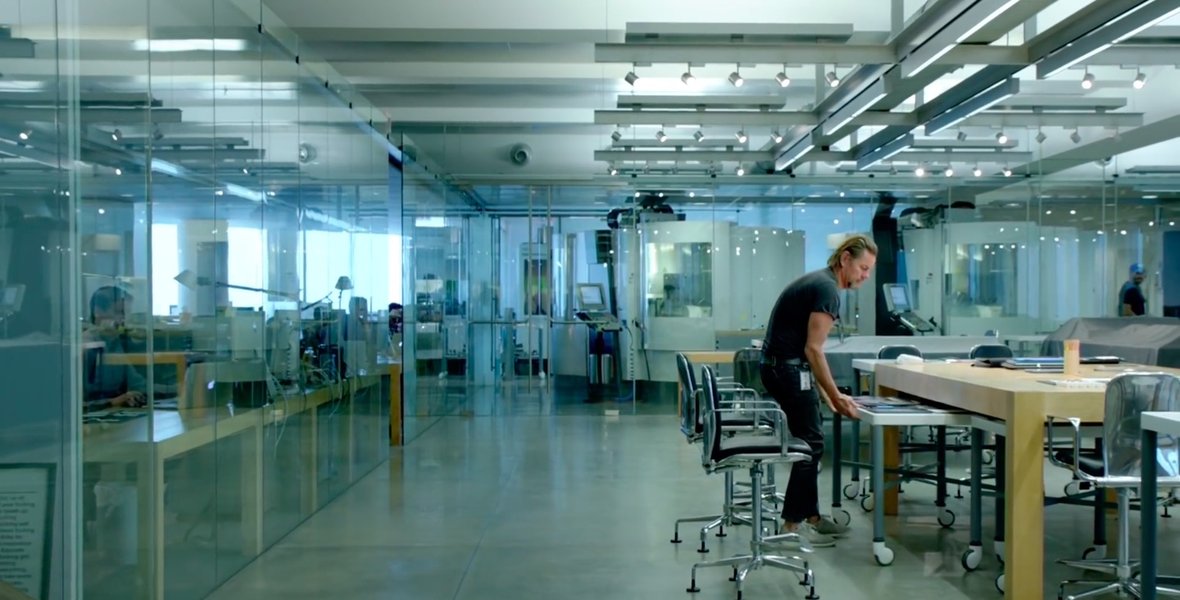
Designers collaborating in a studio environment.
The Value of Your Diverse Skill Set
While you may feel confused by your varied interests, the combination of animation, motion design, product design, and 3D web development skills is actually quite powerful and makes you a unique candidate. As you progress, you can position yourself as a designer who understands both the aesthetic and technical aspects of creating engaging digital experiences.
Focusing Your Energy Moving Forward
To overcome the confusion, try to consolidate your focus. Since product design is a goal, make that your primary learning priority outside of your degree. Use your motion design and 3D web development skills to enhance your product design projects and portfolio.
-
Refine Your Degree Focus: Within your animation degree, see if there are opportunities to tailor your projects towards areas that intersect with product design, such as animated user interfaces or interactive experiences.
-
Structure Your Learning: Dedicate specific time each week to learning UX/UI design systematically. Follow online courses, read articles, and practice with design tools.
-
Integrate Your Skills: Look for opportunities to combine your skills. For example, design a mobile app interface and create motion studies for its key interactions. Build a simple website showcasing a product you've designed and incorporate subtle 3D elements.
-
Complete the Website Project: Fulfilling your promise to your friend is important. Completing this 3D web development project will not only help your friend but also provide you with a tangible outcome and valuable learning experience. Use it as an opportunity to solidify your 3D web skills.
This video offers valuable advice for animation graduates transitioning into their careers, which can be relevant to your situation.
Remember that your career path doesn't have to be linear. Many successful designers and developers have diverse backgrounds. The key is to find how your different skills can complement each other and tell a compelling story about your abilities and interests.
Frequently Asked Questions
Is it too late to switch careers at 25?
Absolutely not. Many people successfully transition into new careers in their mid-twenties or later. Your existing education and skills provide a foundation, and your age allows you ample time to develop expertise in a new field.
How can I make my portfolio stand out with diverse projects?
Instead of presenting a disjointed collection, create a portfolio that tells a cohesive story. If you're aiming for product design, clearly showcase your UX/UI projects and case studies. Then, perhaps have a separate section or specific project examples that demonstrate how your motion design or 3D web development skills can be applied to enhance digital products or experiences.
Should I finish my animation degree if I want to do product design?
Finishing your degree provides a valuable credential and a structured learning environment. As discussed, many skills from animation are transferable to product design. Try to complete your degree while actively building your product design skills and portfolio on the side.
How important is it to earn money while I'm still studying?
While earning can alleviate financial pressure, prioritize building a strong skill set and portfolio. These are crucial for securing better-paying jobs in the future. If possible, look for part-time work or freelance opportunities that are related to your desired field to gain experience and earn simultaneously.
How can I balance learning multiple skills at once?
Effective time management and clear goal setting are key. Break down your learning objectives into smaller, manageable steps. Allocate specific time blocks for each area you're studying and try to integrate your learning by working on projects that combine your different skills.
References
Last updated May 4, 2025