
In-Depth Analysis of the Creativity Profile Study
Discovering the Creative and Personality Traits in Dance Students
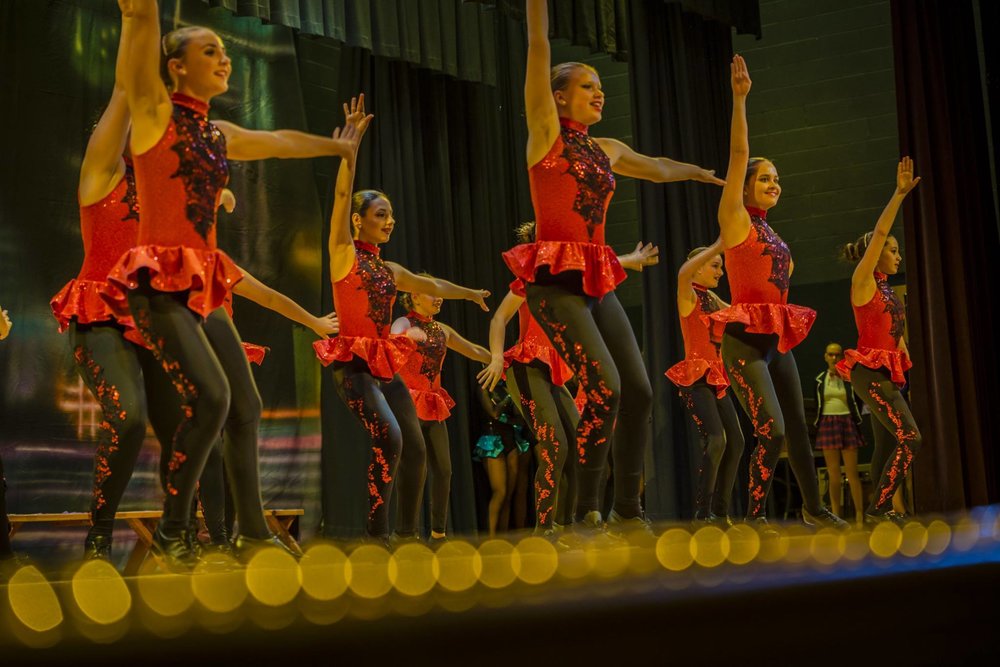
Key Highlights
- Distinctive Creative Profiles: The study reveals how dance students exhibit unique creative attributes and dynamic aesthetic preferences.
- Personality Characteristics: Detailed comparisons illustrate how the personality traits of dance students differ from those of other student groups.
- University vs. Conservatory Differences: Insights highlight nuanced differences in creative expression and personality profiles between university and conservatory dance students.
Overview of the Study
The DOI reference https://doi.org/10.1207/s15327752jpa4802_8 pertains to a scholarly article titled "Creativity Profile of University and Conservatory Dance Students" by J. B. Alter, published in the Journal of Personality Assessment in 1984. This study offers an in-depth look into the creative capacities and personality traits of dance students enrolled both in university programs and conservatories.
Research Context and Objectives
The core objective of the study was to examine the creative potential and specific personality characteristics inherent among dance students. By contrasting these attributes with those of other student groups, such as art or college students, the research aimed to establish whether there is a distinct creative profile attributable to individuals who pursue dance. The investigation was carried out using both standardized psychometric instruments and innovative paper-and-pencil tests designed to capture various dimensions of creativity.
Motivation Behind the Research
Academic inquiry into creativity has long strived to understand the relationship between personality dispositions and creative output. In the context of dance, the study was driven by the hypothesis that the training environment and the rigorous physical as well as aesthetic demands of dance could lead to the development of unique creative and personality profiles. Understanding these profiles not only contributes to the broader field of creativity research but also offers practical insights for educators and training institutions in tailoring their curricula to support artistic development effectively.
Methodology and Approach
Participant Demographics
The research included a sample of 79 dance students across different educational contexts. These participants were drawn from both university-level programs, where dance is part of a broader liberal arts curriculum, and conservatory settings where the focus is intensely centered on artistic performance. This dual-sampling strategy enabled the researcher to compare and contrast the potential influence of training intensity and academic environment on creativity.
Data Collection Techniques
To assess creativity and personality, the study employed a set of paper-and-pencil instruments. These included standardized tests for measuring divergent thinking and creative problem-solving, along with customized questionnaires tailored to capture the personal aesthetic preferences and attitudes toward movement. The multi-method approach ensured that the analysis was robust and could account for various dimensions of creativity that might be influenced by the academic and performance-oriented training schedules.
Standardized Assessments
Standardized creativity tests used in the study provided quantifiable scores in areas such as fluency, flexibility, originality, and elaboration. These tests are widely recognized in creativity research for offering replicable insights into an individual's creative potential and have been compared across different fields of study.
Customized Questionnaires
Complementing the standardized tests, the researcher developed tailored questionnaires specifically designed to capture the nuances of dance as an art form. These questionnaires probed into how participants responded to dynamic movement figures and rhythms, thereby offering insights that were unique to the performance and interpretative aspects of dance.
Key Findings and Interpretations
Creative Capabilities of Dance Students
One of the most significant findings of the study was the remarkable creative potential exhibited by the dance students. Their responses on divergent thinking tests indicated that they were not only capable of generating novel ideas but also had a distinct preference for dynamic and fluid creative expressions. This aligns with the inherent physicality of dance, where movement and dynamism often serve as catalysts for creative expression.
These creative capabilities were further emphasized by a marked preference for dynamic figures, suggesting that the choreography and movement patterns in dance are likely more varied and improvisational compared to those in more static art forms. The test results confirmed that dance students displayed an innovative approach to interpreting artistic stimuli, which sets them apart from their peers in other academic disciplines.
Distinct Personality Profiles
The study found that dance students possess distinct personality traits that correlate with their creative propensities. Elements such as openness to new experiences, risk-taking tendencies, and a heightened sensitivity to aesthetic nuances were commonly observed among the participants. These traits are likely nurtured in an environment where physical expression and artistic interpretation are central to the curriculum.
The personality assessments highlighted that not only was there a high degree of innovation in problem-solving but also a comfort with ambiguity and a natural inclination to explore new methods of expression. Such traits are invaluable in the field of dance, suggesting that the educational and performance settings help cultivate a psychological profile conducive to artistic creativity.
University versus Conservatory Dynamics
An interesting aspect of the study involved comparing dance students from university programs with those from conservatories. Although both groups demonstrated high creativity, subtle differences emerged:
- University Dance Students: These students often benefit from a broader educational exposure, which might incorporate theoretical elements and interdisciplinary influences. This can lead to a more varied creative approach, blending intellectual inquiry with physical performance.
- Conservatory Dance Students: In contrast, conservatory students typically undergo intensive, performance-oriented training. This results in a sharper focus on the aesthetics and technical precision of movement, fostering a highly specialized creative expression within the art form.
These distinctions underscore how different educational environments shape the creative and personality profiles of dance students. While both groups excel in creativity, the contextual training they receive lends a unique flavor to how they express and manage creative challenges.
Implications for Dance Education and Research
Educational Benefits
The research has profound implications for educators and curriculum developers in the field of dance. By understanding that dance students not only possess high creative capacities but also distinctive personality traits, training programs can be further refined to harness these inherent skills. For instance:
- Curriculum designers might incorporate more improvisational sessions to stimulate divergent thinking.
- Educators could develop personalized coaching strategies that recognize the unique psychological profiles of their students.
- Collaborative projects that merge theoretical studies with practical movements may further enhance creative output.
These strategies could lead to an enriched learning experience, allowing students to explore and develop their innate creative talents more fully.
Broader Impact on Creativity Research
Beyond educational applications, the findings contribute to the broader field of creativity research by provided empirical data on the relationship between artistic training and creative expression. The specific emphasis on dance—a field that merges physicality with artistic flair—opens avenues for similar studies in other performance-based disciplines. Moreover, the research methodology, which combines standardized tests and tailored questionnaires, exemplifies a robust approach for assessing creative potential in specialized domains.
The distinct personality traits identified among dance students—such as openness, flexibility, and risk-taking—can serve as a model for comparative studies across various disciplines to further analyze how different training environments impact creativity.
Comparative Data Representation
To offer a succinct yet comprehensive snapshot of the study's main points, the following table summarizes the essential differences and similarities between university and conservatory dance students, as well as key creative traits identified in the research.
| Aspect | University Dance Students | Conservatory Dance Students |
|---|---|---|
| Educational Environment | Broader academic exposure, interdisciplinary influences | Intensive performance and technique-focused training |
| Creative Expression | High adaptability, inventive idea generation | Specialized, precise, and dynamic movement expression |
| Personality Traits | Balanced blend of intellectual inquiry and creative spontaneity | Heightened focus on aesthetic precision, risk-taking, and openness |
| Methodology Utilized | Standardized tests and customized questionnaires | Standardized tests and performance-based assessments |
Integrative Insights
Connection Between Creativity and Movement
The interplay between the physicality of dance and creative thinking is a recurring theme across the study. Dance inherently involves a synergy between body and mind—a physical manifestation of creative ideas. The research illustrates that the creative profiles of dance students are not merely abstract constructs but are closely linked to their ability to interpret and manifest movements in innovative ways.
This connection further emphasizes the importance of creative training in dance education. By honing both the mental and physical aspects of creativity, dance students can achieve a more holistic artistic expression. The findings encourage educators to integrate physical improvisation with theoretical creativity exercises, thereby fostering an environment where creative ideas are both contemplated and lived through movement.
Implications for Future Research Directions
The study opens several avenues for future research, including investigations into how diverse pedagogical approaches affect creative output and personality development. Future studies might examine factors such as cultural influences on dance, the impact of early training on later creative achievements, or longitudinal analyses of how personality traits evolve with continuous exposure to intensive artistic training.
Researchers might also consider exploring comparative studies across different artistic domains. For example, comparing the creative profiles of dance students with those of musicians, visual artists, or actors could provide comprehensive insights into the underlying cognitive and personality factors that facilitate creative success across the arts.
Practical Applications and Educational Enhancement
Tailoring Educational Approaches
The implications of this research extend well into the realm of practical application. Dance educators are encouraged to consider the individual creative and personality profiles of their students when designing curricula. For instance, integrating modules that focus on:
- Improvisational sessions that challenge standardized responses and stimulate creative spontaneity.
- Collaborative projects where students can learn from divergent ways of interpreting movement and artistic expression.
- Workshops that focus on personality development, enhancing traits like openness and risk-taking, which are closely linked to creative success.
By implementing such targeted strategies, institutions can better support their students’ overall creative development. This tailored approach not only enhances individual student performance but also contributes to the evolution of dance as an art form.
Enhancing Artistic Expression Through Research
Beyond the classroom, these findings can inspire innovative practices within the professional dance community. Understanding and leveraging the deep connection between creative thought and physical expression can lead to the development of new dance styles and performance methodologies. Choreographers and practitioners may use the insights from the study to explore unconventional movement forms that challenge traditional aesthetics, ultimately pushing the boundaries of what is considered possible in artistic performance.
References and Further Reading
Key Sources to Explore
- Creativity Profile of University and Conservatory Dance Students - Journal of Personality Assessment
- PubMed - Creativity and Dance
- APA PsycNet - Journal Articles
- SCIRP - Research References
-
OUCI - Academic Work Database
Recommended Related Queries
Explore Further Topics
Last updated March 9, 2025