
Can Creeping Thyme Transform Your Central Florida Landscape? Unveiling the Green Carpet Potential
Discover if this fragrant, low-growing herb is the right ground cover solution for your sunny Florida yard.
Key Insights: Creeping Thyme in Central Florida
- Adaptable but Demanding: While hardy in Central Florida's USDA Zone 9, creeping thyme thrives best in full sun and exceptionally well-drained soil, which may require site modification.
- Low-Maintenance Beauty: Offers significant benefits like drought tolerance once established, no mowing, and vibrant blooms that attract pollinators, making it an attractive lawn alternative.
- Humidity is a Hurdle: Central Florida's high humidity and heavy rainfall pose the biggest challenge, increasing the risk of root rot if drainage is not impeccable.
Creeping thyme (Thymus serpyllum and related species like Thymus praecox) has gained popularity as a fragrant, durable, and beautiful ground cover. It's often touted as a "living mulch" or a no-mow lawn alternative, forming a dense mat of tiny leaves and, in late spring to early summer, a carpet of pink, purple, or red flowers. But how well does this Mediterranean native adapt to the unique conditions of Central Florida?
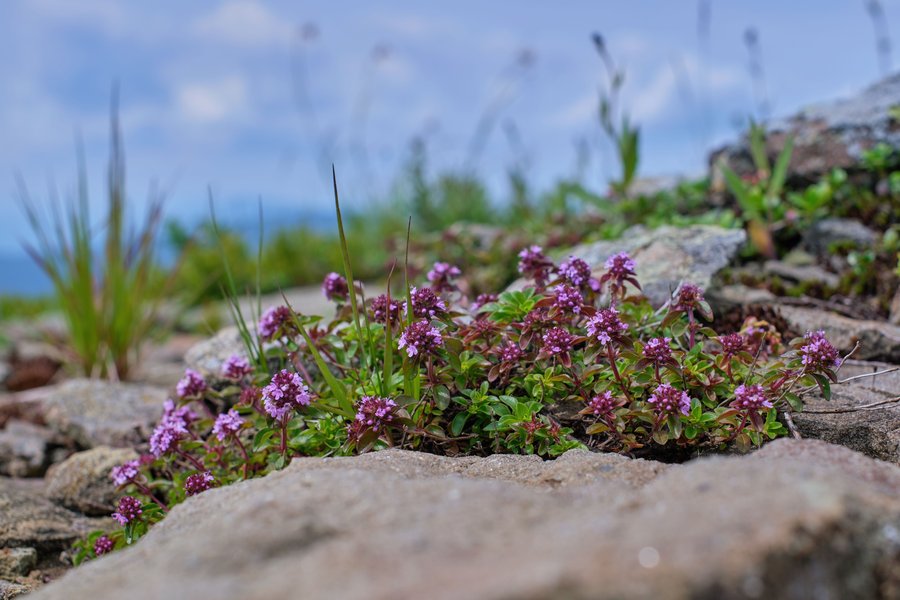
A dense, flowering carpet of creeping thyme, showcasing its potential as an attractive ground cover.
Evaluating Creeping Thyme's Suitability for Central Florida's Climate
Sun, Soil, and Survival
Creeping thyme is generally hardy in USDA zones 4 through 9. Central Florida falls within zones 9a and 9b, meaning the plant can survive the winter temperatures. However, thriving is different from merely surviving, especially given Florida's distinct climate.
Sunlight Requirements
Creeping thyme is a sun-loving plant, requiring at least six hours of direct sunlight daily for optimal growth, flowering, and disease resistance. In Central Florida's intense sun, some afternoon shade might be tolerated, but too much shade will lead to sparse growth and fewer flowers.
Soil Drainage: The Critical Factor
This is perhaps the most crucial consideration for growing creeping thyme in Central Florida. It demands excellent drainage and prefers sandy, gravelly, or rocky soils. It is highly susceptible to root rot in consistently moist or waterlogged conditions. Central Florida's often sandy soils can be an advantage, but areas with clay or poor drainage will need significant amendment with organic matter and grit (like sand or perlite) to improve aeration and water percolation. Planting on slopes or in raised beds can also aid drainage.
Heat and Drought Tolerance
Once established, creeping thyme is notably drought-tolerant, a significant advantage during Florida's dry spells. Varieties like red creeping thyme are particularly noted for their heat tolerance. However, during its establishment period (the first year), it will require consistent moisture.
The Allure of Creeping Thyme: Benefits for Your Florida Garden
When conditions are met, creeping thyme offers a host of advantages:
- Low Maintenance: It requires no mowing, very little fertilization (it thrives in poor soil), and is drought-resistant once mature. Light pruning after flowering can encourage denser growth but isn't strictly necessary.
- Aesthetic Appeal: It forms a beautiful, fine-textured green mat, often turning bronze or reddish in cooler weather. The profusion of tiny flowers in shades of pink, purple, or white creates a stunning display and emits a pleasant fragrance when walked upon or brushed against.
- Weed Suppression: A dense mat of creeping thyme can effectively outcompete and suppress many common garden weeds.
- Pollinator Friendly: The flowers are a magnet for bees, butterflies, and other beneficial insects, contributing to local biodiversity.
- Pest Resistance: Creeping thyme is generally resistant to deer and rabbits, a boon for many Florida gardeners. Some sources even suggest its scent can repel mosquitoes.
- Versatility: It's excellent for filling gaps between stepping stones, spilling over rock walls, covering slopes to prevent erosion, or as a lawn substitute in areas with light foot traffic.
- Cost-Effective: Compared to establishing and maintaining traditional turfgrass, creeping thyme can be a more economical option in the long run, especially considering reduced water and fertilizer needs.
Navigating the Challenges: Creeping Thyme in Florida's Humidity
Despite its benefits, Central Florida presents specific challenges for creeping thyme:
- High Humidity and Rainfall: Florida's humid summers and heavy rainy season are the primary obstacles. Prolonged wetness and high humidity create ideal conditions for fungal diseases and root rot, which can decimate creeping thyme. Excellent air circulation and impeccable soil drainage are non-negotiable.
- Soil pH: Creeping thyme prefers a neutral to slightly alkaline soil pH (around 6.5-7.5). Florida soils can often be acidic, so a soil test and potential liming might be necessary.
- Slow Establishment: Creeping thyme grows slowly in its first year as it focuses on root development. It can take 2-3 years to form a dense, widespread mat. During this period, diligent weeding is necessary.
- Foot Traffic Tolerance: While it can withstand light to moderate foot traffic once established, it's not as resilient as traditional turfgrass for high-use areas like play spaces.
- Scent Preference: While many enjoy the herbal fragrance of thyme, some individuals may find it overpowering or unpleasant.
Creeping Thyme Performance Profile
The radar chart below illustrates how creeping thyme's characteristics align with the demands of a Central Florida environment. A higher score indicates better suitability or performance in that aspect. Note that "Humidity Tolerance" is a key area where creeping thyme faces challenges in this region.
This chart highlights that while creeping thyme excels in drought tolerance, sun requirements, and low maintenance, its lower tolerance for humidity is a key factor to manage in Central Florida.
Planting and Caring for Creeping Thyme in Central Florida
Tips for Success
When to Plant
The best time to plant creeping thyme in Central Florida is in the spring (March to May). This allows the plants to establish their root systems before the intense summer heat and heavy rains arrive.
Propagation and Spacing
While creeping thyme can be grown from seed, it's often a slow and less reliable process, especially in warmer climates. Nursery starts (plugs or small pots) are generally recommended for faster establishment. Space plants 6 to 12 inches apart, depending on how quickly you want coverage. Closer spacing (e.g., 8 inches) will result in a denser mat sooner.
Soil Preparation
As mentioned, excellent drainage is key. If you have heavy or clay-like soil, amend it generously with compost and coarse sand or perlite. For very problematic areas, consider creating raised beds or berms. A soil test can determine if you need to add lime to raise the pH.
Watering
Water newly planted thyme regularly to keep the soil lightly moist until established. Once mature, creeping thyme is very drought-tolerant. Water deeply but infrequently during prolonged dry periods. Be especially careful not to overwater during Florida's rainy season; the soil should be allowed to dry out between waterings.
Fertilizing
Creeping thyme generally does not require fertilizer and often performs better in less fertile soils. If your soil is extremely poor, a very light application of a balanced, slow-release fertilizer in early spring might be beneficial, but avoid over-fertilizing.
Pruning and Maintenance
Pruning is minimal. You can give the plants a light trim or "haircut" after flowering to remove spent blooms and encourage bushier growth, which can also help prevent the centers from becoming woody over time. Keep the area weeded, especially during the establishment phase.
Visualizing Creeping Thyme's Role in Your Garden
The mindmap below illustrates the interconnected factors influencing the success of creeping thyme as a ground cover in Central Florida, highlighting its needs, benefits, and the specific challenges posed by the local environment.
(No Mowing, Drought Tolerant)"] id2b["Aesthetic Appeal
(Flowers, Fragrance, Mat-forming)"] id2c["Pollinator Attraction"] id2d["Weed Suppression"] id2e["Deer & Rabbit Resistant"] id3["Challenges in FL"] id3a["High Humidity & Rainfall
(Risk of Root Rot)"] id3b["Potential for Acidic Soil"] id3c["Slow Initial Establishment"] id3d["Limited Heavy Foot Traffic Tolerance"] id4["Planting Considerations"] id4a["Spring Planting"] id4b["Nursery Plugs Preferred"] id4c["Soil Amendments for Drainage"] id4d["Careful Watering"]
This visualization helps to quickly grasp the key elements to consider for successfully incorporating creeping thyme into a Central Florida landscape.
Weighing the Options: Pros and Cons Summary
To help you decide if creeping thyme is the right choice for your Central Florida garden, here's a summary table of its advantages and disadvantages in this specific context:
| Pros for Central Florida | Cons for Central Florida |
|---|---|
| Excellent drought tolerance once established. | Highly susceptible to root rot in poorly drained or overly wet soils (major concern with FL humidity/rain). |
| Thrives in full sun, abundant in Florida. | Slow to establish (1-3 years for full coverage). |
| Low maintenance: no mowing, minimal fertilizing. | Requires excellent soil drainage; may need significant soil amendment. |
| Attracts pollinators like bees and butterflies. | Does not tolerate heavy foot traffic well. |
| Deer and rabbit resistant. | May require pH adjustment if soil is too acidic. |
| Aesthetically pleasing with flowers and fragrance. | Can be outcompeted by aggressive weeds during establishment. |
| Effective for weed suppression once dense. | May struggle in areas with limited air circulation due to high humidity. |
| Good for rock gardens, path edges, and slopes. | Some varieties may not be as heat-tolerant as others. |
Exploring Alternatives for Florida Landscapes
While creeping thyme can succeed with careful site selection and preparation, some gardeners in Central Florida may opt for native or more humidity-adapted ground covers. These alternatives might be more resilient to the local climate with less intervention:
- Mimosa strigillosa (Sunshine Mimosa or Powderpuff Mimosa): A Florida native, extremely drought-tolerant, loves full sun, and spreads to form a dense mat. Its leaves are touch-sensitive, and it produces pink puffball flowers.
- Helianthus debilis (Beach Sunflower): Another Florida native that thrives in sandy soils and full sun. It's salt-tolerant and produces cheerful yellow flowers.
- Trachelospermum asiaticum (Asiatic Jasmine): A very popular, tough, and drought-tolerant ground cover in Florida. It handles both sun and shade well, forming a dense, woody mat.
- Phyla nodiflora (Frogfruit or Turkey Tangle Fogfruit): A native, low-growing ground cover that is a larval host plant for several butterfly species. It tolerates a wide range of conditions, including moist soils and sun to part shade.
- Arachis glabrata (Perennial Peanut): A highly drought-tolerant, low-maintenance ground cover that produces yellow flowers. It's often used as a turf alternative in sunny areas.
Considering these alternatives can be beneficial if your garden conditions are not ideal for creeping thyme, particularly if you face challenges with drainage or high humidity.
This video, "Great Groundcovers - Creeping Thyme UPDATE in 3rd Year...", provides a visual look at how creeping thyme establishes and grows over time, offering insights into its development as a ground cover. While not specific to Florida, it showcases the plant's growth habit and appearance.
Frequently Asked Questions (FAQ)
Is creeping thyme a good ground cover for Central Florida?
Creeping thyme can be a good ground cover in Central Florida if specific conditions are met. It requires full sun (at least 6 hours) and, most importantly, excellent soil drainage. Its success heavily depends on mitigating issues related to Florida's high humidity and heavy rainfall, which can lead to root rot in less-than-ideal conditions. With proper site preparation, it can offer a beautiful, low-maintenance, and fragrant alternative to traditional turf.
How much sun does creeping thyme need in Florida?
Creeping thyme needs at least 6 hours of direct sunlight per day to thrive, especially in Florida. While it might tolerate very light partial shade, particularly from intense afternoon sun, insufficient sunlight will result in leggy growth, fewer flowers, and increased susceptibility to diseases.
Will creeping thyme survive Florida's rainy season?
Survival through Florida's rainy season is the biggest challenge for creeping thyme. It is highly intolerant of "wet feet" or consistently soggy soil. To survive, it must be planted in soil with impeccable drainage. Amending soil with sand or grit, planting on slopes, or using raised beds can significantly improve its chances. Without excellent drainage, it is prone to root rot and fungal issues during prolonged wet periods.
Can creeping thyme replace my lawn in Central Florida?
Creeping thyme can be used as a lawn substitute in Central Florida for sunny areas with light to moderate foot traffic. It's not as durable as traditional turfgrass for heavy use. Its slow establishment rate means it will take a few years to form a dense carpet. The site must have excellent drainage. For many, it's more suitable for smaller lawn areas, between pavers, or on slopes rather than a full lawn replacement if high durability is needed.
What are some good alternatives to creeping thyme in Central Florida?
Several ground covers are better adapted to Central Florida's climate. Good alternatives include Sunshine Mimosa (Mimosa strigillosa), Beach Sunflower (Helianthus debilis), Asiatic Jasmine (Trachelospermum asiaticum), Frogfruit (Phyla nodiflora), and Perennial Peanut (Arachis glabrata). These plants generally handle Florida's heat, humidity, and rainfall patterns with greater ease.
Recommended Further Exploration
- What are the best drought-tolerant ground covers for sandy soil in Florida?
- How can I improve soil drainage for gardening in Central Florida?
- Which native Florida ground cover plants thrive in full sun and attract pollinators?
- What are the differences between using creeping thyme versus perennial peanut for a Florida lawn alternative?
References
Last updated May 16, 2025