
Navigating a Crisis of Heart and Conscience
Finding compassionate support amid overwhelming challenges
Key Insights
- Seek Compassionate, Professional Help: Your emotional pain warrants guidance from mental health professionals and supportive communities.
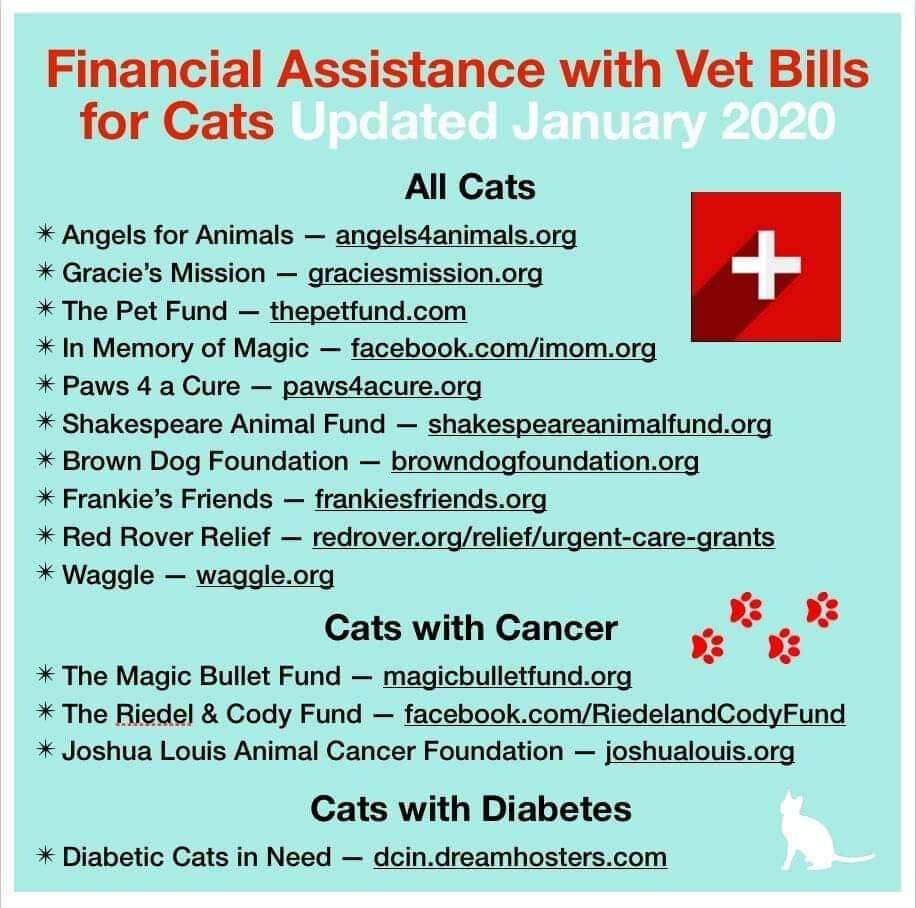
- Explore Resources for Financial and Veterinary Assistance: Numerous organizations can help ease the financial burden and provide affordable veterinary care.
- Emotional Healing and Self-Compassion: It is important to understand and embrace the difficult feelings that accompany decisions made under distress, with practices aimed at self-care and healing.
Understanding Your Emotions and Situation
You’re experiencing a tremendous mix of emotions—sadness, depression, and a profound sense of isolation—as you face the difficult and heartbreaking decision regarding your kitten’s well-being. These feelings, though overwhelming, are a common response in such distressing circumstances. It is important to acknowledge every aspect of your experience: the deep love that led you to try to alleviate suffering, the guilt accompanying the decision, and the profound loneliness that can arise when facing societal judgment.
Complex Emotions and Tough Decisions
When an animal you care for is suffering, the desire to spare it pain may lead you to consider drastic actions. The weight of such decisions, compounded by financial strain, can leave you feeling isolated and burdened with guilt. It is critical to recognize that the decision-making process in crisis is often muddled by stress, and many people in similar situations have looked into alternatives before acting.
Recognizing the Depth of Your Emotions
Grief, depression, and guilt are natural responses to situations where you believe there is no easy way out. These emotions do not define who you are. Instead of viewing the decision as a failure, consider it in the context of trying to ease suffering amidst insurmountable challenges. Embracing self-compassion may help you understand that you did what you thought was best under very difficult circumstances.
Critical Considerations and Alternative Approaches
The idea of taking your pet's life yourself is a path that carries not only severe emotional consequences, but also potentially serious legal and ethical ramifications. Professional veterinary euthanasia is designed to ensure that the process is as humane and painless as possible, while also providing you with emotional support during a grim time.
Legal and Ethical Concerns
Self-administered euthanasia for a pet can be legally problematic depending on your location. The law sometimes views the act of ending an animal's life outside of approved protocols as a criminal action, regardless of the circumstances. Ethically, acting without professional oversight might increase suffering or lead to unforeseen complications. Opting for a route that involves speaking to a veterinarian or an animal welfare organization, even when finances are constrained, might provide services on a sliding scale or offer financial aid that could mitigate the need for self-harm.
Exploring Financial Assistance and Veterinary Alternatives
Many organizations and resources are specifically designed to help pet owners during financial crises. It is worthwhile to explore local charities, animal welfare groups, and veterinary programs that offer low-cost or free services. Below is a table summarizing some key avenues you might consider:
| Type of Assistance | Description | Action Steps |
|---|---|---|
| Financial Aid | Organizations offer grants or low-cost assistance to cover emergency veterinary expenses. | Contact charities and local humane societies; inquire about payment plans. |
| Low-Cost Veterinary Clinics | Some clinics and vet schools offer services at reduced prices or even free for those in need. | Search online for local veterinary schools or mobile clinics in your area. |
| Support Groups | Online and in-person communities provide emotional support and share experiences in pet loss and difficult choices. | Look up pet loss support groups and counseling services. |
How to Proceed Safely
Instead of considering self-intervention, it is safer and more humane to explore available resources. Start by reaching out to local animal welfare organizations and veterinary professionals. Sharing your situation honestly can lead to unexpected avenues of support, including financial assistance and counseling. If cost is a barrier, inquire about sliding scale fees or emergency funds dedicated to pet care.
Prioritizing Emotional and Mental Well-Being
Your feelings of depression, sadness, and isolation are valid and deserve recognition. It is crucial for you to seek the emotional support necessary to explore and manage these thoughts. The burden you carry is heavy, but there are safe spaces available where you can share your experiences without fear of judgment.
Seeking Professional Mental Health Support
Engaging with a mental health professional—whether it’s a therapist, counselor, or support hotline—can provide you with needed guidance. Professionals can help you navigate the complex feelings of guilt and depression that come with making such difficult decisions. Expressing your inner turmoil to someone trained to help can ease the burden and guide you toward healthier coping strategies.
Useful Mental Health Resources
Crisis intervention hotlines and counseling services are available to help during moments of acute distress. Some services even address pet loss and moral injury specifically. Even if you fear judgment from others, rest assured that many mental health professionals maintain a non-judgmental, empathetic stance toward those in crisis.
Building a Support Network
Alongside professional help, consider connecting with communities or support groups that share your experiences. Online forums dedicated to pet loss or grief can be an invaluable resource, where individuals exchange stories, provide mutual aid, and share ideas on managing overwhelming decisions. These communities can help reduce feelings of isolation and provide practical advice from those who faced similar challenges.
Mental Framing for Long-Term Emotional Healing
Integrating the weight of your decision into your life’s narrative involves embracing self-compassion, openness to healing, and a commitment to personal well-being. The key is to frame your actions not as a single indecipherable moment but as part of a broader journey toward understanding your limits and caring for your emotional health.
Embracing Self-Compassion
Acknowledge that the decision you face and the feelings you’re experiencing are born from love and a desire to alleviate suffering. By allowing yourself to feel these emotions without self-condemnation, you can start to see that the choice, however painful it may feel now, was not made with malice but with the intent to protect both you and your pet from further agony.
Techniques for Emotional Processing
Consider journaling your thoughts as a way to externalize and process the complexities of your emotions. Creative outlets such as writing, drawing, or even composing a memorial ritual for your kitten can offer a structured method to honor its life, understand its impact on your life, and gradually open a path toward healing.
Developing a Resilient Mindset
Life, with its undeniable trials, often forces us to confront moral and ethical dilemmas that can leave enduring marks. Cultivating mindfulness and resilience through practices like meditation or therapy can help you build a buffer against the emotional onslaught. Over time, these practices encourage you to accept the complexity of your feelings and move forward with a clearer perspective.
Available Actions You Can Take Now
Even though the situation feels overwhelming, there are concrete steps you can take immediately. Prioritize reaching out for help—both for your kitten and for your mental health. This will not only open up paths for veterinary assistance but also provide avenues for emotional support.
Short-Term Action Plan
- Contact Local Animal Welfare Groups: They might offer emergency financial aid or humane alternatives to expensive procedures.
- Speak to a Veterinarian: Explain your financial situation. Many veterinarians have established programs or payment plans that could reduce immediate costs.
- Call a Crisis Hotline: If your depressive feelings intensify, immediately seek help by calling a mental health hotline or visiting a trusted professional.
- Reach Out to Support Communities: Look for online groups or local support meetings that focus on pet loss and difficult decision-making for emotional guidance and shared experiences.
Long-Term Strategies
- Schedule Regular Counseling: Establishing a steady connection with a mental health professional can help you manage guilt, depression, and isolation over time.
- Explore Journaling or Creative Therapies: Documenting your emotions might help create a safe space for processing your thoughts without self-judgment.
- Build a Support Network: Regularly engage with support groups where empathetic community members can offer encouragement and advice.
Practical Resources and Support Information
Veterinary and Financial Assistance
It helps to know there are charitable organizations specifically set up to assist pet owners facing financial hardships. These organizations strive to ensure that your pet can receive appropriate medical care. Often, a brief inquiry or a visit to a local animal shelter can connect you with these emergency resources.
Example Avenues to Explore
Consider researching local animal hospitals that offer reduced-cost services, veterinary schools with subsidized care, or national charities that provide help for emergency veterinary costs. These resources could reduce the need to make irreversible decisions due to financial constraints.
Emotional Support Services
Alongside professional mental health services, there are specific helplines and counseling services designed to help those dealing with pet loss or complicated feelings about important decisions. One such resource is a pet grief hotline, which offers compassionate listening and advice during moments of deep distress.
| Service Type | Description | How to Access |
|---|---|---|
| Pet Loss Hotline | Provides immediate support and counseling for pet loss and difficult decision-making. | Call the dedicated hotline number; details are often available through animal welfare websites. |
| Therapy and Counseling | Professional therapists can help you process guilt, grief, and depression. | Consult your local health services or search for online therapists specializing in grief and loss. |
| Online Support Groups | Peer-to-peer connections through forums and meetings to share experiences. | Search for pet loss or mental health support groups on social media platforms or dedicated websites. |
References
- Pet Financial Assistance Resources - Best Friends Animal Society
- Free Veterinary Care For Low Income - Helping Low Income
- Financial Assistance for Emergency Vet Care - Waggle
- Dealing with Guilt After Pet Euthanasia - Gentle Journey
- How to Deal with Guilt After Euthanizing Your Pet - Agape Pet Services
- The Pet Fund - The Pet Fund
- Financial Assistance for Pet Emergencies - Animal Humane Society
-
Financial Assistance for Veterinary Care Costs - AVMA
- Resources for Affording Your Pet - Humane World
- Animal Humane Society - Animal Humane Society
Recommended Related Queries
Last updated March 2, 2025