
Sleep Disorders and GI Cancer: Early Symptom or Hidden Risk Factor? A Critical Look
Unpacking a large German study linking recent sleep issues to gastrointestinal cancer diagnoses using evidence-based appraisal tools.
This analysis critically evaluates the research article "Are sleep disorders associated with the risk of gastrointestinal cancer?—A case–control study" by Büttner-Teleagă, A., Doege, F., Tönnies, F., Jacob, L., & Kostev, C. H. (2023), published in the Journal of Cancer Research and Clinical Oncology (DOI: 10.1007/s00432-023-05009-1). This specific study was chosen for evaluation as requested by the user via its DOI. The study investigates a potential link between documented sleep disorders and the subsequent diagnosis of various gastrointestinal (GI) cancers, including gastric, pancreatic, and colorectal cancer, using data from a large German primary care database (IQVIA Disease Analyzer). Evaluating this study is crucial because it addresses an important clinical question: could sleep problems signal an underlying cancer? Understanding the strengths and limitations of this research helps determine its relevance for clinical practice and future research directions.
Highlights of the Appraisal
- Recent Sleep Disorders Linked to GI Cancer: The study found a statistically significant association between sleep disorders documented within one year prior to a GI cancer diagnosis (OR 1.20), but not for sleep disorders documented earlier.
- Symptom, Not Necessarily Cause: The timing of the association suggests sleep disturbances might be an early symptom or consequence of an undetected tumor (e.g., due to inflammation) rather than a long-term risk factor causing the cancer.
- Methodological Strengths and Weaknesses: While the study benefits from a large sample size and propensity score matching to control for confounders, its reliance on non-specific ICD-10 codes for sleep disorders limits the ability to draw conclusions about specific conditions like insomnia or sleep apnea.
Critical Appraisal Using the CASP Framework
Applying the CASP Case-Control Checklist
To rigorously evaluate this study, we utilize the principles outlined in the Critical Appraisal Skills Programme (CASP) checklist for Case-Control Studies. This framework helps assess the validity of the study's findings, the reliability of its methods, and the applicability of its results to clinical practice.
Section 1: Assessing the Validity of the Study
- Focused Research Question: The study clearly aimed to determine if a documented history of sleep disorders is associated with a diagnosis of GI cancer. The population (German primary care patients), exposure (ICD-10 coded sleep disorders), and outcome (ICD-10 coded GI cancers) were well-defined. (CASP Question 1)
- Appropriate Study Design: A retrospective case-control design was employed. Cases (n=37,161 GI cancer patients diagnosed 2010-2022) were compared to controls (n=37,161 patients without cancer). This design is suitable for exploring associations with relatively rare outcomes like specific GI cancers but is susceptible to biases, particularly recall bias (less relevant here due to database use) and selection bias. (CASP Question 2)
- Selection of Cases and Controls: Cases were identified via specific ICD-10 codes for digestive tract cancers (C15-C26). Controls were meticulously matched 1:1 using propensity scores based on age, sex, index year, pre-diagnostic observation time, and several important comorbidities known to increase GI cancer risk (e.g., diabetes, obesity, IBD, liver disease, COPD). Using controls from the same database population helps minimize selection bias related to healthcare access differences. This matching strategy is a significant strength. (CASP Questions 3 & 4)
- Accurate Measurement of Exposure: Exposure (sleep disorders) was ascertained using documented ICD-10 codes (G47.x) in patient records. A major limitation, acknowledged by the authors and critical under CASP assessment, is the lack of specificity. Most codes were for 'unspecified sleep disorder' (G47.9), making it impossible to differentiate between conditions like insomnia, obstructive sleep apnea (OSA), or restless legs syndrome, which might have different biological links to cancer. This potential misclassification bias weakens the findings regarding specific sleep disorder types. (CASP Question 5)
- Accounting for Confounding Factors: The propensity score matching addressed several key confounders (age, sex, observation time, specific comorbidities). Stratified analyses by age and sex were also performed. This demonstrates a strong effort to control for known confounders. However, information on crucial lifestyle factors like smoking, alcohol consumption, diet, physical activity, and socioeconomic status was likely unavailable in the database and thus not adjusted for. Residual confounding from these unmeasured factors could still influence the observed association. (CASP Question 6)
Section 2: Understanding the Results
- Magnitude and Precision of Association: The study found no statistically significant association between sleep disorders documented anytime in the patient's history prior to the index date and overall GI cancer risk (Odds Ratio [OR] 1.04, 95% Confidence Interval [CI] 0.96–1.12). However, a modest positive association emerged for sleep disorders documented within one year before the index date (OR 1.20, 95% CI 1.08–1.34). This suggests a roughly 20% increased odds of having a recent sleep disorder diagnosis among GI cancer cases compared to controls. Stratified analyses showed statistically significant associations for this recent exposure in the 61-70 age group (OR 1.48, 95% CI 1.18–1.86) and in men (OR 1.29, 95% CI 1.11–1.49). While some site-specific analyses (gastric, pancreas, colorectal) showed trends towards positive associations, they did not reach the adjusted statistical significance threshold (p < 0.01). The confidence intervals for the significant findings are relatively narrow, indicating reasonable precision, likely due to the large sample size. (CASP Questions 7 & 8)
- Believability and Interpretation: The results are plausible but must be interpreted cautiously due to the limitations mentioned (exposure measurement, potential residual confounding). The stronger association with recent sleep disorders strongly supports the authors' hypothesis that these disorders might represent an early symptom or manifestation of the underlying cancer (e.g., due to tumor-related inflammation, pain, or anxiety) rather than a long-term causal risk factor. This concept is sometimes referred to as reverse causation or protopathic bias. (CASP Question 9)
Section 3: Relevance and Applicability
- Applicability to Other Populations: The findings are derived from a large German primary care database. They may be generalizable to similar populations in other Western countries with comparable healthcare systems and lifestyle patterns associated with GI cancer risk. However, caution is needed when extrapolating to populations with different demographics, genetic backgrounds, healthcare access, or prevalence of sleep disorders and GI cancers. (CASP Question 10)
- Consistency with Other Evidence: The literature on sleep disorders and cancer risk is mixed. Some studies suggest links between specific disorders like OSA and certain cancers, potentially mediated by intermittent hypoxia and inflammation, while others find no association or conflicting results. The current study's finding potentially leaning towards sleep issues as a symptom aligns with the known high prevalence of sleep disturbances in diagnosed cancer patients. (Implicit in CASP)
- Clinical Implications: The study's primary implication is not that treating sleep disorders will prevent GI cancer based on this evidence. Instead, it suggests that clinicians encountering new-onset or worsening sleep complaints, particularly in older men (61-70 years), might consider these as non-specific potential indicators warranting vigilance and appropriate assessment based on established guidelines and overall clinical picture. It highlights sleep as a factor potentially relevant to the diagnostic process rather than primary prevention based on this study alone. (CASP Question 11)
Visualizing Study Quality: A Radar Chart Perspective
The radar chart below provides a visual summary of the appraised quality aspects of the Büttner-Teleagă et al. (2023) study, based on the CASP evaluation. Scores are subjective estimations on a scale where higher values indicate stronger performance in that aspect (minimum score axis starts at 3 for clarity).
This chart highlights the study's strengths, such as its large sample size and robust matching strategy, while also pointing out the significant limitation in exposure measurement accuracy due to non-specific coding.
Mapping the Study's Landscape
The following mindmap illustrates the key components of the research article by Büttner-Teleagă et al. (2023) and its critical appraisal, providing a structured overview of the study's design, findings, and implications.
Summary of Key Statistical Findings
The table below summarizes the main statistical results reported in the study, focusing on the Odds Ratios (ORs) and their 95% Confidence Intervals (CIs) for the association between sleep disorders and gastrointestinal cancer diagnosis.
| Analysis Group | Exposure Timeframe | Odds Ratio (OR) | 95% Confidence Interval (CI) | Statistical Significance (p < 0.01) |
|---|---|---|---|---|
| Overall GI Cancer | Any time prior to index date | 1.04 | 0.96 – 1.12 | No |
| Overall GI Cancer | Within 1 year prior to index date | 1.20 | 1.08 – 1.34 | Yes |
| GI Cancer in Age Group 61-70 | Within 1 year prior to index date | 1.48 | 1.18 – 1.86 | Yes |
| GI Cancer in Men | Within 1 year prior to index date | 1.29 | 1.11 – 1.49 | Yes |
| Gastric Cancer | Within 1 year prior to index date | 1.29* | 1.00 – 1.66* | No* (Trend) |
| Pancreatic Cancer | Within 1 year prior to index date | 1.28* | 1.02 – 1.61* | No* (Trend) |
| Colorectal Cancer | Within 1 year prior to index date | 1.13* | 0.99 – 1.29* | No* (Trend) |
*Note: Site-specific ORs showed trends but did not meet the study's pre-defined threshold for statistical significance (p < 0.01) after adjusting for multiple comparisons, though some CIs approach or slightly cross 1.0.
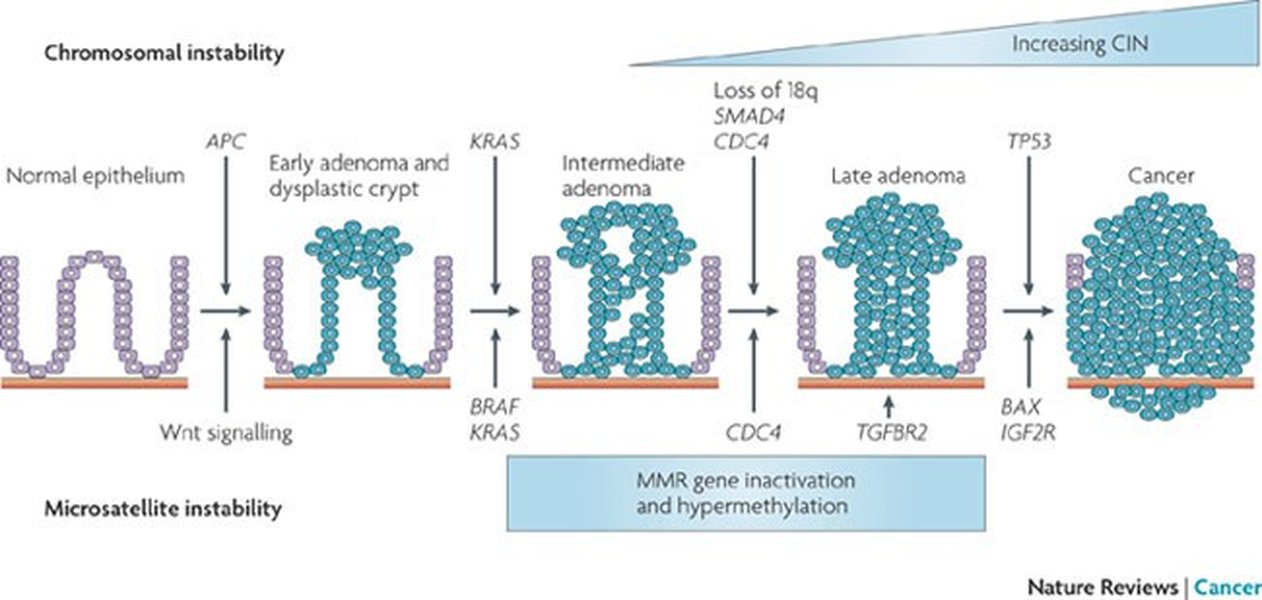
Understanding the development pathways of colorectal cancer, one of the GI cancers included in the study.
Guidance on Critical Appraisal
Understanding the Process
Critically appraising scientific literature is a fundamental skill in evidence-based practice. It involves systematically evaluating research studies to judge their trustworthiness, value, and relevance in a particular context. The video below provides an overview of this essential process.
Video explaining the concept and importance of critical appraisal in evaluating research literature.
This process, often guided by tools like the CASP checklists, helps healthcare professionals and researchers distinguish high-quality evidence from studies with significant limitations, ensuring that clinical decisions and health policies are based on the most reliable information available.
Evidence-Based Practice (EBP) and Recommendations
Defining EBP
Evidence-Based Practice (EBP) is a systematic approach to clinical problem-solving and decision-making in healthcare. It involves the "conscientious, explicit, and judicious use of current best evidence in making decisions about the care of individual patients" (Sackett et al., 1996, often cited in EBP literature and foundational to CASP principles). More broadly, EBP integrates three core components:
- Best Research Evidence: Findings from high-quality, clinically relevant research, particularly patient-centered clinical studies.
- Clinical Expertise: The clinician's own experience, knowledge, and skills accumulated over time.
- Patient Values and Preferences: The unique preferences, concerns, expectations, and values that the individual patient brings to the clinical encounter.
The goal of EBP is to improve patient outcomes and provide high-quality, effective, and efficient healthcare by grounding clinical practice in scientific evidence while respecting patient individuality.

The core components of Evidence-Based Practice: Best Evidence, Clinical Expertise, and Patient Values.
Incorporating Study Findings into EBP
The findings from the Büttner-Teleagă et al. (2023) study should be incorporated into Evidence-Based Practice with considerable caution and primarily for raising clinical awareness rather than changing established practices like GI cancer screening guidelines.
Reasons for Cautious Incorporation:
- Study Limitations: As identified by the CASP appraisal, the study has significant limitations, particularly the non-specific measurement of sleep disorders and the potential for residual confounding. The retrospective case-control design cannot establish causality and is prone to bias. This means the study does not represent the highest level of evidence (like a large randomized controlled trial or prospective cohort study).
- Risk of Reverse Causation: The stronger association found only for sleep disorders diagnosed shortly before cancer diagnosis strongly suggests that the sleep problems might be a consequence or early symptom of the underlying malignancy, rather than a contributing cause. Tumors can release inflammatory substances (cytokines) that disrupt sleep, and cancer-related symptoms like pain or anxiety can also interfere with sleep.
- Modest Effect Size: The observed Odds Ratio (OR = 1.20 for recent sleep disorders) indicates a relatively small increase in odds, which may not translate into a clinically significant risk change for most individuals, especially when weighed against established risk factors.
- Inconsistent Literature: The broader evidence base regarding sleep duration/disorders and overall or GI-specific cancer risk remains inconsistent and complex.
Recommendations for EBP Integration:
- Clinical Awareness: The study serves as a reminder for clinicians to be attentive to new or worsening sleep complaints, especially in patients with other potential risk factors or concerning symptoms, and particularly in the demographic subgroups identified (men, aged 61-70). It adds sleep disturbance to the list of non-specific symptoms that might warrant further investigation in certain contexts.
- Hypothesis Generation: The findings are valuable for generating hypotheses for future research. Prospective studies with objective sleep measures (e.g., polysomnography, actigraphy), detailed data on specific sleep disorders, and comprehensive assessment of confounders are needed to clarify the relationship. Investigating the biological mechanisms (e.g., inflammation) is also crucial.
- No Change to Screening Guidelines: This single study, given its limitations and potential for reverse causation, does not provide sufficient evidence to alter current GI cancer screening recommendations (e.g., age for colonoscopy initiation, screening intervals). Screening decisions should continue to be based on established guidelines considering age, family history, and other validated risk factors.
- Patient Communication: When discussing sleep health with patients, clinicians can acknowledge the complex interplay between sleep and overall health, including potential links to chronic diseases, without causing undue alarm about cancer risk based solely on sleep problems.
In essence, the study contributes a piece to the complex puzzle of sleep and cancer but should be viewed as exploratory or hypothesis-generating within the EBP framework, prompting vigilance and further research rather than immediate changes in clinical protocols.
Frequently Asked Questions (FAQ)
What is a case-control study?
A case-control study is a type of observational study where researchers identify individuals with a particular outcome or disease (the 'cases') and compare them to individuals without that outcome (the 'controls'). They then look back retrospectively to determine the frequency of exposure to a potential risk factor (like a sleep disorder in this study) in each group. This design is useful for studying rare diseases or outcomes and exploring potential associations, but it cannot definitively prove cause and effect due to its retrospective nature and susceptibility to various biases.
Why did this study use propensity score matching?
Propensity score matching is a statistical technique used in observational studies to reduce selection bias and confounding when comparing groups (like cases and controls). It estimates the probability (propensity score) of an individual belonging to the 'case' group based on a set of observed characteristics (like age, sex, comorbidities). By matching cases and controls with similar propensity scores, researchers can create groups that are more comparable on those measured characteristics, making the comparison of the exposure's effect (sleep disorders) more reliable, similar to how randomization works in clinical trials, but limited to observed factors.
What does the Odds Ratio (OR) of 1.20 mean?
An Odds Ratio (OR) compares the odds of an exposure (having a recent sleep disorder diagnosis) among the cases (GI cancer patients) to the odds of the exposure among the controls (patients without GI cancer). An OR of 1.20 means that the odds of having a sleep disorder documented within the past year were 20% higher for patients diagnosed with GI cancer compared to the matched controls without cancer. An OR greater than 1 suggests a positive association, an OR less than 1 suggests a negative association, and an OR of 1 suggests no association. The 95% Confidence Interval (1.08–1.34) indicates that we can be 95% confident that the true OR lies within this range; since it does not include 1.0, the result is considered statistically significant at the conventional p<0.05 level (and also met the study's stricter p<0.01 threshold).
Could sleep disorders cause GI cancer, or could cancer cause sleep disorders?
This study cannot definitively answer that question due to its design. While some theories suggest mechanisms by which chronic sleep disruption (e.g., via inflammation or hormonal changes) could potentially increase cancer risk over the long term, this study's finding of an association primarily with recent sleep disorders (within 1 year before diagnosis) points more strongly towards reverse causation. This means the developing, yet potentially undiagnosed, cancer itself (or its associated symptoms like pain, anxiety, or biological effects like inflammation) might be causing the sleep disturbances. Both directions are biologically plausible, but the specific timing observed here leans towards sleep issues being an effect or early symptom in this context.
How applicable are these findings outside of Germany?
The study was conducted using data from a large German primary care database. While the findings might be relevant to other Western industrialized countries with similar population demographics, lifestyle factors associated with GI cancer, and healthcare systems, direct applicability cannot be assumed. Differences in healthcare access, diagnostic practices (including how sleep disorders are coded), prevalence of GI cancers and sleep disorders, and population genetics could influence whether the same associations hold true elsewhere. Therefore, while potentially informative, the results should be considered within the context of the German population studied, and further research in diverse populations is needed for broader generalization.
References
- Are sleep disorders associated with the risk of gastrointestinal cancer?—A case–control study - SpringerLink
- CASP Checklists - CASP UK
-
CASP Case Control Study Checklist - CASP UK
- Nursing Professional Development Evidence-Based Practice - NCBI Bookshelf
-
Epidemiology, Risk Factors, Development, Symptoms, and Diagnosis in Colorectal Cancer - NCBI PMC
-
Sleep disorders and cancer: emerging evidence and potential mechanisms - Taylor & Francis Online (Example related context cited in Answer B)
Recommended Reading
Last updated April 25, 2025