
How Cryptocurrency Markets Influence Price Predictions
Exploring the interplay of market dynamics, sentiment, and economic indicators
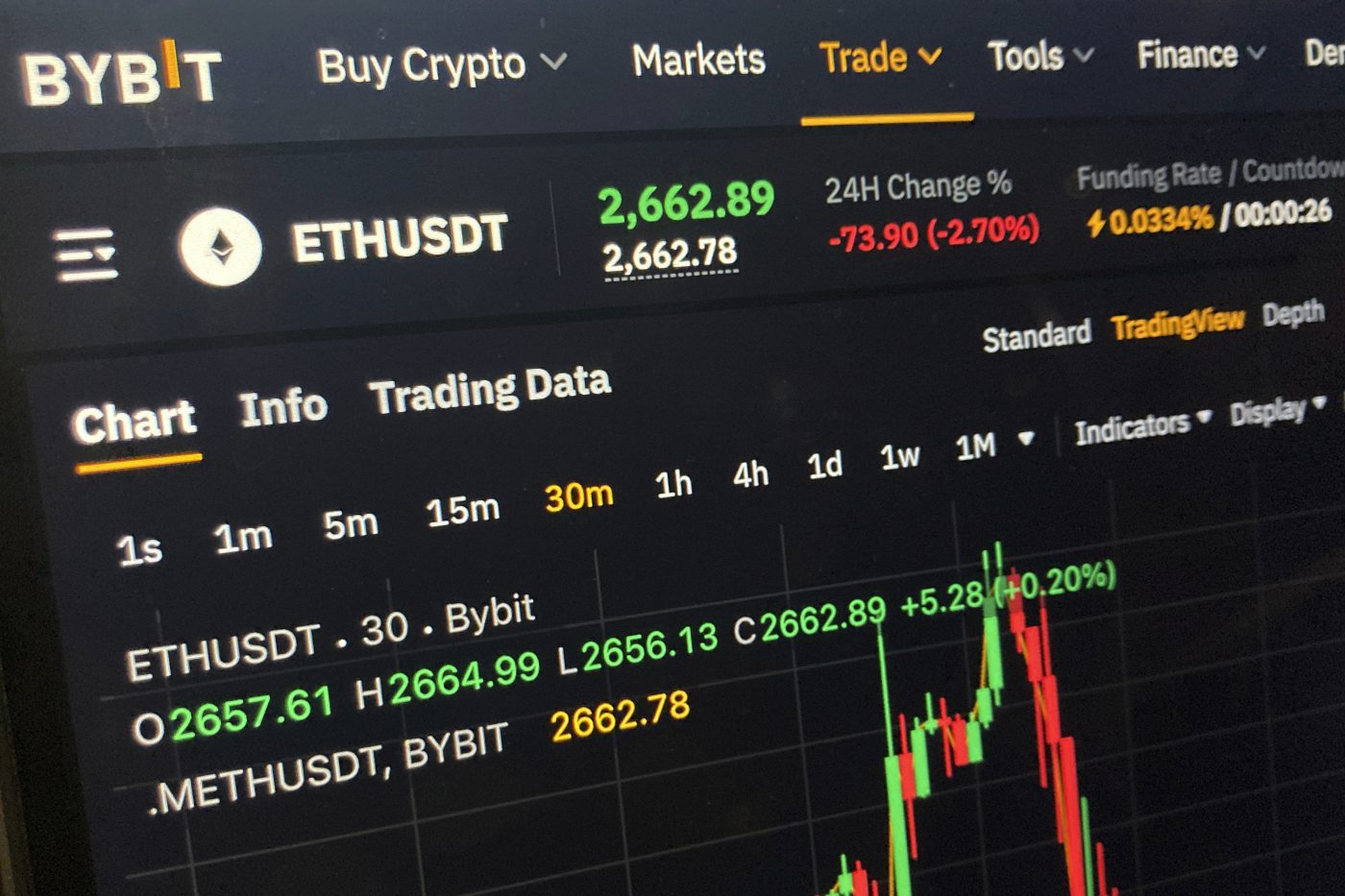
Key Insights
- Market Sentiment and Economic Indicators: News, trends, and macroeconomic data play a pivotal role in influencing price predictions.
- Technical & Fundamental Analysis: Historical price trends, technical indicators, and underlying project fundamentals are essential for forecasting.
- Supply, Demand, and Regulatory Factors: The dynamics of supply and demand, combined with regulatory frameworks, create a unique environment that affects cryptocurrency prices.
Understanding the Foundations
Cryptocurrency markets are characterized by their inherent volatility and complexity. These markets comprise numerous variables that interact with each other to shape the price of a digital asset. Since cryptocurrencies trade 24/7 in a global marketplace, price predictions rely on a multifaceted analysis that includes both quantitative and qualitative assessments.
Market Dynamics and Price Formation
At the core of cryptocurrency markets is the basic economic principle of supply and demand. The supply of a cryptocurrency can be fixed or inflating, which, when combined with fluctuating demand, creates opportunities for price movements. In markets where the supply is limited and demand is consistently high, prices are more likely to increase. Conversely, if supply outstrips demand, price declines are common. This physical principle is augmented by numerous external factors that add complexity:
Supply and Demand Interactions
Supply and demand remain the most fundamental pillars in determining the value of any asset. In cryptocurrency markets, these interactions are influenced by:
- Total Supply and Circulating Supply: Finite supply cryptocurrencies, like Bitcoin, highlight scarcity, which can drive price appreciation. The circulating supply determines the immediate availability of coins for trading.
- Market Demand: Demand is driven by investor interest, increased adoption, and trading volumes. A heightened demand against a constricted supply framework results in bullish price action.
The basic economic equation here is that price tends to rise when demand exceeds supply and falls when the opposite is true.
Sentiment and News Impact
Investor sentiment plays an indispensable role in the cryptocurrency markets. Sentiment is shaped by the collective psychology of market participants and can be influenced by several factors:
Social Media and Public Perception
Social media platforms, online forums, and news outlets are crucial channels through which information (or misinformation) spreads quickly. Positive sentiment driven by news about technological upgrades, celebrity endorsements, or significant partnerships can lead to a surge in interest and higher prices. Conversely, negative news such as security breaches, regulatory crackdowns, or market manipulation can abruptly reverse the mood of the market. Analysts use sentiment analysis tools to capture these shifts and gauge potential market movements.
Media Coverage and Event-Driven Sentiment
Apart from social media, traditional media coverage and breaking news have historically influenced markets. Major announcements regarding government regulations, legal battles, or macroeconomic shifts can trigger rapid and sometimes unpredictable price movements. Investors must therefore integrate sentiment signals with other types of analysis to form a holistic picture.
Role of Economic Indicators
Economic indicators provide broader context for understanding cryptocurrency price movements. Factors such as inflation, interest rates, and GDP growth indirectly influence investors’ risk appetites and asset preferences.
Macroeconomic Conditions
Economic conditions in traditional financial markets often correlate with trends in the cryptocurrency space. For instance:
- Inflation and CPI: In times of high inflation, investors might look to cryptocurrencies as a hedge, thereby increasing demand and, subsequently, prices.
- Interest Rates: Lower interest rates encourage investments in riskier assets. As legitimate economic policies keep conventional interest rates low, more capital may flow into cryptocurrencies, spurring further price advancement.
- GDP and Economic Growth: A robust economy often creates a favorable investment environment, which helps build investor confidence. This can benefit cryptocurrencies as part of diversified investment portfolios.
Cross-Market Correlations
Although cryptocurrencies were once considered independent of traditional financial markets, increasing interconnections now suggest that market trends can overlap. For example, downturns in the stock market may drive risk-averse investors towards or away from crypto assets depending on the prevailing economic narrative.
Analytical Tools and Predictive Techniques
Given the intricate nature of cryptocurrency markets, various analytical tools and predictive models have been developed to forecast price movements. These methods integrate both quantitative and qualitative data to produce more reliable predictions.
Technical Analysis
Technical analysis involves scrutinizing historical price charts, volume data, and recurring patterns to predict future price movements. Some of the primary technical indicators include:
Moving Averages
Moving averages, such as the 21-day, 50-day, and 200-day averages, help smooth out price data and assist in identifying long-term trends. Combining various moving averages allows traders to observe “golden crosses” or “death crosses,” which signal potential bullish or bearish trends respectively.
Oscillators and Momentum Indicators
Oscillators like the Relative Strength Index (RSI) and the Moving Average Convergence Divergence (MACD) are used to determine momentary overbought or oversold conditions. These signals are critical in timing entries and exits in the market.
Fundamental Analysis
Unlike conventional equities, fundamental analysis in the cryptocurrency space considers factors that evaluate intrinsic value based on technological innovation, network utility, and projected adoption rates. Key areas include:
Intrinsic Value Assessment
Evaluators consider the underlying technology of a cryptocurrency, including its blockchain or consensus mechanism, scalability, and security enhancements. The team behind the project and its long-term vision often play crucial roles in affirming its intrinsic value.
Adoption and Network Effects
A cryptocurrency's practical utility is measured by how widely it is adopted. When more users integrate a cryptocurrency into daily transactions or smart contracts, its network effect is enhanced, positively influencing its valuation.
Advanced Predictive Models
In addition to traditional methods, machine learning algorithms and advanced statistical models are increasingly used to predict price movements. These models combine historical pricing data, sentiment analysis data, macroeconomic variables, and even social media trends to improve the accuracy of predictions.
Machine Learning Integration
Machine learning techniques can analyze large datasets far more efficiently than traditional methods. By using vast amounts of historical and real-time data, these models identify subtle patterns that might elude human analysts. Techniques such as regression analysis, time-series forecasting, and neural networks have all been applied to maximize predictive performance.
Combining Mixed Methods
A hybrid approach that fuses technical, fundamental, and sentiment analyses offers a comprehensive framework. This multifactor strategy acknowledges that cryptocurrency markets do not operate in isolation; instead, they are influenced by a web of interconnected factors. Integrating these methods can provide a more complete picture, accommodating for the market's rapid shifts.
The Impact of External Factors
External events and policy changes further contribute to market unpredictability and, consequently, influence price predictions. These factors often create sudden market movements and add layers of complexity to any analytical model.
Regulatory Environment
Government policies and legal developments are among the most influential external factors. Regulatory announcements can instigate immediate market reactions, as investors adjust their strategies according to new compliance requirements or potential restrictions. Positive regulatory developments, such as clear guidelines or endorsements of digital currencies, can instill confidence, leading to bullish price surges. Conversely, strict regulatory measures or bans tend to dampen market sentiment, resulting in rapid price declines.
Technological Advancements and Updates
The pace of technological innovation within the blockchain sector is another major driver of cryptocurrency prices. Announcements of significant technology upgrades, protocol enhancements, or the introduction of new features can significantly influence investor confidence. When market participants perceive that a cryptocurrency is poised to overcome technical challenges or broaden its user base, bullish behavior often follows.
Global Events and Macroeconomic Shifts
Events on a global scale—ranging from shifts in geopolitical stability to major economic policies—play a substantial role in shaping market dynamics. In times of global uncertainty, some investors may view cryptocurrencies as a safe haven, leading to increased trading activities and potentially higher prices. However, heightened uncertainty might also trigger market panic, contributing to rapid sell-offs.
Data-Driven Insights and Visualization
Analyzing trends in cryptocurrency markets often involves the integration of vast datasets to facilitate visualizations. Such data not only aid in understanding historical trends but also in presenting comprehensive market analyses.
| Factor | Description | Impact on Price Predictions |
|---|---|---|
| Technical Analysis | Studies price charts, moving averages, and momentum indicators. | Helps in identifying short-term trends and entry/exit points. |
| Fundamental Analysis | Assesses intrinsic value based on technology, network adoption, and team quality. | Guides long-term investment decisions by evaluating underlying strength. |
| Market Sentiment | Gauges collective investor emotions through social media, news, and forums. | Can lead to rapid pricing shifts following major news events. |
| Supply and Demand | Evaluates scarcity and market interest. | Serves as the fundamental economic driver for price movements. |
| Regulatory Impact | Considers changes in legal and governmental stances. | Introduces significant volatility depending on policy announcements. |
Synthesis of Influencing Variables
The underlying principles of cryptocurrency markets demonstrate that price predictions are not solely dependent on singular factors but on a comprehensive mix of elements. Investors and analysts combine these influences through:
Integrated Analysis Approach
A multi-layered approach involves both qualitative and quantitative assessments, ensuring that models remain robust even amid market volatility. This integrated analysis marries:
- Historical Data: Using patterns and cycles from past price movements, analysts identify recurring trends that can be projected into the future.
- Sentiment Analysis: Monitoring sentiment across digital platforms provides real-time feedback on investor moods, supplementing technical and fundamental data.
- Macroeconomic Trends: Factoring in broader economic conditions adds context, ensuring that predictions account for external influences.
The confluence of these aspects reinforces the predictive models and equips investors with a deeper understanding of potential market directions.
Risk and Uncertainty Management
Given the volatile nature of cryptocurrency markets, predictions always carry inherent uncertainties. Analysts incorporate risk management strategies and probabilistic approaches to account for market anomalies. By recognizing that no prediction model is foolproof, traders continually adjust their strategies in response to evolving market conditions.
References
- Binance Price Prediction - Binance
- CoinCodex Predictions - CoinCodex
- Cryptocurrency Price Predictions - Capex
- How Does a Cryptocurrency Gain Value - CoinLedger
- Understanding Cryptocurrency Prices - CoinMarketCap Academy
-
Macroeconomic Indicators and Crypto Market - Crypto.com
- Impact of Economic Indicators on Crypto - CryptoNews
- Impact of US Market News - AltSignals
- Factors Influencing Cryptocurrency Prices - Enrichest
-
Cryptocurrency Market Dynamics - ScienceDirect
Recommended Queries for Deeper Insights
Last updated March 3, 2025