
Cryptocurrency Spot Trading Explained
A comprehensive guide to immediate digital asset transactions
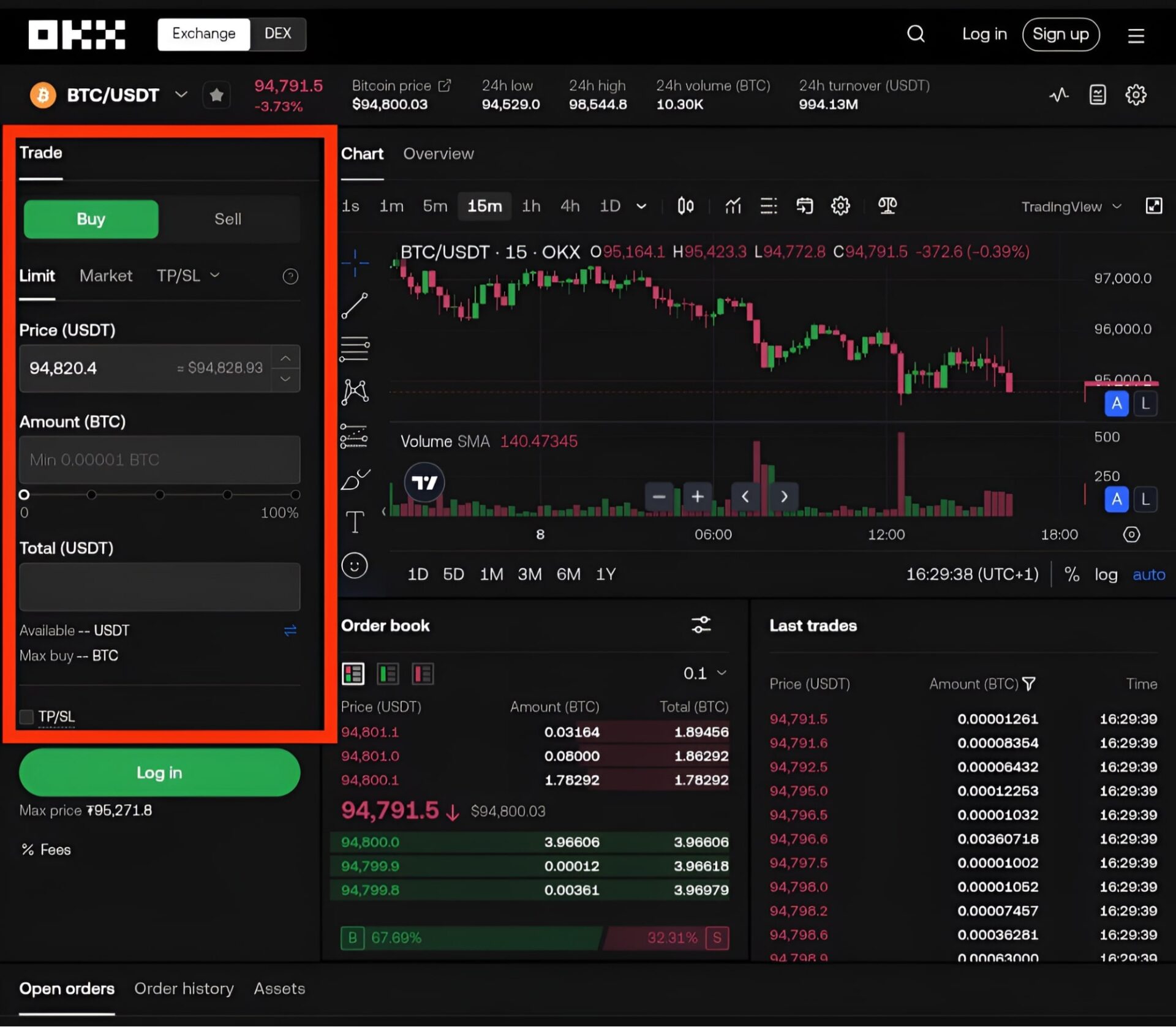
Key Insights
- Immediate Settlement: Transactions occur instantly, transferring ownership directly between parties.
- Simplicity and Direct Ownership: Spot trading involves buying or selling digital currencies at current market prices, without leverage or borrowing.
- Risk and Volatility: The inherent market volatility of cryptocurrencies is fundamental, making thorough research and risk management essential.
Understanding Spot Trading
Cryptocurrency spot trading is the process whereby digital assets are bought or sold at their current market price, known as the "spot price." This method of trading entails the immediate settlement of trades. As soon as a buyer and a seller agree on the terms, the assets are exchanged without delay. Unlike futures or options trading, spot trading means that the trader gains direct ownership of the asset at once.
Immediate Settlement and Direct Ownership
One of the most distinctive features of spot trading is the immediate settlement of transactions. When you execute a trade on a spot market:
- The seller transfers the digital asset directly to the buyer's wallet.
- The buyer pays using available funds in their account, which could be a fiat currency or another cryptocurrency.
- This direct and instantaneous process ensures that both parties realize the trade at the prevailing market prices, which fluctuate based on supply and demand.
Simple Process and Accessibility
Spot trading is often favored by beginners due to its straightforward nature. Here is a simplified progression of how spot trading is typically performed:
| Step | Description |
|---|---|
| 1. Choosing a Platform | Select a reputable cryptocurrency exchange (e.g., Binance, Coinbase, Kraken) that supports spot trading. |
| 2. Creating an Account | Register on the chosen platform and complete identity verification procedures. |
| 3. Funding Your Account | Deposit fiat currencies or transfer an existing cryptocurrency into your account. |
| 4. Selecting a Trading Pair | Decide on the cryptocurrency pair you wish to trade (for instance, BTC/USD or ETH/BTC). |
| 5. Executing the Trade | Place either a market order for immediate execution or a limit order to trade at a specific price point. |
Pros and Cons of Spot Trading
Benefits of Spot Trading
Spot trading presents several advantages that make it an attractive option, especially for newer traders.
- Simplicity: The process is straightforward with immediate settlements, reducing the complexity seen in leveraged or margin trading.
- Direct Ownership: Trading on the spot market gives you actual possession of the cryptocurrency, which can later be transferred, used for additional financial operations, or held as a long-term investment.
- Lower Costs: Generally, fees for spot trades are lower compared to those associated with margin or futures trading. This makes it an economically appealing option for many investors.
- No Borrowing Risk: Since spot trading avoids leverage, traders do not incur the risk of margin calls or debt that is common in leveraged trading scenarios.
Challenges and Risks
Despite its many advantages, spot trading is not without challenges. Understanding these risks is crucial for informed trading decisions.
- Market Volatility: The cryptocurrency market is highly volatile. Rapid price movements can lead to sudden losses, making risk management an essential practice.
- Limited Profit Potential: Without the possibility of leveraging funds, the potential gains are constrained to the capital available in the account.
- Security Concerns: Direct ownership requires traders to take responsibility for securing their digital assets. This includes using strong passwords, two-factor authentication, and secure wallets to protect against hacking or theft.
- Dependence on Reliable Exchanges: The experience and security of your trades depend heavily on the reputation and safety measures implemented by the chosen cryptocurrency exchange.
Comparative Analysis: Spot Trading vs. Other Trading Strategies
Spot Trading versus Futures and Margin Trading
Unlike spot trading, alternatives such as futures or margin trading involve contracts or borrowed funds, respectively. Here are the core distinctions:
| Aspect | Spot Trading | Futures/Margin Trading |
|---|---|---|
| Ownership | Immediate ownership of the asset | Speculative contracts without asset ownership |
| Settlement | Immediate transaction and settlement | Settlement occurs at a future date |
| Leverage | No leverage involved | Leverage amplifies gains and losses |
| Risk | Risk limited to the investment amount | Potential for additional losses due to borrowed funds |
| Complexity | Simple and beginner-friendly | Complex, requiring advanced knowledge and risk management |
Use Cases for Spot Trading
Spot trading is well-suited to both short-term traders looking to capitalize on minute-to-minute price swings and long-term investors who value the ability to own their cryptocurrencies outright. The immediate nature of the transaction offers liquidity, ensuring that traders can readily enter or exit the market based on their needs and market conditions.
Additional Considerations
Successful spot trading combines technical analysis, market research, and an understanding of economic indicators. Monitoring global news events, technological advancements, and policy changes can further refine trading strategies. Traders often utilize charts, historical price data, and trend analyses to pinpoint optimal entry and exit points. Moreover, the availability of multiple currency pairs on leading exchanges provides diversified opportunities for generating returns.
Practical Guide to Initiating Spot Trading
Step-by-Step Process
For those ready to begin with spot trading, here is a consolidated roadmap:
- Research Platforms: Examine various exchanges for security, fees, user interface, and liquidity. Opt for well-established names like Binance, Coinbase, or Kraken.
- Set Up Your Account: Register with your chosen exchange and ensure you complete all verification steps to secure your account.
- Deposit Funds: Transfer fiat or cryptocurrency to your account, ensuring you understand the deposit methods and any potential fees.
- Select a Trading Pair: Analyze market conditions and decide on the cryptocurrency pair that suits your strategy.
- Execute Orders: Choose whether you wish to place a market order for an immediate trade or a limit order to trade when conditions meet your specified price.
Monitoring and Adjustments
Once your trade is executed, active monitoring of the market is essential. Given the volatility of the cryptocurrency space, staying updated with market trends, price movements, and relevant news is critical. Many traders employ stop-loss orders to safeguard against severe downturns and periodically review trading strategies to optimize performance.
References
- What is Spot Trading in Crypto and How Does It Work? - Coinbase
- Spot Trading in Crypto: A Comprehensive Guide - Gemini
- Understanding Cryptocurrencies Spot Trading - Forbes
- How Spot Trading Works in Crypto - CoinDesk
- Spot Trading in the Crypto Market - Token Metrics
Recommended Further Queries
Last updated March 18, 2025