
Is Your Crypto Truly Safe? The Definitive Guide to Wallet Storage in 2025
Discover why managing your own crypto keys is paramount for security and control over your digital assets.
As of May 17, 2025, the consensus in the cryptocurrency community is a resounding yes: it is highly recommended to store your cryptocurrency in a dedicated wallet. This practice is fundamental for safeguarding your digital assets against a myriad of risks, primarily offering enhanced security and greater control compared to leaving them on exchanges.
Key Insights: Why a Crypto Wallet is Essential
- Unparalleled Security: Wallets, especially hardware (cold) wallets, protect your private keys from online threats, significantly reducing the risk of theft from exchange hacks or platform failures.
- Full Asset Control (Self-Custody): Using a personal wallet means you hold your private keys, granting you sole authority over your crypto. You're not reliant on a third-party exchange's solvency or operational status.
- Diverse Options for Different Needs: Whether you need quick access for trading (hot wallets) or maximum security for long-term holding (cold wallets), there's a wallet type suited to your specific requirements.
The Risks of Exchange Storage vs. The Power of Self-Custody
When you purchase or trade cryptocurrency on an exchange, the exchange typically holds your crypto in custody. This means they control the private keys associated with your funds. While convenient for active trading, this custodial arrangement exposes your assets to several significant risks:
- Exchange Hacks: Centralized exchanges are prime targets for hackers due to the large volumes of cryptocurrency they hold. Numerous high-profile breaches have resulted in substantial losses for users.
- Platform Insolvency: Cryptocurrency exchanges can face financial difficulties or bankruptcy (e.g., historical cases like Mt. Gox, BlockFi, Celsius, Voyager). In such scenarios, users can lose access to their funds or face lengthy legal battles to recover them.
- Lack of Direct Control: Exchanges can impose withdrawal limits, freeze accounts, or temporarily halt trading due to regulatory pressures, technical issues, or security concerns, restricting your access to your own assets.
Storing your crypto in a personal wallet mitigates these risks. By holding your own private keys—the secret alphanumeric codes that grant access to your cryptocurrency—you achieve "self-custody." This means you, and only you, have ultimate control over your digital wealth.
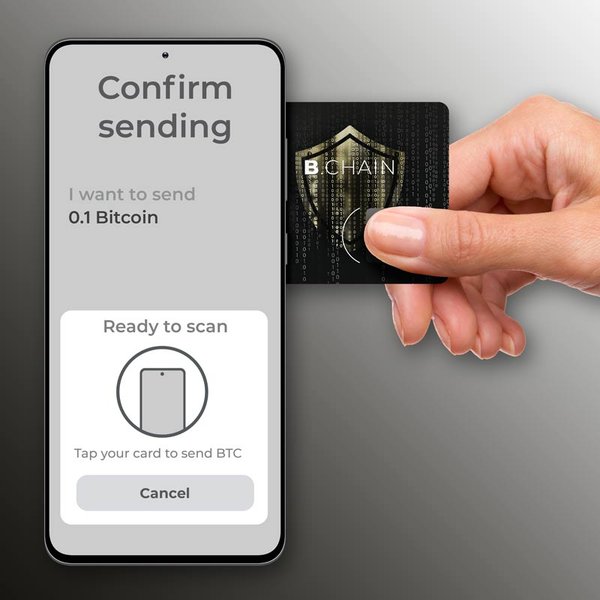
A modern card-based hardware wallet, an example of secure cold storage.
Navigating the World of Crypto Wallets: Types and Features
Cryptocurrency wallets are broadly categorized into two main types: hot wallets and cold wallets. Understanding their differences is crucial for making informed decisions about how to store your crypto.
Hot Wallets: Convenience for the Active User
What Are They?
Hot wallets are software-based wallets that are connected to the internet. They can take the form of desktop applications, mobile apps (e.g., Trust Wallet, Exodus, Coinbase Wallet), or browser extensions (e.g., MetaMask). Their online nature makes them readily accessible for frequent transactions, interacting with decentralized applications (dApps), and managing smaller crypto balances.
Pros:
- Accessibility and Convenience: Easy to set up and use for quick transactions and daily activities.
- Integration: Often seamlessly integrate with DeFi platforms, NFT marketplaces, and other Web3 services.
- Cost-Effective: Most hot wallets are free to download and use.
Cons & Risks:
- Security Vulnerabilities: Being constantly online, hot wallets are more susceptible to hacking, malware, phishing attacks, and keyloggers. The security of your funds can be compromised if your device is infected or your credentials are stolen.
- Not Ideal for Large Sums: Due to higher security risks, it's generally advised not to store significant amounts of cryptocurrency in hot wallets for extended periods.
Cold Wallets: The Fortress for Your Digital Assets
What Are They?
Cold wallets, also known as offline storage or hardware wallets, store your private keys in a secure physical device that is not connected to the internet. Transactions are signed offline within the device, protecting your keys from online threats. Examples include hardware devices like Ledger (Nano X, Stax, Flex, Safe 3), Trezor (Model T, Safe 5, Safe 3), and KeepKey. Paper wallets (a physical document with your public and private keys printed on it) and air-gapped computers also fall under this category, though hardware wallets are generally more user-friendly and secure for most people.
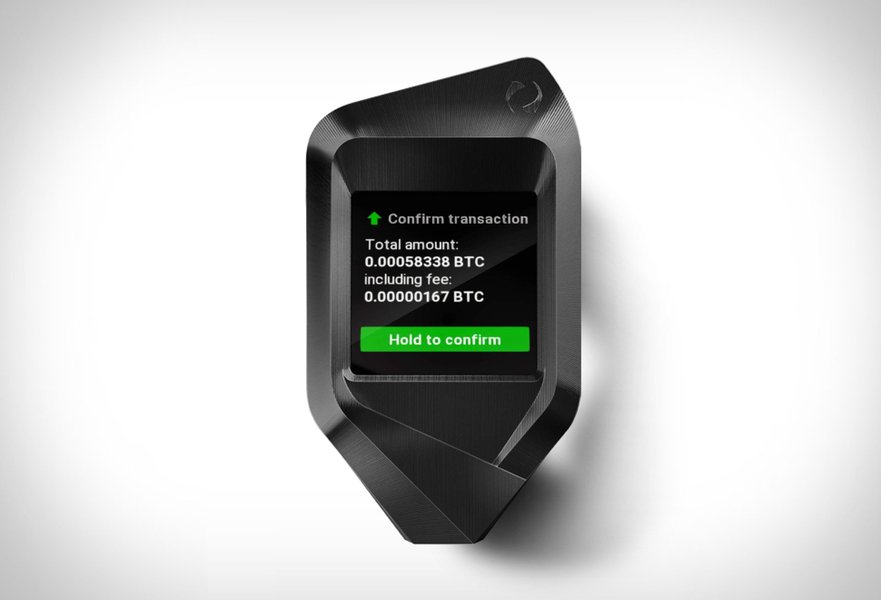
The Corazon hardware wallet, exemplifying robust offline crypto storage.
Pros:
- Maximum Security: By keeping private keys offline, cold wallets offer the highest level of protection against online hacking attempts, malware, and phishing.
- Ideal for Long-Term Storage: Best suited for "HODLing" (holding long-term) significant amounts of cryptocurrency.
- Physical Confirmation: Transactions typically require physical confirmation on the device, adding an extra layer of security against unauthorized transfers.
Cons & Risks:
- Cost: Hardware wallets involve an upfront purchase cost.
- Less Convenient for Frequent Transactions: Accessing funds and making transactions can be more cumbersome than with hot wallets.
- Physical Risks: The device itself can be lost, stolen, or damaged. However, funds can usually be recovered using a securely stored recovery seed phrase.
Multi-Signature (Multi-Sig) Wallets
Multi-signature wallets require more than one private key to authorize a transaction (e.g., 2-of-3 or 3-of-5 keys). This adds an extra layer of security, as compromising a single key is not enough to access the funds. Multi-sig setups are often used by businesses, organizations, or individuals seeking enhanced security for substantial holdings, as they distribute control and mitigate single points of failure.
Comparing Crypto Storage Options: A Visual Analysis
To better understand the trade-offs between different storage methods, the radar chart below compares Hot Wallets, Cold Wallets, and storing crypto on Exchanges based on key attributes. A higher score indicates better performance in that category. This is a generalized comparison; specific products may vary.
This chart visually demonstrates that cold wallets excel in security, offline capability, and self-custody, making them ideal for safeguarding assets. Hot wallets offer superior convenience and accessibility for active use, while exchanges provide ease of trading but rank lower in security and user control.
Best Practices for Securing Your Crypto in 2025
Regardless of the wallet type you choose, adhering to robust security practices is paramount for protecting your digital assets:
- Prioritize Hardware Wallets for Significant Holdings: For any substantial amount of cryptocurrency intended for long-term storage, a hardware wallet is the gold standard.
- Minimize Exchange Exposure: Only keep amounts you are actively trading on exchanges. Transfer other funds to your personal wallet promptly.
- Guard Your Seed Phrase (Recovery Phrase):
- Your seed phrase is the master key to your crypto. Store it offline in multiple, physically secure, and private locations (e.g., engraved on metal, written on paper stored in a fireproof safe).
- Never store your seed phrase digitally (e.g., in a text file, email, cloud storage, or photo) as this makes it vulnerable to hacking.
- Never share your seed phrase with anyone. Legitimate support services will never ask for it.
- Enable Two-Factor Authentication (2FA): Use strong 2FA (preferably authenticator app-based or hardware security key) on all your crypto accounts, including wallets and exchanges.
- Keep Software Updated: Ensure your wallet software, operating system, and antivirus programs are always up-to-date to patch potential security vulnerabilities.
- Beware of Public Wi-Fi: Avoid accessing your crypto wallets or exchanges on unsecured public Wi-Fi networks. If you must, use a reputable Virtual Private Network (VPN).
- Stay Vigilant Against Scams:
- Be wary of phishing emails, fake websites, and malicious links designed to steal your credentials or private keys. Always double-check URLs.
- Never download wallet software from unofficial sources.
- Be skeptical of unsolicited offers or giveaways that seem too good to be true.
- Use Strong, Unique Passwords: Employ complex and unique passwords for each crypto service and wallet. Use a reputable password manager to store them securely.
- Understand Your Wallet's Mechanics: Familiarize yourself with the specific features and security protocols of your chosen wallet.
- Consider a Hybrid Approach: Many users opt for a combination: a cold wallet for the bulk of their holdings and a hot wallet for smaller, everyday transaction amounts.
Crypto Storage Decision Tree
The mindmap below illustrates the decision-making process and options available for storing your cryptocurrency, emphasizing the path towards secure self-custody.
Hot Wallets vs. Cold Wallets: A Detailed Comparison
Choosing between a hot wallet and a cold wallet depends largely on your individual needs, the amount of crypto you hold, and your risk tolerance. The table below provides a side-by-side comparison:
| Feature | Hot Wallets | Cold Wallets (Hardware) |
|---|---|---|
| Connectivity | Connected to the internet | Offline (not connected to the internet) |
| Private Key Storage | Stored on an internet-connected device (computer, phone) | Stored within a secure, isolated hardware chip |
| Primary Security Risk | Online threats (malware, phishing, remote hacking) | Physical loss/damage/theft of the device (mitigated by recovery phrase) |
| Convenience for Transactions | High (quick and easy access) | Lower (requires physical device interaction) |
| Cost | Usually free | Requires purchase (e.g., $50 - $300+) |
| Use Cases | Small amounts, frequent trading, dApp interaction, daily spending | Large amounts, long-term storage (HODLing), maximum security |
| Examples | MetaMask, Trust Wallet, Exodus, Coinbase Wallet | Ledger Nano series, Trezor Model series, KeepKey |
| Control (Self-Custody) | Yes (user controls private keys) | Yes (user controls private keys) |
Visual Guide: Understanding Crypto Wallet Security
The following video offers insights into securing your crypto assets and the importance of wallet choice. While specific wallet recommendations may vary over time, the fundamental principles of security remain crucial.
This video, "TOP 6 BEST Crypto Wallets For 2025: Are Your Coins Safe??", discusses the importance of self-custody and choosing the right wallet for crypto security.
The video emphasizes that crypto security fundamentally begins with self-custody – moving your crypto off exchanges and into a personal wallet. It explores different wallet options, highlighting the trade-offs between various types and how to select one that aligns with your security needs and usage patterns. Understanding these concepts is vital for anyone serious about protecting their cryptocurrency investments in the evolving digital landscape of 2025.
Frequently Asked Questions (FAQ)
What are private keys and seed phrases, and why are they important?
A private key is a secret, cryptographic code that allows you to access and spend your cryptocurrencies. It's like the key to your digital vault. A seed phrase (also called a recovery phrase or mnemonic phrase) is typically a list of 12 to 24 words that can be used to regenerate all the private keys associated with your wallet if you lose access to the wallet itself (e.g., your device is lost, stolen, or damaged). Protecting your private keys and seed phrase is the most critical aspect of crypto security; if someone else gets them, they can steal your funds.
Is it ever safe to store crypto on an exchange?
Storing small amounts of crypto that you plan to trade actively on a reputable exchange can be acceptable for short periods due to convenience. However, exchanges are centralized entities and can be targets for hacks, regulatory actions, or insolvency. For any significant amount or for long-term holding, it is significantly safer to transfer your crypto to a personal wallet where you control the private keys (self-custody).
What's the primary difference between a hot wallet and a cold wallet?
The primary difference lies in their internet connectivity. Hot wallets are connected to the internet (e.g., mobile apps, desktop software, browser extensions), making them convenient but more vulnerable to online attacks. Cold wallets (e.g., hardware wallets, paper wallets) store your private keys offline, providing a much higher level of security against online threats, making them ideal for storing larger sums or for long-term holding.
How do I choose the right crypto wallet for my needs in 2025?
Consider these factors:
- Security needs: If you're holding significant value or plan to store long-term, a hardware (cold) wallet is highly recommended.
- Convenience: If you trade frequently or need quick access for dApps, a reputable hot wallet might be suitable for smaller amounts, ideally used in conjunction with a cold wallet for main holdings.
- Cryptocurrencies supported: Ensure the wallet supports the specific coins and tokens you own or plan to acquire.
- Ease of use: Look for a user-friendly interface, especially if you're new to crypto.
- Reputation and reviews: Choose wallets from well-established providers with positive security records and community trust.
- Features: Consider if you need features like staking, NFT support, or multi-sig capabilities.
Many experts recommend a hybrid approach: using a cold wallet for the majority of your assets and a hot wallet for day-to-day transactions.
Recommended Further Exploration
- What are the top-rated hardware wallets for cryptocurrency in 2025 and their key security features?
- How can I securely back up my crypto wallet's seed phrase to prevent loss or theft?
- What are the most common security threats to crypto wallets and how can I protect myself?
- Can you explain the process of transferring cryptocurrency from an exchange to a personal hardware wallet step-by-step?
References
Last updated May 17, 2025