
Building a Resilient CSIRT: A Framework for Success
Essential Components of a Computer Security Incident Response Team Charter
Key Highlights of a CSIRT Charter
- Formal Mandate and Executive Support: A well-defined CSIRT charter provides the team with the necessary authority and backing from senior leadership to effectively respond to security incidents and protect organizational assets.
- Clear Scope and Services: The charter outlines the specific types of incidents the CSIRT will handle and the services it will provide, ensuring that both the team and its constituents understand its boundaries and capabilities.
- Defined Roles, Responsibilities, and Structure: A clear organizational framework and defined roles for team members are crucial for efficient coordination and response during high-pressure security events.
A Computer Security Incident Response Team (CSIRT), also known as a Cyber Security Incident Response Team (CIRT) or Incident Response Team (IRT), is a crucial component of an organization's cybersecurity posture. Its primary function is to manage and respond to security incidents and breaches, minimizing their impact and facilitating recovery. To ensure effectiveness, a CSIRT requires a solid foundation, typically formalized in a document known as a CSIRT charter or organizational framework. This charter serves as a guiding document, defining the team's purpose, authority, scope, and operational procedures. Without a clear mandate and defined structure, a CSIRT may lack the necessary support and direction to operate effectively, especially during critical incidents.
The development of a CSIRT charter involves several key steps, starting with gaining management support. This support is vital as the CSIRT will often require access to sensitive information and the authority to make critical decisions during an incident. The charter should clearly articulate the team's mission statement, outlining its core purpose and commitment to protecting the organization. Identifying the core services the CSIRT will provide is also essential for defining its scope and capabilities. These services can range from reactive incident handling to proactive security measures.
Organizational models for CSIRTs can vary depending on the size, structure, and resources of an organization. Common models include centralized, distributed, and hybrid structures. A centralized CSIRT serves the entire organization from a single unit, while a distributed model involves multiple independent teams, often aligned with different business units or geographic locations. A hybrid model combines elements of both, often with a central coordinating team and distributed subject matter experts. The chosen model will influence the team's structure, staffing, and operational procedures, which should all be detailed in the charter.
Crafting the CSIRT Charter: Essential Sections
Laying the Foundation for Incident Response
A comprehensive CSIRT charter should include several key sections to provide a clear and detailed framework for the team's operation. These sections ensure that all stakeholders understand the CSIRT's purpose, authority, and how it integrates with the broader organization.
Mission Statement and Goals
The mission statement is the cornerstone of the CSIRT charter. It should succinctly define the team's purpose and its commitment to the organization's security. This section helps align the team's activities with the overall business objectives and cybersecurity strategy. Goals should be specific, measurable, achievable, relevant, and time-bound (SMART), providing clear targets for the CSIRT's performance.

A diverse team working together is crucial for effective incident response.
Constituency and Scope
Defining the CSIRT's constituency clearly outlines who the team serves. This could be the entire organization, specific departments, or even external partners. The scope section details the types of incidents the CSIRT is authorized to handle, such as malware infections, data breaches, denial-of-service attacks, or phishing incidents. It may also specify assets covered, like networks, systems, applications, or data.
Authority and Mandate
This is a critical section that grants the CSIRT the necessary authority to perform its functions. It should clearly state that the CSIRT has the executive support and mandate to investigate incidents, access relevant systems and data, and take necessary actions to contain and remediate threats. This may include the authority to disconnect systems, implement temporary security controls, or communicate with external parties like law enforcement or other CSIRTs.
Organizational Placement and Reporting Structure
The charter should specify where the CSIRT is positioned within the organizational hierarchy and to whom it reports. Common reporting structures include reporting to the Chief Information Security Officer (CISO), Chief Information Officer (CIO), or even directly to the executive leadership team. The placement influences the team's visibility, access to resources, and ability to influence security strategy.
Membership, Roles, and Responsibilities
This section details the composition of the CSIRT, including the required skills and expertise of its members. It defines specific roles within the team, such as incident handler, forensic analyst, threat intelligence analyst, and legal counsel liaison. Clear responsibilities for each role are essential for efficient incident management and avoiding confusion during a crisis. It is also beneficial to identify subject matter experts from different departments who can be called upon as needed.
Services Offered
The CSIRT Services Framework provides a structured way to describe the services a CSIRT can offer. These services generally fall into categories like:
-
Incident Handling: This is the core function, involving the process of receiving, analyzing, prioritizing, and responding to security incidents.
-
Vulnerability Management: Identifying, assessing, and prioritizing vulnerabilities in systems and applications.
-
Threat Intelligence: Gathering, analyzing, and disseminating information about current and emerging threats.
-
Security Awareness and Training: Educating employees about security risks and best practices.
-
Security Architecture Review: Providing input on the security of new systems and applications.
Organizational Models for CSIRTs
Structuring Your Incident Response Capabilities
The organizational model of a CSIRT significantly impacts its operations, resource allocation, and effectiveness. The choice of model often depends on factors like the organization's size, geographical distribution, industry, and available resources. Here are some common models:
Centralized CSIRT
In this model, a single, dedicated team handles all incident response activities for the entire organization. This is often suitable for smaller organizations or those with a limited geographic footprint. It allows for better coordination and consistency in response efforts.
A centralized team offers a unified approach to incident response.
Distributed CSIRT
This model involves multiple independent CSIRTs, often located within different business units, departments, or geographical regions. This is more common in large, decentralized organizations. While it allows for faster initial response within specific areas, it requires strong coordination among the distributed teams, often facilitated by a central coordinating CSIRT.
Hybrid CSIRT
A hybrid model combines elements of both centralized and distributed structures. Typically, there is a central full-time CSIRT responsible for initial analysis and coordination, supported by distributed subject matter experts (SMEs) who are engaged on an as-needed basis during specific incidents. This model leverages existing expertise across the organization while maintaining a core dedicated team.
CSIRT/SOC Hybrid
In organizations with a Security Operations Center (SOC), a hybrid model may exist where the SOC is responsible for initial alert monitoring and triage. The CSIRT is then engaged for more in-depth investigation, analysis, and response when a confirmed incident occurs. This model streamlines the process by leveraging the SOC's monitoring capabilities.
Outsourced CSIRT
Some organizations, particularly smaller ones or those with limited in-house expertise, may choose to outsource their CSIRT functions to external service providers (MSSPs). This can provide access to specialized skills and 24/7 coverage but requires careful management of the relationship and clear contractual agreements.
Key Considerations for an Effective Charter
Ensuring the CSIRT's Success
Beyond the core sections, an effective CSIRT charter should also address several practical considerations to ensure the team's operational efficiency and long-term success.
Policies and Procedures
The charter should acknowledge the importance of documented policies and procedures that guide the CSIRT's actions during an incident. These standard operating procedures (SOPs) provide a repeatable and consistent approach to incident handling, ensuring that team members follow established best practices.
Communication Plan
A clear communication plan is vital for coordinating with internal stakeholders (management, legal, PR, HR) and external parties (law enforcement, other CSIRTs, affected individuals). The charter should outline communication protocols, reporting requirements, and designated spokespersons.
Training and Development
Given the ever-evolving threat landscape, continuous training and development for CSIRT members are essential. The charter can emphasize the importance of ongoing education, certifications, and participation in industry events to maintain and enhance the team's skills.
Tools and Technologies
The charter may briefly mention the types of tools and technologies the CSIRT will utilize for incident response, such as security information and event management (SIEM) systems, forensic tools, and communication platforms. While not a detailed technical specification, acknowledging the need for appropriate tools is important.
Performance Metrics and Reporting
Defining key performance indicators (KPIs) and reporting requirements allows the CSIRT to measure its effectiveness and demonstrate its value to the organization. Metrics could include time to detection, time to containment, number of incidents handled, and lessons learned from incidents. Regular reporting to management ensures transparency and provides insights for continuous improvement.
Legal and Regulatory Considerations
The charter should acknowledge the legal and regulatory landscape relevant to incident response, including data breach notification laws and privacy regulations. Collaboration with the legal department is crucial to ensure compliance and minimize legal risks.
Incident Response Plan Integration
The CSIRT charter is closely related to the overall Incident Response Plan (IRP). While the charter defines the team, the IRP outlines the specific steps and procedures to be followed during various types of incidents. The charter should highlight the CSIRT's role in developing, maintaining, and executing the IRP.
This video provides an overview of a Computer Security Incident Response Team Charter.
Table: Key Elements of a CSIRT Charter
This table summarizes the essential components typically included in a CSIRT charter:
| Section | Description | Importance |
|---|---|---|
| Mission Statement | Defines the team's purpose and commitment. | Provides direction and aligns with organizational goals. |
| Constituency | Identifies the individuals or groups the CSIRT serves. | Clarifies the scope of responsibility. |
| Scope | Specifies the types of incidents and assets covered. | Sets boundaries for the team's activities. |
| Authority | Grants the team the power to investigate and act. | Ensures the team can effectively respond. |
| Organizational Placement | Shows where the team fits in the hierarchy. | Determines reporting lines and visibility. |
| Membership, Roles, and Responsibilities | Outlines team composition and individual duties. | Ensures clear accountability and efficient operation. |
| Services Offered | Lists the specific services provided by the CSIRT. | Defines the team's capabilities. |
| Policies and Procedures | References guiding documents for incident handling. | Ensures consistency and best practices. |
| Communication Plan | Details how the team communicates during incidents. | Facilitates timely and accurate information flow. |
| Training and Development | Emphasizes the need for continuous learning. | Maintains team expertise in a changing threat landscape. |
| Performance Metrics | Defines how the team's effectiveness is measured. | Enables evaluation and continuous improvement. |
Continuous Improvement and Socialization
Maintaining a Dynamic CSIRT Framework
A CSIRT charter is not a static document. It should be reviewed and updated periodically to reflect changes in the organization, the threat landscape, and lessons learned from past incidents. Regular drills and tabletop exercises are invaluable for testing the charter and the overall incident response plan, identifying areas for improvement, and increasing the team's confidence and readiness.
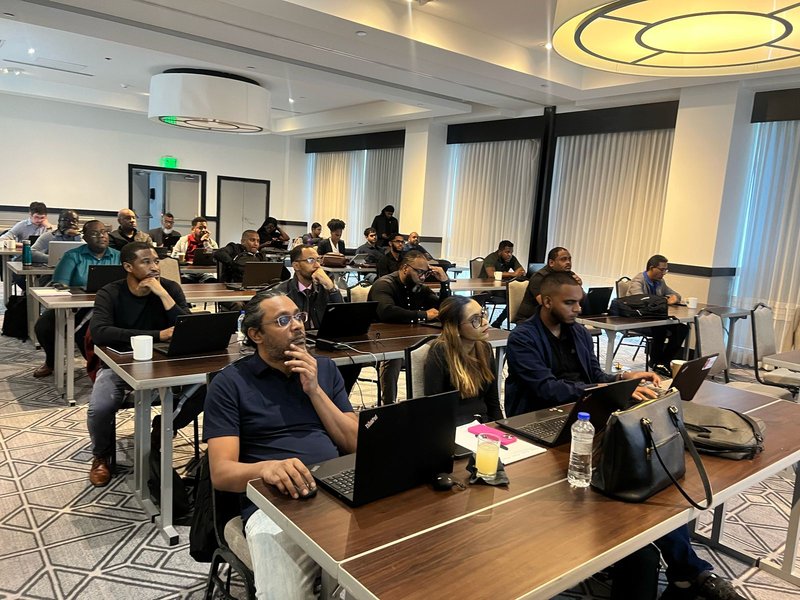
Tabletop exercises are essential for practicing incident response procedures.
Socializing the CSIRT charter throughout the organization is also crucial. Ensuring that employees, particularly those in IT, legal, and executive leadership, are aware of the CSIRT's existence, role, and how to report incidents is vital for effective incident detection and response. Executive buy-in and support, formalized through their approval of the charter, are paramount to the CSIRT's authority and ability to operate effectively.
The charter provides the necessary legitimacy and authority for the CSIRT to access sensitive information and systems during an investigation and to implement necessary containment and remediation measures. Without this formal backing, the team's actions could be challenged, hindering their ability to effectively manage a security incident.
In conclusion, a well-defined and regularly updated CSIRT charter is a foundational element for building a capable and effective incident response team. It provides clarity, authority, and direction, enabling the team to navigate the complexities of cybersecurity incidents and protect the organization's critical assets.
Frequently Asked Questions about CSIRT Charters
What is the primary purpose of a CSIRT charter?
The primary purpose of a CSIRT charter is to formally establish the Computer Security Incident Response Team, define its mission, scope, authority, and organizational structure, and gain executive support for its operations. It provides a foundational document for the team's existence and functions.
Who should be involved in creating a CSIRT charter?
Developing a CSIRT charter should involve key stakeholders from various parts of the organization, including IT, information security, legal, human resources, public relations, and executive leadership. Input from these different perspectives ensures the charter is comprehensive and aligns with broader organizational policies and objectives.
How often should a CSIRT charter be reviewed and updated?
A CSIRT charter should be reviewed and updated periodically, ideally at least annually, or whenever there are significant changes in the organization's structure, the threat landscape, or lessons learned from incidents. This ensures the charter remains relevant and effective.
What is the difference between a CSIRT charter and an Incident Response Plan (IRP)?
The CSIRT charter defines the team itself – its purpose, authority, and structure. The Incident Response Plan (IRP), on the other hand, outlines the specific procedures and steps the CSIRT will follow when responding to different types of security incidents. The charter establishes the team that will execute the plan.
Why is executive support important for a CSIRT charter?
Executive support, formalized through the approval of the CSIRT charter, provides the team with the necessary authority to access systems and data, make critical decisions during incidents, and secure the resources required for effective operations. Without executive backing, the CSIRT's actions may be limited or challenged.
References
Last updated May 14, 2025