
Exploring the Foundations of Culinary Mastery
Uncover the rationale and essential techniques for beginner cooks
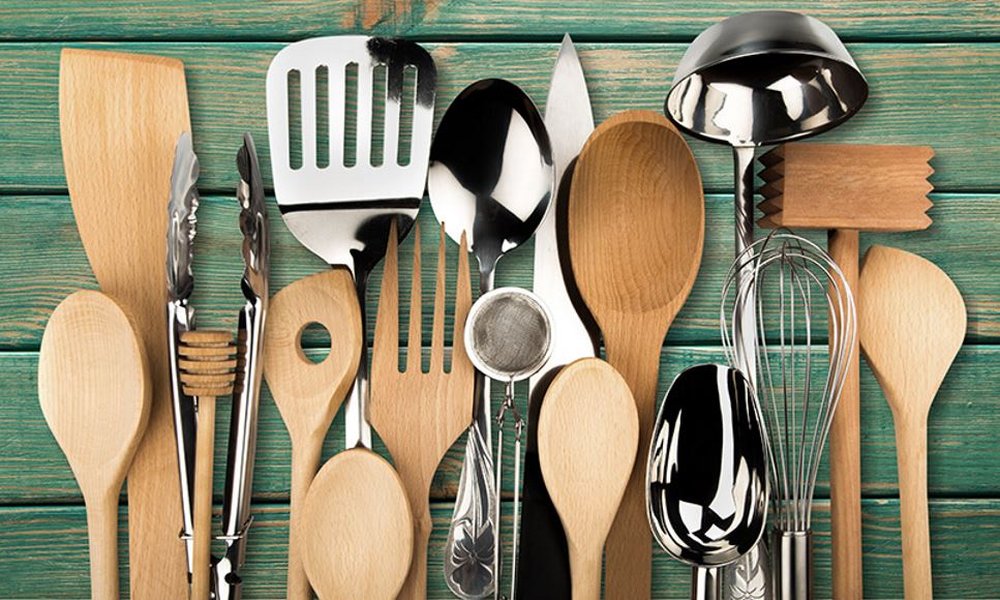
Key Highlights
- Essential Techniques: Knife skills, sautéing, boiling, roasting, and more.
- Scientific & Artistic Blend: Understanding culinary science with creative expression.
- Confidence & Cultural Connection: Building a strong foundation for safe, versatile, and culturally rich cooking.
The Rationale Behind Fundamental Cooking
The art of fundamental cooking transcends simple food preparation—it is an in-depth journey that combines both science and art. For beginners, mastering basic culinary techniques lays the groundwork for a confident and creative kitchen experience. These foundational skills enable one to not only follow recipes but also to improvise and innovate as skills develop. The rationale promotes both an understanding of how food transforms under heat and the charm of artistic presentation.
A Blend of Science and Art
Fundamental cooking techniques are much more than routine methods; they embody the scientific processes essential for flavor development, such as the Maillard reaction, emulsification, and gelation. These principles explain why roasted vegetables develop complex flavors, or how a simple sauce becomes a luxurious accompaniment. Simultaneously, traditional techniques like knife skills, sautéing, and braising are taught as both functional necessities and creative expressions. They empower beginners to layer flavors and craft distinctive dishes with visual appeal.
Culinary Science and Its Role
Understanding the science behind techniques such as caramelization and emulsification not only helps in troubleshooting common cooking challenges (like a sauce breaking or a stew not thickening) but also encourages experimentation. By applying scientific principles, cooks can refine their methods to achieve consistent results. Cooking is, therefore, both an art and a science—each technique has its own set of measurable outcomes that contribute to the harmony of a dish.
Developing Essential Culinary Skills
Begin by building core competencies such as mastering knife skills. This foundational skill is indispensable for efficient ingredient preparation and contributes significantly to improved safety in the kitchen. Equally important are various cooking methods like boiling, steaming, sautéing, and roasting. Each method offers unique advantages:
- Sautéing: Enables quick cooking while preserving texture and flavor with minimal oil.
- Boiling & Steaming: Essential for preserving nutrients and cooking grains, pasta, and vegetables efficiently.
- Roasting: Uses dry heat to enhance natural sweetness and develop a caramelized exterior in proteins and vegetables.
- Braising: Ideal for tougher cuts of meat, combining dry-heat and moist-heat techniques for tender outcomes.
Building Confidence and Creativity
As beginners progress through these fundamental techniques, building confidence is paramount. Practicing these skills can transform repetitive meal preparation into an enjoyable, creative process. Confidence in basic methods encourages cooks to modify and create their own recipes, turning every ingredient into an opportunity for personalized expression. This creative liberties not only enrich meal preparation but also pave the way for culinary innovation.
Cultural and Personal Enrichment
Cooking is deeply intertwined with cultural traditions. By learning basic techniques, beginners are also introduced to the cultural significance underlying various culinary styles. Whether it is the delicate balance of spices in Indian cuisine or the precision of knife work in Japanese cooking, fundamental techniques lay the foundation for a greater understanding and appreciation of world cuisines. This connection fosters respect for diverse culinary heritages and enhances one’s overall gastronomic experience.
Visual and Interactive Insights
Radar Chart: Proficiency in Key Cooking Skills
The following radar chart illustrates the estimated proficiency levels in several core cooking skills for beginner cooks. These skills include knife handling, sautéing, boiling, roasting, ingredient preparation, and understanding culinary science. The chart reflects a subjective assessment that highlights strengths in fundamental methods, indicating areas that form the basis for improved culinary expertise as techniques are practiced over time.
Mindmap of Fundamental Culinary Techniques
The following mindmap diagram visually organizes the key areas of fundamental cooking techniques in a simple manner. It shows how essential skills are interrelated—knife skills being the base, connecting directly to various cooking methods, and overarching scientific principles that enhance all techniques.
Detailed Overview of Fundamental Cooking Techniques
Technique Comparison Table
The table below compares various fundamental cooking techniques, highlighting their key features, benefits, and appropriate applications. This comparative analysis can serve as a quick reference guide for beginners, outlining which methods are best suited for specific ingredients or desired outcomes.
| Technique | Key Features | Benefits | Ideal For |
|---|---|---|---|
| Knife Skills | Chopping, slicing, dicing | Ensures uniformity and safety | Ingredient prep for all dishes |
| Sautéing | Quick, high heat with little oil | Preserves texture & flavor | Vegetables, tender meats |
| Boiling/Steaming | Cooking in liquid or vapor | Retains nutrients, simple process | Grains, pasta, vegetables |
| Roasting/Braising | Dry and moist heat methods | Enhances natural sweetness, tenderizes meat | Proteins and root vegetables |
| Culinary Science | Maillard, emulsification | Improves flavor complexity | Sauces, complex dishes |
FAQs
What are the most critical cooking techniques for beginners?
How does culinary science enhance everyday cooking?
Can mastering these techniques inspire cultural exploration?
References
- Cooking Tips For Beginners - Culinary Classroom
- Master Basic Techniques - Becoming Traditional
- Essential Techniques for Newbies - Deer and Oak
- Cooking Techniques Everyone Should Master - Better Homes & Gardens
- Learn the Art of Cooking - Masterclass
Recommended Searches

Last updated March 31, 2025