
Theoretical Paradigm Diagram in Culinary Science
Exploring the Impact of Cooking Techniques on Food Quality and Customer Satisfaction
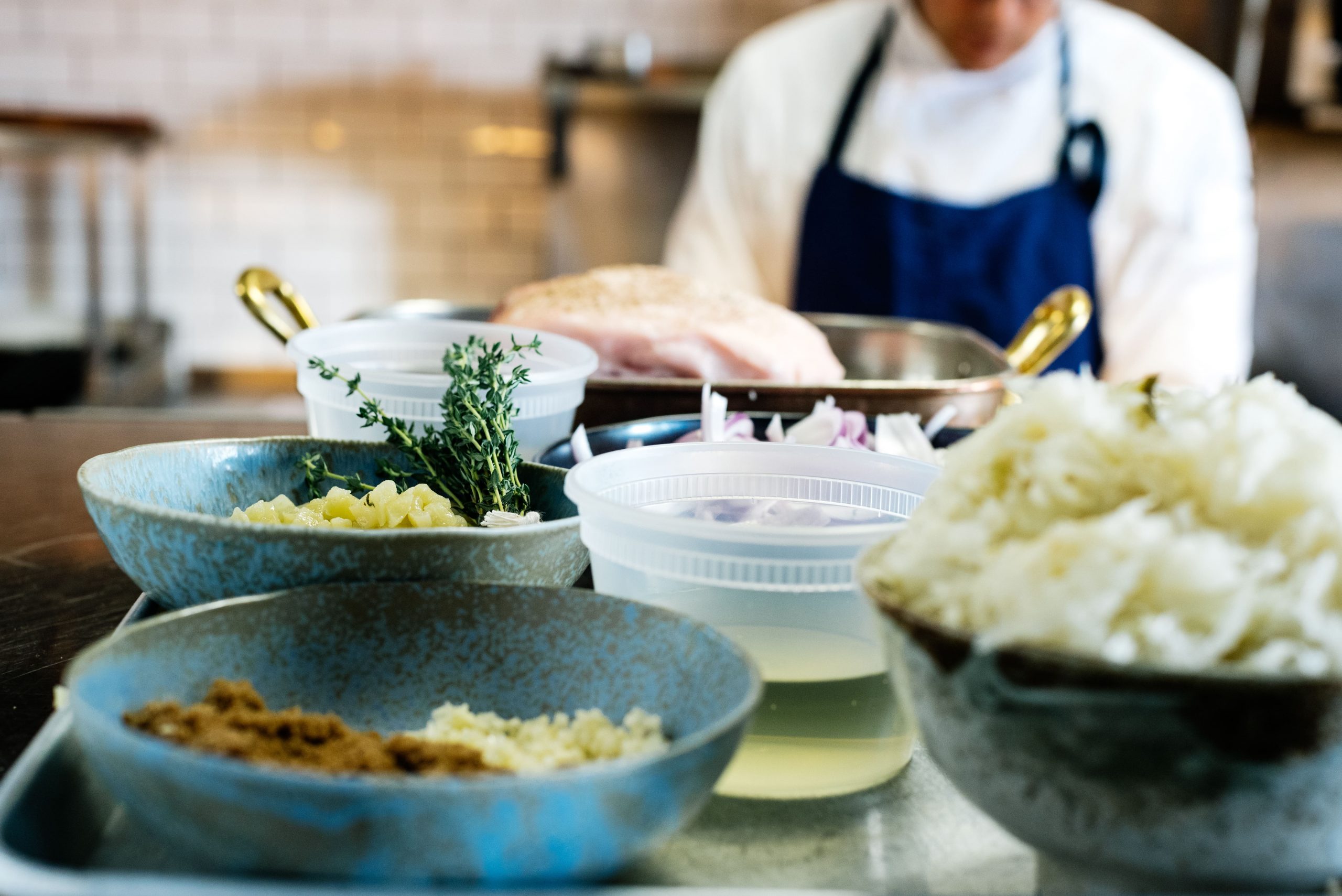
Key Highlights
- Integrated Framework: Merges cooking techniques, food quality dimensions, and customer satisfaction theories.
- Interconnected Components: Demonstrates how methodological choices in cooking influence food taste, health, and overall service experience.
- Applied Models: Utilizes models like SERVQUAL, PERMA, and KAP alongside sensory evaluation and expectation-confirmation theories.
Overview of the Theoretical Paradigm
In the culinary sphere, the relationship between cooking techniques, food quality, and customer satisfaction is a multidimensional concept that involves both scientific principles and human psychology. A theoretical paradigm diagram provides a visual and conceptual map outlining how the selection and application of various cooking techniques can directly impact food quality, which in turn influences customer satisfaction through sensory evaluations and behavioral responses.
Foundational Frameworks
To create an effective theoretical paradigm diagram, several established models and theories offer insight into the intricate relationships at play:
Cooking Techniques as Inputs
The spectrum of cooking techniques can be broadly classified as dry-heat, moist-heat, and combination methods. Each technique involves specific processes:
- Dry-Heat Cooking: Methods such as grilling, roasting, and baking, which rely on air or fat to transmit heat. These techniques often contribute to caramelization and desirable crispy textures.
- Moist-Heat Cooking: Techniques like boiling, steaming, and braising employ water or steam, which help retain moisture and preserve nutritional quality.
- Combination Methods: Techniques that blend both dry and moist approaches, such as sautéing followed by braising, to create complex flavors and textures.
By understanding these methods, culinary professionals can intentionally design preparation processes to maximize food quality.
Food Quality Dimensions
Food quality encompasses several critical attributes:
- Taste and Flavor: The most immediate sensory attribute, significantly influenced by cooking temperatures, caramelization, and seasoning techniques.
- Texture: The physical structure of food, which can be directly affected by the rate of heat transfer and cooking time.
- Nutritional Value and Health: Nutrient preservation is often maintained by specific techniques such as steaming or poaching.
- Appearance and Presentation: Visual appeal is tied to both the cooking method and presentation discipline. Techniques that enhance color and structure contribute positively.
- Convenience: Practical aspects like ease of preparation and consumption, which can affect customer satisfaction especially in fast-paced dining environments.
Customer Satisfaction Theories
Customer satisfaction in the food industry is not merely a factor of taste but an aggregate result of multiple quality and service components:
- Sensory Evaluation Theory: Emphasizes that the sensory properties of food (taste, aroma, sight, texture) are critical in forming overall satisfaction.
- Expectation-Confirmation Theory: Focuses on how the alignment (or misalignment) between pre-consumption expectations and post-consumption experiences affects satisfaction.
- SERVQUAL Model: Outlines key dimensions of service quality such as tangibility, reliability, responsiveness, assurance, and empathy. The model is often adapted to assess the interplay between food presentation and service delivery.
- PERMA Model: Though primarily used in psychology, PERMA (Positive Emotion, Engagement, Relationships, Meaning, and Accomplishment) relates to cooking by highlighting how the act of cooking can lead to positive emotional and social experiences, thereby indirectly boosting customer satisfaction.
- Knowledge-Attitude-Practice (KAP) Paradigm: In the culinary context, this framework helps assess how the knowledge of food handlers, their attitudes towards quality and health, and their methods of practice influence the final output and service experience.
Designing the Paradigm Diagram
A theoretical paradigm diagram consists of interconnected components where each element builds on the others to create the final customer experience. The fundamental components include:
Diagram Components and Interconnections
1. Input: Cooking Techniques
Cooking techniques are identified as the input factor, where the choice of method—whether dry heat, moist heat, or a combination technique—initiates a series of transformative processes in the food.
2. Processing: Transformation into Food Quality
The transformation stage includes various hardware and software changes to the raw ingredients:
- Thermal Reactions: The application of heat leads to chemical transformations like Maillard reactions that enhance flavor and appearance.
- Moisture Retention: Maintained through the use of steaming or poaching, ensuring the nutritional value and texture remain intact.
- Structural Changes: Alterations in the food matrix through cooking which influence texture and digestibility.
3. Output: Enhanced Food Quality Dimensions
The output of the processing phase is manifested in improved food quality:
- Sensory Appeal: Visually appealing, flavorful, and well-textured food directly enhances the culinary experience.
- Nutritional Effects: Proper techniques help in preserving or even enhancing the nutritional profile.
- Health Considerations: Methods emphasizing nutrient retention or low-fat preparation significantly affect health quality.
- Preparedness and Convenience: Efficient techniques optimize food for quick service while maintaining quality.
4. Result: Customer Satisfaction
The final result is customer satisfaction, measured through:
- Sensory Evaluations: Direct feedback on taste, aroma, and visual presentation.
- Expectation-Confirmation: Reducing the gap between customer expectations and their dining experience.
- Service Quality Associations: Positive interactions with food handlers and consistency in service delivery.
- Loyalty and Repeat Visits: High levels of satisfaction encourage repeat patronage and generate positive word-of-mouth endorsements.
A Visual Representation via a Diagram
The diagram visually represents the flow from cooking techniques to customer satisfaction, highlighting key interdependencies:
Flow Structure:
- Cooking Techniques → Food Quality Process → Customer Satisfaction
- Feedback loops from Customer Satisfaction influence future Cooking Techniques
Integrated Paradigm Diagram Table
| Component | Description | Key Theories / Models |
|---|---|---|
| Cooking Techniques | Selection and application of methods such as dry heat, moist heat, and combination techniques that initiate the transformation of raw ingredients. | Basic Cooking Theory, Molecular Gastronomy |
| Food Quality Dimensions | Attributes that define the sensory and nutritional characteristics of food including taste, texture, appearance, and health benefits. | Sensory Evaluation Theory, Nutritional Science, Visual Appeal Considerations |
| Customer Satisfaction | Overall perception of the dining experience determined by the alignment of food quality with customer expectations. | Expectation-Confirmation Theory, SERVQUAL Model, PERMA Model, KAP Paradigm |
| Feedback Mechanism | Continuous improvement loop where customer responses influence future cooking practices and quality enhancements. | Behavioral Feedback, Continuous Improvement Models |
Interpreting the Paradigm Diagram
The integrated diagram encapsulates the complete journey of creating superior culinary experiences. Each element has a distinctive role:
Detailed Component Analysis
Cooking Techniques as the Foundational Input
The process begins with the chef’s expertise in selecting appropriate cooking techniques. The deliberate choice between dry or moist heat methods impacts not only the flavor development but also the texture and nutritional balance of the final dish. For instance, dry-heat cooking methods like grilling allow for the development of rich, smoky flavors, while moist-heat procedures such as steaming elevate the food's health profile by preserving vital nutrients.
Transformative Mechanisms in Food Quality
Physical and chemical changes during the cooking process are paramount. The transformation from raw ingredients to cooked food is governed by reactions such as protein denaturation, carbohydrate caramelization, and fat rendering. These elements collectively influence:
- Flavor and Aroma: Enhanced through processes like the Maillard reaction, which introduces complex flavor compounds.
- Texture: Altered by moisture loss or retention, affecting tenderness and overall mouthfeel.
- Nutritional Yield: Balanced through techniques that either conserve or improve the nutritional content.
Such transformations bridge the gap between the theoretical design of a dish and its sensory execution on the plate.
Customer Satisfaction: The Ultimate Measure
Customer satisfaction is the end-product of this well-engineered process. It is assessed not only by the immediate sensory pleasure derived from food but also by the perceived value and consistency of the experience. When customers observe that their expectations are met or exceeded, they tend to establish loyalty, provide positive feedback, and engage in repeat patronage. Strategic models such as SERVQUAL assess restaurant performance through tangible and intangible service indicators, while the PERMA and KAP paradigms delve into the emotional and behavioral aspects that elevate customer experience.
Moreover, the model underscores a critical feedback mechanism: the customer’s response informs and shapes future cooking decisions, instilling a cycle of continuous quality improvement. Every dining experience serves as an evaluative tool that can be mapped back to specific cooking techniques and kitchen practices.
Practical Implications in Culinary Education and Industry
The adoption of this paradigm in both culinary education and restaurant management highlights several practical considerations:
- Training Programs: Educational institutions can incorporate these theoretical models to train chefs in both the scientific and creative aspects of cooking. Understanding the chemical and physical basis behind each technique enhances a chef’s ability to innovate and adapt.
- Quality Assurance: Managers can employ metrics derived from the SERVQUAL and expectation-confirmation theories to assess and refine the overall dining experience, ensuring that consistent quality is maintained.
- Research and Development: Academic and industrial research can apply these frameworks to analyze the correlation between culinary methods and customer feedback, ultimately leading to more effective and novel cooking techniques that reduce waste, enhance nutrition, and improve palate satisfaction.
Innovative Approaches and Future Directions
Future efforts in culinary arts and food technology could increasingly integrate data analytics and customer feedback systems into the theoretical paradigm. This would allow real-time adjustments to cooking methods to better align with customer expectations. For example, the integration of IoT (Internet of Things) in commercial kitchens facilitates the continuous monitoring of temperature, moisture, and cooking times, ensuring that the culinary process is dynamically aligned with quality assurance benchmarks. Additionally, advancements in molecular gastronomy continue to uncover the scientific principles behind flavor development, paving the way for innovative techniques that can redefine traditional paradigms while maintaining high levels of customer satisfaction.
References
- Types of Cooking Methods - WebstaurantStore
- Customer Satisfaction - Overview, Methods, Score
- SERVQUAL Model Framework - ResearchGate
-
PERMA Model Applied to Cooking - PMC
- KAP Paradigm in Food Quality - Springer
Recommended Exploration Queries
Last updated March 13, 2025