
Cultural Diversity Challenges at Camp John Hay, Baguio
Exploring the multifaceted challenges and solutions for preserving cultural heritage amid development
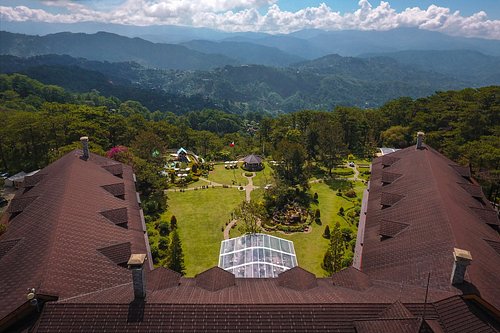
Highlights
- Balancing Modern Development and Cultural Preservation: Navigating the tension between modernization, tourism, and the safeguarding of traditional practices and indigenous heritage.
- Inclusive Community Engagement: Empowering local stakeholders and ensuring that diverse cultural voices shape the development and operational policies.
- Managing Multicultural Interactions: Addressing language barriers, cultural misunderstandings, and diverse expectations among staff, visitors, and the local community.
Introduction
Camp John Hay in Baguio City stands as a historic landmark rich with layers of cultural and historical significance. Originally established as a military base during periods of American and Japanese influence, the site has evolved into a vibrant tourist destination that mirrors both the modernization of the area and the deep-rooted traditions of the local indigenous communities. The challenges of cultural diversity at Camp John Hay are intricate and multifaceted, arising from the need to accommodate an ever-growing influx of tourists and a rapidly diversifying community, while also maintaining the inherent cultural and environmental integrity that marks its historical legacy.
This comprehensive exploration details the various challenges associated with cultural diversity at Camp John Hay and delves into potential strategies to address these issues effectively. Attention is given to the balance between traditional indigenous values and modern developments, the importance of community inclusion, considerations regarding language and communication, and the effects of cultural homogenization brought about by globalization and tourism.
Historical and Cultural Background
To appreciate the current challenges, it is important to understand the historical context of Camp John Hay. The camp’s evolution from a military outpost to a multifaceted destination highlights its complex legacy. During its early days, Camp John Hay served as a strategic military installation under American rule, later witnessing Japanese occupation during World War II. As these periods passed, the site transitioned into a symbol of American influence in the Philippines, eventually opening up to tourism and leisure activities.
Its history is intertwined with the rich culture of the Cordillera region, home to indigenous groups such as the Ibaloi. The area has become a melting pot where colonial history meets indigenous traditions and contemporary influences. This intersection has laid the foundation for both unique cultural expressions and emerging conflicts as modern developments risk overshadowing traditional values.
Key Challenges in Cultural Diversity
Balancing Modernization with Cultural Preservation
One of the most significant challenges faced by Camp John Hay is the task of reconciling modern development with the preservation of its cultural legacy. The advent of luxury hotels, conference centers, and modern recreational facilities brings the promise of economic growth and improved infrastructure. However, this modernization also raises important concerns:
Impact on Indigenous Traditions
As modern facilities and tourist attractions proliferate, there is a risk of diluting the indigenous culture that forms the backbone of Baguio’s identity. Traditional practices, languages, and cultural heritage could be overshadowed by commercial interests if they are not integrated meaningfully into the development plans.
Loss of Historical Narrative
Modernization often necessitates new infrastructures that may not always align with the preservation of historical narratives. Efforts to commemorate the colonial and military history of the camp must be carefully balanced with presenting an inclusive story that acknowledges the indigenous voices and traditions that have shaped the region over centuries.
Tourism vs. Cultural Integrity
The increasing number of visitors from various cultural backgrounds brings with it a blend of expectations and behaviors that may not resonate with local or indigenous practices. Developing tourism strategies that showcase local arts, crafts, and historical narratives without commodifying them is a challenge that requires thoughtful planning and community involvement.
Community Engagement and Empowerment
A recurring issue facing Camp John Hay is how to ensure that the local community, especially indigenous groups, remains at the forefront of cultural representation and decision-making:
Representation in Decision-Making
For the preservation of cultural heritage to be successful, it is essential to include local voices in the planning and management processes. This transparency and inclusivity can help avoid conflicts arising from decisions that may seem externally imposed or disconnected from the cultural values of the indigenous community.
Community Narratives and Historical Context
Integrating community narratives into cultural displays and educational materials can reinforce the identity of the local population. More importantly, it ensures that the historical context of the area—ranging from its military past to its indigenous history—is presented in a balanced manner. Initiatives like local festivals and community-led heritage museums are critical in this regard.
Engagement Strategies
Active community engagement involves regularly soliciting feedback from local residents and cultural practitioners. Establishing community forums, cultural councils, and advisory boards can provide structured channels for input regarding development and cultural preservation. Moreover, festivals and local events that celebrate indigenous customs not only educate visitors but also foster a sense of pride and ownership among the local populace.
Managing Multicultural Interactions
Camp John Hay, as a destination that attracts a diverse crowd, faces several challenges related to managing interactions among different cultural groups. These challenges are both internal—affecting the staff and local community—and external—affecting visitors:
Language Barriers and Communication
With a mix of languages that includes English, Tagalog, Ilocano, and various indigenous dialects, communication can become a significant hurdle. This diversity, while enriching the cultural experience, necessitates the implementation of multilingual support systems. Employing staff who are proficient in these languages, introducing translation apps, and ensuring that signage and informational materials are available in multiple languages are strategies that can help mitigate these challenges.
Cultural Misunderstandings and Stereotyping
Cultural differences often lead to misinterpretations and stereotyping. Visitors, who might lack an understanding of indigenous norms and customs, can inadvertently disrespect traditions that are sacred to the local community. Inadequate awareness and sensitivity training among staff can exacerbate these issues.
Diverse Visitor Expectations
Different cultural groups may have varied expectations when it comes to leisure, dining, accommodation, and entertainment. For instance, dietary restrictions based on religious or cultural practices require that hospitality services adapt menus and dining environments accordingly. Similarly, leisure activities and guided tours need to tailor their content to respect and reflect the nuanced historical and cultural context of Camp John Hay.
Integration of Stakeholder Interests
Another dimension of the cultural diversity challenges at Camp John Hay stems from the diverse array of stakeholder interests. These include government agencies, private investors, historical preservationists, local business owners, and the indigenous community. Each group has its own priorities and viewpoints:
Ownership Transitions and Management
Recent changes in ownership and management, including legal rulings and administrative transitions, have added layers of complexity to how cultural diversity is managed. The involvement of multiple stakeholders can lead to conflicting interests, where economic development objectives might collide with cultural preservation concerns.
Balancing Economic Growth and Cultural Sensitivity
While tourism and modern development bring about positive economic impacts, these must be balanced with regulations and guidelines that ensure local cultural and environmental standards are not compromised. The integration of legal frameworks, cultural sensitivity training, and respectful architectural design are key components in reconciling these interests.
Collaboration Between Public and Private Sectors
Certain efforts have been made by government bodies to mitigate cultural diversity issues through community-led initiatives, legal remedies, and offering practical assistance such as translation services and temporary accommodations. However, the ongoing integration and coordination between public institutions and private developers remain a challenge, necessitating continuous negotiation and revisions of policies that address cultural concerns.
Environmental and Sustainability Considerations
Cultural preservation at Camp John Hay is tightly interwoven with environmental sustainability. The natural landscape of Baguio, coupled with the region’s historical ambience, necessitates an integrated approach to managing both cultural and environmental resources.
Preserving the Natural Scenery
The environmental beauty of Camp John Hay contributes significantly to its cultural allure. Over-tourism and unregulated development threaten the natural surroundings that are integral to the local cultural identity and biodiversity. Sustainable practices, such as eco-friendly construction, waste management, and conservation programs, are essential in safeguarding both natural and cultural assets.
Cultural and Environmental Synergy
Efforts to preserve cultural heritage must go hand in hand with environmental initiatives. Projects that focus on restoring historical sites, protecting local flora and fauna, and promoting educational eco-tours can bridge the gap between cultural preservation and environmental sustainability. This synergy ensures that the preservation of local customs and traditions is reinforced by the conservation of the physical environment that inspired them.
Strategies for Overcoming Cultural Diversity Challenges
Developing Multilingual and Culturally Sensitive Communication
Establishing effective communication channels is a crucial starting point. Camp John Hay can implement a series of steps to enhance mutual understanding among diverse groups:
Multilingual Support Initiatives
By providing multilingual signage, brochures, and digital content, Camp John Hay can ensure that visitors from different cultural backgrounds feel welcomed and valued. In addition, offering language workshops and training for staff can foster an environment where communication barriers are minimized.
Cultural Sensitivity Training
Regular training sessions for hospitality staff and administrators can increase awareness about local customs and indigenous practices. Such training helps in mitigating cultural misunderstandings and encourages respectful interactions among guests, staff, and local residents.
Inclusive Policy Formulation and Community Consultation
An inclusive approach to policy formulation involves active participation from all stakeholders, especially the indigenous communities that are most impacted by development decisions:
Community Advisory Councils
Forming councils and advisory boards that include local elders, cultural practitioners, and community leaders can guide the decision-making process. These bodies can act as regulators and ambassadors of local cultural values, ensuring that development projects are harmonized with the community’s historical and cultural context.
Transparent and Participatory Decision-Making
Instituting forums, town hall meetings, and surveys can allow community members to share their views and influence initiatives. This participatory approach not only preserves cultural narratives but also fosters a sense of ownership and pride among locals.
Designing Tourism Experiences that Celebrate Local Culture
Touristic development should be tailored to accentuate and celebrate the multifaceted heritage of Camp John Hay. Such measures can include:
Cultural Exhibitions and Guided Tours
Museums, guided tours, and cultural exhibitions can disseminate the rich history of Camp John Hay. These initiatives can detail the military legacy alongside indigenous history, ensuring visitors receive an in-depth and balanced narrative. Involving local historians and cultural experts in the curation process ensures that exhibitions remain authentic and sensitive.
Festival-Led Cultural Showcase
Annual cultural festivals that highlight indigenous art, cuisine, music, and dance not only attract tourists but also reinforce communal bonds within the local society. Events like these can serve as a platform for the indigenous community to showcase their identity in a manner that is both celebratory and educational.
Aligning Development with Sustainability Initiatives
Embracing sustainable development practices is essential to ensure the long-term viability of both cultural heritage and the local environment:
Eco-Friendly Construction and Management
Development projects can integrate eco-friendly designs that minimize environmental impact while emphasizing local cultural motifs. Utilization of local materials, traditional construction methods, and sustainable planning can help preserve the distinctive aesthetic of Camp John Hay.
Environmental Conservation Programs
Initiatives focused on environmental conservation — such as reforestation, waste reduction, and preservation of green spaces — are imperative. These programs not only protect the natural surroundings but also maintain the context within which local cultures have traditionally thrived.
Table of Key Challenges and Corresponding Strategies
| Key Challenge | Description | Proposed Strategy |
|---|---|---|
| Modernization vs. Cultural Preservation | Modern developments could eclipse indigenous heritage and historical narratives. | Develop mixed-use spaces that integrate traditional designs with modern amenities and involve the community in planning. |
| Community Exclusion | Local voices may be marginalized in decision-making processes. | Establish community advisory councils and facilitate participatory decision-making forums. |
| Language and Communication Barriers | Diverse linguistic backgrounds among staff and visitors lead to communication challenges. | Introduce multilingual signage and staff training, and implement translation services. |
| Cultural Misunderstanding | Differences in cultural norms can lead to misinterpretations and stereotyping. | Offer regular cultural sensitivity training and integrate local cultural narratives into visitor experiences. |
| Environmental Impacts | Over-tourism and unplanned development may strain local ecosystems. | Implement eco-friendly construction practices and conservation programs that respect natural landscapes. |
| Stakeholder Conflict | Diverse interests between government, private investors, and local communities. | Foster collaborative frameworks that merge economic development with cultural and environmental preservation. |
Future Outlook and Continued Efforts
Looking to the future, the ongoing evolution of Camp John Hay presents both challenges and opportunities. With the increasing pressures of globalization and modernization, the preservation of cultural diversity relies heavily on continued proactive measures. The integration of advanced digital tools for communication, improved infrastructural planning, and an unwavering commitment to community-led preservation initiatives can help bridge the gap between economic growth and cultural sustainability.
Furthermore, as governance structures evolve and new stakeholders become involved, it is imperative that policies remain flexible yet resolute in their commitment to safeguarding cultural heritage. This involves periodic reviews of cultural policies, transparent regulatory oversight, and the willingness to adapt based on the changing dynamics of both local and global communities. By embedding cultural sensitivity into every aspect of development and ensuring that cultural preservation is a core, non-negotiable element of progress, Camp John Hay can set a benchmark for cultural respect and sustainability.
Conclusion
In conclusion, the cultural diversity challenges at Camp John Hay in Baguio are emblematic of the broader struggles faced when attempting to merge modern development with traditional cultural values. Through a detailed examination of issues such as balancing modernization with cultural preservation, fostering inclusive community engagement, managing multilingual and multicultural interactions, and aligning development with environmental sustainability, a comprehensive framework for overcoming these challenges begins to emerge.
Successful navigation of these challenges requires coordinated efforts among government agencies, private entities, and local communities. With thoughtful policy-making, community empowerment, and sustainable development practices, Camp John Hay can continue to thrive as both a modern tourist destination and a guardian of indigenous heritage. The key lies in embracing strategic innovation while rooted firmly in a respect for the historical, cultural, and environmental identity that makes Camp John Hay a unique and cherished site.
References
- Cultural Diversity: Challenges and Opportunities - Moonshot Pirates
- Camp John Hay - CulturEd: Philippine Cultural Education Online
- John Hay Management Corporation - Scribd
- A Fresh Chapter For Camp John Hay - Advocates OMI
- Camp John Hay back to its rightful owner - Manila Standard
- BCDA Gains Control of Camp John Hay - BCDA
- BCDA Offers Legal Remedies to Camp John Hay Sub-Lessees - Rappler
- PNA - Camp John Hay Cultural and Environmental Concerns
Recommended Searches
Last updated February 20, 2025