
Unlocking the Secrets of Meat Curing
A comprehensive exploration of wet and dry curing techniques and their processes
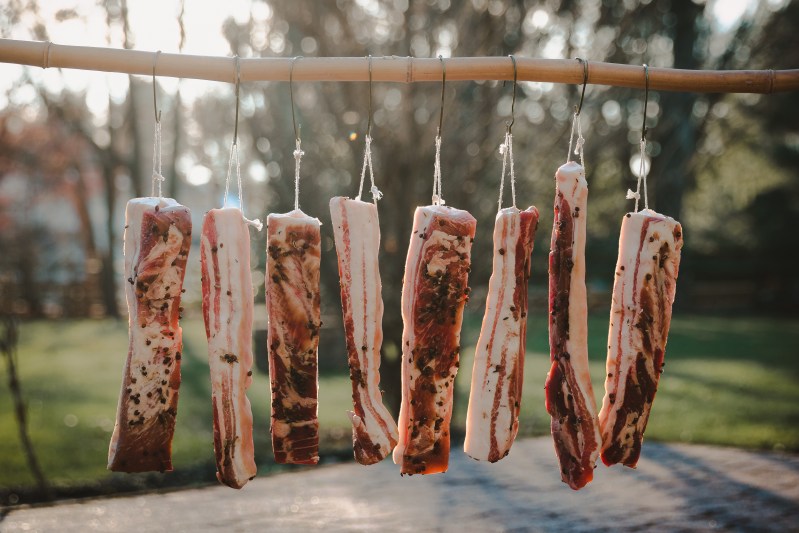
Highlights
- Process and Ingredients: Understanding the key steps and ingredients employed in both wet and dry curing.
- Flavor and Moisture Impact: How each method affects moisture levels and flavor concentration in the meat.
- Application and Duration: Differences in curing time, process complexity, and final uses of the cured meat.
Introduction to Curing Techniques
Meat curing is a time-honored method used to preserve meat, enhance its flavor, and extend its shelf life. The two predominant curing methods are wet curing and dry curing. Both methods rely primarily on the use of salt to inhibit bacterial growth, but they differ significantly in their processes, impact on flavor, and final product characteristics.
Wet Curing (Brining)
Overview
Wet curing, commonly referred to as brining, involves submerging the meat in a liquid solution. This solution typically contains water, salt, sugar, spices, and often curing agents like nitrites or nitrates. The process aims to infuse the meat with moisture and evenly distribute flavor throughout the product.
Key Steps of Wet Curing
- Brine Preparation: A solution is prepared by dissolving salt, sugar, and optionally nitrites or nitrates in water. Additional aromatics or spices may be added to enhance flavor.
- Meat Submersion: The meat is completely immersed in the brine, often secured with weights or within sealed containers to maintain full contact with the solution.
- Curing Period: Depending on the size and type of meat, the meat remains submerged for a period ranging from several hours to days or weeks. Smaller cuts like bacon require less time compared to larger pieces like ham.
- Periodic Agitation: For even distribution, the meat may be turned or the brine may be stirred during the process.
- Rinsing and Drying: After the desired curing period, the meat is removed from the brine, rinsed to eliminate excess salt, and then dried. This drying step is crucial as it prevents the meat from absorbing too much salt and becoming oversaturated.
- Secondary Processing: Optionally, the cured meat might be further smoked, cooked, or aged to develop additional layers of flavor and texture.
Benefits and Characteristics of Wet Curing
The wet curing process has several key benefits:
- Uniform Flavor Distribution: The liquid medium ensures that the curing agents penetrate evenly, resulting in consistent flavor across the meat.
- Moisture Infusion: The meat absorbs water along with the curing agents, often producing a juicier final product.
- Faster Process: Due to the effectiveness of a liquid medium in penetrating meat, wet curing generally requires a shorter time than dry curing.
- Ease of Handling: This method is typically more straightforward when working with large cuts where deep penetration of curing agents is necessary.
Dry Curing (Dry Salting)
Overview
Dry curing, or dry salting, is a more traditional method that involves rubbing a dry mixture of salt, sugar, and spices directly onto the surface of the meat. This technique draws moisture out of the meat, resulting in a concentrated flavor and firmer texture, making it ideal for products like bacon, prosciutto, and various cured sausages.
Key Steps of Dry Curing
- Preparation of Cure Mixture: A dry blend is created, typically consisting of salt, sugar, and spices. Ratios can vary; a common guideline is a salt to sugar ratio around 3:1, although this can be adjusted based on the desired outcome.
- Application: The cure mixture is evenly rubbed over the meat's surface, ensuring thorough contact with all parts. It is vital to use the correct amount – usually around 3-4% of the meat's weight – to achieve the desired effect.
- Curing Environment: The coated meat is placed in a cool, controlled environment. This can be a curing chamber where temperature and humidity are regulated to prevent bacterial growth while allowing the curing process to continue.
- Curing Duration: Dry curing is a slower process than wet curing, often taking weeks to months. The length of time depends on the size of the meat and the intensity of flavor desired.
- Aging and Further Processing: After the curing period, the meat may be aged further to develop complexity in flavor. It can then be sliced and served as is in charcuterie, or it may undergo additional processes like smoking to enhance taste.
Benefits and Characteristics of Dry Curing
Dry curing offers distinct advantages:
- Concentrated Flavor Profile: By drawing out moisture, the curing process intensifies flavors, resulting in a richer taste profile ideal for certain types of charcuterie.
- Extended Preservation: The reduction of moisture content creates a less hospitable environment for bacteria, thereby extending the meat's shelf life significantly.
- Traditional Techniques: Dry curing reflects age-old culinary traditions and is often preferred for products like ham, salami, and prosciutto.
- Texture: The method produces a firmer texture due to dewatering, which complements the robust flavors developed during the aging process.
Comparison Table: Wet vs. Dry Curing
| Aspect | Wet Curing | Dry Curing |
|---|---|---|
| Method | Submerging meat in a brine solution | Rubbing dry cure mixture onto meat surface |
| Key Ingredients | Water, salt, sugar, spices, nitrites/nitrates | Salt, sugar, spices, sometimes nitrites/nitrates |
| Moisture Impact | Moisture infusion leads to a juicier product | Draws out moisture, resulting in a concentrated flavor |
| Time Required | Typically faster; a few days to weeks | Longer curing times; can extend from weeks to months |
| Flavor Profile | Milder and evenly distributed flavor | Intense, concentrated flavor |
| Typical Uses | Large cuts like ham, lean meats | Fatty cuts, cured sausages, prosciutto, bacon |
Additional Insights and Detailed Process Considerations
Understanding the Science Behind the Processes
The underlying science in both curing methods revolves around the controlled application of salt and other ingredients to inhibit bacterial growth while enhancing meat flavor. Salt causes osmosis, drawing water out of the cells and reducing water activity—a key factor in food safety. In wet curing, the broth environment not only facilitates the penetration of salt but also allows additional flavors to permeate the meat more evenly. Conversely, dry curing utilizes the direct application of a salt mixture to dehydrate the surface layers. As moisture is drawn out slowly over time, enzymes within the meat also break down proteins, creating complex flavors and curing that unique texture prized in cured meat products.
Process Variations and Regional Techniques
Across cultures and culinary traditions, the techniques of wet and dry curing may vary slightly to cater to regional tastes and available resources. For instance, in some European traditions of dry curing, specific herbs and spices that reflect local flavors are added to the cure mixture. Similarly, wet curing methods might be customized with regional spice profiles, imparting a signature taste that sets apart a particular style of cured meat. Standardizing curing processes is essential for ensuring food safety, yet the flexibility within these methods allows culinary experts to create unique flavor profiles while still maintaining rigorous preservation standards.
Detailed Considerations for Optimal Results
For both curing methods, precise control over factors like temperature, humidity, and duration is paramount. In wet curing, maintaining a consistent temperature helps ensure a stable and safe curing environment, preventing any undue bacterial growth. For dry curing, controlled air flow and humidity levels are just as critical, giving the meat the necessary conditions for even drying and proper flavor development. Seasoning ratios, timed application processes, and even periodic checking of the meat’s progress are all part of successful curing. Respecting these detailed considerations ensures not only superior flavor and texture but also the safety and longevity of the final product.
References
- Wet Cure vs Dry Cure Bacon - Stoltzfus Meats
- Dry vs. Wet Curing: The Best Methods to Cure Any Cut of Meat - Escoffier Online
- Meat Curing Methods - Meats and Sausages
- The Magic of Dry Curing: Unwrapping the Process - KitchenJournal
- Dry Brining vs Wet Brining - Simply Meat Smoking
Related Queries for Further Exploration
Last updated March 23, 2025