
Current Recommendations on Choice of Cryptographic Algorithms
Essential Guidance for Secure and Future-Proof Cryptographic Implementations
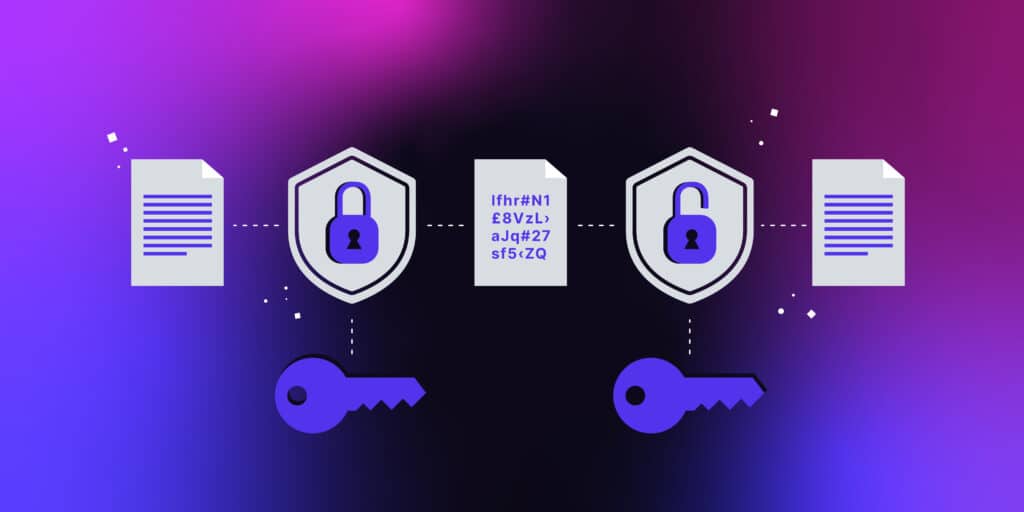
Key Takeaways
- Adopt AES-256 for Symmetric Encryption to ensure robust security against advanced threats.
- Transition to Quantum-Resistant Asymmetric Algorithms to safeguard against emerging quantum computing capabilities.
- Utilize SHA-256 or Stronger Hash Functions to maintain data integrity and resist cryptographic attacks.
Symmetric Encryption
Advanced Encryption Standard (AES)
The Advanced Encryption Standard (AES) remains the cornerstone of symmetric encryption due to its proven security and efficiency. AES offers three key lengths: 128, 192, and 256 bits, with AES-256 being the most secure variant. AES-256 is highly recommended for applications requiring long-term data protection, as its extended key length provides enhanced resistance against brute-force attacks and future cryptanalytic advancements.
Modes of Operation
When implementing AES, the mode of operation plays a critical role in ensuring both confidentiality and integrity of the data. The following modes are recommended:
- AES-GCM (Galois/Counter Mode): Provides authenticated encryption, ensuring data integrity and authenticity alongside confidentiality.
- AES-CCM (Counter with CBC-MAC): Combines counter mode encryption with CBC-MAC for message authentication, suitable for environments requiring authenticated encryption.
Implementation Best Practices
- Always use a unique Initialization Vector (IV) for each encryption operation to prevent replay attacks.
- Ensure proper key management, including secure key generation, storage, and rotation policies.
- Avoid using deprecated or insecure modes of operation, such as ECB (Electronic Codebook).
Asymmetric Encryption
Elliptic Curve Cryptography (ECC)
Elliptic Curve Cryptography (ECC) is favored for its ability to provide strong security with smaller key sizes compared to traditional algorithms like RSA. Secure curves such as Curve25519 are recommended for their robust security properties and efficiency. A minimum key length of 384 bits is advised to ensure resistance against both classical and potential quantum attacks.
RSA Encryption
RSA remains widely used for secure data transmission. However, due to its larger key sizes and computational requirements, transitioning to more efficient algorithms like ECC is encouraged. For systems where RSA is still in use, a minimum key length of 2048 bits is required, with 3072 bits or more being preferable for enhanced security and longevity.
Post-Quantum Cryptography (PQC)
With the advent of quantum computing, traditional asymmetric algorithms like RSA and ECC are vulnerable to quantum attacks. Post-Quantum Cryptography (PQC) aims to develop cryptographic systems that are secure against both classical and quantum adversaries. Key standardized PQC algorithms include:
- CRYSTALS-Dilithium: Designed for digital signatures, offering resilience against quantum attacks.
- CRYSTALS-Kyber: Utilized for key encapsulation mechanisms and public-key encryption.
- SPHINCS+: A stateless hash-based signature scheme providing an alternative for specific use cases.
Organizations are urged to begin incorporating these PQC algorithms into their systems, adopting hybrid schemes that combine classical and quantum-safe algorithms to ensure both current and future security.
Implementation Strategies
- Inventory and Assessment: Conduct a comprehensive inventory of all systems utilizing RSA or ECC and assess their vulnerability to quantum attacks.
- Hybrid Cryptographic Schemes: Implement hybrid approaches that integrate both classical and post-quantum algorithms to maintain compatibility while enhancing security.
- Adhere to Standardization Guidelines: Follow guidelines from NIST, ANSSI, and other authoritative bodies to ensure compliance and best practices.
Hash Functions
SHA-2 Family
The SHA-2 family of hash functions, including SHA-256, SHA-384, and SHA-512, is highly recommended for ensuring data integrity and security. SHA-256 serves as the minimum standard, while SHA-384 offers enhanced security features suitable for sensitive applications. It is imperative to avoid truncating hash outputs to less than 128 bits to maintain security efficacy.
SHA-3 Family
SHA-3 provides an alternative to SHA-2 with a different underlying architecture, offering similar levels of security and resistance to cryptographic attacks. SHA-3 is particularly useful in scenarios requiring newer cryptographic primitives and can be employed alongside SHA-2 to diversify cryptographic defenses.
Best Practices for Hash Functions
- Ensure that hash functions are implemented without truncation below 128 bits.
- Utilize HMAC (Hash-based Message Authentication Code) with SHA-2 or SHA-3 for robust message authentication.
- Regularly review and update hash function implementations to guard against emerging vulnerabilities.
Key Management
Effective key management is foundational to maintaining the security of cryptographic systems. Proper handling of cryptographic keys involves several critical processes:
Key Generation
Keys must be generated using cryptographically secure random number generators to ensure unpredictability and resistance to attacks. For example:
- On Windows systems, utilize built-in crypto APIs.
- On Unix/Linux systems, employ sources like
/dev/urandomor thegetrandom(2)system call.
Key Storage
Keys should be stored in secure environments, such as Hardware Security Modules (HSMs), which provide physical and logical protections against unauthorized access and tampering.
Key Distribution
Secure key distribution mechanisms must be in place to prevent interception or unauthorized access during the transmission of keys.
Key Usage
Ensure that keys are used appropriately within cryptographic operations and that access is restricted to authorized entities only.
Key Rotation and Lifecycle Management
Implement key rotation policies to periodically update cryptographic keys, thereby reducing the window of opportunity for potential key compromise. Additionally, establish procedures for key expiration and secure destruction to prevent misuse.
Password Management
For password protection, employ secure password hashing algorithms such as bcrypt, scrypt, or Argon2 instead of reversible encryption methods. This ensures that even if hashed passwords are compromised, they remain resistant to cracking attempts.
Transport Layer Security (TLS)
Transport Layer Security (TLS) is essential for securing data in transit across networks. The latest version, TLS 1.3, offers significant improvements in security and performance over its predecessors and is strongly recommended for all applications. Key considerations include:
- Implementing TLS 1.3 exclusively and deprecating older versions like TLS 1.2 and below.
- Configuring strong cipher suites that utilize recommended cryptographic algorithms, such as AES-256-GCM and ChaCha20-Poly1305.
- Ensuring proper certificate management and validation to prevent man-in-the-middle attacks.
Best Practices for TLS Configuration
- Disable outdated and insecure TLS versions and cipher suites.
- Enable features like Forward Secrecy to protect past sessions even if server keys are compromised.
- Regularly update TLS libraries and frameworks to incorporate the latest security patches and enhancements.
Random Number Generation
Secure random number generation is critical for cryptographic operations, including key generation, initialization vectors, and nonce values. The following guidelines ensure the use of robust random number generators:
Cryptographically Secure Random Number Generators (CSPRNGs)
- On Windows systems, utilize built-in cryptographic APIs that provide secure random number generation.
- On Unix/Linux systems, employ sources like
/dev/urandomor thegetrandom(2)system call to obtain high-quality randomness.
Avoid Insecure Functions
- Do not use generic or insecure functions such as
rand(),System.Random, orGetTickCountfor cryptographic purposes. - Ensure that algorithms like DUAL_EC_DRBG, known for vulnerabilities, are strictly prohibited.
Implementation Guidelines
- Seed CSPRNGs with high-entropy data to prevent predictability.
- Regularly audit and test random number generators to ensure their continued security and compliance.
Deprecated and Insecure Algorithms
To maintain robust security, it is imperative to phase out and avoid the use of outdated and insecure cryptographic algorithms. The following algorithms are considered obsolete and should no longer be used in new systems:
-
DES (Data Encryption Standard): Due to its short key length of 56 bits, DES is vulnerable to brute-force attacks and should be replaced with AES.
-
3DES (Triple DES): Despite offering enhanced security over DES, 3DES is deprecated because of its small block size and susceptibility to certain attacks.
-
MD5: This hash function is compromised and unsuitable for any security-critical applications.
-
SHA-1: SHA-1 has been broken and is no longer considered secure; transition to SHA-2 or SHA-3 is mandatory.
-
RSA with keys shorter than 2048 bits: Such keys are inadequate for current security standards and must be upgraded to at least 2048 bits, preferably 3072 bits or more.
Ensuring that these insecure algorithms are omitted from all cryptographic implementations is essential for maintaining the integrity and confidentiality of data.
Emerging Technologies
Quantum-Safe Hardware Security Modules (HSMs)
As quantum computing continues to evolve, Hardware Security Modules (HSMs) are being developed to support post-quantum algorithms. These quantum-safe HSMs provide secure key storage and facilitate cryptographic operations resistant to quantum attacks, ensuring that cryptographic infrastructure remains robust in the face of advancing technologies.
Blockchain Security
The integration of quantum-safe algorithms into blockchain technologies is crucial for maintaining the security and integrity of decentralized systems. Quantum-resistant cryptography ensures that consensus mechanisms and transactional data within blockchain networks remain tamper-evident and secure against future quantum threats.
Zero Trust Architectures
Implementing cryptographic solutions that enforce Zero Trust principles is essential, especially within hybrid cloud environments. Zero Trust architectures rely on continuous verification and stringent security measures to protect against internal and external threats, making robust cryptographic defenses a foundational component.
Implementation Strategies
Hybrid Cryptographic Schemes
During the transition phase to post-quantum cryptography, adopting hybrid cryptographic schemes is recommended. These schemes combine classical algorithms (e.g., RSA, ECC) with quantum-safe algorithms to provide immediate security enhancements while maintaining compatibility with existing systems. This dual-layer approach ensures that data remains secure against both classical and quantum adversaries during the migration period.
Key Rotation Policies
Implementing regular key rotation policies is critical for minimizing the risk of key compromise. By periodically updating cryptographic keys, organizations can limit the potential impact of a breached key and ensure that cryptographic defenses remain robust against evolving threats.
Algorithm Update Processes
Establishing processes that allow for the seamless updating of cryptographic algorithms is essential for responding to discovered vulnerabilities and emerging threats. These processes should include timely reviews of algorithm performance, assessments of potential vulnerabilities, and swift implementation of recommended updates to maintain security integrity.
Secure Development Practices
Adhering to Industry Standards
Ensuring compliance with industry standards and best practices is fundamental to maintaining secure cryptographic implementations. Adopting guidelines from authoritative bodies such as NIST, OWASP, and the GlobalPlatform ensures that cryptographic systems are built on proven foundations and are resilient against known and emerging threats.
Regular Audits and Assessments
Conducting regular security audits and assessments of cryptographic systems helps identify and remediate potential vulnerabilities. These proactive measures are crucial for maintaining the ongoing security and effectiveness of cryptographic defenses.
Training and Awareness
Providing training and raising awareness among developers and security personnel about the latest cryptographic practices and threats ensures that cryptographic systems are implemented correctly and remain secure over time.
Conclusion
In the rapidly evolving landscape of cybersecurity, selecting and implementing robust cryptographic algorithms is paramount. Adhering to the latest recommendations ensures that data remains secure against both current and emerging threats, including those posed by quantum computing advancements. By prioritizing AES-256 for symmetric encryption, transitioning to quantum-resistant asymmetric algorithms, and utilizing SHA-256 or stronger hash functions, organizations can build a resilient cryptographic foundation. Additionally, comprehensive key management, adoption of secure protocols like TLS 1.3, and proactive implementation of hybrid cryptographic schemes are essential strategies for maintaining long-term data security. Regular reviews, adherence to industry standards, and ongoing training further reinforce the robustness of cryptographic systems, safeguarding sensitive information in an increasingly complex threat environment.
References
Last updated January 22, 2025