
Crafting Bespoke Side Protectors for Your Cherished Gifts
Enhance Presentation and Protection with Custom Solutions
Presenting gifts with care not only demonstrates thoughtfulness but also ensures they arrive in pristine condition. For items like delicate dolls, precious photo frames, intricate key holders, or even products for an e-commerce business, side protectors offer an extra layer of security and a polished aesthetic. This guide explores various methods and materials to create or acquire side protectors tailored to your specific gifting or business needs, including considerations for e-commerce transactions.
Key Insights for Side Protector Solutions
- Customization is Key: Tailor the size, shape, and material of side protectors to perfectly fit the items you are packaging, ensuring maximum protection and visual appeal.
- Material Matters: Consider materials like cardboard, foam, or even acrylic based on the fragility and value of the item being protected.
- E-commerce Integration: For online businesses, integrating secure payment gateways and displaying products effectively is crucial alongside robust packaging solutions like side protectors.
Understanding the Need for Side Protectors
Side protectors are essential for safeguarding items during transit or storage. They provide cushioning and reinforcement to vulnerable edges and corners, preventing dents, scratches, and breakage. While standard packaging offers some protection, custom side protectors ensure a snug fit and targeted defense for uniquely shaped or delicate objects.
Protecting Different Gift Items
Dolls
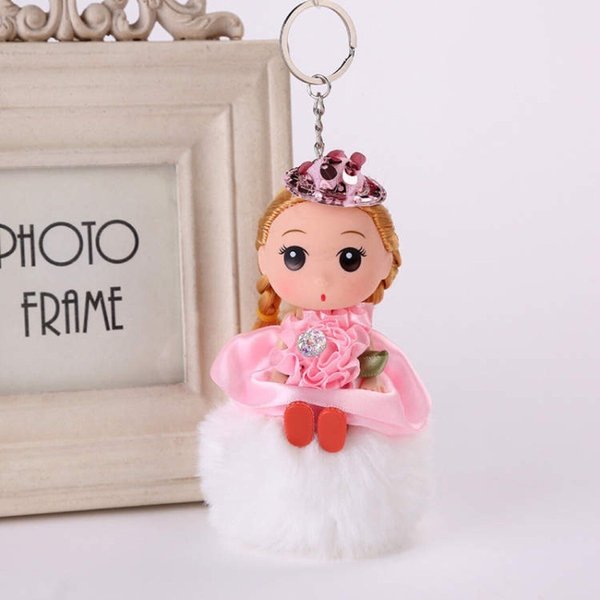
Dolls, especially collectible or antique ones, require careful handling. Side protectors can be crafted from soft foam or cardboard to cushion the doll's body and limbs, preventing damage to delicate features or clothing. The protectors should be designed to hold the doll securely within its packaging without applying excessive pressure.
Example of a doll that could benefit from side protectors.
Photo Frames
Photo frames often have glass fronts and vulnerable corners. Cardboard or foam corner protectors are ideal for preventing chips and cracks. These can be easily slipped onto the corners of the frame before packaging, providing a robust buffer against impacts.
Key Holders and Other Small Items
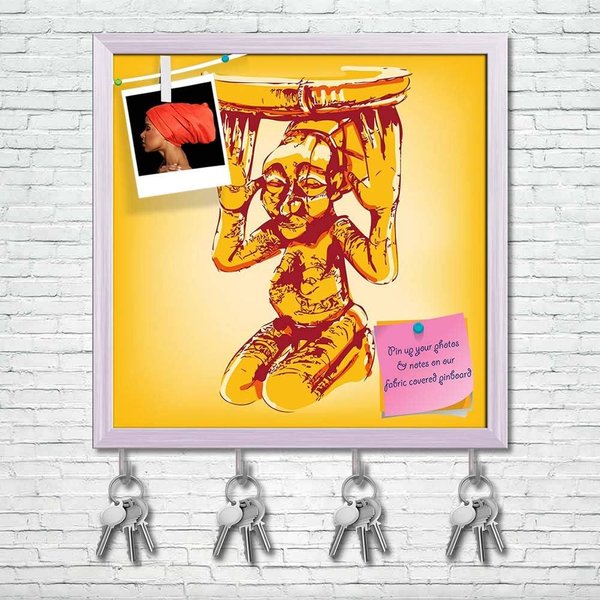
Smaller items like key holders, especially those with intricate designs or made from easily scratched materials, can also benefit from side protection. Custom-fitted foam inserts or small cardboard sleeves can prevent movement within the packaging and protect delicate surfaces.
A decorative keychain that could be protected during shipping.
Methods for Creating Side Protectors
There are several ways to create side protectors, ranging from simple DIY methods to ordering custom solutions. The best approach depends on the volume of items you need to package and the level of protection required.
DIY Side Protectors
Using Cardboard
Cardboard is a versatile and readily available material for creating side protectors. You can cut and fold cardboard to form corner pieces or edge wraps. This method is cost-effective for small-scale needs and allows for complete customization of size and shape.
For simple corner protectors, cut cardboard into a cross shape, then fold the arms up to create a protective corner. Secure with tape. For edge protection, cut strips of cardboard and fold them lengthwise to create an 'L' shape that can be placed along the edges of the item.
The following video demonstrates a similar concept for creating cardboard corners:
How to make cardboard corners for protection.
Using Foam
Foam sheets or rolls can be cut and shaped to create cushioning side protectors. Foam is particularly useful for fragile items as it provides excellent shock absorption. You can cut foam to the exact dimensions of the item's sides or corners and secure it with adhesive or by placing it within the packaging.
Ordering Custom Side Protectors
For businesses or individuals who require a consistent and professional look, ordering custom side protectors from packaging suppliers is a good option. Suppliers can create protectors from various materials, including cardboard, foam, and plastic, precisely sized to your specifications. This ensures a perfect fit and a high level of protection for your items.
Custom edge protectors are available in different forms, such as V-shaped or L-shaped profiles, made from materials like high-density polyethylene for durability and protection during shipping.
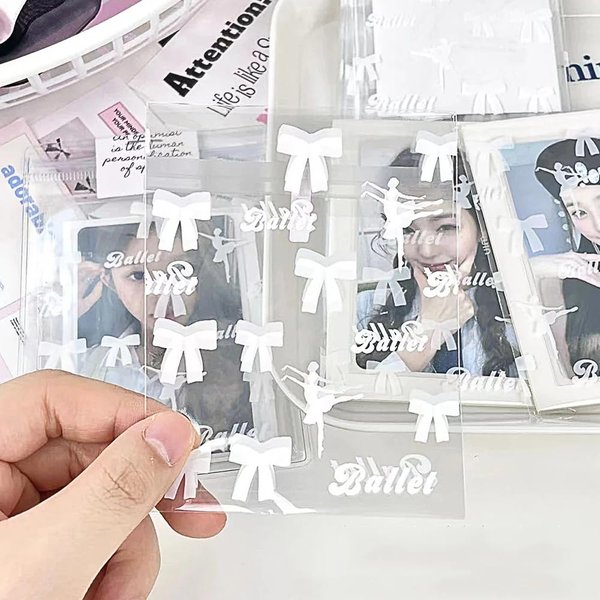
Clear sleeves or protectors can also be considered for smaller items like cards.
E-commerce Considerations: Products and Payments
If you are creating side protectors for products sold through an e-commerce store, there are additional factors to consider, particularly regarding product listings and payment processing.
Listing Products with Protection
When listing products online, clearly communicate that your items are packaged with protective measures like side protectors. This can build customer confidence and demonstrate your commitment to ensuring their purchase arrives safely. You can include this information in the product description or in a dedicated shipping and packaging section of your website.
Integrating a "Buy Product" Button
A prominent and easy-to-use "Buy Product" button is crucial for any e-commerce site. This button should ideally lead directly to a secure checkout page. Ensure the button is clearly visible on product pages and throughout the purchasing process.
Setting Up Payment Gateways
Integrating reliable payment gateways is essential for processing transactions securely. Popular options include PayPal, Stripe, and others that offer secure encryption and fraud detection. Ensure your website's SSL certificate is up-to-date to protect customer data during the payment process.
Securing your e-commerce website is paramount to protect both your business and your customers' sensitive information. This involves implementing robust security measures such as SSL certificates, secure hosting, and potentially bot protection software.

E-commerce products like phone cases also require secure packaging and transaction processes.
Types of Side Protectors and Their Applications
Side protectors come in various forms, each suited for different applications and levels of protection. Choosing the right type depends on the item's size, weight, fragility, and the shipping environment.
| Protector Type | Materials | Ideal Applications | Key Benefits |
|---|---|---|---|
| Corner Protectors | Cardboard, Foam, Plastic | Photo Frames, Furniture, Artwork | Prevents damage to vulnerable corners, easy to apply. |
| Edge Protectors (L-Profile) | Cardboard, Foam, Plastic | Sheet Goods, Doors, Table Tops | Protects long edges from impacts and abrasions. |
| Edge Protectors (V-Profile) | Cardboard, Plastic | Strapped Pallets, Bundled Items | Distributes strap tension, prevents crushing of edges. |
| Custom Foam Inserts | Various Foam Densities | Fragile Items, Electronics, Collectibles | Provides tailored cushioning and prevents movement. |
| Side Shields (Eyeglasses) | Plastic, Polycarbonate | Prescription Glasses, Safety Glasses | Offers lateral protection from debris and impacts. |
Comparison of different types of side protectors.
Beyond Packaging: Other "Side Protector" Concepts
The term "side protector" can apply to various items designed to shield or guard the sides of objects or areas. While our focus has been on packaging, it's worth noting other contexts where side protection is important.
Eyeglasses Side Shields
For prescription glasses or safety glasses, side shields are crucial for protecting the eyes from debris, splashes, and impacts from the side. These can be integrated into the frame design or available as clip-on attachments meeting safety standards like ANSI Z87.1.
Furniture Edge and Corner Guards
In homes, particularly with young children, foam or rubber edge and corner guards are used to soften sharp edges on furniture, preventing injuries from bumps and falls.
Vehicle Side Body Mouldings
For vehicles, side body mouldings offer a layer of protection against dents and scratches from other car doors or obstacles in tight parking spaces.
Creating Custom Page Protectors
While not strictly "side protectors" for gifting in the same sense, creating custom page protectors shares the principle of protecting important items, in this case, documents or photos within a binder or album. This is a useful skill for organizing and preserving memories or important papers.
Custom page protectors can be made using materials like clear plastic sheets and a heat sealer or strong adhesive. This allows you to create protectors for irregularly sized documents or photos that don't fit standard sleeves.
Several resources offer guides and tutorials on creating custom page protectors, demonstrating the ease with which you can tailor protection to your specific needs.
Frequently Asked Questions
What materials are best for DIY side protectors?
Cardboard and foam are excellent materials for DIY side protectors due to their availability, low cost, and ease of use. Cardboard is good for rigid protection, while foam provides cushioning.
How can I ensure custom side protectors fit perfectly?
Measure the dimensions of your item accurately. If making them yourself, create templates first. If ordering, provide precise measurements to the supplier. Consider the thickness of the material when calculating dimensions.
What are the key security measures for an e-commerce site selling products with side protectors?
Essential security measures include using SSL certificates, choosing a secure hosting provider, implementing strong passwords, regularly updating software, and using secure payment gateways.
Can side protectors be reused?
The reusability of side protectors depends on the material and their condition after use. Sturdy plastic or well-maintained cardboard protectors can often be reused, which is an environmentally friendly option.
Recommended Further Exploration
- Explore best practices for e-commerce packaging.
- Learn more about securing online payment gateways.
- Discover creative DIY gift wrapping techniques.
- Understand different types of shipping protection for online orders.
References
 amazon.com
 amazon.co.uk
amazon.com
Last updated May 19, 2025