
Customary International Law on Immunity
An in-depth exploration of principles, cases, and scholarly debate
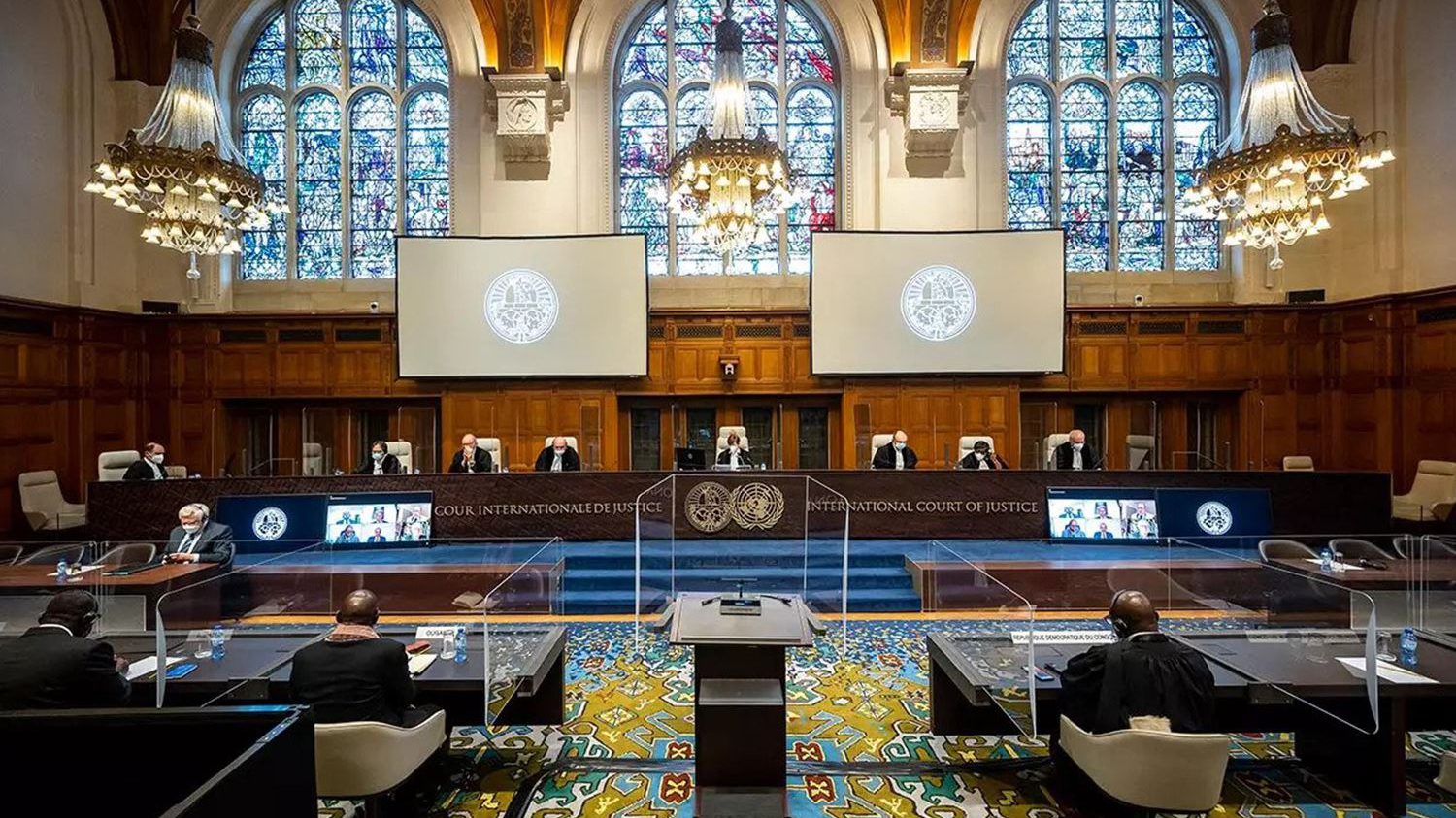
Highlights
- Evolution from State Practice: Customary international law on immunity evolves from consistent state practice and a sense of legal obligation.
- Multifaceted Immunity: Covers state immunity, diplomatic immunity, head of state immunity, and immunities for international organizations.
- Exceptions and Judicial Interpretations: Exceptions exist, particularly with severe international crimes, influencing modern jurisprudence.
Introduction to Customary International Law on Immunity
Customary international law on immunity is a rich and evolving domain within international jurisprudence. It includes principles that have gradually been shaped by the consistent practices of states and reinforced by judicial decisions in international courts. At its core, this area of law seeks to protect sovereign states and certain high-ranking officials from the jurisdiction of foreign courts unless consent is explicitly provided. This protection is fundamental to preserving the equality of states and ensuring that state affairs are insulated from potentially politicized legal processes.
Core Concepts and Theoretical Underpinnings
State Sovereignty and Equality
The concept of sovereign immunity is grounded in the principle of state sovereignty. Sovereign immunity implies that one state cannot be subjected to the jurisdiction of another state’s national courts without its consent, thereby maintaining a balance of equality among nations. As noted in numerous scholarly sources (Brownlie, 2008; International Court of Justice, 2002), this principle acts as a bedrock for avoiding conflicts among states stemming from domestic legal actions.
Customary Practice and Legal Obligation
Customary international law is formulated through general and consistent state practice carried out with a sense of legal obligation. This is often referred to as "opinio juris." In the area of immunity, such customs encompass both the inviolability of a state's sovereign acts and the personal and functional immunities afforded to state officials. The practice and evolving interpretation, influenced by cases such as the Arrest Warrant of 11 April 2000 (Democratic Republic of the Congo v. Belgium), underscore the transition from absolute to more refined interpretations that consider the nature of activities engaged by officials.
Types of Immunity under Customary International Law
State Immunity
State Immunity, often termed sovereign immunity, is the foundational concept in this field. Historically, states were granted absolute immunity, whereby their acts could never be challenged in foreign courts. This immunity is inherently linked to the idea that every sovereign entity is equal and therefore should not exercise jurisdiction over one another without consent. However, evolving state practice and judicial interpretations have introduced a more restrictive form of state immunity, especially regarding commercial activities. When states engage in commercial transactions, they may be subject to the jurisdiction of foreign courts similar to private entities.
Diplomatic Immunity
The immunity extended to diplomats and consular officers remains one of the most well-established principles of international law. This form of immunity is enshrined in the Vienna Convention on Diplomatic Relations (1961) and is critical in enabling the smooth functioning of international diplomacy. Diplomatic immunity protects diplomats and their families from the jurisdiction of local courts, thus ensuring safe passage and the performance of official duties, except in cases involving serious criminal activities. Such immunity has been recognized and reinforced by international courts, including in the case of United States Diplomatic and Consular Staff in Tehran (United States v. Iran) (ICJ Reports, 1980).
Head of State and Official Immunity
Immunity for heads of state and other high-ranking officials is granted under customary international law, largely due to their role in representing state interests. This protection, often divided into personal (ratione personae) and functional (ratione materiae) immunity, ensures that while in office, these individuals are shielded from legal actions that could distract from or undermine their governmental functions. Nevertheless, numerous case law developments, including those emerging from the International Court of Justice, imply that such immunity does not extend to acts constituting severe violations, such as genocide or crimes against humanity. This evolving perspective aims to balance state interests against the imperatives of international justice.
International Organizations and Other Entities
Beyond states and their officials, international organizations also enjoy immunity. Immunities for entities like the United Nations are based on both treaty provisions—such as the UN Convention on the Privileges and Immunities of the United Nations (1946)—and customary international law. This dual framework serves to ensure that international organizations can operate without the interference of national jurisdictions, thereby promoting their efficacy in addressing global issues.
Exceptions, Limitations, and Jurisprudence
Exceptions to Immunity
Despite the broad protections afforded under customary international law, there are notable exceptions. For instance, immunity may be waived by the state itself, and there is a growing judicial recognition that immunity should not shield individuals from accountability in cases involving particularly grave crimes—such as war crimes, genocide, and crimes against humanity. This limitation is often grounded in the principle of universal jurisdiction, where certain international crimes are considered so egregious that no immunity provision should apply.
International Court of Justice and Key Cases
The International Court of Justice (ICJ) has significantly contributed to the interpretation of immunity in international law. In its judgment in the Arrest Warrant of 11 April 2000 (Democratic Republic of the Congo v. Belgium), the ICJ elucidated that while states and their officials enjoy robust immunities, these privileges may be curtailed when engaging in acts that contravene international law. Moreover, cases like United States Diplomatic and Consular Staff in Tehran underscore the necessity of diplomatic immunity for protecting state agents, while also highlighting scenarios where such immunity does not extend to shielding grave abuses.
Scholarly Debate and Doctrinal Evolution
Scholars and legal practitioners have debated the scope and application of immunity under customary international law extensively. While early interpretations upheld absolute immunity as sacrosanct, modern discourse, influenced by evolving state practice and judicial pronouncements, has shifted towards a more nuanced view. As observed in discussions by Cassese (2005) and others, there is now significant emphasis on balancing sovereign equality with accountability, particularly when severe human rights abuses are involved. This evolution is reflective of broader trends in international law, where the imperatives of justice increasingly challenge traditional doctrines.
Detailed Analytical Table
| Aspect | Description | Key References |
|---|---|---|
| State Immunity | Protection of states from being sued in foreign courts without consent. Historically absolute; now more restrictive in commercial contexts. | Brownlie (2008), ICJ (2002), Oxford Bibliographies |
| Diplomatic Immunity | Immunity extended to diplomatic agents and consular officers as per the Vienna Convention on Diplomatic Relations (1961), safeguarding their official functions. | Vienna Convention (1961), United States v. Iran (ICJ, 1980) |
| Head of State Immunity | Encompasses both personal and functional immunity for heads of state and high-ranking officials to protect acts performed in official capacity. | Arrest Warrant Case (ICJ, 2002), Diplo discussions |
| International Organizations | Immunity granted to organizations like the United Nations under treaty law and customary principles, facilitating their independent operation. | UN Convention on the Privileges and Immunities of the UN (1946) |
| Exceptions | Immunity can be waived and does not apply to severe international crimes. Universal jurisdiction principles may override customary immunities in certain instances. | Cassese (2005), International Court of Justice Cases |
Detailed Development and Evolution
Historical Development
Historically, the principle of immunity was established to protect the sovereignty of states and the independence of domestic legal systems. The roots of these immunities can be traced back to medieval notions of sovereign power, which eventually crystallized into the legal doctrines recognized today. Over time, as diplomatic interactions increased and states engaged in international trade, the necessity to clearly delineate the limits of a state’s legal immunity became more apparent. This evolutionary process was further influenced by landmark judicial decisions and scholarly exegeses, which provided clarity on how states and their agents should interact legally on the global stage.
Judicial Interpretations and Case Law
Judicial interpretations have played a crucial role in shaping the contours of immunity under customary international law. For example, in the landmark Arrest Warrant case, the International Court of Justice (2002) clarified that while sovereign immunity is a fundamental principle, it is not absolute, especially when state officials are implicated in international crimes. Similarly, cases addressing diplomatic immunity, such as the United States Diplomatic and Consular Staff in Tehran, illustrate the balance that courts must strike between protecting diplomatic agents and ensuring accountability. These decisions underscore that while the immunity framework is robust, it remains adaptable in response to evolving global norms.
Scholarly Perspectives on the Future of Immunity
Academic discussions on customary international law on immunity suggest that the field is far from static. Modern legal scholars emphasize the need for a dynamic approach that reconciles sovereign rights with the demands of international justice. The ongoing debates pivot on how best to handle cases involving severe human rights abuses without undermining the principle of sovereign equality. Scholars like Cassese (2005) argue that a refined approach to immunity could serve as a cornerstone for modern international criminal justice, ensuring that high-ranking officials are not shielded from accountability when committing grave offenses. Such perspectives are increasingly influential as the international community continues to grapple with complex legal and ethical dilemmas.
Citations and References for Thesis
Primary Legal Texts and Conventions
Key references for discussing customary international law on immunity in a thesis should include landmark cases, primary treaties, and scholarly works. For instance, the Vienna Convention on Diplomatic Relations (1961) is essential for understanding diplomatic immunity, whereas judgments such as in the Arrest Warrant case (ICJ, 2002) provide insight into the limits of state and official immunity.
Scholarly Works and Judicial Decisions
It is important to incorporate scholarly debates which elucidate the evolution from absolute to restrictive immunity, particularly in the light of increasing demands for accountability under international law. Sources like Brownlie’s "Principles of Public International Law" (2008) and Cassese’s work (2005) are instrumental in comprehending these shifts. In addition, careful examination of decisions from the International Court of Justice provides practical illustrations of the principles at work.
Comprehensive List of References
The following table summarizes key references, including both primary sources and scholarly commentary:
| Source Type | Reference | Details |
|---|---|---|
| Case Law | ICJ, Arrest Warrant of 11 April 2000 | Judgment detailing limits of immunity for state officials, 2002. |
| Treaty/Convention | Vienna Convention on Diplomatic Relations | 1961, Article 31; fundamental in defining diplomatic immunity. |
| Academic Work | Brownlie, I. (2008) | "Principles of Public International Law" – a key text on sovereignty and immunity. |
| Scholarly Discussion | Cassese, A. (2005) | Provides insights on the adaptation of immunity in international law. |
| Online Resource | Wex: Customary International Law | Legal Information Institute's primer on customary international law principles. |
Recommended Further Research Queries
- Investigate the historical evolution of state immunity in international law
- Examine the impacts of diplomatic immunity on global diplomacy
- Explore modern challenges to head of state immunity, including international criminal accountability
- Study the application of customary international law in cases of commercial immunity
- Review key judicial interpretations regarding immunity by the ICJ
References
 assets.cambridge.org
Last updated March 22, 2025