
Customer Satisfaction and Loyalty at Albayt Arabic Cuisine
In-depth analysis of long queues and their impact on customer retention
Key Highlights
- Service Efficiency and Queue Management: Reducing wait times through strategic queue handling enhances satisfaction.
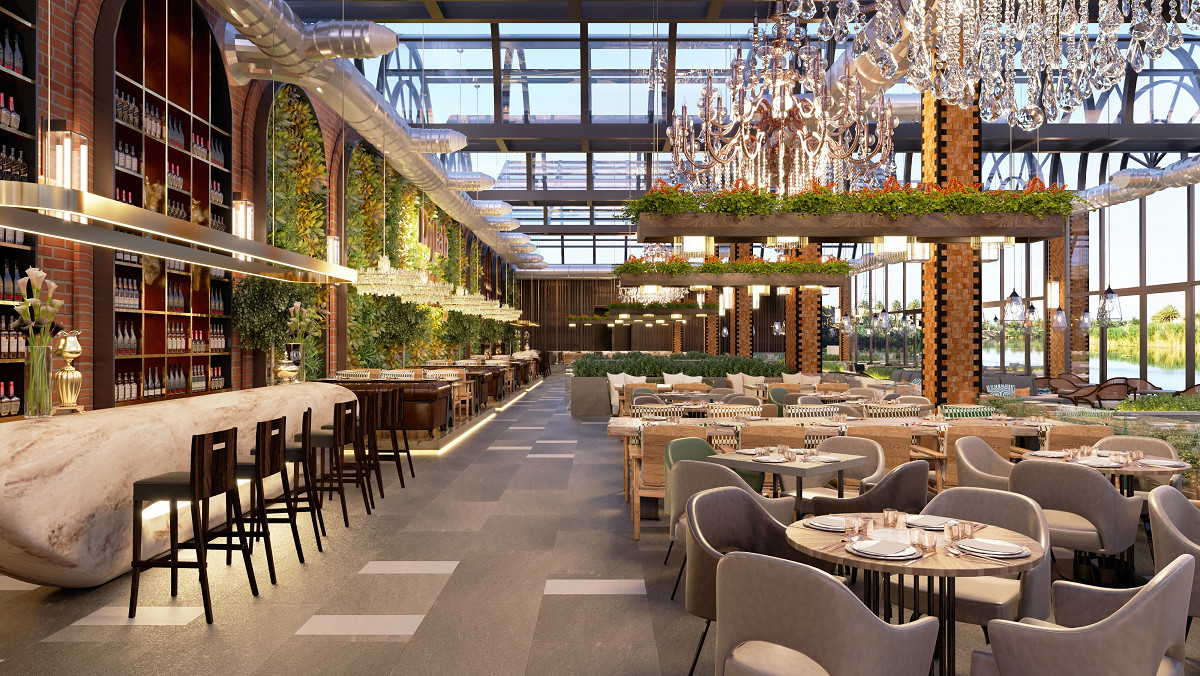
- Dining Experience and Ambiance: A well-designed waiting area and authentic atmosphere contribute significantly to overall customer delight.
- Continuous Improvement and Communication: Transparent communication and feedback mechanisms build trust and loyalty.
Understanding the Phenomenon: Long Queues and Their Dual Impact
At Albayt Arabic Cuisine, long queues are more than just a sign of high demand; they are both a challenge and an opportunity. While extended wait times may initially discourage some patrons, they also serve as a positive signal of the restaurant’s popularity and the perceived quality of its food and service. This dual nature of long queues makes it essential to scrutinize the underlying factors affecting customer satisfaction and loyalty. This comprehensive analysis delves into service efficiency, ambiance, quality perception, and strategic communication, drawing on insights from various experts and studies.
1. Service Efficiency and Queue Management
a. The Impact of Waiting Times
One of the most straightforward determinants of customer satisfaction is the duration of wait times. Research consistently underscores that the longer a customer waits, the higher the risk of dissatisfaction. In various sectors—including restaurants and healthcare—alluding to the American Customer Satisfaction Index (ACSI), reduced wait durations are directly correlated with increased customer approvals.
For Albayt Arabic Cuisine, long queues signify high demand, yet they raise critical concerns about service efficiency. Slow service may detract from the overall dining experience, regardless of the culinary excellence that awaits customers once seated. Consequently, it becomes imperative to manage the physical fluidity of queues to preserve the restaurant’s reputation.
b. Effective Queue Management Strategies
To counteract potential negative effects arising from extended wait times, various queue management strategies can be employed:
- Virtual Queuing Systems: Implementing technology-based solutions such as SMS alerts or mobile apps can enable patrons to wait in comfort away from crowded physical spaces, ensuring that they are informed about their position in the queue.
- Comfortable Waiting Areas: Equipping the waiting space with comfortable seating, ambient lighting, and perhaps a touch of local decor reinforces the cultural authenticity that Albayt Arabic Cuisine is celebrated for.
- Customer Engagement Activities: Offering small engagements like complimentary appetizers or interactive displays helps transform the waiting period into a pleasant prelude to the dining experience.
Incorporating these solutions not only shortens the perceived waiting time but also reinforces a commitment to customer satisfaction, which is critical to fostering loyalty.
The Role of Dining Experience and Ambiance
Beyond simply managing queues, the overall dining experience plays a central role in customer satisfaction. Customers often associate long lines with a promise of high-quality, authentic food—particularly in niche culinary establishments such as Albayt Arabic Cuisine. Despite the wait, if the restaurant delivers a memorable experience in taste, service, and cultural ambiance, most guests are willing to overlook the inconvenience.
2. Enhancing the Overall Customer Experience
a. Quality of Food and Service
High-quality service and food are the cornerstones of customer loyalty. Long queues often build a sense of anticipation, suggesting that the establishment offers something truly special. A seamless operation, coupled with consistently excellent cuisine, ensures that customer expectations are met or exceeded. The restaurant's commitment to authenticity in its dishes and consistency in service builds a strong reputation—where the wait itself becomes an integral part of the experience.
Moreover, positive staff interactions can significantly enhance customer perceptions. Friendly and efficient waitstaff not only help manage the wait times but also build a rapport with customers, ensuring that even moments of delay are handled with courtesy and diligence.
b. Atmosphere and Cultural Ambiance
The ambiance of Albayt Arabic Cuisine significantly influences customer loyalty, especially when it comes to long queues. An inviting atmosphere, rich with cultural elements, helps establish a unique brand identity that patrons cherish. Authentic design elements, traditional music, and carefully curated decor contribute to a setting where the waiting experience is aesthetically pleasing and culturally enriching.
A thoughtfully designed waiting area that mirrors the restaurant's overall theme can transform the perception of waiting from a period of enforced inactivity into a continuation of the cultural journey. Techniques such as ambient lighting, traditional art displays, and culturally relevant entertainment can effectively mitigate the negative feelings associated with long wait times.
Quality Perception and Value Proposition
When customers perceive that high-quality food and an unforgettable dining experience justify a long wait, their overall satisfaction increases. Albayt Arabic Cuisine leverages its unique culinary offerings to offset the inconvenience of waiting. The exclusive and authentic nature of the restaurant’s menu positions the restaurant as not just another dining venue, but an experience waiting to unfold.
3. Balancing Price, Quality, and Expectations
a. Pricing Strategy and Perceived Value
An important aspect of customer satisfaction lies in aligning the perceived value of the dining experience with the price point. Customers are often more tolerant of longer waiting times if they believe that the experience justifies the cost. This price versus quality dynamic is crucial for restaurants like Albayt Arabic Cuisine, where premium service, authentic cuisine, and an immersive cultural environment are expected.
Maintaining a balance between pricing and quality ensures that the long queue becomes a symbol of excellence rather than a deterrent. Strategic pricing, which justifies a prolonged wait through the promise of exclusive culinary delights and a unique dining atmosphere, can significantly bolster customer loyalty.
b. The Role of Unique Offerings
Offering distinctive or signature dishes can strengthen the relationship between the wait and the eventual reward of high quality. Patrons who anticipate rare or exclusive flavors are more inclined to accept long queues as part of the overall experience. This approach nurtures a culture of loyalty where customers return not solely for convenience, but for an irreplaceable gastronomic journey.
Building Loyalty Through Communication and Feedback
Transparent, timely, and empathetic communication is critical to managing customer expectations regarding wait times. When customers are well-informed about the reasons behind delays and consistently updated on their status, the negative impact of long queues is substantially diminished. Such communication not only helps in alleviating frustration but also strengthens trust.
4. Communication Strategies and Customer Feedback Mechanisms
a. Transparent Communication
In any service-oriented industry, managing customer expectations through clear communication is vital. For Albayt Arabic Cuisine, providing real-time updates on wait times—be it via digital display boards, mobile notifications, or personal interactions—goes a long way in ensuring that customers feel respected and valued. Such operational transparency not only humanizes the experience but also builds an honest and trustworthy rapport with the customer base.
Transparent communication helps in setting realistic expectations. It fosters an environment where customers are more understanding of minor delays, knowing that the restaurant is actively working to deliver an exceptional experience.
b. Customer Feedback and Continuous Improvement
Implementing dynamic feedback systems is essential for addressing issues that may arise from long queues. Direct customer feedback, whether collected through digital surveys, comment cards, or app-based reviews, provides actionable insights into the specific pain points experienced by patrons. This continuous loop of feedback and improvement ensures that the restaurant can quickly adapt its strategies and operational workflows to enhance satisfaction.
Regularly reviewing customer insights allows management to identify recurring issues, such as bottlenecks during peak hours or deficiencies in communication. By proactively addressing these concerns, Albayt Arabic Cuisine not only improves the immediate experience but builds a foundation of reliability that encourages customer loyalty.
Comprehensive Comparison: Key Factors and Strategies
| Aspect | Key Factors | Strategies for Improvement |
|---|---|---|
| Wait Times | Direct impact on customer satisfaction; longer waits lead to frustration. |
|
| Service Quality | Consistency in food quality and service builds trust and loyalty. |
|
| Ambiance | Authenticity and comfort in waiting areas can mitigate negative perceptions of waiting. |
|
| Communication | Transparent and timely communication greatly improves customer perceptions. |
|
| Unique Value Proposition | Offering exclusive or signature dishes reinforces a high-value perception. |
|
Additional Strategies to Enhance Satisfaction and Loyalty
5. Integrating Technology and Innovative Practices
a. Smart Queue Systems
Leveraging technology with smart queue management systems can significantly reduce the friction associated with long queues. By integrating apps or SMS-based systems, Albayt Arabic Cuisine can ensure that customers are notified of their upcoming seating, thereby allowing them to enjoy nearby amenities until their table is ready. This not only diminishes the negative impact of waiting but also demonstrates the restaurant's commitment to innovation and customer care.
b. Data-Driven Decision Making
Effective use of customer data and feedback analytics supports informed decision-making. By monitoring peak hours, analyzing feedback trends, and tracking wait times, management can optimize staffing schedules and resource allocation. Data-driven insights help in identifying specific pain points, thereby enabling targeted improvements whether it be enhanced queue communications, seating arrangements, or service redirection.
6. Community Engagement and Loyalty Programs
a. Building a Community
Many customers choose dining establishments not just for the food but also for the sense of community they create. Albayt Arabic Cuisine can transform the waiting experience into a communal event where customers engage with each other while waiting for their table. Social media hashtag campaigns, community events, or even small in-restaurant gatherings can foster a sense of belonging that smooths over the inconveniences of long wait times.
Encouraging dialogue and establishing forums for customer interaction builds a loyal customer base. When patrons feel that they are part of a community, they are more tolerant of minor delays and more likely to return.
b. Implementing Loyalty Programs
Introducing reward systems that recognize repeat visits can convert occasional customers into loyal patrons. These programs can include perks such as discounts, priority seating, or exclusive previews of new dishes. A well-designed loyalty program creates value that outweighs the temporary inconvenience of waiting, as it reinforces positive associations with the restaurant.
Integrative Analysis and Practical Recommendations
The interplay between service efficiency, ambiance, communication, and value perception forms the backbone of customer satisfaction and loyalty at Albayt Arabic Cuisine. By strategically managing long queues and enhancing the waiting experience, the restaurant can convert potential frustration into anticipation and excitement. The key to success lies not only in reducing tangible wait times but also in altering the perception of the wait itself. When customers see long queues as a testament to the restaurant’s quality and cultural cachet, they are more likely to forgive minor delays, particularly if the eventual dining experience exceeds their expectations.
To synthesize, the following integrated strategies are recommended:
- Invest in technology: Use apps and SMS notifications to manage queues efficiently.
- Create an engaging waiting area: Enhance the ambiance with cultural touches and offer complimentary items to ensure comfort during the wait.
- Emphasize transparency: Clearly communicate wait times and reasons for delay to align customer expectations.
- Gather and use feedback: Implement robust feedback systems to monitor customer satisfaction and drive continuous improvements.
- Foster community: Initiate loyalty programs and build an inclusive social environment that turns waiting into an engaging, shared experience.
These steps promote an overall improved perception of long queues, which, in turn, strengthens the restaurant's reputation and customer loyalty. By focusing on both the tangible and intangible elements of the waiting experience, Albayt Arabic Cuisine can effectively balance operational challenges and customer expectations in a competitive market.
References
- The Impact of Waiting on Customer Loyalty - FasterLines
- Key Factors That Influence Customer Loyalty - WorkRamp
- Factors Affecting Customer Satisfaction - Knowmax
- Factors Affecting Customer Satisfaction - Moxo
- Lower Satisfaction and Loyalty with Long Waits - SBR
Recommended Queries
Last updated March 20, 2025