
Unlocking the Secret Power of Customer Service Training: Transform Your Team's Performance Today
Discover how strategic customer service training can dramatically boost customer satisfaction, employee engagement, and your bottom line
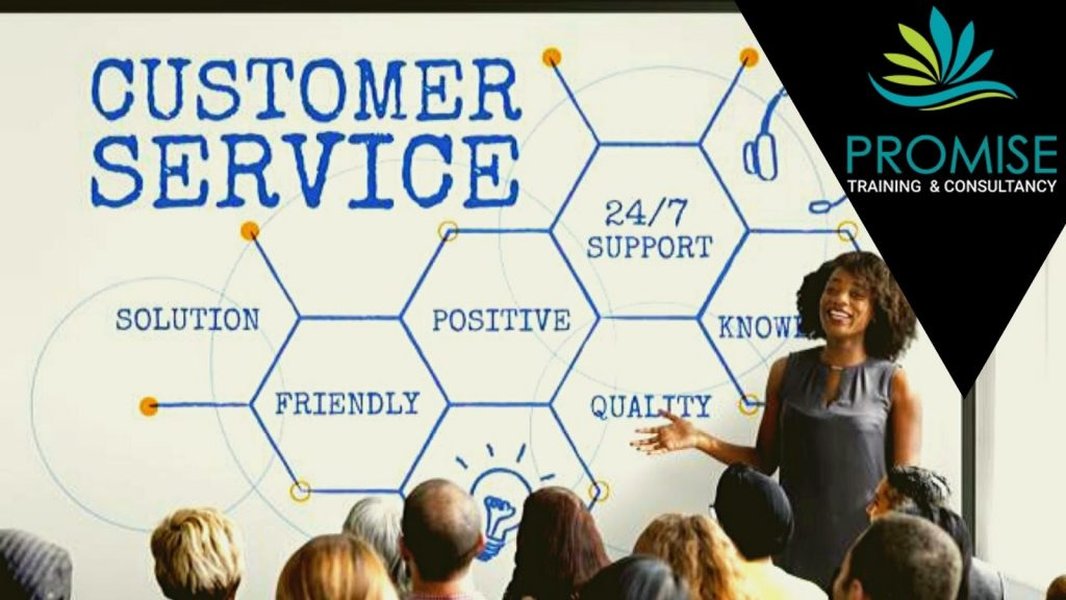
Key Benefits of Effective Customer Service Training
- Increased customer satisfaction and loyalty - Well-trained staff resolve issues faster and create more positive customer experiences
- Higher employee engagement and retention - Training empowers staff with skills and confidence, reducing turnover
- Improved business growth and profitability - Exceptional customer service directly correlates with increased sales and customer retention
Understanding Customer Service Training Types
Customer service training is not a one-size-fits-all solution. Different training approaches serve various organizational needs, team structures, and learning preferences. Understanding the range of training options helps you craft a program that delivers maximum impact for your specific situation.
Foundational Training Programs
New Hire Onboarding
New hire training forms the critical foundation for customer service excellence. These programs typically last between four and six weeks, focusing on company culture, software proficiency, and in-depth product knowledge. The goal is to align new team members with your organization's service philosophy while equipping them with practical skills.
In-house Employee Training
Led by experienced staff members, in-house training can be precisely tailored to address specific team weaknesses or challenges. This approach leverages internal expertise and ensures training aligns perfectly with your company's unique service model and customer expectations.
External Expert-Led Training
Consultant workshops and specialized training sessions bring fresh perspectives from industry experts. While potentially more costly than internal options, these intensive programs can introduce cutting-edge service techniques and breakthrough approaches that might not exist within your organization.
Ongoing Development Programs
Refresher Training
Regular refresher sessions help maintain and enhance existing skills while preventing service quality degradation over time. These sessions reinforce core concepts while introducing updates to service protocols and systems.
Special Circumstance Training
Timely training for unique events, product launches, or seasonal demands ensures your team is prepared for specific high-pressure situations. This targeted approach helps maintain service quality during periods of change or increased customer interaction.
Self-Paced Learning
Self-directed programs allow employees to learn at their own speed through e-learning platforms offering interactive modules. This flexible approach accommodates different learning styles and schedules while promoting ongoing skill development.
| Training Type | Best For | Duration | Delivery Method | Cost Level |
|---|---|---|---|---|
| New Hire Onboarding | Entry-level staff | 4-6 weeks | Blended (in-person & online) | Medium-High |
| In-house Training | Team-specific challenges | Ongoing/As needed | Workshop/Practical | Low-Medium |
| External Expert-Led | Advanced techniques | 1-3 days | Intensive workshop | High |
| Refresher Training | Skill maintenance | Periodic (quarterly) | Mixed methods | Low |
| Special Circumstance | Unique situations | Brief (1-2 days) | Focused sessions | Medium |
| Self-Paced Learning | Continuous development | Flexible/Ongoing | Online modules | Low-Medium |
Essential Topics in Customer Service Training
A comprehensive customer service training program should cover several key skill areas to ensure representatives can handle any customer interaction with confidence and professionalism.
Core Communication Skills
Active Listening
The foundation of all excellent service interactions, active listening involves fully focusing on the customer, understanding their needs, and confirming comprehension. Training should include techniques for demonstrating attention, asking clarifying questions, and properly interpreting customer feedback.
Verbal Communication
Clear, concise, and positive language significantly impacts customer perception. Training should cover appropriate tone, pace, vocabulary choice, and techniques for explaining complex information in accessible ways.
Written Communication
Email, chat, and social media communications require specific skills to convey warmth, clarity, and helpfulness without face-to-face cues. Training should cover digital communication best practices and platform-specific techniques.
Emotional Intelligence
Empathy Development
The ability to understand customer feelings and respond appropriately is crucial. Training should help representatives recognize emotional cues and practice genuine empathetic responses that build rapport and trust.
Self-Regulation
Managing one's own emotions, especially during difficult interactions, is essential for consistent service quality. Training should include techniques for maintaining composure, managing stress, and preventing burnout.
Problem-Solving Capabilities
Critical Thinking
Analyzing situations, identifying root causes, and developing effective solutions quickly is vital for resolution efficiency. Training should provide frameworks for systematic problem analysis and decision-making.
Creative Resolution
Finding innovative solutions to uncommon problems demonstrates exceptional service. Training should encourage thinking beyond standard protocols when appropriate and within company guidelines.
Technical Competencies
Product Knowledge
Comprehensive understanding of offerings enables accurate information sharing and problem-solving. Training should include detailed product/service information, common issues, and hands-on experience.
CRM System Proficiency
Efficiently managing customer data and interaction history streamlines service. Training should cover system navigation, data entry standards, and utilizing customer insights for personalized service.
Effective Training Methodologies
The delivery method of your training program significantly impacts knowledge retention and skill development. Combining multiple approaches often yields the best results for comprehensive skill development.
Experiential Learning Techniques
Scenario-Based Training
Creating realistic customer interaction simulations provides safe practice environments before facing real customers. This approach is particularly effective for developing problem-solving skills and building confidence in handling difficult situations.
Role-Playing Exercises
Taking turns as customers and service representatives helps develop empathy and communication skills. These exercises should include common scenarios, challenging situations, and feedback opportunities for improvement.
Case Study Analysis
Examining real customer interactions—both successful and unsuccessful—provides valuable learning opportunities. This method helps identify best practices, common pitfalls, and creative solutions to complex service challenges.
Technology-Enhanced Learning
Interactive eLearning
Digital modules with quizzes, simulations, and multimedia content make training engaging and accessible. This approach offers flexibility for self-paced learning while providing consistent training experiences.
Virtual Reality Training
Immersive environments simulate realistic customer interactions for high-impact learning. This cutting-edge approach is particularly effective for emotional intelligence development and handling high-stress situations.
Gamification Elements
Competition, rewards, and achievement systems increase engagement and motivation. Incorporating game mechanics into training can significantly boost completion rates and knowledge retention.
Measuring Training Effectiveness
To ensure your customer service training program delivers results, implement comprehensive measurement systems that track both learning outcomes and real-world performance improvements.
Key Performance Indicators
Customer Satisfaction Scores
Monitoring CSAT, NPS, and other satisfaction metrics before and after training programs helps quantify impact. Look for improvements in overall satisfaction and specific service aspects addressed in training.
First Contact Resolution Rates
Tracking the percentage of issues resolved without escalation or follow-up demonstrates efficiency improvements. Effective training should lead to measurable increases in first-contact resolution.
Average Handle Time
Measuring interaction duration helps assess efficiency while balancing with quality metrics. Well-trained representatives often achieve the optimal balance between thorough service and efficient resolution.
Evaluation Methods
Skills Assessments
Regular testing of knowledge and practical abilities ensures retention and application. These assessments should align directly with training objectives and real-world job requirements.
Quality Monitoring
Evaluating recorded interactions for adherence to service standards identifies improvement areas. This ongoing process helps maintain consistency and identify additional training needs.
Return on Investment Analysis
Calculating training costs against service improvements, customer retention, and revenue growth demonstrates value. This analysis helps justify continued investment in customer service development.
Frequently Asked Questions
References
- Customer Service Skills Training Courses - Dale Carnegie
- Customer Service Training: A Complete Guide - Zendesk
- Customer Service Training Courses and Workshops - Business Training Works
- Customer Service Online Training Courses - LinkedIn Learning
- Customer Service Training Guide - Salesforce
- Customer Service Training Ideas and Best Practices - PartnerHero
- Essential Customer Service Training Topics - SafetyCulture
Recommended Topics

Last updated April 3, 2025