
Authors on Cutting Classes
An engaging exploration of key scholarly perspectives
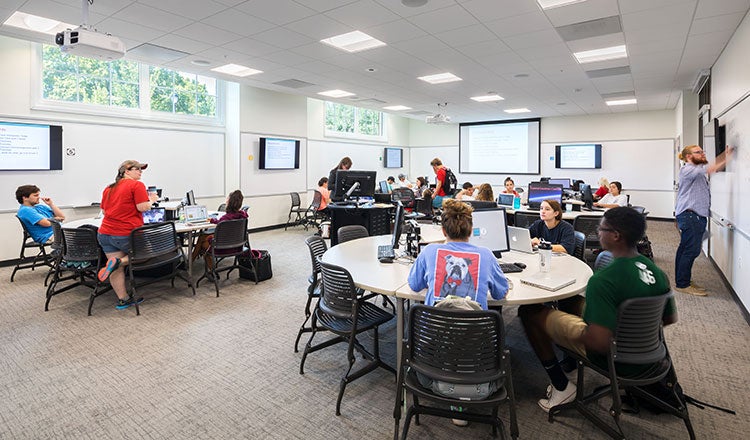
Key Insights
- Multidimensional Analysis: Scholars explore both academic performance impacts and social implications of skipping classes.
- Diverse Research Approaches: Studies range from empirical research on exam performance to critical examinations of socioeconomic factors.
- Contextual Factors: Researchers consider student attitudes, course engagement, and systemic educational issues when discussing class cutting.
Overview of Notable Authors and Their Perspectives
Empirical and Performance-Oriented Studies
Marburger (2006) and Dobkin et al. (2010)
These authors provide empirical evidence linking regular class attendance to improved exam performance. Their research suggests that a lower rate of absenteeism correlates with better academic outcomes, highlighting the importance of structured attendance for achieving academic success.
Cortright et al. (2011) and Schmulian and Coetzee (2011)
Focusing on the role of student engagement, these studies reinforce that active participation in class enhances the learning process. Their work underscores that the lack of engagement—often linked to absenteeism—can detract from effective learning, thereby affecting academic performance.
Wyatt's Analysis
Wyatt’s research delves into the reasons behind student absenteeism by linking class enjoyment and personal effort. This work demonstrates that students who dislike a course are more likely to skip classes, which in turn can impact overall academic achievement.
Critical and Socioeconomic Perspectives
Joe L. Kincheloe and Shirley R. Steinberg
In their book "Cutting Class: Socioeconomic Status and Education", Kincheloe and Steinberg provide a critical analysis of how class cutting intersects with issues of educational inequality. Their approach is not purely empirical; instead, they examine the broader context in which socioeconomic status influences educational experiences, thereby linking the act of missing classes to structural problems within the educational system.
Lewis A. Taylor III
Taylor’s research specifically addresses the academic repercussions of class cutting, establishing that students who frequently skip classes tend to see harm in their academic records. His analysis reinforces the understanding that absenteeism can lead to lower grades and diminished academic performance.
Aric Zion and Thomas Hollmann
Their investigation centers on class absenteeism among female students, noting that a significant reason for skipping classes was the perception of excessive workload. Their findings contribute to a nuanced understanding of the motivational factors and perceived course difficulty that can drive absenteeism.
Alternative Contexts and Broader Interpretations
R. Kirk Fallis
Fallis examines the issue of class cutting within urban public high schools, accentuating that the problem is frequently seen as a marker of deviance rather than as an indicator of systemic educational challenges. His work prompts educators to reframe the narrative around absenteeism.
Steven E. Gump
Gump’s survey sheds light on the personal and demographic factors associated with class cutting. His findings, which include notable differences by gender and academic year, provide a detailed account of the rationale behind why students might choose to cut class.
Literary Contributions and Societal Narratives
Beyond empirical studies, literary discussions have also contributed to the conversation about "cutting class." Articles in literary publications have juxtaposed the idea of class cutting with cultural expectations, often challenging the myth of the hard-working middle class. This integrative view highlights the cultural and social dimensions that influence attitudes toward attendance.
Comparative Author Insights Table
| Author(s) | Main Focus | Key Findings | Reference |
|---|---|---|---|
| Marburger (2006), Dobkin et al. (2010) | Empirical performance study | Class attendance directly correlates to improved exam scores. | ResearchGate Article |
| Cortright et al. (2011), Schmulian and Coetzee (2011) | Student engagement | Active participation boosts learning outcomes and overall academic success. | Wiley Article |
| Wyatt | Reasons for absenteeism | Disengagement due to dislike of course content leads to higher absentee rates. | Semantic Scholar |
| Kincheloe & Steinberg | Socioeconomic analysis | Educational inequality is reflected through class cutting behaviors. | Amazon Book |
| Lewis A. Taylor III | Academic impact | Regular class cutting leads to poorer academic performance. | Wiley Article |
| Zion & Hollmann | Workload and gender | Heavier perceived workloads contribute to higher absenteeism, particularly among females. | Zion Report |
| R. Kirk Fallis | Urban high school absenteeism | Absenteeism is contextualized within challenges in urban public schools. | Chronicle Article |
| Steven E. Gump | Demographic survey | Highlights gender and academic-year differences in class cutting motivations. | Academia.edu Paper |
Additional Perspectives on Cutting Classes
The literature surrounding class cutting is as multifaceted as its contributors. Certain researchers have underscored that the phenomenon is not merely a matter of individual choice or academic negligence, but rather a complex interplay of cultural, socioeconomic, and institutional factors. These discussions offer a broader interpretation that extends beyond simple academic performance metrics.
For example, some authors have examined the cultural narratives that shape the acceptance or stigmatization of class cutting. Literary critiques, coupled with empirical research, present an image of education where skipping class is both a symptom of and a reaction to the pressures inherent in modern schooling. Thus, the topic opens avenues for further questioning about the true purpose of class attendance, the methods by which educators engage students, and the broader socioeconomic disparities influencing student behavior.
References
- ResearchGate - Skipping Class in College and Exam Performance
- Wiley - Cutting Class and Exam Impact
- Semantic Scholar - Class Absenteeism Analysis
- Amazon - Cutting Class Book
- Zion Report - College Attendance Study
Recommended Queries for Further Exploration
 amazon.com
Last updated March 6, 2025