
Common Problems with CVT Automatic Car Engines
Understanding the Challenges of Continuously Variable Transmissions
Key Takeaways
- Overheating is a prevalent issue that can lead to significant transmission damage if not addressed promptly.
- Maintenance sensitivity makes regular checks and fluid changes crucial for CVT longevity.
- Unusual noises and performance problems often signal underlying mechanical or software-related issues.
Overview of CVT Technology
What is CVT?
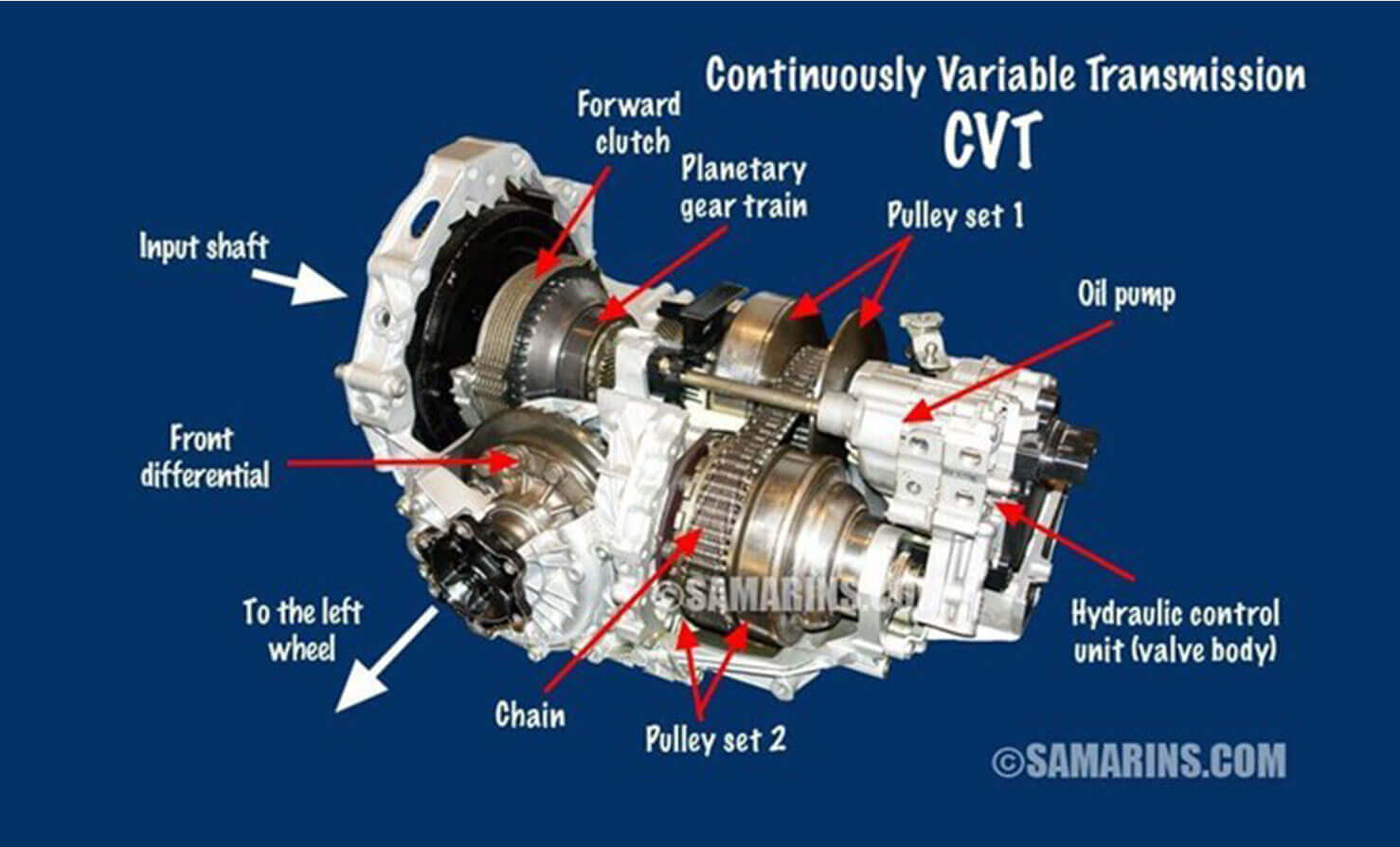
A Continuously Variable Transmission (CVT) is a type of automatic transmission that can change seamlessly through an infinite number of effective gear ratios between maximum and minimum values. This contrasts with other mechanical transmissions that offer a fixed number of gear ratios. The primary advantage of CVT systems is their ability to provide smooth acceleration and improve fuel efficiency by maintaining the engine at its most efficient RPM range.
How CVT Differs from Traditional Transmissions
Unlike traditional automatic or manual transmissions that use a set of gears, CVTs utilize a system of pulleys and belts or chains to adjust the gear ratio continuously. This allows for a more efficient power delivery and eliminates the gear-shifting jerks experienced in conventional transmissions. However, the unique design of CVTs also introduces specific challenges that can affect reliability and performance.
Common Issues with CVT Automatic Transmissions
Overheating
Overheating is one of the most significant problems associated with CVT transmissions. The continuous slippage and friction within the belt or chain mechanism generate excess heat, especially during prolonged driving in extreme conditions such as high temperatures, mountainous terrains, or when towing heavy loads. Persistent overheating can degrade the transmission fluid, weaken the belts or chains, and ultimately lead to complete transmission failure. Additionally, inadequate cooling systems in some vehicle models exacerbate this issue, making overheating a critical concern for CVT longevity.
Unusual Noises
CVTs may emit various atypical noises, including whining, groaning, grinding, or rattling sounds during acceleration or deceleration phases. These noises often indicate underlying issues such as:
- Belt or Chain Wear: Over time, the high-strength belts or chains used in CVTs can wear out, stretch, or develop grooves, leading to reduced efficiency and performance.
- Lubrication Problems: Insufficient or degraded transmission fluid can cause increased friction, resulting in unusual sounds and accelerated wear of internal components.
- Pulley System Issues: Wear or damage to the pulleys that control the diameter change can disrupt the smooth operation of the CVT, leading to audible anomalies.
Performance Problems
Drivers may experience various performance-related issues with CVT transmissions, such as:
- Acceleration Hesitation: Delays in engine response when the accelerator is pressed can make the vehicle feel sluggish and unresponsive.
- Slipping Sensation: The transmission may intermittently lose grip on the belts or chains, causing a temporary loss of power transmission to the wheels.
- Jerking or Shuddering: Irregular movements during gear ratio changes can lead to uncomfortable driving experiences and indicate mechanical or control system problems.
Fluid-Related Issues
CVT systems rely heavily on specialized transmission fluid for lubrication, cooling, and optimal operation of internal components. Problems related to transmission fluid include:
- Fluid Degradation: Over time, the transmission fluid can break down, losing its lubricating properties and becoming contaminated with debris or metal particles, which can cause internal wear.
- Fluid Leaks: Leaks can lead to insufficient fluid levels, increasing friction and heat within the transmission, and potentially causing mechanical failures.
- Incorrect Fluid Use: Using the wrong type of transmission fluid can impair the CVT's function, leading to erratic shifting, increased wear, and potential transmission damage.
Belt or Chain Wear
The durability of the belts or chains in CVT systems is crucial for their performance and longevity. Wear and tear can result from:
- Continuous Use: The constant adjustment of the belt or chain within the pulleys leads to gradual wear, reducing efficiency and increasing the likelihood of slippage.
- Heavy Loads: Regularly towing or carrying heavy loads places additional stress on the belts or chains, accelerating wear and increasing the risk of failure.
- Improper Maintenance: Neglecting regular maintenance, such as timely fluid changes, can exacerbate wear on these critical components.
Electronic and Control Module Issues
Modern CVT systems are heavily reliant on electronic controls to manage the transmission's operation. Issues in this area include:
- Software Glitches: Faulty software can lead to improper shifting or failure to adjust gear ratios correctly, impacting performance and drivability.
- Sensor Failures: Malfunctioning sensors can provide incorrect data to the control module, causing erratic transmission behavior and potential damage.
- Wiring Problems: Damaged or corroded wiring can disrupt communication between electronic components, leading to inconsistent transmission operation.
Durability and Reliability Concerns
CVTs are often perceived as less durable and reliable compared to traditional automatic transmissions. Factors contributing to this perception include:
-
Shorter Lifespan: CVTs typically have a lifespan ranging from 40,000 to 100,000 miles, which is often less than that of conventional transmissions.
-
Higher Repair Costs: Repairs and replacements for CVT components can be more expensive due to their specialized nature and limited availability of aftermarket parts.
-
Performance Under Stress: In high-stress driving conditions, such as aggressive acceleration or towing, CVTs are more prone to premature failure.
Manufacturer-Specific Concerns
Honda/Acura
Earlier models of Honda and Acura vehicles equipped with CVTs have been reported to experience issues such as slipping and fluid leaks. While newer iterations have shown improvements in reliability, some drivers still encounter problems related to the transmission's durability and performance, particularly under demanding driving conditions.
Nissan
Nissan has historically faced significant challenges with its CVT designs, including overheating and premature failure. Although recent models have seen enhancements in CVT technology, older models remain a concern for reliability and long-term performance.
Toyota/Subaru
In contrast to some other manufacturers, Toyota and Subaru's CVTs are generally regarded as more reliable. These brands have fewer reported transmission failures, and their CVT systems tend to handle a broader range of driving conditions without significant issues. However, regular maintenance is still essential to ensure optimal performance.
Maintenance and Prevention
Regular Maintenance Schedules
Adhering to the manufacturer's recommended maintenance schedule is crucial for the longevity of a CVT. This includes timely transmission fluid changes, inspections for leaks, and monitoring system performance to catch potential issues early.
Using Correct Transmission Fluid
Utilizing the appropriate type of transmission fluid is vital for the proper functioning of a CVT. Incorrect or degraded fluid can compromise lubrication, cooling, and the overall operation of the transmission, leading to increased wear and potential failure.
Avoiding Harsh Driving Conditions
Minimizing exposure to extreme driving conditions, such as heavy towing, rapid acceleration, or driving in mountainous terrains, can help reduce the stress on the CVT system. Gentle driving habits can significantly extend the transmission's lifespan.
Regular Professional Inspections
Regularly having the CVT inspected by qualified professionals ensures that any emerging issues are identified and addressed promptly. Professional inspections can detect early signs of fluid degradation, component wear, or electronic malfunctions before they escalate into more significant problems.
Repair and Replacement Challenges
High Repair Costs
Repairs for CVT systems tend to be more expensive than those for traditional transmissions. The specialized nature of CVT components, lack of widespread aftermarket parts, and the need for specialized tools contribute to higher labor and material costs.
Limited Availability of Parts
The availability of replacement parts for CVTs can be limited, especially for older or less common vehicle models. This scarcity can lead to longer repair times and increased costs, as parts may need to be sourced from specialized suppliers or manufacturers.
Maintenance Tips for CVT Longevity
| Maintenance Activity | Recommended Frequency | Benefits |
|---|---|---|
| Transmission Fluid Change | Every 30,000–60,000 miles | Prevents fluid degradation, reduces wear, and maintains optimal cooling and lubrication |
| Regular Inspections for Leaks | Every maintenance visit | Early detection of leaks can prevent low fluid levels and subsequent transmission damage |
| Software Updates | As recommended by manufacturer | Ensures the transmission control module operates with the latest algorithms for optimal performance |
| Belt and Chain Checks | Every 30,000 miles | Identifies wear or damage early, preventing belt/chain failure |
| Avoiding Overloading | Continuous practice | Reduces stress on the transmission, preventing overheating and component wear |
Conclusion
Continuously Variable Transmissions offer significant advantages in terms of smooth acceleration and fuel efficiency. However, they come with their own set of challenges, including susceptibility to overheating, unusual noises, and performance inconsistencies. Proper maintenance and adherence to manufacturer guidelines are essential to mitigate these issues and ensure the longevity and reliability of CVT systems. Understanding the specific concerns related to different manufacturers can also aid consumers in making informed decisions when purchasing and maintaining their vehicles. While CVTs present a viable alternative to traditional transmissions, being proactive in maintenance and mindful of driving conditions can help alleviate many of the common problems associated with these systems.
References
Last updated February 10, 2025