
Essential Cybersecurity Projects to Impress Recruiters
Boost Your Cybersecurity Portfolio with Python and Home Lab Innovations
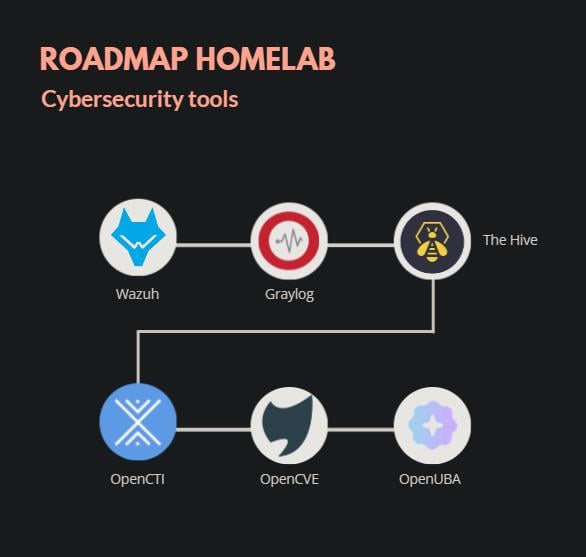
Key Takeaways
- Hands-On Experience: Building practical projects demonstrates real-world skills and problem-solving abilities.
- Technical Proficiency: Showcases your expertise in Python and familiarity with essential cybersecurity tools.
- Comprehensive Understanding: Highlights your ability to design, implement, and manage complex security systems.
1. Vulnerability Scanners
Develop a Python-based vulnerability scanner that can identify common vulnerabilities in web applications or network services. Utilizing libraries such as requests and BeautifulSoup for web scraping, or integrating with tools like Nmap, showcases your ability to detect security weaknesses effectively.
Skills Demonstrated
Network scanning, vulnerability assessment, Python scripting, integration with existing security tools.
Tools Required
Python, requests, BeautifulSoup, Nmap, potentially Nessus APIs for enhanced scanning capabilities.
2. Penetration Testing Frameworks
Create a modular penetration testing framework in Python that integrates various exploits, enumeration scripts, and reporting tools. This framework can include modules for password brute-forcing, service enumeration, and exploiting misconfigurations, demonstrating your ability to develop scalable and maintainable security solutions.
Skills Demonstrated
Modular programming, exploit development, enumeration techniques, reporting and documentation.
Tools Required
Python, Metasploit framework, custom Python libraries for different modules.
3. Honeypot Deployment
Design and deploy a honeypot using Python to attract and analyze malicious traffic. By simulating vulnerable services with libraries like Dionaea or Conpot, you can monitor attacker behavior and enhance your understanding of network security dynamics.
Skills Demonstrated
Network security, intrusion detection, traffic analysis, Python scripting, data visualization.
Tools Required
Python, Dionaea, Conpot, VirtualBox or VMware for virtual environments.
4. Network Traffic Analysis Tools
Create a tool to monitor and analyze network traffic using Python's scapy library. This tool can detect anomalies or specific attack types, showcasing your ability to work with network protocols and identify suspicious activities.
Skills Demonstrated
Network protocol analysis, anomaly detection, Python programming, real-time data processing.
Tools Required
Python, scapy, Wireshark for traffic analysis, machine learning libraries if incorporating advanced detection techniques.
5. Password Cracking and Encryption Tools
Develop Python scripts for password cracking using methods like dictionary attacks, brute force, or rainbow tables. Additionally, build encryption applications to demonstrate your understanding of cryptographic principles.
Skills Demonstrated
Cryptography, password security, Python scripting, algorithm implementation.
Tools Required
Python, hashlib, itertools, rainbow tables databases, cryptographic libraries like cryptography.
6. Web Application Security Projects
Build tools focused on securing web applications, such as SQL injection testing tools, XSS detection scripts, or develop a simple Web Application Firewall (WAF) using Python frameworks like Flask or Django.
Skills Demonstrated
Web security, SQL injection prevention, cross-site scripting mitigation, firewall implementation.
Tools Required
Python, Flask or Django, modsecurity, SQLmap, BeautifulSoup.
7. Home Lab Setup and Attack Simulation
Establish a home lab environment using virtualization software like Proxmox, VirtualBox, or VMware. Simulate real-world attack scenarios with vulnerable machines such as Metasploitable, practice network scanning, enumeration, and exploitation techniques, and include an Active Directory domain for advanced testing.
Skills Demonstrated
Virtualization, network simulation, Active Directory management, ethical hacking, penetration testing.
Tools Required
Proxmox, VirtualBox, VMware, Metasploitable, Kali Linux, Windows Server for Active Directory.
8. Security Monitoring and SIEM Enhancements
Expand your existing SIEM by integrating advanced log analysis, host-based intrusion detection systems (HIDS), or network traffic analysis tools. Incorporate machine learning models to enhance threat detection capabilities.
Skills Demonstrated
Security Information and Event Management (SIEM), log analysis, machine learning integration, threat detection.
Tools Required
Python, scikit-learn or TensorFlow for machine learning, ELK stack (Elasticsearch, Logstash, Kibana), OSSEC for HIDS.
9. DevSecOps Automation Tools
Create automation tools that integrate security checks into CI/CD pipelines. Develop Python-based applications that perform static code analysis, check dependency vulnerabilities, or enforce compliance guidelines as part of the build process.
Skills Demonstrated
DevSecOps, continuous integration/continuous deployment (CI/CD), automation scripting, static analysis.
Tools Required
Python, Jenkins or GitHub Actions, static analysis tools like Bandit, dependency management tools like pip-audit.
10. Malware Analysis Sandbox
Develop a sandbox environment to safely analyze malware samples using Python. This involves setting up dynamic analysis tools and reporting on malware behavior, enhancing your understanding of malware techniques and defensive strategies.
Skills Demonstrated
Malware analysis, sandboxing, dynamic analysis, Python scripting, behavior reporting.
Tools Required
Python, Cuckoo Sandbox, virtualization software, malware samples for analysis.
Project Implementation Example
Comprehensive Vulnerability Scanner
Building a robust vulnerability scanner involves integrating various components to assess and report on the security posture of target systems. Here's an example of how to structure such a project:
Project Overview
The vulnerability scanner will perform network scanning, service enumeration, and vulnerability assessment, generating detailed reports for identified security issues.
Features
-
Network discovery using ICMP and TCP SYN scans.
-
Service enumeration for detected open ports.
-
Integration with CVE databases for vulnerability matching.
-
Multithreading for efficient scanning.
-
Automated report generation in HTML format.
Implementation Steps
- Network Scanning: Use Python's `socket` and `scapy` libraries to perform ICMP pings and TCP SYN scans to discover active hosts and open ports.
- Service Enumeration: For each open port, identify the running service using banner grabbing techniques.
- Vulnerability Assessment: Cross-reference identified services with CVE databases using APIs to find known vulnerabilities.
- Report Generation: Aggregate findings and generate a comprehensive HTML report detailing potential security issues.
- Optimization: Implement multithreading to speed up the scanning process and handle large networks efficiently.
Technologies Used
Python, scapy, socket, threading, HTML for report generation, CVE APIs.
Benefits
This project demonstrates a deep understanding of network security principles, proficiency in Python programming, and the ability to create tools that provide valuable security insights.
Comprehensive Project Summary
| Project | Skills Demonstrated | Tools Required |
|---|---|---|
| Vulnerability Scanner | Network scanning, vulnerability assessment, Python scripting | Python, requests, BeautifulSoup, Nmap |
| Penetration Testing Framework | Modular programming, exploit development, reporting | Python, Metasploit, custom libraries |
| Honeypot Deployment | Intrusion detection, traffic analysis, data visualization | Python, Dionaea, Conpot, VirtualBox |
| Network Traffic Analysis | Protocol analysis, anomaly detection, real-time processing | Python, scapy, Wireshark |
| Password Cracking Tools | Cryptography, password security, algorithm implementation | Python, hashlib, itertools |
| Web Application Security | SQL injection prevention, XSS mitigation, firewall implementation | Python, Flask, Django, sqlmap |
| Home Lab Setup | Virtualization, network simulation, ethical hacking | Proxmox, VirtualBox, Metasploitable, Kali Linux |
| SIEM Enhancements | Log analysis, machine learning, threat detection | Python, scikit-learn, ELK stack |
| DevSecOps Tools | CI/CD integration, automation scripting, static analysis | Python, Jenkins, Bandit |
| Malware Analysis Sandbox | Malware analysis, sandboxing, dynamic analysis | Python, Cuckoo Sandbox, virtualization tools |
Conclusion
Embarking on these cybersecurity projects not only enhances your technical prowess in Python and network security but also significantly strengthens your portfolio to impress recruiters. Each project targets critical areas of cybersecurity, from vulnerability assessment and penetration testing to threat detection and DevSecOps automation. By meticulously documenting your projects and showcasing your problem-solving skills, you demonstrate a comprehensive understanding of cybersecurity principles and practical application, making you a standout candidate in the competitive job market.
References
Last updated February 16, 2025