
Unraveling Cyclist Reaction: Navigating Unexpected Encounters on Multi-Use Trails
Understanding perception-reaction times is crucial for cyclist safety, especially when faced with unexpected hazards like an oncoming bicycle on an unpaved trail.
Key Insights into Cyclist Reaction Times
- Unexpected Hazards: For a bicyclist encountering an unexpected hazard, the 85th percentile perception-reaction time is approximately 0.84 seconds. This suggests a heightened state of vigilance among cyclists compared to motorists.
- Mean Reaction Time: The reported mean perception-reaction time for bicyclists generally falls around 0.9 seconds.
- Context Matters: Reaction times are significantly influenced by the environment; natural cycling conditions tend to yield longer reaction times than controlled laboratory settings. Factors like the unpaved nature of a multiuse trail and an unexpected opposing bicycle would likely necessitate quicker responses, aligning more with values for unexpected hazards rather than standard design values.
The ability of a bicyclist to perceive a hazard and react appropriately is paramount for safety, especially on shared pathways like unpaved multiuse trails. When faced with an unexpected scenario, such as an opposing bicycle traveling in the same lane, a cyclist's perception-reaction time becomes a critical determinant of their ability to avoid a collision. This complex process involves several cognitive and physical stages, from initial detection of the hazard to the execution of a maneuver, all within a fraction of a second. Understanding these timings, including both mean and percentile values, provides valuable insights for trail design, safety education, and overall risk assessment in cycling environments.
Understanding Perception-Reaction Time in Cycling
Perception-reaction time (PRT) is the interval between the moment a driver or cyclist perceives a hazard and the moment they initiate a physical response, such as braking or steering. This time is not static but varies widely depending on numerous factors, including the cyclist's experience, fatigue levels, the complexity of the hazard, and environmental conditions. For bicyclists, who are often more exposed and vulnerable than motorists, quick and accurate reactions are essential to preventing accidents and injuries, which frequently stem from loss of control or collisions.
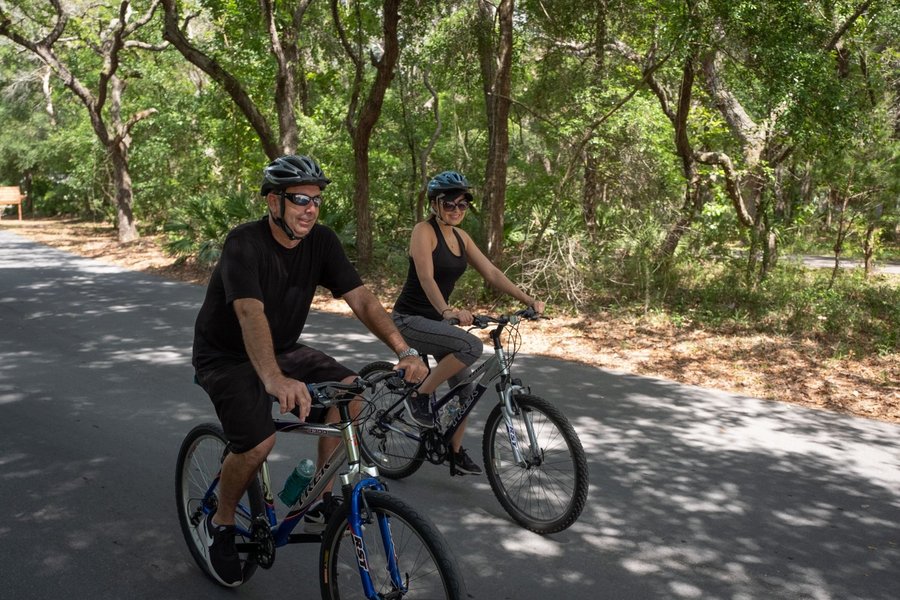
Cyclists on a paved trail, highlighting shared spaces and the need for awareness.
General Perception-Reaction Times for Bicyclists
While specific data for a bicyclist encountering an opposing bicycle on an unpaved multiuse trail is not explicitly detailed in general studies, broader research on cyclist reaction times provides a strong framework for understanding this scenario:
- 85th Percentile for Unexpected Hazards: For bicyclists encountering an unexpected hazard, the 85th percentile perception-reaction time is approximately 0.84 seconds. This relatively short duration suggests a higher level of vigilance among cyclists compared to drivers in similar situations.
- Mean Perception-Reaction Time: Various studies report a mean perception-reaction time for bicyclists around 0.9 seconds. This average value offers a general benchmark for typical cyclist response.
These values are particularly relevant for scenarios where the hazard, such as an opposing bicycle in one's lane, is not anticipated. The unpaved nature of the trail adds another layer of complexity, potentially requiring more precise control and, therefore, a slightly longer overall response time once the initial reaction is initiated.
Design Values vs. Real-World Scenarios
It's important to distinguish between empirical observations of cyclist reaction times and the values recommended for infrastructure design. The American Association of State Highway and Transportation Officials (AASHTO) often recommends a perception-reaction time of 2.5 seconds for motorists, a value that is sometimes broadly applied to bicyclists. This 2.5-second value is considered conservative, accounting for the time needed for unexpected braking and covering the vast majority of drivers. However, for situations where bicyclists might anticipate potential conflicts, such as at intersections or in densely populated urban areas, a shorter design value of 1.5 seconds might be used for calculations like stopping sight distance.
The scenario of an opposing bicycle in the same lane on an unpaved multiuse trail would likely fall under a category requiring heightened vigilance, suggesting that the lower percentile values for unexpected hazards (0.84 seconds) are more pertinent than the higher AASHTO design values, which are geared towards motor vehicle contexts and general roadway design.
Factors Influencing Cyclist Reaction Time
Several critical factors can significantly impact a bicyclist's perception-reaction time:
- Expectation of Hazard: When a hazard is unexpected, reaction times tend to be longer. On a multiuse trail, while encounters with other users are common, an opposing bicycle *in one's own lane* could be perceived as unexpected, demanding a faster, more adaptive response.
- Environmental Conditions: Riding in natural environments, particularly on unpaved surfaces, generally leads to longer reaction times compared to controlled laboratory settings. The varying terrain, potential obstacles, and reduced traction of an unpaved trail can increase the cognitive load on the cyclist, delaying response.
- Cyclist Experience and Skill: Experienced cyclists often exhibit faster and more appropriate reactions due to improved hazard perception and muscle memory. They may also rely more on proprioception (awareness of their body's position) in complex situations, especially when visual input is limited.
- Physical and Cognitive Fatigue: Fatigue, whether physical from prolonged cycling or cognitive from sustained attention, can significantly impair reaction time. This is particularly relevant on longer rides or challenging trails.
- Age: Children, in particular, exhibit significantly delayed reaction times and take longer to fixate on hazards compared to adults, increasing their risk in traffic.
- Exercise Intensity: Paradoxically, increased exercise intensity can sometimes improve cognitive arousal and choice reaction time, which is beneficial for avoiding collisions and falls. However, extreme exertion leading to fatigue can have the opposite effect.
Comparative Reaction Times: Cyclists vs. Motorists
It's notable that the 85th percentile perception-reaction time for bicyclists encountering an unexpected hazard (0.84 seconds) is shorter than values typically used in motor vehicle studies and design guidance. This difference may stem from the inherent vulnerability of cyclists, which fosters a higher state of vigilance and a more immediate need to react to perceived dangers. Unlike motorists enclosed in a vehicle, cyclists have direct exposure to their environment, making quick evasive action a primary defense mechanism.
The Role of the 85th Percentile in Safety Standards
The 85th percentile concept, while often used to set speed limits for motor vehicles (defined as the speed at or below which 85% of traffic travels under free-flow conditions), faces debate regarding its applicability to vulnerable road users like cyclists and pedestrians. Critics argue that solely relying on driver behavior for setting speed limits disproportionately benefits motorists and neglects the safety of others. The National Transportation Safety Board (NTSB) has advocated for a "safe systems approach" that integrates crash history and the safety of all road users, moving beyond traditional reliance on the 85th percentile approach as the sole determinant for speed limits.
In the context of perception-reaction time, the 85th percentile provides a statistically robust measure that accounts for the reaction time of the vast majority of cyclists, excluding only the slowest 15%. This makes it a useful benchmark for designing trails and anticipating potential conflicts, ensuring that design standards accommodate most users.

A gravel cyclist on an unpaved path, illustrating typical multiuse trail conditions.
Impact of Trail Conditions on Reaction
The unpaved and multiuse nature of the trail significantly influences perception-reaction time and subsequent maneuvering. Unpaved surfaces, such as gravel, dirt, or loose soil, offer less predictable traction compared to paved roads. This reduced grip necessitates more cautious riding and can make sudden braking or steering adjustments more challenging. Cyclists must account for potential slippage or loss of control, which can extend the time required to execute a safe evasive action after the initial perception of a hazard.
Furthermore, multiuse trails imply the presence of various users, including pedestrians, joggers, and potentially other cyclists, which increases the likelihood of unexpected encounters. The presence of an opposing bicycle in the same lane demands not just a quick reaction, but also an informed decision about the safest course of action—whether to brake, swerve, or dismount—all while maintaining balance and control on a less stable surface.
The Importance of Skill and Preparedness
Given the complexities of unpaved, multiuse trails and the potential for unexpected encounters, skills like balance, agility, and quick decision-making are paramount. Cyclists who regularly ride on such trails often develop enhanced proprioception and anticipation skills, allowing them to react more instinctively. Training and preparedness, including awareness of common hazards and practicing emergency maneuvers, can significantly reduce overall response time and mitigate the risk of injury.
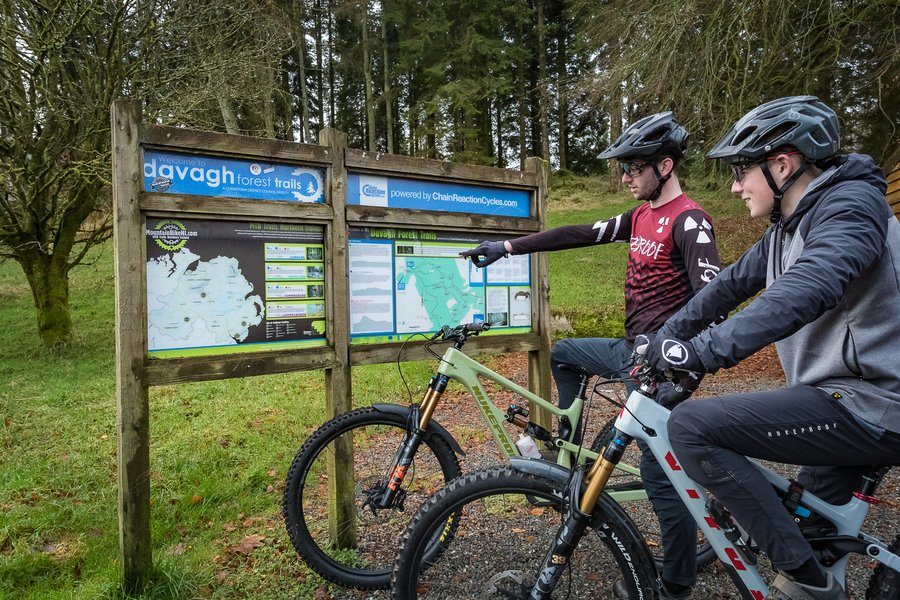
Mountain bikers on a dirt trail, demonstrating diverse usage of unpaved paths.
Visualizing Reaction Time Factors
To further illustrate the multifaceted nature of cyclist perception-reaction time, especially in challenging environments, a radar chart can effectively represent the relative impact of various contributing factors. This chart visualizes how different elements, such as experience, fatigue, and environmental conditions, influence a cyclist's ability to react efficiently and safely.
This radar chart illustrates the perceived relative impact of various factors on a bicyclist's reaction time when encountering a hazard. For instance, 'Hazard Expectancy' (whether the hazard is anticipated or not) is shown to have a very high impact, signifying that unexpected events demand significantly more reaction time. Similarly, 'Environmental Complexity' (like an unpaved multiuse trail) and 'Experience Level' are also major determinants. 'Fatigue Level' and 'Cognitive Load' also play substantial roles, while 'Physical Condition' has a moderate but still important influence. This visual helps underscore the holistic nature of factors contributing to how quickly and safely a cyclist can respond to an unforeseen situation.
A Cyclist's Cognitive and Physical Journey to Reaction
The process of reacting to an unexpected hazard on a bicycle is a complex interplay of perception, cognitive processing, and physical execution. This journey can be broken down into several stages, each contributing to the overall reaction time.
This mindmap outlines the intricate stages a cyclist navigates from perceiving a hazard to executing a response. It begins with "Perception," involving sensory input and hazard detection. This leads to "Cognitive Processing," where the hazard is recognized, assessed, and a decision on how to react is made. Finally, the "Motor Response" involves initiating and executing the chosen action. Crucially, "Influencing Factors" such as the cyclist's experience, fatigue, environmental conditions (like an unpaved trail), and bicycle control continuously interact with and modify these stages, highlighting the dynamic nature of reaction time in real-world cycling scenarios.
Deep Dive: The Backwards Brain Bicycle
While not directly about reaction time to an opposing cyclist, the concept of perception and learned motor skills is brilliantly demonstrated in the video "The Backwards Brain Bicycle - Smarter Every Day." This video explores the profound difficulty of unlearning a fundamental skill (riding a standard bicycle) and relearning it with a modified steering mechanism where turning the handlebars right makes the wheel go left, and vice versa. This seemingly simple change renders the rider initially incapable of even basic balance, highlighting how deeply ingrained our neural pathways are for complex motor tasks. It underscores that reaction is not just about raw speed, but also the automaticity and correctness of the motor response, which relies on consistent and practiced neurological programming.
The video serves as an excellent illustration of how our brain's perception of cause and effect, combined with practiced physical responses, forms the basis of our ability to navigate the world. When this learned pattern is disrupted, even slightly, the entire system falters. For a cyclist encountering an unexpected opposing bicycle on an unpaved trail, their reaction time is not merely a cognitive processing speed but also the ability to recall and execute the correct, often subconscious, physical maneuvers. If the situation presents an unfamiliar challenge, like suddenly having to swerve on loose gravel, it can introduce a "backwards brain bicycle" moment, where the practiced response is momentarily ineffective, leading to delayed or incorrect reactions.
An educational video demonstrating the concept of "The Backwards Brain Bicycle" and its implications for learned motor skills.
Summary of Perception-Reaction Times and Influencing Factors
The table below synthesizes key values and factors related to bicyclist perception-reaction time, providing a concise overview of the data and its context:
| Measurement Type | Value (Seconds) | Context/Notes |
|---|---|---|
| 85th Percentile Perception-Reaction Time (Unexpected Hazard) | 0.84 | For bicyclists encountering a hazard they did not anticipate. Suggests heightened vigilance among cyclists. |
| Mean Perception-Reaction Time (General) | 0.9 | Average reported reaction time for bicyclists across various studies. |
| AASHTO Recommended Design Value (Motorists, unexpected stop) | 2.5 | Often applied broadly; conservative value for most drivers, accounting for unexpected braking. Less applicable to cyclists on unpaved trails. |
| AASHTO Recommended Design Value (Anticipated Conflict Areas) | 1.5 | For areas where conflicts are expected (e.g., intersections). More relevant for urban cycling than remote trails. |
| Factors Increasing Reaction Time | Unexpected hazards, natural environments (vs. lab), fatigue, younger age, complex situations, poor visibility, unpaved surfaces. | |
| Factors Decreasing Reaction Time | Anticipated hazards, high experience/skill, focused attention, good physical condition, simpler scenarios. | |
Frequently Asked Questions (FAQ)
What is the difference between mean and 85th percentile reaction time?
Why is a bicyclist's reaction time shorter for unexpected hazards than design values for motorists?
How does an unpaved multiuse trail affect a bicyclist's reaction?
Can training improve a bicyclist's perception-reaction time?
Conclusion
For a bicyclist encountering an opposing bicycle traveling in their lane on an unpaved multiuse trail, the most relevant perception-reaction times align with values for unexpected hazards: an 85th percentile of 0.84 seconds and a mean of 0.9 seconds. These figures reflect the heightened vigilance characteristic of cyclists. However, it's crucial to acknowledge that real-world conditions, including the unpredictable traction of unpaved surfaces, the multiuse nature of the trail, and individual factors like fatigue and experience, can significantly influence these times. While design standards for motorists often use more conservative values (2.5 seconds, or 1.5 seconds in anticipated conflict zones), these are less directly applicable to the dynamic and often highly reactive scenarios faced by cyclists on shared, natural pathways. Prioritizing cyclist safety on such trails requires a comprehensive understanding of these nuanced reaction times and the myriad factors that affect them, emphasizing the importance of both thoughtful trail design and continuous cyclist preparedness.
Recommended Further Exploration
- How do different unpaved trail surfaces affect bicycle handling and braking distances?
- What training drills can improve a mountain biker's hazard perception and reaction time?
- Comparing motor vehicle and bicycle perception-reaction times: similarities and differences
- Safety guidelines for multiuse trails: best practices for cyclists and other users
Referenced Search Results
 aseasyasridingabike.wordpress.com