
Maximizing Daily Decision-Making with "Thinking, Fast and Slow"
Harnessing System 2 Thinking for Superior Choices
Key Takeaways
- Engage System 2 Thinking: Consciously activate slow, deliberate thinking for important decisions to counteract impulsive judgments.
- Identify and Mitigate Cognitive Biases: Recognize common biases like anchoring and availability to make more objective decisions.
- Implement Structured Decision-Making Tools: Use checklists and reflective practices to ensure comprehensive analysis.
Understanding the Two Systems of Thinking
Daniel Kahneman's landmark book, "Thinking, Fast and Slow," introduces the concept of two distinct systems that drive our thoughts and decisions. Understanding these systems is crucial for improving daily decision-making.
System 1: Fast, Intuitive, and Automatic
System 1 operates quickly and automatically, with little or no effort and no sense of voluntary control. It handles routine tasks and immediate reactions, relying on heuristics and mental shortcuts. While efficient, System 1 is prone to cognitive biases and errors, especially in complex or unfamiliar situations.
System 2: Slow, Deliberate, and Analytical
In contrast, System 2 allocates attention to effortful mental activities, such as complex computations and conscious reasoning. It is critical for tasks that require thoughtful analysis and decision-making, particularly in situations where accuracy and rationality are paramount.
Engaging System 2 for Better Decision-Making
To enhance daily decision-making, it is essential to consciously engage System 2 thinking. Here are the most effective techniques to apply from "Thinking, Fast and Slow."
1. Pause Before Deciding
One of the most practical techniques is to introduce a deliberate pause before making decisions. This pause helps prevent impulsive responses driven by System 1 and allows System 2 to take over.
Implementation Steps:Take a Moment to Reflect: Before reacting to a stimulus or making a decision, pause and take a deep breath. This brief pause can disrupt automatic responses and create space for more thoughtful consideration.
Ask Critical Questions: Pose questions like "Am I reacting out of habit?" or "What evidence supports this decision?" to engage analytical thinking.
Assess the Stakes: Determine whether the decision is significant enough to warrant System 2 engagement. High-stakes decisions benefit more from this deliberate approach.
2. Identify and Mitigate Cognitive Biases
Cognitive biases are systematic patterns of deviation from norm or rationality in judgment. By recognizing and addressing these biases, you can make more objective and informed decisions.
Anchoring Bias
Anchoring occurs when an initial piece of information unduly influences subsequent judgments.
Example: If a jacket is priced at $500 and then offered at $250, you might perceive it as a great deal, even if $250 is still overpriced. Solution:- Research the true value of items independently of initial prices.
- Avoid making decisions based solely on the first piece of information you receive.
Availability Bias
This bias leads people to overestimate the likelihood of events based on their recent exposure or emotional impact.
Example: After hearing about a plane crash, you might irrationally fear flying despite statistics showing it is safer than driving. Solution:- Consult reliable data and statistics before forming judgments.
- Be aware of how recent or vivid events might skew your perceptions.
Overconfidence Bias
Overconfidence leads individuals to have excessive faith in their own answers to questions, often overlooking potential pitfalls.
Solution:- Seek feedback and alternative perspectives.
- Regularly question and test your assumptions.
3. Utilize Checklists and Structured Tools
Structured decision-making tools like checklists can effectively engage System 2, ensuring that all relevant factors are considered.
How to Implement:Create Comprehensive Checklists: For complex tasks or important decisions, develop checklists that cover all necessary steps and considerations.
Regularly Review and Update: Ensure that your checklists remain relevant and comprehensive by periodically reviewing and updating them based on past experiences and new information.
Use Templates for Consistency: Develop templates for recurring decisions or tasks to streamline the process while maintaining thoroughness.
4. Reflect on Past Decisions
Regular reflection helps identify patterns of bias and errors, fostering continuous improvement in decision-making processes.
Steps for Effective Reflection:Maintain a Decision Journal: Document significant decisions, including the reasoning behind them and their outcomes.
Analyze Outcomes: Review the results of your decisions to determine what worked well and what could be improved.
Identify Bias Patterns: Look for recurring cognitive biases that may have influenced your decisions and develop strategies to mitigate them.
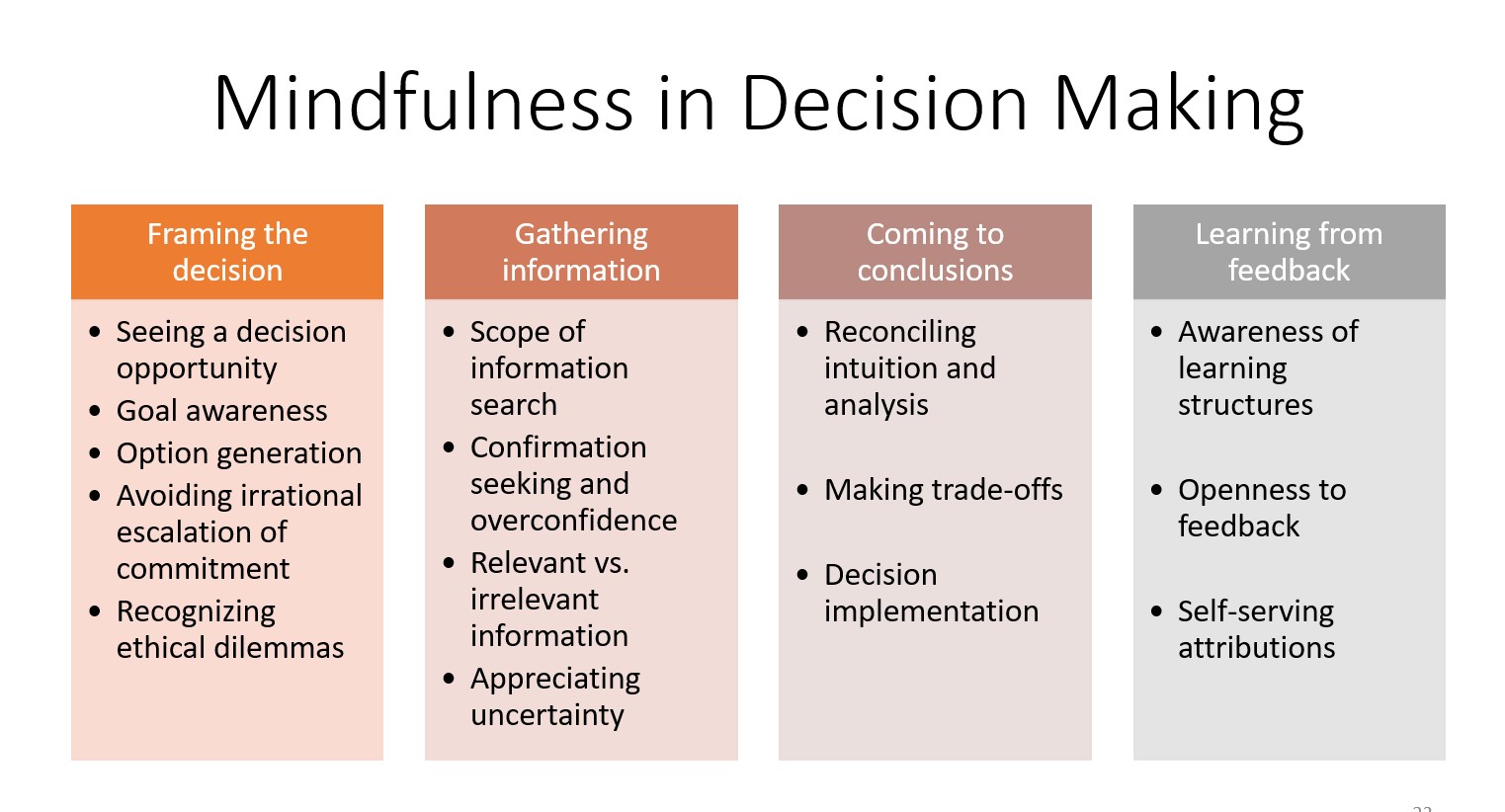
5. Practice Mindfulness
Mindfulness enhances awareness of your thought processes, helping you recognize when System 1 is dominating and when to switch to System 2.
Techniques to Enhance Mindfulness:Mindful Breathing: Engage in deep breathing exercises to center your thoughts and increase present-moment awareness.
Observational Practices: Regularly observe your thought patterns without judgment to understand when automatic responses occur.
Meditative Practices: Incorporate meditation into your daily routine to strengthen your ability to focus and deliberate.
6. Schedule Time for Deep, Slow Thinking
Allocating dedicated time for deliberate thinking ensures that important decisions receive the attention they deserve, free from the distractions of daily life.
Implementation Strategies:Protected Time Slots: Designate specific times of the day for focused, analytical thinking, such as the first 20 minutes in the morning.
Uninterrupted Environment: Create a workspace that minimizes distractions during these deep thinking sessions.
Set Clear Objectives: Define the purpose of each deep thinking session to maintain focus and productivity.
Implementing Structured Decision-Making: An Example
To illustrate how these techniques can be integrated into daily life, consider the following example involving a major financial decision.
Case Study: Purchasing a New Car
| Step | Action | System Engaged |
|---|---|---|
| 1 | Identify the Need for a New Car | System 1 |
| 2 | Pause and Reflect on Purpose | System 2 |
| 3 | Research Different Models and Prices | System 2 |
| 4 | Create a Checklist of Must-Have Features | System 2 |
| 5 | Compare Options Using Checklist | System 2 |
| 6 | Reflect on Past Purchase Decisions | System 2 |
| 7 | Make an Informed Decision | System 2 |
By following this structured approach, the decision-maker ensures that emotional impulses (System 1) do not override rational analysis (System 2), leading to a more satisfactory and well-considered purchase.
The Role of Mindfulness in Decision-Making
Mindfulness plays a pivotal role in recognizing when to shift from System 1 to System 2 thinking. It enhances self-awareness and emotional regulation, enabling more balanced and objective decisions.
Techniques to Enhance Mindfulness
Mindful Breathing
Engage in deep breathing exercises to calm the mind and prepare for deliberate thinking.
Thought Observation
Regularly observe your thoughts without judgment to identify when automatic responses occur.
Meditation Practices
Incorporate meditation into your daily routine to strengthen focus and awareness.
Overcoming Overconfidence
Overconfidence can lead to poor decision-making by causing individuals to underestimate risks and overestimate their knowledge or abilities.
Strategies to Mitigate Overconfidence:Seek Diverse Perspectives: Engage with others who may have different viewpoints to challenge your assumptions.
Consider Alternative Outcomes: Evaluate different scenarios and their potential impacts before finalizing decisions.
Continuous Learning: Stay informed and open to new information to reduce the likelihood of being blindsided by unexpected factors.
Allocating Mental Energy Wisely
In the fast-paced modern world, cognitive resources are limited. It's essential to allocate mental energy efficiently, reserving System 2 for decisions that truly matter.
Practical Tips:-
Prioritize Decisions: Focus on high-impact decisions that benefit significantly from thorough analysis.
-
Automate Routine Tasks: Delegate or automate low-stakes decisions to conserve mental resources for more critical thinking.
-
Set Boundaries: Limit decision fatigue by setting limits on the number of important decisions you make each day.
Conclusion
"Thinking, Fast and Slow" offers invaluable insights into the mechanics of human thought processes. By consciously engaging System 2 thinking, identifying and mitigating cognitive biases, and utilizing structured decision-making tools, individuals can significantly enhance their daily decision-making capabilities. Implementing these techniques fosters better outcomes, reduces errors, and promotes a more balanced and deliberate approach to life's challenges.
References
Last updated January 23, 2025