
How to Be More Productive Each Day
Practical strategies to boost your daily effectiveness and achieve your goals
Highlights
- Master Time Management: Develop routines and use techniques like Pomodoro and time blocking for focused work.
- Prioritize and Plan: Use goal-setting and prioritization methods to target key tasks, ensuring you work on what matters most.
- Optimize Your Environment and Well-Being: Create an organized workspace, embrace breaks, and nurture your physical and mental health to sustain energy.
Understanding Daily Productivity
Productivity is a multifaceted concept involving the effective use of your time, energy, and resources to achieve your daily objectives. At its core, increasing productivity pertains to crafting a balanced routine that incorporates strategic planning, effective time management, and continuous self-care. By examining various practical strategies and evidence-based techniques, you can significantly enhance your daily performance while mitigating stress and preventing burnout.
The Cornerstones of Daily Productivity
Each day provides a new opportunity to achieve more by approaching your tasks and responsibilities with a well-structured plan. The following pillars form the foundation of a productive day:
1. Time Management
Time management is the art and science of organizing your day to ensure that your work periods are as focused and efficient as possible. Strategies such as time blocking—where you allocate specific chunks of time for design tasks—and the Pomodoro Technique—working in concentrated intervals followed by brief breaks—can help maintain your energy and focus through the day.
For instance, the Pomodoro Technique involves completing 25 minutes of uninterrupted work followed by a 5-minute break, which helps to reset your concentration. Iterating this process throughout the day not only helps to maintain high levels of focus but also prevents mental exhaustion.
2. Prioritization and Planning
Effective prioritization is critical to ensuring that your efforts are directed toward high-value tasks. This means identifying the most crucial tasks of the day—often referred to as your “top three”—and ensuring these are completed first. Approaches such as the Eisenhower Matrix help you distinguish between tasks that are urgent versus those that are truly important, allowing you to strategically allocate your time.
A practical way to implement this strategy is to begin each day by drafting a clear to-do list, ranking your tasks in terms of priority. Reflect on the impact each task has on your long-term goals, and if possible, delegate lower priority tasks to free up time for high-impact activities.
3. Minimizing Distractions
In today’s hyper-connected world, your smartphone, social media, and even unscheduled emails can easily detract from your productivity. An essential approach is to create a distraction-free work environment. This might involve silencing notifications, designating specific times for checking emails, or even working in a physical location optimized for concentration.
Consider establishing clear boundaries with colleagues or family during focused work periods and using tools like noise-canceling headphones or applications designed to limit digital distractions.
4. Establishing a Consistent Routine
A predictable daily routine helps prime your mind and body for work. A healthy morning routine that includes practices such as exercise, meditation, or even a nourishing breakfast provides the necessary boost to handle subsequent tasks. This routine sets the tone for the day, fostering a proactive mindset.
In addition, maintaining daily rituals such as reviewing your to-do list in the morning and reflecting on key tasks at the end of the day can anchor your productivity. Furthermore, incorporating time to review your progress enables you to adjust strategies as needed, learning from your successes and setbacks.
5. The Importance of Breaks and Self-Care
Working continuously without a break can lead to burnout and decreased performance. Instead, regular intervals of rest—whether short breaks for stretching or longer periods for a brief walk—are vital for rejuvenating your mind. These moments of rest ensure that you maintain high levels of energy and creativity throughout the day.
Self-care is equally essential. Adequate sleep, balanced nutrition, and exercise not only support your physical well-being but also enhance your cognitive functions, leading to better decision-making and problem-solving. It is equally important to incorporate stress management techniques such as mindfulness or yoga into your daily routine. These practices help maintain a healthy balance between work demands and personal well-being.
6. Leveraging Productivity Tools
Technological tools can be a great ally in maintaining productivity. A variety of applications are available to help you organize your tasks, block distractions, track progress, and reflect on your efficiency. For example, time tracking software can offer insights into your work habits, allowing you to see where your time is best spent and where there might be room for improvement.
Experiment with different tools to see which ones fit your workflow. Whether it’s a digital calendar, project management software, or specialized productivity apps, integrating these resources into your daily routine can streamline your work process.
Structured Daily Schedule: A Practical Example
To illustrate how these productivity strategies can be applied in a real-world scenario, consider the following daily schedule designed to maximize efficiency while also supporting well-being. This schedule combines techniques like time-blocking, prioritized task management, and regular breaks to ensure sustained productivity.
| Time | Activity | Purpose/Benefit |
|---|---|---|
| 6:00 AM - 7:00 AM | Morning Routine (Exercise, Meditation, Breakfast) | Boosts energy and sets a positive tone for the day |
| 7:00 AM - 8:00 AM | Planning and Prioritization | Sets clear objectives and establishes a focused task list |
| 8:00 AM - 10:00 AM | Focused Work Session (Deep Work Block) | High productivity period for tackling high-priority tasks |
| 10:00 AM - 10:15 AM | Short Break | Rest and rejuvenate the mind |
| 10:15 AM - 12:00 PM | Continue Work or Meetings | Maintain momentum on key tasks with structured interruptions |
| 12:00 PM - 1:00 PM | Lunch and Personal Time | Physical nourishment and mental relaxation |
| 1:00 PM - 3:00 PM | Focused Work Session | Another key period for high-priority projects |
| 3:00 PM - 3:15 PM | Short Break | Recharges focus and prevents fatigue |
| 3:15 PM - 5:00 PM | Wrap-Up Activities | Review progress, complete low-energy tasks, and plan for the day ahead |
| 5:00 PM Onwards | Leisure/Personal Development | Time to unwind, pursue hobbies, or engage in learning activities |
This schedule acts as a baseline that can be adjusted according to your personal and professional demands. The key is to maintain flexibility while ensuring that your work sessions remain uninterrupted and structured.
In-Depth Strategies and Their Impact
Delving into Core Productivity Techniques
Establishing a Productive Mindset: The Role of Prioritization
A productive day starts with a clear understanding of your goals. Setting your objectives around your most pressing tasks forces you to tackle the essential items first, helping you manage your daily work with better clarity and less overwhelm. By consistently writing down your top three tasks for the day, you create a mental roadmap that guides your focus and prevents fugitive energy on low-priority activities.
Moreover, various prioritization matrix models, such as the Eisenhower Matrix, help you segment tasks into categories based on urgency and importance. This method ensures that tasks which are neither urgent nor important do not inadvertently consume valuable working time. The outcome is a routine that gradually optimizes your decision-making and nurtures a balanced approach toward goal setting.
Optimal Time Allocation through Time Management Techniques
Effective time management goes hand-in-hand with a systematic approach to planning. Techniques like the Pomodoro Technique not only create an environment for sustained concentration but also instill a rhythm into your work sessions that balances continuous effort with recovery time. Every work interval is designed to achieve a state of deep focus, enabling you to make significant progress on high-complexity tasks.
Additionally, time blocking segments your day into fixed periods dedicated to specific tasks or types of work. This method minimizes the incessant switching of tasks—an activity that has been proven to significantly decrease productivity. When you allocate dedicated periods for concentrated work, meetings, and breaks, you parallel the natural pace of your own energy levels throughout the day.
Refining Your Working Environment for Enhanced Focus
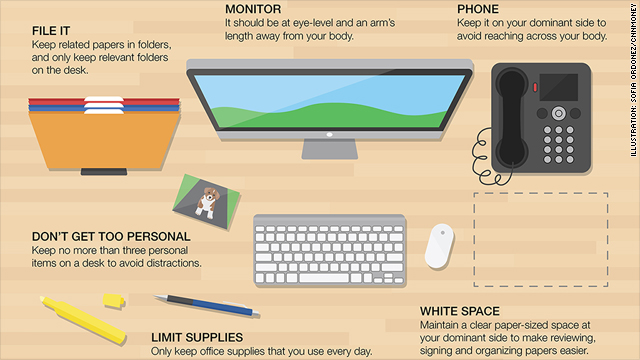
Your physical workspace plays a crucial role in the productivity equation. A clutter-free and well-organized workspace minimizes the mental distractions that often stem from disorganization. This can be as simple as having a clean desk or as elaborate as redesigning your workspace with ergonomic furniture to reduce strain.
Complement this with the elimination of digital distractions. Turn off non-essential notifications on your devices, and consider using applications that restrict or limit access to social media during work hours. A systematic approach to reducing disruptions not only bolsters focus but also supports a healthier balance between your professional commitments and personal life.
Emphasizing the Role of Self-Care in Sustaining Productivity
Many underestimate the power of self-care in maintaining high productivity levels. A well-balanced lifestyle—characterized by adequate sleep, regular exercise, and mindful stress management—is integral to cognitive performance and overall efficiency. When the body is well-rested and well-nourished, the mind performs at its best.
Incorporate regular breaks as well as a structured relaxation period after work to prevent burnout. Engage in physical activity, even if it’s as short as a brisk walk, to rejuvenate your energy. Furthermore, practices such as mindfulness or yoga can help manage work-related stress, fostering resilience and a sustained high level of productivity throughout your workday.
Utilizing Technology and Tools to Streamline Workflow
In the digital age, several productivity tools are available to support your daily workflow. Applications for time tracking, project management, and task organization can help you monitor your progress and identify areas for improvement. These tools allow you to analyze how your time is spent and make data-driven decisions to optimize your daily routines.
By experimenting with different tools, you can tailor a productivity system that best fits your needs. Whether it’s a sophisticated task management application or simple digital reminders, the right technology can relieve the burden of manual organization, leaving you with a clearer focus for your actual work.
Practical Tips for Immediate Implementation
Actionable Steps to Transform Your Daily Routine
To start experiencing enhanced productivity, consider integrating the following actionable steps into your routine:
- Begin with a Daily Review: Dedicate the first 10-15 minutes of your day to review your schedule and adjust your priorities for any urgent changes.
- Commit to Time Blocking: Allocate time blocks for your core tasks, ensuring minimal disruptions during these periods.
- Use the Pomodoro Technique: Implement focused work sessions paired with short, intentional breaks to sustain concentration.
- Optimize Your Workspace: Declutter your physical and digital workspaces to reduce distractions and maintain a clear focus.
- Set Clear, Achievable Goals: Identify your top three priorities each day and commit to completing them before advancing to other tasks.
- Schedule Regular Breaks: Plan for breaks throughout the day to maintain your energy levels and prevent mental fatigue.
- Leverage Productivity Apps: Experiment with different tools for time tracking and task management to find what best suits your workflow.
Integrating these steps into your daily life can help you systematically increase your productivity while also ensuring that you take care of your mental and physical health. This balanced approach not only leads to immediate improvements in efficiency but also fosters long-term gains in personal and professional development.
Measuring and Sustaining Productivity
How to Monitor Your Progress and Adjust Strategies
Tracking Your Productivity
Implementing productivity strategies is just the first step; sustaining long-term benefits requires tracking your progress. Regular reviews of your daily and weekly performance help to identify what is working and what needs adjustment.
Consider keeping a productivity journal or using digital tools that log your work patterns. Reflecting on your achievements and challenges will allow you to fine-tune your methods, ensuring that your productivity techniques continue to evolve alongside your personal and professional goals.
Adjusting to Changing Circumstances
Flexibility is a crucial element in maintaining consistent productivity. While a structured schedule is beneficial, life’s unpredictable nature may sometimes necessitate changes. Recognize that productivity is not static—what works best during one phase of your life might need revisiting as your responsibilities or challenges evolve.
Set aside time at the end of each week to reassess your productivity methods. Celebrate your achievements, learn from any setbacks, and be open to modifying your strategy. This iterative approach ensures that your daily routines remain relevant to your current circumstances while continuing to drive you toward your long-term objectives.
Conclusion
Achieving higher daily productivity is a multifaceted endeavor that involves strategic planning, effective time management, and a commitment to self-care. By prioritizing top tasks, setting clear and realistic goals, and leveraging techniques like the Pomodoro and time blocking, you create a structured day that maximizes your output. Similarly, optimizing your environment and taking regular breaks sustain a high level of focus and energy, enabling you to work efficiently without falling prey to burnout.
Moreover, adopting and adapting technological tools can streamline your work process while consistent review and adjustments ensure your productivity strategies evolve with your needs. Ultimately, the combination of planning, effective time management, environmental optimization, and self-care forms a robust framework for enhancing your daily productivity.
With these practical strategies, you are well-equipped to transform your workday into a series of productive, focused, and fulfilling moments. Embrace these techniques towards a more organized, efficient, and rewarding daily routine.
References
- Productivity Habits - Vengreso
- Productivity Tips - Science of People
- Easy Productivity Tips - Business News Daily
- Productivity Tips - Juliety
- The Productivity Guide - James Clear
- Tech Pros' Top Productivity Tips - Forbes
- Productivity Tips - Hive
- Best Productivity Hacks - Simplilearn
Recommended

Last updated February 22, 2025