
Dakit Village: A Comprehensive Overview
Exploring the Heart of Barili, Cebu
Key Takeaways
- Location and Demographics: Dakit is a thriving village in Barili, Cebu, with a population of approximately 2,130 residents.
- Cultural Significance: The village is named after the distinctive Dakit tree, which plays a vital role in local beliefs and traditions.
- Geographical Features: Situated near neighboring villages and natural landmarks, Dakit offers unique scenic beauty and biodiversity.
Location and Geography
Geographical Setting
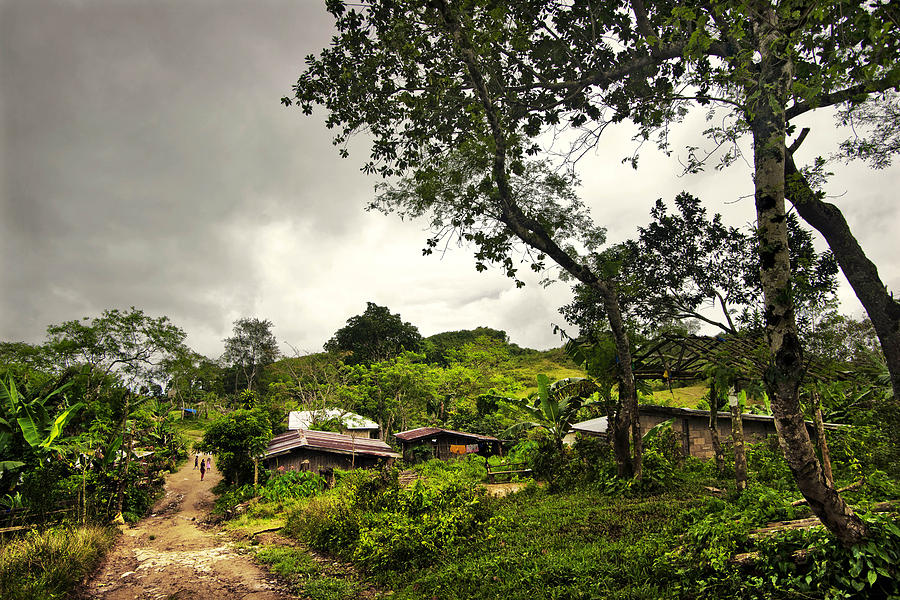
Dakit is located within the Municipality of Barili in the Cebu Province, part of the Central Visayas region in the Philippines. It is strategically situated near neighboring villages such as Bagakay and Kalubihan, as well as the hamlet of Tangke and the neighborhoods Tindahan and Northomes Subdivision. This placement offers residents and visitors alike easy access to the broader Barili area while maintaining the charm of a close-knit village setting.
Natural Features
The village is enveloped by lush landscapes, including fertile agricultural lands and native vegetation. The presence of the Dakit tree, noted for its thick foliage and unique trunk structure, adds to the village's natural beauty. The interconnected root-like pillars of the Dakit tree create an almost cave-like appearance, contributing to the local lore and supernatural associations.
Demographics and Population
Population Overview
Dakit boasts a population of approximately 2,130 residents. The community is a blend of various families who have lived in the area for generations, contributing to a strong sense of community and tradition. The population density is moderate, allowing for a balanced rural lifestyle with access to essential services and amenities.
Age Distribution
The village has a diverse age distribution, with a significant portion of the population being adults engaged in various livelihoods. There is also a growing number of young families and children, indicating a healthy and sustainable demographic structure.
Household Composition
Households in Dakit typically consist of extended families, reflecting Filipino cultural norms where multiple generations live under one roof. This structure fosters close familial relationships and community support systems.
Historical Background
Origins of Dakit
The name "Dakit" is derived from the local Dakit tree, which holds significant cultural and historical importance in the village. The area was initially named after this distinctive tree, which was abundant in the region and served as a central point in local folklore and daily life.
Development Over Time
Over the years, Dakit has evolved from a primarily agrarian community to a more diversified village with various economic activities. The establishment of infrastructure such as roads, schools, and marketplaces has facilitated this growth, making Dakit a pivotal part of the Barili Municipality.
Cultural Significance
The Dakit Tree and Local Beliefs
The Dakit tree is not just a natural landmark but also a symbol of the village's heritage. Known for its thick foliage and unique root structure, the tree is often associated with supernatural beliefs and is considered eerie, especially during nighttime. Local folklore speaks of spirits and legends tied to the Dakit tree, making it a focal point for cultural narratives and community gatherings.
Festivals and Celebrations
Dakit hosts several festivals throughout the year that celebrate the village's heritage and natural surroundings. These events often feature traditional music, dance, and rituals that honor the Dakit tree and the community's agricultural roots. Such celebrations reinforce the villagers' connection to their land and their shared cultural identity.
Economy and Livelihood
Agricultural Practices
Agriculture remains the backbone of Dakit's economy. The fertile lands surrounding the village are used to cultivate a variety of crops, including rice, coconuts, and sugarcane. Farming practices are deeply rooted in tradition, with many families passing down agricultural techniques through generations.
Local Businesses and Markets
In addition to agriculture, Dakit has a thriving local market where residents trade goods and produce. Small businesses, such as sari-sari stores, handicraft shops, and food stalls, contribute to the village's economic diversity. These enterprises not only provide essential goods but also create employment opportunities for the community members.
Tourism Potential
Dakit's natural beauty and cultural heritage present significant tourism potential. The village's proximity to scenic spots and its unique cultural offerings make it an attractive destination for eco-tourists and cultural enthusiasts. Sustainable tourism initiatives could further bolster Dakit's economy while preserving its natural and cultural assets.
Infrastructure and Development
Transportation Networks
Dakit is well-connected by road to nearby villages and the main town of Barili. Regular transportation services, including buses and jeepneys, facilitate easy movement of people and goods. Improved road infrastructure has also enabled better access to educational and health facilities.
Educational Institutions
The village is served by several educational institutions, ranging from primary schools to secondary schools. These institutions play a crucial role in providing quality education to the youth of Dakit, preparing them for future opportunities both within and outside the village.
Healthcare Facilities
Dakit has access to basic healthcare services through local health centers and clinics. These facilities provide essential medical care to residents, ensuring the well-being of the community. Efforts to enhance healthcare infrastructure continue to be a priority for local authorities.
Environmental and Ecological Aspects
Biodiversity
The village is home to a diverse range of flora and fauna, thanks to its rich natural environment. The Dakit tree itself is a notable species, contributing to the ecological balance of the area. Efforts to preserve the local ecosystem are evident in community-driven initiatives that promote sustainable living practices.
Conservation Efforts
Environmental conservation is a key focus for Dakit, with various programs aimed at protecting natural resources and promoting sustainable agriculture. Community members actively participate in tree-planting activities, clean-up drives, and educational campaigns to raise awareness about the importance of environmental stewardship.
Challenges and Sustainability
While Dakit enjoys a rich natural landscape, challenges such as deforestation, soil erosion, and climate change pose threats to its sustainability. Addressing these issues requires collaborative efforts between the community, local government, and external organizations to implement effective conservation strategies.
Community and Social Structure
Community Engagement
The social fabric of Dakit is tightly knit, with strong community engagement and participation in various initiatives. From organizing festivals to maintaining public spaces, residents collaborate to enhance the quality of life in the village. This collective spirit fosters a sense of belonging and mutual support among the inhabitants.
Local Governance
Dakit is governed by a local council that works under the larger framework of the Barili Municipality. The council is responsible for implementing policies, managing resources, and addressing the needs of the villagers. Transparent and accountable governance practices are essential for the continued prosperity of Dakit.
Social Services
Social services in Dakit are geared towards enhancing the well-being of residents. Programs focused on education, health, and poverty alleviation are in place to support vulnerable groups and ensure equitable access to resources. These services play a crucial role in sustaining the village's development.
Notable Places and Landmarks
The Dakit Tree
The Dakit tree stands as the most prominent landmark in the village. Its grandeur and unique structure make it a symbol of Dakit's natural heritage. The tree is often the centerpiece of local gatherings and cultural events, emphasizing its importance to the community.
Community Hall
The Community Hall serves as the hub of social and administrative activities in Dakit. It hosts meetings, celebrations, and educational programs, providing a space for residents to come together and engage in collective decision-making.
Local Markets
The local markets in Dakit are vibrant centers of commerce where residents buy and sell goods. These markets are essential for the village's economy, offering fresh produce, handmade crafts, and other necessities to the community.
Economic Opportunities and Development
Agricultural Innovation
Agriculture in Dakit is evolving with the introduction of modern farming techniques and sustainable practices. Innovations such as organic farming, crop rotation, and irrigation improvements are being implemented to enhance productivity and environmental sustainability.
Entrepreneurship
The spirit of entrepreneurship is alive in Dakit, with many residents starting their own businesses. From small retail shops to service-oriented enterprises, these ventures contribute to economic diversity and create job opportunities within the village.
Infrastructure Projects
Ongoing infrastructure projects aim to improve the quality of life in Dakit. Investments in road construction, public utilities, and communication networks are paving the way for further development and modernization of the village.
Challenges Facing Dakit
Environmental Degradation
Despite its rich natural resources, Dakit faces challenges related to environmental degradation. Issues such as deforestation, pollution, and habitat loss threaten the village's ecological balance and require immediate attention to prevent long-term damage.
Economic Vulnerabilities
The village's economy is primarily dependent on agriculture, making it susceptible to fluctuations in crop yields and market prices. Diversifying economic activities and building resilience against economic shocks are essential for sustainable growth.
Access to Education and Healthcare
While Dakit has established educational and healthcare facilities, there is always room for improvement in terms of accessibility and quality. Enhancing these services is crucial to ensure that all residents have the opportunities and support they need to thrive.
Future Prospects and Opportunities
Sustainable Development
Looking ahead, Dakit has the potential to embrace sustainable development practices that balance economic growth with environmental preservation. Initiatives such as renewable energy adoption, eco-friendly agriculture, and conservation programs can drive the village towards a sustainable future.
Tourism Expansion
Expanding the village's tourism sector presents significant opportunities for economic diversification. By promoting Dakit's natural attractions and cultural heritage, the village can attract more visitors, generating revenue and creating jobs while preserving its unique identity.
Community Empowerment
Empowering the community through education, training, and participation in decision-making processes is key to Dakit's continued success. Fostering leadership skills and encouraging active involvement can lead to innovative solutions and a more resilient community.
Conclusion
Dakit stands as a vibrant and culturally rich village within the Barili Municipality of Cebu. Its unique blend of natural beauty, cultural heritage, and strong community bonds make it a remarkable place to live and visit. While the village faces challenges such as environmental degradation and economic vulnerabilities, there are ample opportunities for sustainable growth and development. By leveraging its strengths and addressing its weaknesses, Dakit can continue to thrive as a model of rural resilience and cultural preservation in the Central Visayas region.
References
Last updated February 16, 2025