
In-Depth Analysis of the Construction Market in Dallas, Texas
Exploring growth trends, major projects, and future prospects in Dallas
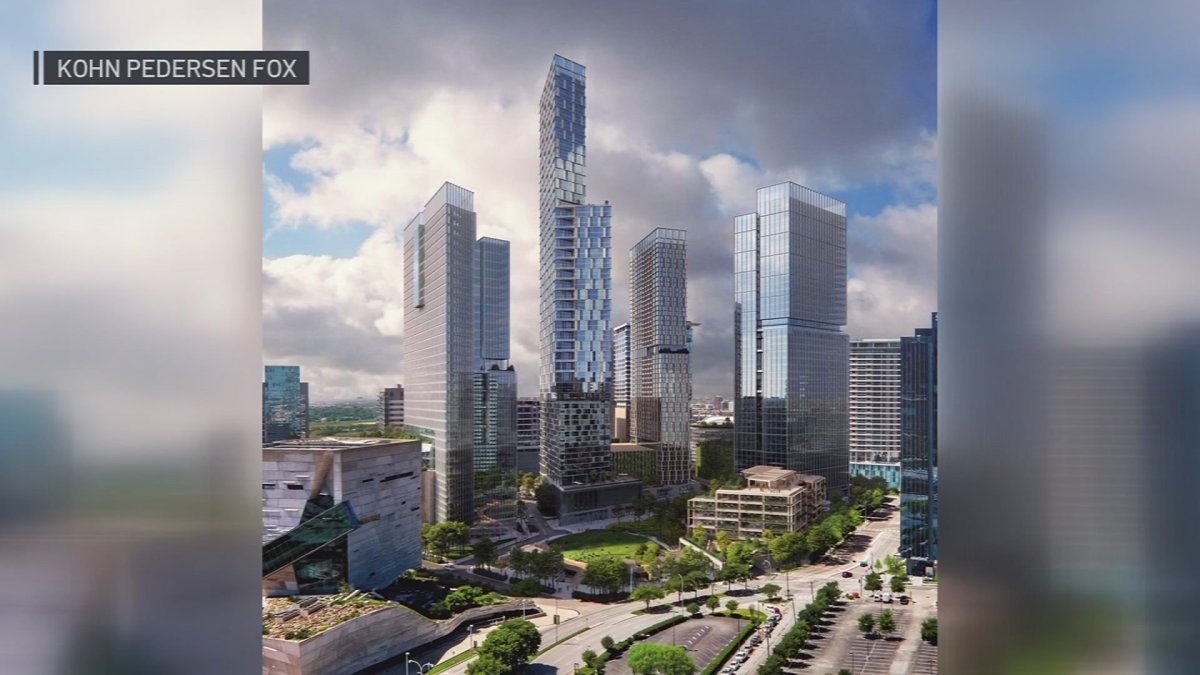
Key Highlights
- Dynamic Economic Growth: Dallas leads with strong residential and commercial developments fueled by population growth and infrastructure investments.
- Innovative Infrastructure and Major Projects: Significant projects such as airport expansions and smart-cities developments underpin the dynamic market.
- Diverse Sector Developments: From custom homes to luxury offices, Dallas’s construction market spans multiple sectors including education, healthcare, and technology.
Introduction
Dallas, Texas, stands as one of the most vibrant construction markets in the United States. The city’s robust economic environment, combined with a steady influx of residents and a diversified industrial base, fuels the construction activities in both residential and commercial segments. In recent years, the Dallas-Fort Worth area has garnered significant national attention as a pivotal hub for infrastructure and real estate development. This comprehensive analysis delves into the current state, trends, and future implications of the construction market in Dallas.
Economic Drivers and Market Overview
The Dallas construction market is underpinned by several key economic factors. The region’s favorable business climate, expansive job market, and geographic advantages have made it a magnet for large-scale investments. The urban sprawl of the Dallas-Fort Worth-Arlington metropolitan area, with its population exceeding 8.4 million people, serves as a testament to its role as one of the fastest-growing regions in the nation.
Population Growth and Economic Expansion
Population growth in the Dallas region is one of the most significant drivers of construction. A continuous influx of new residents, attracted by job opportunities, quality of life, and a competitive cost of living, has resulted in increased demand for residential properties. The economic vigor of Dallas is further demonstrated by large-scale infrastructure projects that support the growing population, such as highway expansions and improved public transport systems.
Economic Vigor and Job Market
Dallas’s economic stability is reflected in the creation of tens of thousands of new jobs annually. Estimates suggest that by 2025, the region could see upwards of 225,000 new jobs, a portion of which stem directly from the construction industry. This influx of employment opportunities boosts the market by increasing the demand for both residential and commercial spaces.
Sector-Specific Insights
Residential Construction
Residential construction in Dallas has been experiencing strong growth. The demand for new housing units driven by population growth has reinforced the industry's momentum. Developers are focusing on several segments:
New Construction Homes and Affordable Housing
With a booming market, developers are investing in new construction homes, particularly in the affordable housing segment. As the residential sector outpaces rental growth (which has slightly contracted due to supply additions), new construction projects are strategically targeted to meet the housing shortage. The steady issuance of housing permits and the development of mixed-use residential communities underscore the vitality of this sector.
Luxury Real Estate Developments
In addition to affordable housing, there is an emerging trend toward luxury developments. Custom homes and high-end residential communities are being built to cater to an affluent segment of the population. These projects emphasize personalized design, state-of-the-art amenities, and customized living experiences that cater to a demand for exclusivity and high quality.
Commercial Construction
Dallas has earned a reputation as the top commercial real estate market, a recognition that reflects its ongoing attractiveness to investors and businesses alike. Key developments in this sector revolve around several core areas:
Office and Mixed-Use Projects
The competitive landscape of Dallas has encouraged the development of office spaces that cater to financial institutions and technology firms. Major commercial developments have included the construction of expansive office campuses that integrate sustainable and energy-efficient design elements. Additionally, mixed-use developments combining retail, office, and residential components are becoming increasingly popular, adding versatility and resilience to the market.
Major Infrastructure Investments
The Dallas-Fort Worth International Airport (DFW) serves as one of the most significant infrastructural investments in the area. The expansion projects, including a new 400,000-square-foot terminal F, at an investment approaching $855 million, are part of a broader strategy to modernize air travel in the region. Enhanced connectivity through updated airport facilities, in addition to significant highway expansions, plays a vital role in sustaining the commercial market’s buoyancy.
Industrial and Technology-Driven Growth
The rise of technology and industrial sectors has prompted new construction trends in Dallas. Industrial parks and logistics centers are expanding rapidly to meet the demands of a modern economy. The emergence of hyperscale data centers signals a shift towards technology-driven construction, where large-scale industrial facilities are customized for data processing and storage. This trend is coupled with the development of energy and education-related facilities, ensuring a balanced industrial base.
Logistics and Manufacturing Developments
The expansion of logistics parks, such as the Alliance Westport Industrial Park, reflects a strategic push to bolster warehouse and distribution capabilities. These facilities are crucial for supporting the supply chain needs of both regional and national markets. Similarly, large manufacturing plants are being constructed to harness advancements in automation and smart manufacturing technologies.
Infrastructure and Public Projects
Dallas’s growth is also evident in its commitment to public infrastructure improvements. These projects are not only designed to facilitate transportation but also to improve the overall quality of urban living.
Transportation Enhancements
Key transportation projects in the region include highway expansions and the introduction of modernized rail systems. One notable example is the integration of technological advancements within airport terminals and commuter rail systems. Such investments aim to streamline travel and reduce congestion, thereby enhancing the region’s overall efficiency.
Sustainable and Smart Technologies
Sustainability has emerged as a critical factor in new construction projects. Developers are increasingly integrating energy-efficient systems, solar panels, and smart technologies into buildings. The focus on sustainable development not only addresses environmental concerns but also leads to long-term cost savings for owners and occupants.
Major Projects Shaping the Landscape
Dallas is defined by its large-scale construction projects that consistently attract national and international attention. These projects signal confidence in the market and are pivotal in shaping the region’s future development.
Airport and Transportation Infrastructure
The expansion at DFW Airport is among the most critical projects in the region. With the new terminal F costing around $855 million, the airport is positioning itself to handle a significant increase in passenger traffic. This type of project not only stimulates direct construction activity but also sets off a chain reaction in the local economy.
Convention Centers and Mixed-Use Developments
Landmark projects such as the reconstruction of major convention centers symbolize Dallas's commitment to being a global hub for business and cultural events. Investments in mixed-use developments combine commercial, residential, and public spaces, forging vibrant urban centers with multi-purpose functionalities.
Healthcare, Education, and Entertainment Facilities
Dallas’s construction market shows impressive diversification by investing heavily in healthcare, education, and entertainment facilities. In a region that has become synonymous with robust public and private sector development, these sectors receive special emphasis. Projects in healthcare include new hospitals and research centers, while educational institutions are expanding campuses to accommodate growing student numbers. Entertainment-focused developments contribute to transforming urban landscapes, drawing tourism, and ensuring continuous revenue flow.
Challenges and Considerations
Like any dynamic market, the construction industry in Dallas faces its own set of challenges. While growth is robust and opportunities are plentiful, several factors could influence market dynamics moving forward.
Supply Chain and Materials Costs
Global supply chain disruptions and fluctuating materials costs remain pertinent challenges. These factors can influence construction schedules and project budgets, necessitating adaptive strategies from builders. As supply chains stabilize over time, industry leaders are expected to leverage local resources more effectively and optimize their procurement processes.
Interest Rate Environment
High interest rates have emerged as another headwind, particularly impacting financing for large-scale projects. Elevated borrowing costs can potentially temper the investment appetite and slow down the pace of new construction. Developers are, however, mitigating these challenges by refining investment strategies and focusing on efficient, sustainable, and scalable projects.
Workforce and Labor Market
The ongoing expansion in construction activities requires a skilled and adaptable workforce. Although the job market remains robust in Dallas, ensuring that the labor supply keeps pace with high demand is essential. Training initiatives and investments in labor productivity continue to be critical for maintaining growth in the sector.
Comparative Analysis: Dallas Versus Other Regions
In a national context, Dallas distinguishes itself as a leader in the construction field. While several regions face stagnation due to economic uncertainties and a plateau in job creation, Dallas thrives on diversified projects and a strategic vision that emphasizes smart growth.
Residential vs. Commercial Dynamics
In Dallas, the balance between residential and commercial construction is particularly notable. Residential projects continue to capture market momentum due to population growth, but commercial projects are where the city truly shines, especially with its designation as the top commercial real estate market for 2025. This unique equilibrium positions Dallas advantageously against other metros that might lean too heavily on one sector at the expense of the other.
Sector-Specific Investment Trends
The diverse investment strategies in Dallas encompass not only traditional construction approaches but also cutting-edge technologies and eco-friendly designs. These sector-specific trends underline how the city is not only keeping pace with national development standards but also setting trends that may influence global construction practices.
Data-Driven Insights
Quantitative data from recent years supports the narrative of a thriving construction sector in Dallas. For instance, residential permits have witnessed a steady climb, and commercial investment figures are among the highest in the nation. The data clearly underscores the influence of population growth, infrastructural projects, and economic resilience.
Construction Activity Metrics
Although construction activity experienced a peak with about 64,000 units under construction, current numbers indicate a slight tapering to approximately 36,000 units. This deceleration can be attributed to strategic shifts towards quality over quantity, as developers prioritize long-term sustainable projects over rapid expansion.
Job Creation and Economic Projections
With projections of adding around 225,000 new jobs in the near future, the construction sector’s role as an employment generator cannot be understated. This job creation not only bolsters the construction industry but also feeds into ancillary sectors like retail, transportation, and services.
Comparative Table of Key Project Investments
| Sector | Major Project | Estimated Investment | Impact |
|---|---|---|---|
| Airport Infrastructure | DFW Terminal F Expansion | $855 Million | Enhances travel and commerce connectivity |
| Convention Centers | Major Convention Center Reconstruction | $4 Billion | Boosts business tourism and local economy |
| Mixed-Use Developments | Cypress Waters & Newpark | $3.5 Billion Each | Creates vibrant urban living and business hubs |
| Industrial Parks | Alliance Westport Industrial Park Expansion | N/A | Improves logistics and warehouse capabilities |
Future Outlook and Emerging Trends
The future of the Dallas construction market looks promising, bolstered by continual innovation and targeted investments. As projects evolve, the integration of advanced technologies and sustainable practices is expected to take center stage.
Integration of Smart and Sustainable Technologies
Sustainability remains a cornerstone of future development strategies. The emphasis on energy-efficient systems, renewable energy sources like solar power, and smart construction techniques is paving the way for a greener, more cost-efficient industry. Developers in Dallas are increasingly employing these practices not solely for environmental benefits but also to achieve long-term operational efficiencies.
Tech-Driven Construction Innovations
Innovations in construction technology, such as Building Information Modeling (BIM), modular construction, and drone surveying, are being embraced widely. These technologies streamline project management, enhance accuracy in data collection, and reduce construction timelines. Consequently, they help the industry overcome challenges like labor shortages and materials delays.
Economic Diversification and Resilience
Dallas’s economic diversification is a key strength that positions it well for future growth. The convergence of sectors—residential, commercial, industrial, and public infrastructure—creates an ecosystem resilient to fluctuations in any one market segment. This multifaceted approach ensures that Dallas will likely remain an attractive destination for investors and developers alike.
Conclusion
In summary, the construction market in Dallas, Texas, represents a dynamic and multifaceted landscape that continues to attract significant investments and innovative projects. The region's rapid population growth, strong economic fundamentals, and strategic investments in infrastructure have collectively bolstered both residential and commercial construction activities. From expanding airport terminals and mixed-use developments to smart, eco-friendly building practices, the market is evolving in ways that promise to enhance urban living and stimulate further economic activity.
Dallas's strategic approach to addressing challenges like supply chain issues, rising interest rates, and labor market constraints, alongside its forward-thinking integration of technology and sustainability, sets a robust framework for future growth. As the region continues to diversify its construction portfolio and embrace new developments, it remains a prime example of how modern cities adapt and thrive in an ever-changing global economy.
With developments spanning healthcare, education, logistics, and leisure, the Dallas construction market is not just a barometer of local growth but also a template for modern urban planning in the United States. Stakeholders—from investors to urban planners and policy makers—can draw valuable lessons from Dallas’s commitment to innovation and resilient growth strategies.
References
- Dallas Build Expo - Build Expo USA
- Texas Construction in 2025 Trends and Challenges - Trade Star Inc
- Dallas Named Country's No. 1 Commercial Real Estate Market for 2025 - D Magazine
- 2025 Texas Construction Industry Forecast - ACP Pubs
- Economists Estimate Softer Texas Job Market in 2025 - NBCDFW
Recommended Related Queries
Last updated February 27, 2025