
Unveiling the World's Most Dangerous Animals
Delve into the complex and fascinating realm of life-threatening creatures on Earth
Key Highlights
- Mosquitoes’ Lethal Impact: Responsible for the highest number of annual human deaths due to disease transmission.
- Behavior and Environment: Factors such as habitat encroachment, aggression, and venom potency contribute to an animal's danger.
- Surprising Rankings: Smaller creatures like insects and amphibians often outpace larger predators in terms of fatality rates.
Overview
Understanding the world's most dangerous animals involves examining various factors including their natural behaviors, the diseases they transmit, and their interactions with humans. While many may instinctively fear large predators like lions or crocodiles, the data shows that much smaller animals, particularly mosquitoes, account for a disproportionate number of human fatalities worldwide. This comprehensive overview provides an in-depth analysis of lethal species and explains why seemingly innocuous animals can be deadly.
Detailed Analysis of Deadly Animals
1. Mosquitoes: The Silent Killers
Impact of Mosquito-Borne Diseases
Mosquitoes are often singled out as the deadliest animals on the planet. Their danger lies not in their size but in their efficiency as disease vectors. Mosquitoes transmit life-threatening diseases including malaria, dengue fever, Zika virus, chikungunya, and yellow fever. Annually, these diseases lead to an estimated 725,000 to 1,000,000 human deaths, a number that eclipses fatalities caused by larger predators.
Why Mosquitoes Are So Lethal
The sheer reproductive capacity and global distribution of mosquitoes contribute to their lethality. Their ability to thrive in varied climates and breeding environments, such as stagnant water, makes controlling their populations challenging. Moreover, the adaptability of mosquitoes to urban and rural environments increases the risk of human exposure. Public health initiatives worldwide continue to invest in mosquito control strategies, including insecticide-treated nets, indoor residual spraying, and the development of vaccines.
2. Humans: A Paradox of Danger
Human-Caused Fatalities
Humans themselves are significant contributors to fatality statistics. Acts of violence, wars, and other human conflicts result in hundreds of thousands of deaths annually. While this is a socially and ethically complex issue, it is important to note that in epidemiological terms, humans are listed among the deadliest creatures, not due to biological factors but because of sociocultural behaviors and organized conflicts.
Impact on Global Health
Analyzing fatality data reveals that human-caused violence contributes greatly to global mortality figures. It highlights not only the destructive capacity within our species, but also stresses the importance of fostering peace and conflict resolution to reduce these numbers.
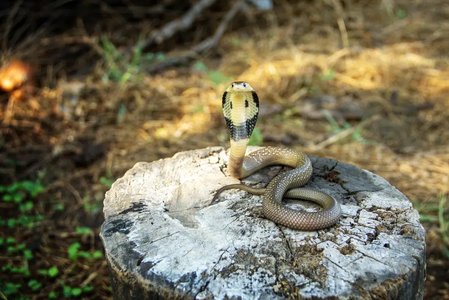
3. Venomous Reptiles: The Hidden Dangers of Snakes
Scope of Snake Envenomation
Snakes, particularly venomous species, are responsible for a significant number of human deaths each year—estimates range anywhere from 50,000 to 138,000 fatalities. The danger from snakebites comes primarily from the potency of their venom. Species such as the saw-scaled viper and various cobra species are especially notorious in tropical and subtropical regions.
Preventative Measures and Treatment
Due to the widespread occurrence of snakes in many parts of the world, ongoing efforts in antivenom research and improved medical care are crucial. Education campaigns also play an essential role in preventing encounters and reducing the incidence of bite-related deaths.
4. Large Predators and Their Unexpected Dangers
Crocodiles and Hippopotamuses
Crocodiles, particularly saltwater and Nile varieties, are infamous for their powerful bite and aggressive behavior, causing approximately 1,000 deaths annually. Similarly, hippos, despite looking docile, are known for their territorial aggression, which results in around 500 human fatalities per year. Their behavior often stems from a need to defend their space or offspring.
Elephants and Other Megafauna
Elephants can also be very dangerous, especially when they sense a threat. In encounters with humans, especially in regions where their natural habitats overlap with human settlements, elephants have caused an estimated 500 deaths per year. Despite their gentle nature in controlled environments, larger animals can be unpredictable when their territory is encroached upon.
5. Other Noteworthy Dangers
Dogs and Rabies Transmission
Domestic dogs, while beloved as companions, are significant contributors to human fatalities through the transmission of rabies, particularly in regions with inadequate vaccination programs. Annually, rabies transmitted by canines results in approximately 25,000 to 35,000 deaths. Efforts to control rabies include vaccination drives for both pets and wildlife, which have shown promising results in reducing these numbers.
Other Insect and Marine Risks
Insects such as tsetse flies and freshwater snails, although small, are dangerous due to the diseases they propagate. Tsetse flies transmit African trypanosomiasis (sleeping sickness), causing around 10,000 deaths per year. Freshwater snails, as hosts to schistosomiasis, are carriers of a disease that results in numerous fatalities in endemic regions. Additionally, marine threats like the box jellyfish deliver potent venom that leads to cardiac arrest in victims, although the number of reported deaths is relatively lower compared to terrestrial threats.
Comparative Statistics Table
This table summarizes the annual fatality estimates and key characteristics of some of the world's most dangerous animals:
| Animal | Estimated Annual Deaths | Main Cause of Danger | Key Characteristics |
|---|---|---|---|
| Mosquitoes | 725,000 – 1,000,000 | Disease transmission (malaria, dengue, Zika) | High reproduction rate; widespread presence |
| Humans | 400,000 – 540,000 | Violence, wars, homicides | Social behavior; use of technology |
| Snakes | 50,000 – 138,000 | Venomous bites | Varied venom potency; habitat diversity |
| Crocodiles | ~1,000 | Aggressive predation | Powerful bite; territorial nature |
| Elephants | ~500 | Aggressive when threatened | Large size; protective instincts |
| Hippopotamuses | ~500 | Aggressive territorial behavior | High aggression; deceptively fast |
| Dogs (Rabies Transmission) | 25,000 – 35,000 | Rabies virus | Domestic animals; potential for widespread infection |
| Tsetse Flies | ~10,000 | Disease transmission (sleeping sickness) | Relatively small; localized threat |
Behavioral and Environmental Considerations
Understanding Risks Beyond Physical Strength
When evaluating the danger posed by animals, it is essential to consider a combination of factors. Behavioral traits, environmental context, and even human activities play major roles in increasing or reducing the risks associated with these creatures. For example, animal aggression may be triggered by mating seasons or the need to protect offspring. Habitat loss and climate change push many species closer to human populations, thereby increasing the probability of encounters that can be fatal.
Encroachment and Human Impact
The expansion of agricultural and urban areas into wild habitats has led to increased contact between humans and potentially dangerous animals. As natural ecosystems shrink, animals are forced into close proximity with people. In many cases, defensive behaviors—whether by a hippo, an elephant, or even a snake—stem from the stress of habitat loss and forced migration. This dynamic underscores the need for sustainable development and wildlife conservation strategies that minimize conflict.
Lessons for Coexistence
Awareness and education are critical to reducing the risks associated with dangerous animals. Understanding animal behavior, the significance of environmental preservation, and the specific medical treatments available for bites or exposures can empower communities. Public health initiatives, local government policies, and international cooperation all contribute to managing these risks, thereby reducing fatalities and promoting safer coexistence.
Regional Variations and Public Health Strategies
Global Hotspots of Danger
The threat posed by dangerous animals is not uniform across the globe; rather, it varies significantly by region. For example, tropical and subtropical regions face higher risks from mosquito-borne illnesses, snake bites, and insect-transmitted diseases. In contrast, in areas where human-wildlife conflict is prevalent due to habitat overlap, encounters with elephants, hippos, or large predators may be more common. These regional differences necessitate tailored public health strategies and wildlife management techniques that are sensitive to local conditions.
Public Health Initiatives
Many countries employ targeted public health measures to combat the dangers posed by these animals. Initiatives include mass vaccination programs against rabies, distribution of insecticide-treated mosquito nets, community education on how to avoid snake bites, and wildlife conservation policies that help reduce conflicts. In areas affected by diseases transmitted by mosquitoes or tsetse flies, international organizations collaborate on research and intervention strategies that have proven effective in lowering mortality rates.
Emerging Technologies and Data-Driven Solutions
Technological advancements have also played a noteworthy role in monitoring and managing the risks associated with dangerous animals. From the use of satellite imagery to track habitat changes to the deployment of health surveillance systems that predict disease outbreaks, data-driven approaches enable quicker, more effective interventions. These measures not only save lives but also help preserve biodiversity by balancing human needs with wildlife conservation efforts.
Interdisciplinary Perspectives on Danger
Biological and Ecological Insights
Scientists and ecologists emphasize that while the statistics underscore a grim reality, each dangerous animal plays an integral role in its ecosystem. Mosquitoes, despite their role in disease dynamics, are part of the food chain for many species. Crocodiles, hippos, and large predators help regulate population dynamics in their habitats through natural predation. Even though these animals are considered dangerous in relation to human activity, they contribute to the balance and health of ecological systems.
Venom Evolution and Medical Research
The study of venomous animals, particularly snakes and certain spiders, has led to remarkable advances in medical research. Venom components, carefully studied, have been used to develop novel drugs for conditions ranging from blood pressure control to pain management. This research not only demystifies these organisms but also transforms a seemingly deadly trait into a resource for advancing human health. The intricate evolution of venom among these species is a subject of intense study and has provided insights into evolutionary biology and biochemistry.
Socioeconomic Impacts
The economic effect of managing dangerous animals and the diseases they transmit is significant in many developing regions. Health care costs, loss of productivity, and the necessary investment in disease prevention measures combine to create a substantial socioeconomic burden. It is for these reasons that many governments and international agencies invest in education, infrastructure, and research aimed at reducing the impact of these lethal encounters.
Additional Notable Dangerous Species
While the animals detailed above represent the majority of fatality statistics, it is important to consider other creatures that, although less notorious, have been responsible for deaths in certain contexts:
Scorpions and Spiders
Some species of scorpions and spiders are capable of delivering venom that, if left untreated, can lead to serious health complications or death. While fatalities are lower than those attributed to mosquitoes or snakes, in some rural areas the lack of access to medical care makes even these small creatures particularly dangerous.
Marine Dangers: Jellyfish and Sharks
In the oceans, while shark attacks are sensationalized, they cause relatively few fatalities. More prominent are threats from venomous creatures like the box jellyfish. The venom of a box jellyfish can induce cardiac arrest, presenting a serious risk to swimmers in affected regions. These marine dangers highlight the fact that lethal traits are spread across different environments, from terrestrial landscapes to aquatic realms.
References
- What Animals Kills the Most People - Science Focus
- Most Dangerous Animals in the World - Treehugger
- The 24 Deadliest Animals on Earth - CNET
- The Most Dangerous Animals on Earth - Live Science
- The 20 Most Dangerous Animals in the World - Ultimate Kilimanjaro
Recommended
Last updated March 27, 2025