
Navigating Hazardous Goods Transport in the Netherlands: Your Essential Guide to the Dangerous Goods Declaration
Understanding the critical steps and regulations for chemical companies like Echemi.
Key Highlights
- Regulatory Mastery: Compliance with ADR (road), IATA (air), IMDG (sea), REACH (chemicals), and PGS 15 (storage) is mandatory in the Netherlands.
- Shipper's Responsibility: The shipper (e.g., Echemi) is legally responsible for accurate classification, packaging, labeling, and documentation, certified by the Dangerous Goods Declaration (DGD).
- Documentation Accuracy is Crucial: The DGD requires precise details, including Proper Shipping Name, UN Number, hazard class, net/gross weights, and a valid 24/7 emergency contact specific to the shipment.
Decoding the Dangerous Goods Declaration (DGD)
What Exactly is a DGD?
A Dangerous Goods Declaration (DGD), often referred to as a Shipper's Declaration for Dangerous Goods, is a formal, legally required document used when transporting hazardous materials. It serves as a signed certification from the shipper (the company sending the goods) confirming that the shipment has been correctly identified, classified, packaged, marked, labeled, and documented according to the applicable national and international transport regulations. Its primary goal is to ensure the safety of people, property, and the environment during transit by providing clear information about the potential hazards involved.
In the Netherlands, this document is indispensable for moving any substances classified as dangerous, such as flammable liquids, toxic chemicals, corrosive materials, or explosives. It acts as proof that the shipper has met all legal obligations for safe transport.
The Regulatory Landscape in the Netherlands
International Transport Agreements
The transport of dangerous goods in the Netherlands is governed by several key international agreements, depending on the mode of transport:
- ADR (European Agreement concerning the International Carriage of Dangerous Goods by Road): This applies to road transport within Europe, including the Netherlands. It sets standards for packaging, vehicle requirements, driver training, and documentation, including the DGD.
- IATA Dangerous Goods Regulations (DGR): These regulations, mandated by the International Air Transport Association, govern the shipment of hazardous materials by air. They are known for being particularly stringent regarding packaging and quantity limitations.
- IMDG Code (International Maritime Dangerous Goods Code): This code applies to the sea transport of dangerous goods. It outlines requirements for segregation, stowage, and documentation for maritime shipments.
National and EU Regulations
Beyond the transport-specific rules, chemical companies like Echemi must also adhere to broader chemical safety and environmental regulations:
- REACH (Registration, Evaluation, Authorisation and Restriction of Chemicals): This EU regulation aims to protect human health and the environment from risks posed by chemicals. Companies must register substances they produce or import and manage associated risks.
- PGS 15 (Publicatiereeks Gevaarlijke Stoffen 15): This is a specific Dutch guideline detailing the requirements for the safe storage of packaged hazardous substances. Compliance is crucial for warehouse operations.
- Waste and Transport Regulations: Dutch law includes specific rules for transporting waste materials, including hazardous waste, often requiring separate documentation and tracking (e.g., waste records).
- General Customs Act & Economic Offences Act: These laws cover the broader legal framework for import/export and handling of goods, including penalties for non-compliance related to dangerous goods transport.
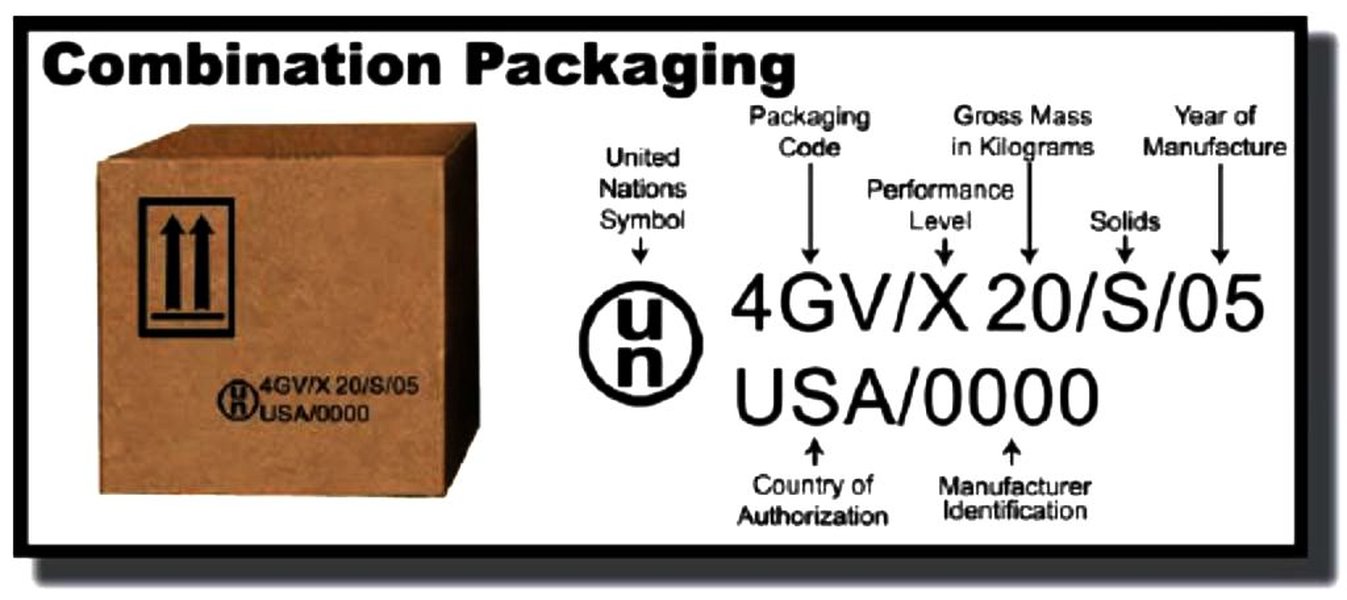
Proper packaging, as shown here, is a critical first step before completing the Dangerous Goods Declaration.
Preparing the Dangerous Goods Declaration: A Step-by-Step Process
Creating an accurate DGD involves meticulous attention to detail. Here’s a breakdown of the essential steps:
Step 1: Identification and Classification
The first step is to determine if the goods qualify as dangerous under the relevant regulations (ADR, IATA, IMDG). This involves:
- Consulting the Safety Data Sheet (SDS): The SDS (provided by the manufacturer) contains vital information, particularly in Section 14 (Transport Information), which typically includes the UN number, Proper Shipping Name, hazard class, and packing group.
- Assigning UN Number and Proper Shipping Name (PSN): Use the regulations to find the specific four-digit UN number (e.g., UN 1263 for Paint) and the standardized Proper Shipping Name for the substance.
- Determining Hazard Class(es) and Packing Group: Identify the primary hazard class (e.g., Class 3 Flammable Liquids, Class 8 Corrosives) and any subsidiary risks. Assign the appropriate Packing Group (I, II, or III) based on the degree of danger (high, medium, or low).
Step 2: Packaging, Marking, and Labeling
Once classified, the goods must be prepared physically:
- Packaging: Use packaging approved for the specific dangerous goods and transport mode. Packaging must meet stringent performance standards (e.g., UN-specification packaging).
- Marking: Apply required markings to the outer package, including the UN number, Proper Shipping Name, and shipper/consignee addresses.
- Labeling: Affix the correct hazard labels (diamond-shaped pictograms) corresponding to the primary and any subsidiary hazard classes. Handling labels (e.g., "This Way Up") may also be required.
Step 3: Completing the DGD Form
The DGD form itself requires specific information. While templates may vary slightly by carrier (e.g., UPS, FedEx) or mode, key components are standard:
- Shipper and Consignee Information: Full names, addresses, and contact details for both the sender (Echemi) and the receiver.
- Transport Details: Indicate the mode of transport (road, air, sea) and, for air freight, specify if the shipment is for passenger or cargo aircraft only.
- Dangerous Goods Details:
- UN Number: Preceded by "UN" (e.g., UN 1263).
- Proper Shipping Name (PSN): The official name from the regulations.
- Hazard Class & Subsidiary Risk(s): Numerical class and any additional hazards.
- Packing Group: Roman numerals I, II, or III.
- Quantity and Type of Packaging: Describe the number and type of packages (e.g., "2 fibreboard boxes") and the net quantity of dangerous goods per package (weight or volume). For airfreight, the total net quantity and gross weight of the shipment are often needed.
- Packing Instruction Number (IATA/IMDG): The specific instruction reference from the regulations.
- Emergency Contact Information: A 24/7 monitored phone number (including international prefix) where knowledgeable personnel can provide shipment-specific emergency response information. General emergency numbers like 112 or 911 are not acceptable.
- Certification Statement: A declaration signed and dated by a trained and authorized person from the shipper's company, confirming compliance with all applicable regulations.
- Number of Pages: If the declaration spans multiple pages, indicate clearly (e.g., "Page 1 of 2 Pages").
Step 4: Submission and Verification
Multiple original copies of the DGD are usually required (e.g., UPS requires three for air freight). The completed DGD accompanies the shipment. The carrier (transport company) will review the DGD and inspect the shipment to verify compliance before accepting it for transport. Any discrepancies can lead to delays or rejection.
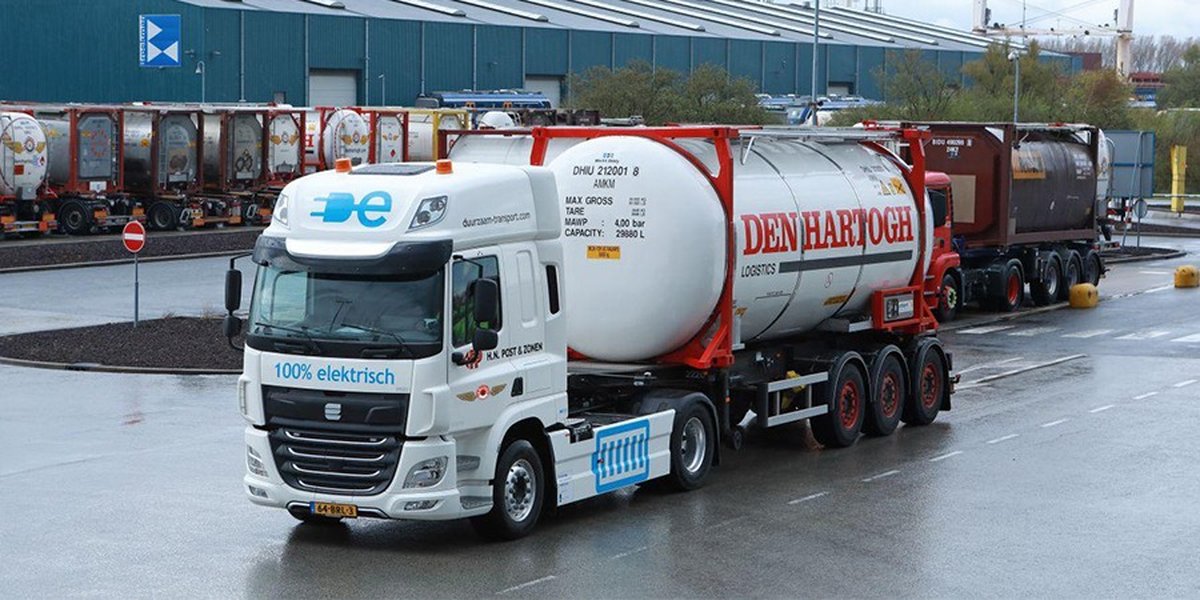
Vehicles transporting dangerous goods, like this electric truck in the Netherlands, must comply with ADR regulations, often requiring specific placards linked to the DGD information.
Essential Considerations for Echemi (Chemical Company)
As a chemical company operating in the Netherlands, Echemi faces specific responsibilities and potential risks related to dangerous goods. Awareness and proactive management are key:
Regulatory Compliance is Non-Negotiable
Beyond Transport Rules
Echemi must integrate DGD procedures with broader compliance obligations:
- REACH Compliance: Ensure all substances shipped are registered and handled according to REACH requirements.
- PGS 15 for Storage: If storing packaged dangerous goods, Echemi's facilities must meet the stringent safety standards outlined in the PGS 15 guideline (e.g., fire safety, segregation, spill containment).
- Waste Management: Transporting chemical waste requires adherence to specific regulations, potentially needing separate permits and waste transport documents alongside the DGD.
- Export Controls: For international shipments, Echemi must be aware of potential export controls on certain chemicals (dual-use goods) and comply with customs declaration requirements (e.g., Entry Summary Declaration - ENS).
Documentation Accuracy and Record Keeping
Mistakes on the DGD can have severe consequences. Echemi must ensure:
- Correct Information: Verify all details against the SDS and regulations (UN numbers, PSN, weights, etc.).
- Valid Emergency Contact: The provided contact must be available 24/7 and have immediate access to detailed information about the shipment's hazards.
- Record Maintenance: Keep copies of DGDs and related transport documents for the period required by law. Maintain records related to chemical production and trade as mandated.
Training and Personnel Competency
Personnel involved in any aspect of preparing or handling dangerous goods shipments (classification, packaging, signing the DGD, loading) must receive appropriate, function-specific training based on the relevant regulations (ADR, IATA, IMDG). Refresher training is typically required every 1-2 years. Drivers transporting dangerous goods above certain thresholds need an ADR certificate.
Storage and Handling Infrastructure
If Echemi operates its own storage facilities for hazardous materials, these must comply with PGS 15 and potentially other local regulations. This includes proper segregation of incompatible substances, ventilation, fire protection, emergency response plans, and security measures (access control, surveillance).
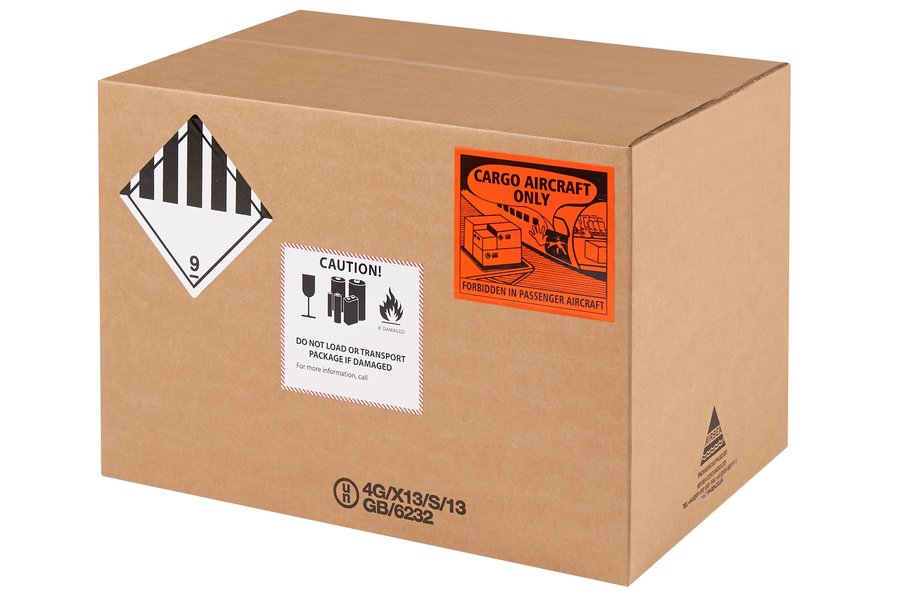
Selecting the correct UN-specification packaging is vital for ensuring safety and compliance.
Understanding Transport Mode Differences
Requirements vary significantly between road, air, and sea:
- Road (ADR): Focus on vehicle placarding (orange plates with Hazard Identification Number/Kemler Code and UN number), driver certification, and specific equipment requirements.
- Air (IATA): Generally the strictest mode, with severe limitations on quantities per package, specific packaging instructions, and potentially requiring shipper pre-approval for certain substances (like dry ice). Requires the IATA DGD format.
- Sea (IMDG): Emphasis on proper stowage and segregation onboard vessels to prevent dangerous reactions. Often uses the Multimodal Dangerous Goods Form.
Risk Management and Mitigation
Non-compliance poses significant risks: fines, shipment delays or rejections, damage to reputation, and, most importantly, potential accidents causing harm or environmental damage. Echemi should:
- Implement robust internal procedures and quality checks for DGD preparation.
- Consider using specialized third-party logistics providers (3PLs) experienced in dangerous goods transport.
- Ensure adequate insurance coverage for potential liabilities.
- Stay updated on regulatory changes.
Visualizing Compliance Priorities for Echemi
For a chemical company like Echemi, successfully navigating dangerous goods transport requires balancing several critical factors. The following chart illustrates the relative importance of key compliance aspects, based on regulatory demands and potential risks.
This visualization underscores that deep regulatory understanding and flawless documentation are paramount, closely followed by adherence to physical preparation standards (packaging/labeling) and ensuring robust emergency readiness. While all areas are important, these carry the highest weight due to legal requirements and safety implications.
Mapping the DGD Ecosystem
The process of managing Dangerous Goods Declarations involves multiple interconnected elements. This mind map provides a simplified overview of the key areas Echemi needs to consider:
This map highlights how the DGD sits at the intersection of regulatory knowledge, shipper duties, specific documentation requirements, and a structured preparation process.
Key Regulations Summary
Understanding the primary focus of each relevant regulation is crucial for compliance. This table summarizes the main regulations applicable to Echemi when dealing with dangerous goods in the Netherlands:
| Regulation/Guideline | Primary Focus | Applicability for Echemi |
|---|---|---|
| ADR (European Agreement concerning the International Carriage of Dangerous Goods by Road) | Road transport rules (packaging, vehicles, documentation, driver training) | Mandatory for shipping dangerous goods by truck/road within the Netherlands and Europe. |
| IATA DGR (Dangerous Goods Regulations) | Air transport rules (classification, packaging, labeling, documentation, quantity limits) | Mandatory for shipping dangerous goods by air freight. |
| IMDG Code (International Maritime Dangerous Goods Code) | Sea transport rules (classification, packaging, stowage, segregation, documentation) | Mandatory for shipping dangerous goods by sea/ocean freight. |
| REACH (Registration, Evaluation, Authorisation and Restriction of Chemicals) | Chemical safety management (registration, risk assessment, restrictions) throughout the supply chain. | Applies to all chemical substances Echemi produces, imports, or uses within the EU. Affects SDS information. |
| PGS 15 (Publicatiereeks Gevaarlijke Stoffen 15) | Safe storage of packaged dangerous goods in the Netherlands (facility requirements, segregation, fire safety). | Applies if Echemi stores packaged hazardous materials at its Dutch facilities. |
Visual Guide: Creating Dangerous Goods Forms
Understanding the practical steps of filling out the DGD form is essential. While regulations dictate the content, seeing how forms are structured can be helpful. The video below provides insights into creating dangerous goods documentation, which aligns with the principles discussed for ADR, IATA, and IMDG declarations.
This video demonstrates the process of generating dangerous goods forms, emphasizing the importance of accuracy and adherence to regulatory formats, similar to what Echemi would undertake when preparing shipments.
Frequently Asked Questions (FAQ)
Who is responsible for signing the Dangerous Goods Declaration?
The shipper (the company sending the goods, e.g., Echemi) is legally responsible for the DGD. It must be signed by a person within the shipper's organization who has received appropriate dangerous goods training and is authorized to declare that the shipment complies with all applicable regulations.
What happens if there is an error on the DGD?
Errors on the DGD can lead to shipment delays, rejection by the carrier, fines, and potentially legal action under regulations like the Economic Offences Act in the Netherlands. In the event of an accident, an incorrect DGD could hinder emergency response efforts and increase liability. Accuracy is paramount.
Do I need a DGD for small quantities of dangerous goods?
Regulations often include provisions for "Limited Quantities" or "Excepted Quantities." If a shipment meets the specific criteria for these exemptions (based on the type of substance and quantity per inner/outer package), a full DGD may not be required, although specific marking and labeling requirements usually still apply. Always check the specific regulations (ADR, IATA, IMDG) for the substance being shipped.
Can the emergency contact number be a general company line?
No. The emergency contact number provided on the DGD must be monitored 24/7 by personnel who have immediate access to comprehensive, shipment-specific hazard information and emergency response procedures. It cannot be a general reception or automated line. Specialized third-party emergency response providers are often used for this purpose.
References
-
Dangerous Goods Declaration (IATA) | UPS - Netherlands - UPS
-
Shipper's declaration for dangerous goods | Netherlands - FedEx
- Transporting dangerous goods by road - Business.gov.nl
- Working with chemicals (REACH) | Business.gov.nl - Government.nl
- Storing hazardous substances - Business.gov.nl
- Dangerous Goods Declaration (DGD) - Embassy Freight Europe - Embassy Freight
-
Hazardous goods warehouse in the Netherlands - Warehouse Netherlands
Recommended Reading
Last updated April 14, 2025