
Unmasking the Mystery: Why Is the Middle of Your Forehead Darker?
Understanding the link between oily skin and that persistent dark patch, beyond just a simple sunburn.
Experiencing a persistent darker area in the middle of your forehead, especially when you have oily skin and have ruled out sunburn, can be perplexing. This phenomenon is a common concern and usually points towards a type of hyperpigmentation. Let's delve into what this could signify for your skin.
Key Insights into Forehead Darkening
- Hyperpigmentation is the Usual Suspect: The darker patch is likely due to an overproduction of melanin, the pigment that gives skin its color. This can be triggered by various factors.
- Oily Skin's Indirect Role: While oily skin doesn't directly cause dark patches, it can contribute to conditions like acne, which may lead to post-inflammatory hyperpigmentation (PIH).
- Multiple Potential Causes: Common culprits include melasma (often linked to hormones), PIH (following inflammation), and even chronic sun exposure (even without a visible burn).
Decoding the Dark Patch: Primary Causes
The darker area you're noticing is most likely a form of hyperpigmentation. Several conditions can lead to this localized increase in melanin.
Melasma (Chloasma): The Hormonal Connection
Melasma is a prevalent skin condition that manifests as brown, tan, or blue-gray patches, frequently appearing on the forehead, cheeks, chin, and upper lip. These patches are often symmetrical.
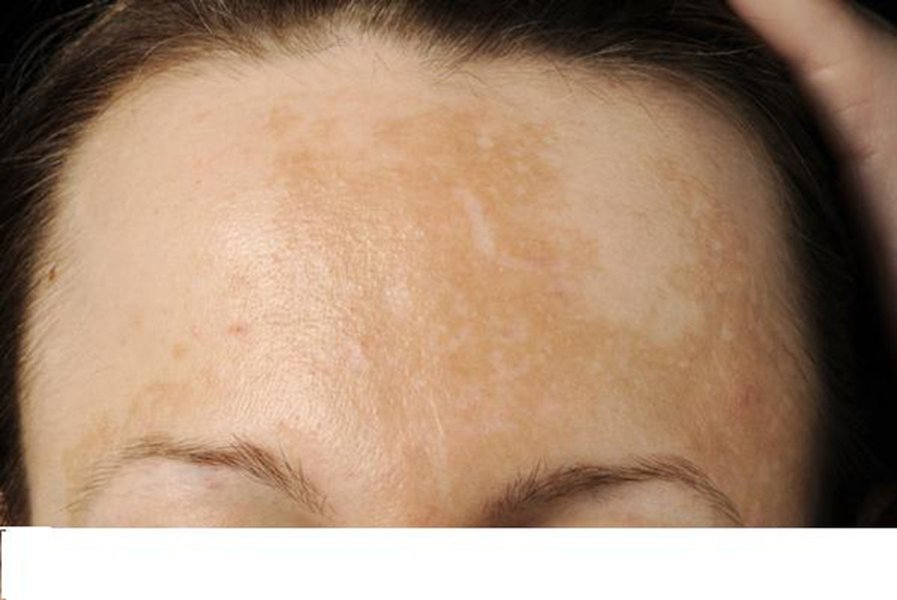
Melasma often presents as symmetrical dark patches on sun-exposed areas like the forehead.
Triggers for Melasma:
- Hormonal Fluctuations: Pregnancy (often called the "mask of pregnancy"), use of oral contraceptives, or hormone replacement therapy are significant triggers.
- Sun Exposure: UV radiation stimulates melanin production, which can cause or worsen melasma. Your forehead is particularly susceptible due to its direct exposure. Even if you don't experience sunburn, cumulative sun exposure plays a role.
- Genetics: A family history of melasma can increase your likelihood of developing it.
Post-Inflammatory Hyperpigmentation (PIH): The Aftermath of Irritation
PIH occurs when the skin produces extra melanin after an injury or inflammation. Given your oily skin, you might be more prone to conditions that can lead to PIH on your forehead.

Various factors can contribute to pigmentation on the forehead, including PIH from acne.
Common Causes of PIH on the Forehead:
- Acne: Oily skin is often associated with acne breakouts. Once acne lesions heal, they can leave behind dark spots.
- Skin Irritation: Eczema, psoriasis, or reactions to skincare or haircare products can cause inflammation leading to PIH.
- Physical Trauma: Abrasions, cuts, or even aggressive scrubbing can trigger PIH.
Other Contributing Factors to Consider
Excess Sebum and Friction
Oily skin means higher sebum production. This can sometimes lead to clogged pores. Additionally, habits like frequently wiping sweat or touching your forehead can cause low-grade chronic friction, potentially stimulating melanocytes (pigment-producing cells) and leading to a darker appearance over time.
Skin Thickness
The skin on the forehead is relatively thicker compared to other facial areas. This anatomical difference, combined with oiliness, might make any existing pigmentation appear more prominent as light interacts differently with thicker skin.
Sun Exposure (Beyond Burns)
Although you've ruled out sunburn, it's crucial to remember that even daily, incidental sun exposure accumulates. The forehead is a prime target for UV rays, which are potent stimulators of melanin. This chronic exposure, even without burning, can lead to or exacerbate hyperpigmentation like melasma or lentigines (sun spots).
Lifestyle and Systemic Factors
- Allergies to Products: Ingredients in hair care products (dyes, fragrances) or even certain facial skincare items can cause contact dermatitis, leading to PIH on the forehead.
- Medication Side Effects: Some medications can cause skin discoloration as a side effect.
- Underlying Health Conditions: Though less common, conditions like insulin resistance or diabetes have been linked to skin changes, including darkened patches (acanthosis nigricans), which can sometimes appear on the face.
- Genetic Predisposition: Some individuals are simply genetically more prone to developing hyperpigmentation in certain areas.
The Oily Skin Connection
Having oily skin doesn't directly cause dark patches, but it can create an environment where issues leading to hyperpigmentation are more likely to occur.
- Increased Propensity for Acne: Excess oil can clog pores, leading to blackheads, whiteheads, and inflammatory acne. As mentioned, healed acne lesions are a common cause of PIH.
- Potential for Inflammation: Oily skin can sometimes be more reactive or prone to certain types of inflammation if not managed properly, which can be a precursor to PIH.
- Product Choices: Individuals with oily skin might use products (e.g., harsh astringents, certain acne treatments) that could inadvertently irritate the skin, potentially leading to inflammation and subsequent darkening if not used correctly or if the skin is sensitive.
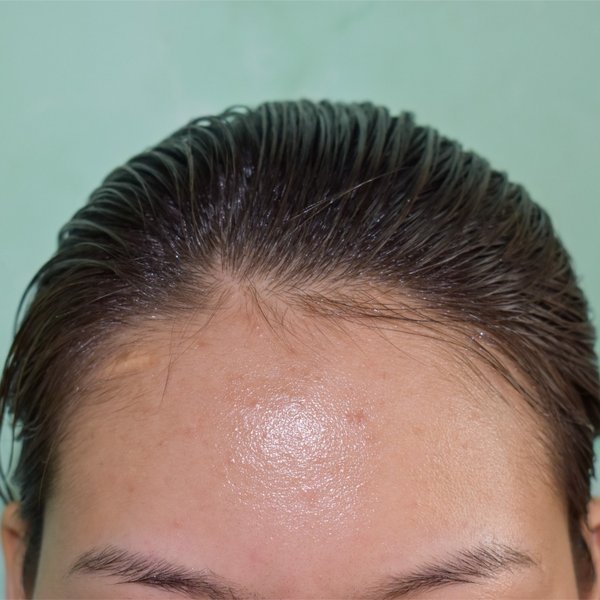
Oily skin can contribute to conditions like acne, which may result in post-inflammatory hyperpigmentation on the forehead.
Visualizing the Factors: A Mindmap Overview
To better understand the interconnected causes of forehead hyperpigmentation, especially with oily skin, consider this mindmap. It illustrates the primary conditions and contributing elements that might be at play.
(Oily Skin, Not Sunburn)"] id1["Hyperpigmentation"] id1a["Melasma (Chloasma)"] id1a1["Hormonal Changes
(Pregnancy, Contraceptives)"] id1a2["Sun Exposure (Chronic)"] id1a3["Genetic Predisposition"] id1b["Post-Inflammatory Hyperpigmentation (PIH)"] id1b1["Acne (Common with Oily Skin)"] id1b2["Skin Irritation/Inflammation
(Eczema, Product Reactions)"] id1b3["Physical Trauma (Friction, Picking)"] id1c["Other Contributing Factors"] id1c1["Excess Sebum & Friction"] id1c2["Thicker Forehead Skin"] id1c3["Allergies (Hair/Skin Products)"] id1c4["Underlying Health Conditions
(e.g., Insulin Resistance - less common)"] id1c5["Medication Side Effects"]
Comparing Potential Influences
The development of a dark patch on the forehead can be influenced by multiple factors, each with varying degrees of impact depending on the individual. This chart provides a conceptual representation of how different factors might contribute to or exacerbate forehead hyperpigmentation. The values are illustrative and aim to show relative influence rather than precise data.
This chart illustrates that factors like chronic sun exposure and acne-related inflammation (PIH) can have a high impact, and oily skin can indirectly amplify the risk of PIH and issues from friction or product sensitivity.
Expert Insights on Forehead Darkening
Understanding the causes and potential treatments for a dark forehead is crucial. The following video provides expert advice on this common dermatological concern, covering causes, prevention, and treatment options that may be relevant to your situation.
This video discusses various reasons for forehead darkening, including tanning (even without a burn), post-inflammatory hyperpigmentation due to hair dye or oil use, macular amyloidosis, and acanthosis nigricans. It also touches upon general measures like wearing a cap and specific creams. This information can help you understand the multifaceted nature of forehead pigmentation and the importance of identifying the specific cause for effective management.
Summary of Causes and Management Approaches
The table below provides a quick overview of common causes for a darker forehead patch and general strategies for management, especially relevant for those with oily skin.
| Cause | Key Characteristics | Relevance to Oily Skin | General Management Approach |
|---|---|---|---|
| Melasma | Symmetrical brown/grayish patches; often on forehead, cheeks, upper lip. Triggered by hormones, sun, genetics. | Not directly caused by oily skin, but sun protection is crucial for both. | Sunscreen, topical agents (hydroquinone, retinoids, azelaic acid), professional treatments (peels, laser). Hormonal triggers may need assessment. |
| Post-Inflammatory Hyperpigmentation (PIH) | Dark spots/patches appearing after skin inflammation (acne, rash, injury). | Higher risk due to increased likelihood of acne. Irritation from harsh products can also contribute. | Treat underlying inflammation (e.g., acne), gentle skincare, brightening agents (niacinamide, vitamin C, AHA/BHA), sun protection. |
| Chronic Sun Exposure | Gradual darkening, development of sun spots (lentigines). Forehead is highly exposed. | Oily skin doesn't change sun's effect, but some acne treatments can increase sun sensitivity. | Daily broad-spectrum sunscreen (SPF 30+), sun-protective clothing (hats), antioxidants. |
| Friction/Irritation | Darkening from constant rubbing, harsh scrubbing, or irritating products (e.g., hair products). | Oily skin might lead to more wiping (sweat). Harsh products for oil control can irritate. | Avoid repetitive friction, use gentle cleansers, choose non-irritating hair and skin products. |
| Allergic/Contact Dermatitis | Redness, itching, followed by darkening due to inflammation. Often from hair dyes or skincare. | Sensitivity can occur in any skin type; patch testing new products is wise. | Identify and avoid allergens/irritants, topical anti-inflammatories (short-term), then PIH treatments. |
Strategies for Management and Prevention
While a dermatologist can provide a precise diagnosis and treatment plan, here are some general strategies that can help manage and prevent forehead hyperpigmentation, especially if you have oily skin:
Adopt a Gentle Skincare Routine for Oily Skin
- Use a mild, non-comedogenic (won't clog pores) cleanser twice daily.
- Incorporate oil-free moisturizers to maintain skin hydration without adding excess oil.
- Consider products with salicylic acid (BHA) or benzoyl peroxide if acne is a concern, but introduce them gradually to avoid irritation.
Incorporate Brightening Ingredients
Look for serums or treatments containing ingredients known to help fade hyperpigmentation:
- Niacinamide: Helps reduce inflammation, control oil, and improve skin barrier function, while also inhibiting pigment transfer.
- Vitamin C: A potent antioxidant that can brighten skin and protect against free radical damage.
- Azelaic Acid: Effective for melasma and PIH, also has anti-inflammatory and anti-acne properties.
- Alpha Hydroxy Acids (AHAs) like Glycolic Acid or Lactic Acid: Exfoliate the skin's surface to help shed pigmented cells. Use with caution, especially if new to acids.
- Retinoids (Retinol, Tretinoin): Increase cell turnover and can help fade dark spots. Prescription retinoids are more potent. Start slowly and use sunscreen diligently as they increase sun sensitivity.
Prioritize Sun Protection – Every Single Day
This is non-negotiable. Even if you don't feel you're "sunbathing," daily UV exposure contributes to hyperpigmentation.
- Apply a broad-spectrum sunscreen with SPF 30 or higher every morning, even on cloudy days.
- Reapply every two hours if outdoors for extended periods or after sweating.
- Consider wearing a wide-brimmed hat for added protection to your forehead.
Minimize Friction and Irritation
- Be gentle when cleansing or drying your face. Avoid harsh scrubbing.
- If you wear hats or headbands, ensure they are not too tight and are made of breathable materials.
- Be mindful of hair products (gels, sprays, oils) that might drip onto your forehead and cause irritation.
When to Consult a Dermatologist
While many cases of forehead hyperpigmentation are benign, it's always best to seek professional advice for an accurate diagnosis and tailored treatment plan. A dermatologist can:
- Correctly identify the cause of the dark patch (e.g., melasma, PIH, or another condition).
- Rule out any more serious skin conditions.
- Recommend prescription-strength topical treatments (e.g., higher concentrations of hydroquinone, retinoids, or combination therapies).
- Discuss procedural options if appropriate, such as chemical peels, microdermabrasion, laser therapy, or microneedling, which can be effective for certain types of hyperpigmentation.
- Provide guidance on managing oily skin alongside hyperpigmentation treatments.
If the dark area is new, changing in appearance (size, color, texture), itchy, painful, or causing significant concern, a dermatological consultation is highly recommended.
Frequently Asked Questions (FAQ)
Is the dark patch on my forehead permanent?
Not necessarily. Many types of hyperpigmentation, like PIH and melasma, can fade over time with appropriate treatment and consistent sun protection. However, some pigmentation can be stubborn and may require long-term management. A dermatologist can give you a more specific prognosis.
Can my oily skin make the hyperpigmentation worse?
Oily skin itself doesn't directly cause hyperpigmentation, but it can contribute to conditions like acne, which often leads to post-inflammatory hyperpigmentation (PIH). Managing oiliness and preventing breakouts can therefore help prevent new dark spots from forming. Also, some individuals with oily skin might over-exfoliate or use harsh products, which can irritate the skin and worsen PIH.
Are there any home remedies that are safe and effective?
Some natural ingredients like licorice extract, soy, and certain antioxidants (Vitamin C, E) have shown modest benefits in some studies for skin brightening. However, their efficacy is generally less potent than dermatological treatments. It's crucial to be cautious with DIY remedies, as some (like undiluted lemon juice) can irritate the skin and potentially worsen hyperpigmentation, especially with sun exposure. Always patch-test new ingredients and prioritize sun protection.
How long will it take to see improvements with treatment?
Patience is key. With consistent use of topical treatments and diligent sun protection, you might start seeing improvements in 6-12 weeks, but significant fading can take several months to a year, depending on the depth and cause of the pigmentation. Professional treatments may offer faster results but also involve a course of sessions.
Recommended Further Exploration
- What are the most effective skincare ingredients for treating dark spots on oily skin types?
- How do hormonal fluctuations contribute to the development of melasma specifically on the forehead area?
- What are the best dermatologist-recommended strategies for preventing post-inflammatory hyperpigmentation after an acne breakout on the forehead?
- What are the long-term impacts of chronic, low-level sun exposure on forehead skin, even without visible sunburns?
References

 amazon.in
Last updated May 9, 2025