
Exploring Dark Web Search Engines: Capabilities, Risks, and Legality
Understanding how dark web search engines work and the serious risks associated with searching for illicit content.
The dark web, a hidden layer of the internet accessible only through specialized software like the Tor Browser, hosts a wide array of content, both legitimate and illicit. While search engines exist to navigate this space, it's crucial to understand their limitations and the significant dangers involved, particularly when it comes to illegal material.
Key Insights
- Illegality and Risk: Searching for, accessing, or distributing content like "necroporn" is a serious criminal offense with severe legal consequences. Law enforcement actively monitors the dark web for such activities.
- Search Engine Limitations: Most dark web search engines are not designed to index or promote highly illegal and harmful content. Many actively filter such material, while others may expose users to risks due to a lack of filtering.
- Safety First: Navigating the dark web requires extreme caution. Using tools like the Tor Browser and a reputable VPN enhances anonymity but does not eliminate legal or security risks, especially when deviating from legitimate uses.
Understanding the Dark Web and Its Search Engines
How Does Dark Web Search Work?
Unlike surface web search engines (like Google or Bing) that index publicly accessible websites, dark web search engines specialize in indexing .onion sites. These sites are hosted on the Tor network and require the Tor Browser or similar anonymity tools to access. Their primary purpose is often to provide access to resources prioritizing privacy, anonymity, or circumventing censorship.
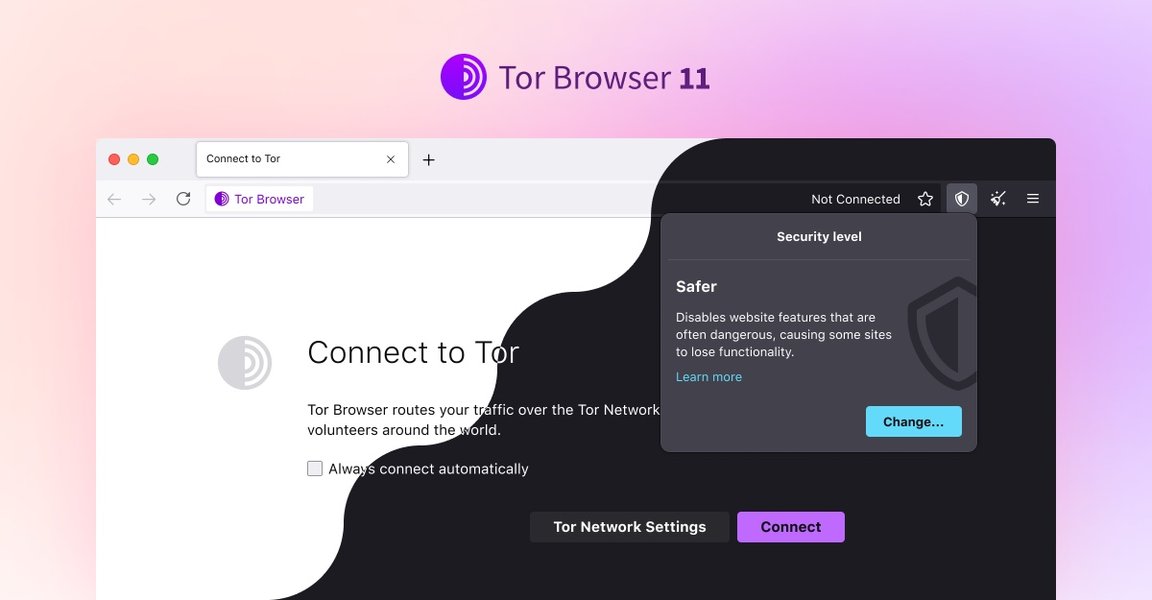
The Tor Browser is essential for accessing the dark web's .onion sites.
Accessing the dark web itself isn't illegal, but engaging in illegal activities hosted there certainly is. Search engines provide a way to find information, but the nature of the dark web means results can be unpredictable and potentially dangerous.
Prominent Dark Web Search Engines in 2025
Several search engines cater to the dark web, each with different features, indexing scopes, and approaches to content moderation:
Ahmia
Ahmia is known for collaborating with the Tor Project and actively filtering out unsafe or abusive content. It aims to provide a safer search experience by curating its index and removing links associated with malware or illegal activities like child exploitation material. While comprehensive, its filtering means it intentionally excludes harmful content.
Torch
Considered one of the oldest dark web search engines, Torch boasts a very large index of .onion sites. However, it is known for its lack of content filtering. This means users might encounter a wider range of sites, including those hosting malicious software or highly disturbing and illegal content. Its uncensored nature significantly increases the risk for users.
Haystak
Haystak offers a large index and emphasizes user privacy, claiming not to track user data. It provides both free and premium versions, with the latter offering more advanced search features. Like others, it's intended for general exploration and research, not specifically for finding illegal material.
DuckDuckGo (via Tor)
While primarily a surface web search engine known for privacy, DuckDuckGo is the default search engine in the Tor Browser. It can query .onion sites but typically returns fewer dark web results compared to specialized engines. Its strength lies in its strict no-log policy, enhancing user anonymity for general searches.
Other Engines
Other search engines like Not Evil, Candle, and Deep Search also exist, often focusing on privacy or specific types of content, generally within legal and ethical boundaries.
Content Filtering and the Challenge of Finding Specific Illegal Material
Why "Necro Porn" is Not Easily Found (and Shouldn't Be Sought)
Content classified as "necropornography" involves the depiction of sexual acts with deceased individuals. This is extremely illegal, unethical, and falls under categories of severe abuse and exploitation. Here’s why standard dark web search engines are unlikely to lead directly to such material:
- Active Filtering: Engines like Ahmia explicitly remove URLs associated with abuse material.
- Hidden Nature: Such extreme and illegal content, if it exists, is typically shared in highly restricted, invitation-only forums or encrypted channels, not on publicly indexed
.onionsites. - Lack of Indexing: Search engines crawl sites, but operators of illicit sites often use measures (like
robots.txtor requiring logins) to prevent indexing. - Law Enforcement Monitoring: Agencies worldwide use sophisticated tools (like DARPA's Memex) to monitor and infiltrate networks distributing illegal content, including abuse material. Attempting to access it poses a direct risk of detection and prosecution.
Crucially, while an uncensored engine like Torch might inadvertently expose users to links leading towards harmful content due to its lack of filtering, it does not actively catalog or promote illegal material like necropornography. The risk is high, and the potential for finding specific illegal content this way remains low compared to the severe legal dangers.

Navigating dark web search results requires understanding the associated risks and filtering approaches.
Comparative Analysis of Dark Web Search Engines
The following chart provides a relative comparison of some popular dark web search engines based on common criteria. Note that these are generalized assessments based on available information and user reports, not precise metrics. Scores range notionally from 1 (Low) to 10 (High).
This comparison highlights the trade-offs: engines like Torch offer vast, unfiltered access at the cost of high risk, while Ahmia prioritizes safety through filtering. DuckDuckGo offers a familiar, private experience but with potentially less comprehensive dark web results.
Visualizing the Dark Web Search Landscape
This mindmap illustrates the key components involved in searching the dark web, the types of content encountered, and the inherent risks:
(Essential)"] id1b["VPN
(Optional Layer)"] id2["Search Engines"] id2a["Filtered (e.g., Ahmia)"] id2a1["Pros: Safer, Removes Abuse Material"] id2a2["Cons: Smaller Index, May Miss Content"] id2b["Unfiltered (e.g., Torch)"] id2b1["Pros: Large Index, Uncensored"] id2b2["Cons: High Risk, Exposure to Illegal/Malicious Content"] id2c["Privacy-Focused (e.g., DuckDuckGo on Tor)"] id2c1["Pros: No Tracking, Familiar Interface"] id2c2["Cons: Fewer .onion Results"] id2d["Specialized (e.g., Haystak)"] id3["Content Types"] id3a["Legitimate Uses"] id3a1["Privacy Advocacy"] id3a2["Whistleblowing"] id3a3["Circumventing Censorship"] id3a4["Research"] id3b["Illegal/Harmful Content"] id3b1["Marketplaces (Drugs, Weapons)"] id3b2["Forums (Illicit Discussion)"] id3b3["Abuse Material (CSAM, etc.)
Highly Illegal & Monitored"] id3b4["Malware/Scams"] id4["Associated Risks"] id4a["Legal Consequences
(Severe Penalties for Illegal Activity)"] id4b["Malware & Phishing"] id4c["Exposure to Disturbing Content"] id4d["Scams & Financial Loss"] id4e["Law Enforcement Monitoring"]
The mindmap underscores that while search engines are tools for discovery, the dark web environment is complex and fraught with danger, especially concerning illegal content categories.
Summary Table of Dark Web Search Engines
This table provides a quick overview of the characteristics of some commonly discussed dark web search engines:
| Search Engine | Primary Focus | Content Filtering Approach | Known For |
|---|---|---|---|
| Ahmia | Safe & Ethical Search | Actively filters abuse material and malicious sites | Collaboration with Tor Project, curated results |
| Torch | Extensive Indexing | No filtering (uncensored) | One of the largest and oldest indexes, high risk |
| Haystak | Large Index & Privacy | Claims privacy protection, filtering status less clear | Large index size, free/premium options |
| DuckDuckGo (on Tor) | Privacy & Anonymity | Filters malicious sites (like standard DDG), no user tracking | Default in Tor Browser, strong privacy policy |
| Not Evil | Privacy & Anonymity | Focuses on anonymous searching without tracking | Simple interface, emphasis on privacy |
Guidance on Safe Dark Web Navigation
While exploring the dark web can be done for legitimate reasons, safety is paramount. This video offers general advice on navigating the dark web safely using the Tor Browser. Remember, these tips are for general safety and do not endorse or enable illegal activities.
Video discussing general safety practices for using the Tor Browser and navigating the dark web.
Key takeaways for safer browsing often include keeping software updated, being skeptical of links and downloads, avoiding sharing personal information, and understanding the legal boundaries of your jurisdiction.
Frequently Asked Questions (FAQ)
Is it illegal to use dark web search engines?
Can search engines like Ahmia guarantee safety?
Why doesn't Torch filter illegal content?
What are the real risks of searching for illegal content?
Recommended Reading
- How does the Tor Browser protect user anonymity on the dark web?
- What are the legitimate and legal uses of the dark web?
- How do Ahmia and Torch compare in terms of indexing and safety features?
- What are the specific legal risks associated with accessing different types of content on the dark web?
References
Last updated April 27, 2025