
Charles Darwin's Reflections on Diet and Physical Activity in Argentina
Exploring Darwin's Insights into Meat Consumption and Exercise
Key Takeaways
- Absence of Direct Commentary: Darwin did not explicitly state that vigorous exercise is required after consuming meat in his Argentine diaries.
- Diet and Physical Activity Correlation: He observed that a meat-rich diet aligns well with active lifestyles, as exemplified by the local Gauchos.
- General Observations: Any mention of exercise related to meat consumption was broad and not confined to his experiences in Argentina.
Darwin's Observations on Meat Consumption
Dietary Habits During the Voyage
During his voyage on the HMS Beagle, Charles Darwin meticulously documented various aspects of his experiences, including dietary habits. His observations revealed a diverse palate, as he indulged in various meats such as puma, armadillo, iguanas, and giant tortoises. These experiences highlight Darwin's adventurous approach to food, providing him with unique insights into the culinary practices of different cultures.
Meat Quality and Preparation in Argentina
In Argentina, Darwin noted the superior quality of the meat compared to common beef, describing it as being "as superior to common beef as venison is to mutton." He appreciated the methods of preparation, particularly grilling, which enhanced the flavor and texture of the meat. This appreciation indicates his recognition of the cultural significance of meat in Argentine cuisine and its impact on his dietary preferences.
General Observations on Meat and Health
While not specific to Argentina, Darwin made general comments regarding the relationship between meat consumption and physical activity. He noted that meat would "agree with him with hard exercise," suggesting an intrinsic link between a protein-rich diet and the need for physical exertion. This observation underscores the balance between diet and lifestyle, reflecting Darwin's holistic approach to understanding human health and behavior.
Diet and Physical Activity in Argentine Culture
The Gaucho Lifestyle
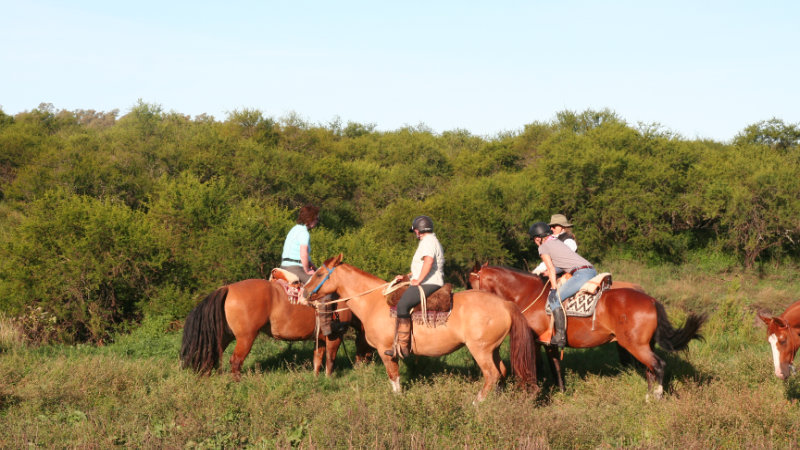
Darwin observed the Gauchos, the skilled horsemen of the Pampas, who maintained a diet predominantly consisting of beef. Their ability to consume large quantities of meat, particularly fatty cuts, was balanced by their physically demanding lifestyle. The Gauchos' consumption of fat, which is easier to digest, enabled them to sustain their energy levels without experiencing discomfort, highlighting an adaptive dietary practice suited to their active lives.
Adaptation to Meat-Rich Diets
The integration of a meat-rich diet with sustained physical activity can be seen as an adaptation to the environmental and occupational demands of the region. Darwin noted that despite the intake of large amounts of meat, the Gauchos did not suffer from the negative health effects often associated with high meat consumption. Instead, their active lifestyle facilitated the efficient metabolism and utilization of nutrients, illustrating a symbiotic relationship between diet and physical exertion.
Comparative Dietary Practices
Darwin's observations extend to comparing the dietary practices of different communities he encountered. In Argentina, the balance between meat consumption and physical activity among the Gauchos stood in contrast to more sedentary lifestyles elsewhere. This comparison offered Darwin a broader perspective on how diet and activity levels are interrelated and influenced by cultural and environmental factors.
Interpretations of Darwin's Writings
Lack of Specificity in Diaries
Despite the detailed nature of his diaries, Darwin did not provide specific instructions or requirements regarding vigorous exercise following meat consumption in Argentina. His writings focused more on observational data, noting the quality of meat and its preparation methods, as well as the general lifestyle of the Gauchos. The absence of explicit commentary suggests that while Darwin recognized a relationship between diet and activity, he did not deem it necessary to prescribe a rigid regimen.
Potential Misinterpretations
Some claims about Darwin's emphasis on exercise after eating meat may stem from misinterpretations or misquotations of his broader observations. While he did note that meat consumption was more agreeable with hard exercise, this statement was general and not specifically linked to his experiences in Argentina. Scholars and historians emphasize the importance of consulting primary sources to avoid conflating broader health observations with specific dietary practices.
Holistic Understanding of Health
Darwin's holistic approach to health encompassed diet, physical activity, and environmental factors. His observations suggest that he perceived a balanced relationship between nutrition and lifestyle choices as essential for overall well-being. This perspective aligns with contemporary understandings of nutrition science, where the synergy between diet and physical activity is recognized as crucial for maintaining health.
Comparative Analysis of Sources
Consensus Among Sources
The provided sources collectively indicate that while Darwin made general observations about the relationship between meat consumption and physical activity, there is no direct evidence in his diaries specifically stating that vigorous exercise is required after eating meat in Argentina. The majority of sources emphasize the absence of such explicit commentary, suggesting that any perceived connection is either a misinterpretation or derived from general health observations.
Supplementary Insights
Additional information from secondary interpretations of Darwin's work provides context to his observations. By comparing the dietary habits of the Gauchos with his own experiences, Darwin inferred the benefits of an active lifestyle in conjunction with a meat-rich diet. However, these inferences are extrapolations rather than direct statements from his writings.
Contrasting Views
While some sources suggest that Darwin implied a need for exercise after meat consumption, others firmly refute the existence of such specific statements in his diaries. This discrepancy highlights the importance of critically evaluating secondary sources and distinguishing between Darwin's direct observations and subsequent interpretations by others.
Impact of Darwin's Observations on Modern Nutrition
Evolutionary Perspectives on Diet
Darwin's observations contribute to the evolutionary understanding of human dietary practices. By noting the adaptability of the human body to various diets and the role of physical activity in maintaining health, he provided early insights into what would later become fundamental principles in nutrition science. His work underscores the evolutionary link between diet and lifestyle, emphasizing the need for balance and adaptability.
Influence on Contemporary Dietary Guidelines
Modern dietary guidelines continue to reflect the interplay between diet and physical activity that Darwin observed. The recommendation to combine a balanced diet with regular exercise aligns with his holistic approach to health. This alignment illustrates the enduring relevance of Darwin's insights, bridging the gap between 19th-century observations and 21st-century nutritional science.
Cultural Dietary Practices
Darwin's documentation of the Gauchos' dietary habits offers valuable data on how cultural practices influence and are influenced by dietary choices and physical activity levels. Understanding these relationships is crucial for developing culturally sensitive nutritional guidelines and promoting health in diverse populations.
Conclusion
Charles Darwin's diaries provide a rich tapestry of observations on diet and lifestyle during his travels in Argentina. While he did not explicitly state that vigorous exercise is required after consuming meat, his notes on the Gauchos' dietary practices and the relationship between meat consumption and physical activity suggest a nuanced understanding of the interplay between nutrition and lifestyle. Darwin's holistic approach to health, which integrates diet with physical activity, remains relevant in contemporary discussions on nutrition and well-being. His observations underscore the importance of balance and adaptability, principles that continue to inform modern dietary guidelines and health practices.
References
Last updated February 12, 2025