
What is Data Science?
Understanding the foundations and impact of data science in our modern world
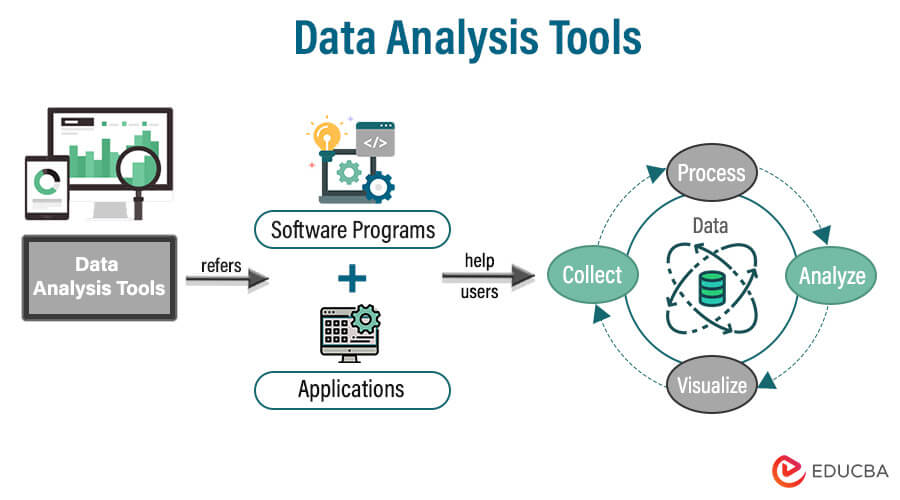
Key Takeaways
- Interdisciplinary Integration: Data science combines statistics, mathematics, computer science, and domain expertise to extract insights from a vast array of data types.
- Data Life Cycle: It encompasses a systematic process—from data collection and cleaning to analysis, modeling, and interpretation—with specialized techniques at each stage.
- Real-World Applications: Data science is applied across various industries, including healthcare, finance, logistics, and marketing, directly impacting decision-making and strategic planning.
Overview and Definition
Data science is an interdisciplinary field that focuses on extracting meaningful insights and knowledge from both structured and unstructured data. It combines techniques and tools from multiple fields, such as statistics, computer science, mathematics, and domain-specific expertise, to uncover patterns, trends, and relationships within datasets of varying complexity. By leveraging these methods, organizations and individuals can make informed decisions, forecast future trends, and optimize processes across various sectors.
What Does Data Science Entail?
At its core, data science refers to a set of fundamental processes that include:
- Data Collection and Management: Data is accumulated from diverse sources ranging from sensor data, transactional records, social media interactions, and scientific experiments. The process begins with gathering raw data, which then must be stored and managed effectively.
- Preprocessing and Cleaning: Not all collected data is immediately usable. Data cleaning, also known as data wrangling, involves transforming raw, unorganized information into a consistent, reliable format. This stage is crucial for ensuring that the subsequent analysis produces accurate results.
- Exploratory Data Analysis (EDA): With cleaned data, data scientists explore the dataset to understand its underlying structure, detect anomalies, and identify significant trends. EDA involves descriptive statistics, visualization techniques, and initial hypothesis testing to guide deeper analysis.
- Modeling and Machine Learning: This stage includes the application of statistical models and machine learning algorithms to predict outcomes or understand complex relationships within the data. Machine learning techniques such as regression analysis, classification, clustering, and neural networks transform data insights into actionable predictions.
- Data Visualization: To communicate insights effectively, data science relies on visual representations like graphs, charts, dashboards, and interactive visualizations. This step makes complex analytical results accessible to non-technical stakeholders.
- Interpretation and Decision-Making: Finally, the insights extracted from the data are analyzed from a domain-specific perspective and translated into decisions that can affect strategic planning, problem-solving, or operational improvements.
The Data Science Life Cycle
The data science life cycle is a systematic process through which raw data is transformed into meaningful insights. Each stage builds upon the previous, creating a robust methodology to deal with data in its many forms.
Stages in the Data Science Process
1. Data Acquisition
Data acquisition is the stage where data is collected from numerous sources. These sources can include internal databases, sensors, APIs, public data repositories, online platforms, and more. Ensuring that the collected data is relevant to the problem at hand is crucial for the effectiveness of subsequent analyses.
2. Data Cleaning and Preprocessing
The data collected is rarely perfect. It often includes missing values, duplicates, inconsistencies, or disturbances caused by noise in the measurement process. The cleaning stage involves techniques like handling missing values, smoothing noisy data, identifying outliers, and normalizing the data, which paves the way for robust analysis.
3. Exploratory Data Analysis (EDA)
Once the data is cleaned and preprocessed, exploratory data analysis aims to understand the data’s structure and main characteristics. Data scientists use statistical summaries and visualization tools such as histograms, box plots, and scatter plots to observe distributions, trends, and anomalies. EDA not only helps in understanding data but also in formulating hypotheses and identifying the right analytical approaches.
4. Modeling and Machine Learning
This stage involves the selection and implementation of models that can either explain relationships in the data (descriptive modeling) or predict future outcomes (predictive modeling). Techniques vary from simple regression models and decision trees to complex algorithms like deep neural networks and ensemble methods. The choice of model depends on the problem, data size, and the required accuracy.
5. Evaluation and Interpretation
After modeling, the outputs need to be evaluated for their accuracy and reliability. This can involve statistical validation methods, cross-validation techniques, and performance metrics. Once evaluated, the outcomes are interpreted in the context of the problem, ensuring that they are relevant and can drive actionable insights.
6. Deployment and Communication
The final stage involves deploying the model into an operational environment for real-world application. In parallel, data scientists work on communicating their findings through reports, dashboards, or presentations. This is critical because the value of analysis is realized only when complex findings are translated into clear, concise information that stakeholders can use for decision-making.
Visualizing the Data Science Life Cycle
| Stage | Description |
|---|---|
| Data Acquisition | Collecting raw data from diverse sources such as databases, APIs, or sensors. |
| Data Cleaning | Preprocessing data to remove errors, inconsistencies, and irrelevant information. |
| Exploratory Data Analysis | Analyzing data distributions and patterns through statistical summaries and visualizations. |
| Modeling | Applying statistical and machine learning algorithms to predict outcomes and classify data. |
| Evaluation | Assessing model performance using validation techniques and statistical measures. |
| Deployment | Implementing models into production and communicating insights for decision-making. |
Key Techniques and Tools in Data Science
Data science encompasses an extensive array of techniques and tools that aid in transforming data into the actionable insights required for innovative decision-making. The following sections explain some of the key methods and commonly used technologies in the field.
Techniques
Statistical Analysis
At the core of data science lies statistical analysis. This involves the use of descriptive statistics (mean, median, mode, standard deviation, etc.) to summarize data, as well as inferential statistics to draw conclusions from sample data. Statistical analysis serves as the foundation of understanding data patterns and supports decisions with numerical rigor.
Machine Learning
Machine learning is a significant component of data science that uses algorithms to learn from data and make predictions. Supervised learning techniques (like linear regression, logistic regression, and support vector machines) are widely used for prediction and classification tasks. Meanwhile, unsupervised learning techniques (such as clustering and principal component analysis) uncover hidden patterns in data without pre-labeled outcomes. Deep learning, a subset of machine learning, uses neural networks to manage and analyze large, complex datasets.
Data Visualization
Data visualization transforms complex quantitative information into visual formats that are easier for people to understand and interpret. Tools such as Matplotlib, Seaborn, and Plotly in Python or ggplot2 in R are frequently used to create compelling visual narratives from data. Whether it’s through interactive dashboards or static images, visualization plays a critical role in communicating insights effectively.
Predictive and Prescriptive Analytics
Predictive analytics employs data, statistical algorithms, and machine learning techniques to identify the likelihood of future outcomes based on historical data. Beyond prediction, prescriptive analytics suggests actionable recommendations by understanding potential outcomes and recommending the best course of action for a given scenario.
Tools and Technologies
The efficiency and power of data science are largely attributed to the range of available tools and technologies that facilitate every stage of the data life cycle. Some of the most popular tools include:
- Programming Languages: Python and R are the most popular languages among data scientists due to their extensive libraries for data manipulation, statistical analysis, and machine learning.
- Database Query Tools: SQL is essential for managing and querying structured data stored in relational databases.
- Big Data Platforms: Technologies such as Apache Spark or cloud-based platforms like AWS, Google Cloud, and Azure support the processing and analysis of large-scale datasets.
- Visualization and Reporting Software: Tools like Tableau, Power BI, and Python-based libraries facilitate the creation of detailed, interactive visualizations and dashboards that help in decision-making.
- Machine Learning Frameworks: Libraries and frameworks including scikit-learn, TensorFlow, Keras, and PyTorch streamline the development of machine learning models for both academic research and industrial applications.
Applications Across Industries
Data science is not confined to any single field; rather, it permeates almost every industry, driving innovation and providing a competitive edge. Below are some prominent examples of its applications:
Healthcare
In the realm of healthcare, data science plays a transformative role. It is used to analyze patient data to predict outcomes, manage epidemic outbreaks, optimize treatment plans, and enhance diagnostic accuracy. By integrating data on patient histories, imaging data, and real-time monitoring from wearable devices, data science enables more personalized treatment protocols and better resource allocation in hospitals. Furthermore, predictive models are deployed to forecast the spread of diseases and help inform public health interventions.
Finance
Data science is instrumental in the finance sector where it is used to model risk, detect fraudulent transactions, and predict market trends. Financial institutions rely on data-driven models to optimize portfolio management, perform algorithmic trading, and devise credit scoring systems. The ability to predict market fluctuations and analyze immense amounts of transactional data in real time has reshaped financial risk management and customer service in the banking industry.
Marketing and E-commerce
Modern marketing relies heavily on the insights derived from data science. By analyzing consumer behavior, browsing, purchase histories, and social media interactions, companies are able to deliver highly personalized marketing campaigns and product recommendations. Data science enables businesses to optimize their advertising budgets, forecast consumer trends, and efficiently target audiences to maximize conversion rates. The use of descriptive, predictive, and prescriptive analytics assists companies in tailoring their strategies for a rapidly changing market landscape.
Logistics and Supply Chain
In logistics and supply chain management, data science helps optimize routing, manage inventory, and forecast demand. Predictive models can minimize delays, reduce costs, and streamline operations by analyzing traffic data, weather conditions, and historical shipment data. These insights allow companies to design efficient delivery schedules and proactive maintenance plans, leading to significant improvements in overall operational efficiency.
Environmental Science
Data science is increasingly applied in environmental monitoring and research, where it aids in climate change modeling, resource management, and biodiversity tracking. Through the analysis of satellite imagery, sensor data on air and water quality, and historical weather patterns, scientists can better understand environmental changes and predict future scenarios. This is critical for guiding policy decisions and tackling global environmental challenges.
Career Opportunities and Skill Set
The rapid expansion of data science has generated numerous career opportunities across both private and public sectors. Companies are investing in data capabilities to gain a competitive edge, which in turn has fueled job growth within the field. The career paths available include:
Data Analyst
Data analysts are primarily responsible for interpreting historical data to generate insights and reporting on trends. Their work often involves generating visualizations, summarizing key statistics, and supporting decision-making with descriptive analysis.
Data Scientist
Data scientists build on the role of data analysts by implementing machine learning algorithms and predictive models to forecast future trends. They manage large datasets, design experiments, and perform high-level statistical analyses, bridging the gap between raw data exploration and actionable insight delivery.
Machine Learning Engineer
Focused on productionizing machine learning models, machine learning engineers take prototypes developed by data scientists and scale them up to meet production demands. They ensure that models perform effectively in live environments and that the underlying infrastructure can handle the data processing requirements.
Data Engineer
Data engineers design and build the data pipelines and infrastructure that support the processing, storage, and analysis of large datasets. By establishing robust data architectures, they enable data scientists and analysts to access high-quality and consistent data effortlessly.
Domain Specialists
Because data science is interdisciplinary, professionals with deep knowledge in specific fields—such as healthcare, finance, or environmental science—are critical to interpret data contextually. Their domain expertise ensures that data-driven insights are relevant and applicable to real-world challenges.
For professionals entering the field, a strong background in mathematics, statistics, and programming is essential, along with the curiosity and analytical mindset needed to tackle complex data problems. Continuous learning is also an integral part of a successful data science career, given the ever-evolving landscape of technologies and methodologies.
Historical Perspective and Evolution
Data science, as a concept, has evolved by merging traditional statistical analysis and computer science. Its foundations can be traced back to early work in exploratory data analysis in the 1960s, where pioneers emphasized deriving actionable insights from raw data. Early researchers began to contrast data analysis as an empirical science rather than solely relying on theoretical models.
Evolution Over Time
1970s and 1980s
The early days of data science involved using conventional statistical methods to analyze data that was generally smaller in scale compared to modern datasets. Researchers and practitioners discussed concepts related to data management, data warehousing, and the early algorithms for data analysis.
1990s: The Birth of Modern Data Science
As computational power increased and data storage became more accessible, the 1990s marked a period of significant transformation, where the term “data science” started to gain traction. The integration of machine learning techniques and the emergence of new data mining algorithms contributed to establishing the field as a separate discipline that went beyond traditional statistics.
2000s and Beyond
The explosion of the internet, social media, and e-commerce in the early 21st century led to the generation of massive amounts of data—often referred to as “big data.” This shift increased the demand for robust tools and scalable architectures capable of handling vast datasets. Today, data science incorporates cutting-edge technologies such as deep learning, natural language processing, and even elements of quantum computing. Furthermore, the growing focus on data ethics, privacy, and reducing bias has compelled the industry to develop frameworks that ensure fairness and accountability in its methodologies.
Challenges and Future Prospects
Despite the many successes and advancements in data science, several challenges remain that professionals in the field continue to address. Data quality issues, integration from multiple sources, inherent biases, and ensuring the ethical use of data are persistent hurdles that require ongoing research and innovation.
Key Challenges
Data Quality and Integration
Data from various sources often differ in formats, units, or levels of accuracy. Harmonizing these datasets is challenging but necessary for reliable analysis. Data cleaning processes and standardization methods are continuously being refined to address these discrepancies.
Bias and Ethical Considerations
Bias in data collection and interpretation can lead to flawed models and unfair outcomes. In recent years, significant attention has been directed towards incorporating fairness in machine learning algorithms and establishing ethical guidelines to govern data usage. This is critical not only for regulatory compliance but also for societal trust and transparency.
Scaling and Complexity
With the advent of big data, scalability has become a crucial concern. Handling terabytes or even petabytes of data necessitates advanced computational infrastructures and efficient algorithms that can process large datasets in real time without compromising on accuracy.
Future Outlook
The future of data science is promising, with continuous growth expected in both research and practical applications. Emerging technologies, such as quantum computing and enhanced AI systems, are expected to further revolutionize the field by enabling faster processing and more sophisticated analysis. Additionally, the increasing need for ethical data practices is driving the development of frameworks and guidelines to ensure responsible data usage.
Conclusion
Data science is a dynamic and multifaceted field that stands at the intersection of statistics, computer science, and domain-specific knowledge. It uses a structured life cycle—from data collection to deployment—to transform raw data into insightful, actionable information. With roots embedded in statistical analysis and an evolution fostered by technological advancements, data science has become indispensable to various industries, including healthcare, finance, marketing, and environmental research. As the volume of data continues to grow exponentially, the importance of robust, ethical, and efficient data science methodologies will only increase, paving the way for innovations that can drive enhanced decision-making and strategic outcomes across the globe.
References
- Data Science - IBM
- Data Science - Wikipedia
- What is Data Science? - Coursera
- What is Data Science? - AWS
- Data Science for Beginners - GeeksforGeeks
- Data Science Glossary - NNLMS
- What is Data Science? - Berkeley iSchool
- What is Data Science? - University of Virginia Data Science
- What is Data Science? - Harvard SEAS
- Data Science - GeeksforGeeks
- What is Data Science? - ASU
Learn More
Last updated February 18, 2025