
Unlocking the Power of Data for Workplace Safety
How a comprehensive data strategy drives enhanced safety at WorkSafeBC
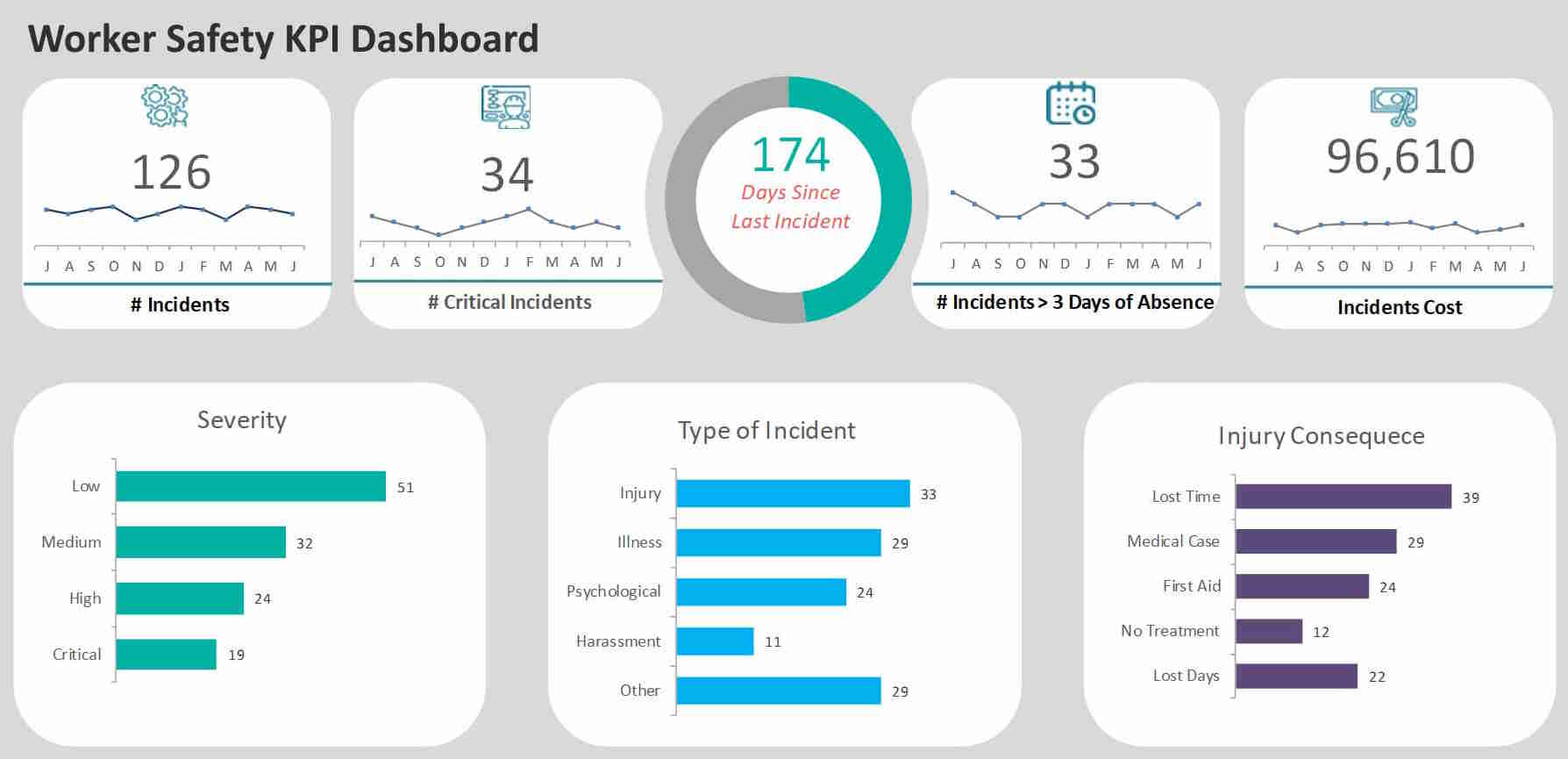
Key Strategic Highlights
- Data-Driven Decision Making: Use analytics to identify injury trends and inform proactive safety interventions.
- Robust Data Governance & Integration: Establish and maintain high standards for data quality and interoperability.
- Stakeholder Engagement and Transparency: Leverage data sharing tools and public dashboards to build trust and improve outcomes.
Comprehensive Data Strategy for WorkSafeBC
1. Strategic Objectives
Enhance Data-Driven Decision Making
WorkSafeBC should utilize advanced data analytics, artificial intelligence, and machine learning tools to extract insights from diverse data sources including injury reports, claims data, inspection outcomes, and prevention initiatives. This focus will allow timely identification of risk trends and allow targeted interventions, ultimately reducing workplace injuries and supporting a culture of safety. Establishing clear Key Performance Indicators (KPIs) — such as improvement in injury reduction rates and efficient claim management — will provide continuous measurable improvements over time.
Strengthen Data Governance and Architecture
A robust data governance framework is essential to ensure data quality, integrity, and security. This includes establishing strict policies, procedures, and standards for data handling, as well as defining roles for data stewardship. Modernizing the data architecture through the integration of data warehouses, data lakes, and analytical platforms is key to streamlining collection and analysis processes across various WorkSafeBC programs and initiatives.
Promote Transparency, Accessibility, and Stakeholder Engagement
WorkSafeBC should enhance its commitment to transparency by implementing public dashboards and interactive tools that share insights on workplace injury trends. These digital platforms will offer accessible data and analysis to both internal stakeholders and the public. Collaborating with employers, workers, and external advisory groups will ensure data remains relevant and aligns with real-world challenges. This engagement fosters shared ownership and continuous feedback that drives further improvements.
2. Data Collection and Management
To optimize the use of data, WorkSafeBC should standardize its data collection processes, ensuring consistency and reliability across all sectors. Introducing advanced data analytics platforms is critical in handling and visualizing large datasets. This strategy involves:
- Standardization: Adopt uniform methods for capturing data on workplace injuries, illnesses, and claims.
- Integration of Tools: Use analytical tools and dashboards that facilitate easy interpretation of health and safety data.
- Interoperability: Develop frameworks that ensure seamless integration between different data systems, enhancing the overall analysis.
With these measures, WorkSafeBC can generate actionable insights that proactively address workplace safety challenges.
3. Technology Utilization and Innovation
Leveraging Advanced Analytics and AI
Utilizing emerging technologies such as machine learning and artificial intelligence can transform raw data into predictive insights. This proactive risk detection model enables WorkSafeBC to identify potential risks before they result in injuries. These technologies can support simulation models and scenario analyses allowing employers to understand the impact of potential safety interventions.
Upgrading IT Infrastructure
Investment in state-of-the-art IT infrastructure is necessary to support the vast data analytics tools and secure storage solutions. This includes not only the integration of data systems but also the implementation of robust cybersecurity measures to protect sensitive information, ensuring compliance with data protection regulations.
4. Data Sharing, Collaboration and Transparency
Public Dashboards and Interactive Tools
WorkSafeBC can further its mission of public accountability and safety improvement by launching dashboards that provide clear, real-time insights on workplace health and safety trends. These dashboards should be user-friendly and accessible to a range of stakeholders including employers, industry analysts, and the general public.
Stakeholder Engagement
Engaging stakeholders through regular consultations, advisory groups, and data sharing agreements ensures the data strategy remains aligned with the practical challenges and needs of workers and employers. By integrating feedback mechanisms, WorkSafeBC can continually refine its approach based on on-the-ground realities and stakeholder input.
5. Organizational Culture and Training
Fostering a Data-Driven Culture
Embedding data literacy and analytical thinking across the organization is vital for sustained success. WorkSafeBC should invest in training programs that equip employees with the necessary skills to handle data effectively. Creating a culture that values and utilizes data-driven insights will lead to improved decision-making in both strategic and operational contexts.
Monitoring and Continuous Improvement
Consistent evaluation and feedback loops are necessary to assess the effectiveness of the data strategy. Regular audits, performance reviews, and stakeholder surveys must be part of the strategic roadmap. These practices ensure that the data strategy remains dynamic and continuously adapts to changing workplace safety challenges.
6. Implementation Timeline and Action Plan
A structured action plan provides a clear roadmap for implementation across successive phases:
| Phase | Timeframe | Key Actions |
|---|---|---|
| Phase 1: Assessment and Planning | Year 1 |
|
| Phase 2: Infrastructure Upgrade | Year 2-3 |
|
| Phase 3: Data Insights and Intervention | Year 3-4 |
|
| Phase 4: Training and Cultural Integration | Year 3-5 |
|
| Phase 5: Monitoring and Evolution | Year 5+ |
|
7. Performance Metrics and Monitoring
Key Performance Indicators (KPIs)
To ensure that the strategy delivers tangible results, WorkSafeBC must monitor various KPIs, such as:
- Data Quality and Accuracy: Percentage of verified and up-to-date data entries.
- System Adoption Rates: Usage metrics of interactive tools and data dashboards by employers and internal users.
- Safety Outcome Impact: Measured reduction in workplace injury rates and improvement in return-to-work outcomes.
- Stakeholder Engagement: Frequency and quality of stakeholder feedback, consultations, and collaborative initiatives.
Continuous Performance Reviews
Establish a structured review system to monitor progress at regular intervals, adapting the strategy to new data insights and emerging risks. Consistent reviews and adjustments ensure that both short-term and long-term goals remain achievable and aligned with changing occupational health and safety landscapes.
References
- Data & insights - WorkSafeBC
- Our Strategic Plan - WorkSafeBC
- Annual Statistical Reports - WorkSafeBC
- Employer Health & Safety Planning Tool Kit - WorkSafeBC
- Industry Health & Safety Data - WorkSafeBC
Recommended Related Queries
Last updated March 24, 2025