
Damage Control Orthopaedics (DCO): An Integrated Overview
Comprehensive insights on DCO for multi-trauma and orthopaedic care
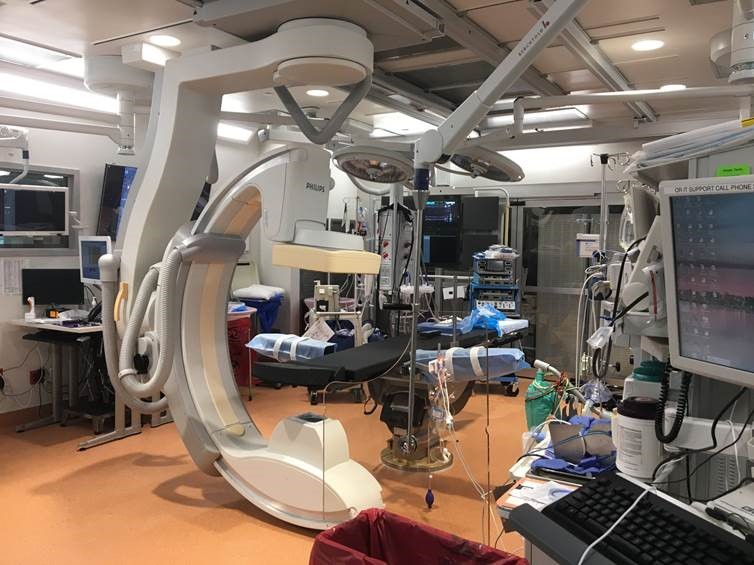
Key Highlights
- Definition & Rationale: A staged surgical strategy that prioritizes the patient's physiological stability over immediate definitive fracture repair.
- Physiological Principles & Stages: Focus on controlling bleeding, minimizing the inflammatory response, and stabilizing the patient to avoid complications.
- Techniques to Outcomes: From temporary external fixation to definitive repair, DCO emphasizes multidisciplinary guidelines, tailored patient selection, and dynamic strategies amid controversies.
1. Definition & Rationale
Damage Control Orthopaedics (DCO) is a surgical strategy developed to manage patients with multiple traumatic injuries, particularly when the patient presents with unstable physiological conditions. Instead of immediately performing complex orthopedic reconstruction, DCO involves rapid, less invasive procedures that stabilize the injury and control bleeding.
The primary rationale behind DCO is to avoid the so-called “second hit” phenomenon — this is when additional major surgical intervention exacerbates systemic inflammation and physiological instability. Through DCO, the initial focus is on patient resuscitation and stabilizing life-threatening conditions rather than definitive fracture repair. This approach thereby minimizes surgical stress, mitigates further tissue damage, and improves the patient’s overall outcome by delaying definitive orthopedic interventions until the patient’s condition is optimized.
2. Physiological Principles
The success of DCO is firmly rooted in its understanding of the body’s physiological response to trauma. Following severe injury, the patient’s body releases significant inflammatory mediators that trigger a cascade of events:
- The body experiences extensive blood loss that can lead to shock and reduced tissue oxygenation.
- An inflammatory response triggers systemic inflammatory response syndrome (SIRS) which, if unchecked, leads to multiple organ dysfunction.
- This inflammatory cascade also puts the patient at risk of developing coagulopathies and hypothermia, which compound to generate what is known as the lethal triad.
DCO aims to control and minimize these physiological stresses by intervening with procedures that stabilize fractures, control hemorrhage, and protect the patient from the damaging effects of prolonged, invasive surgery. By doing so, the approach minimizes the overall inflammatory response and keeps the patient’s physiology within a survivable range.
The controlled intervention helps to prevent the progression of complications such as acute respiratory distress syndrome (ARDS) or multiple organ failure (MOF) that are commonly associated with high inflammatory states.
3. Stages of DCO
DCO is implemented in several sequential stages to meet the dual goals of immediate stabilization and later definitive care. The structured progression of stages is tailored to the patient’s evolving physiological condition.
Stage 1: Initial Assessment and Resuscitation
The process commences with the immediate assessment of the trauma patient. This involves classifying the patient’s condition—stable, borderline, unstable, or in extremis—using standardized protocols such as Advanced Trauma Life Support (ATLS). Prompt resuscitation is initiated to correct life-threatening conditions including severe hemorrhage, airway compromise, and shock.
Stage 2: Temporary Stabilization
Once the patient is resuscitated, temporary stabilization of fractures and dislocations is performed, typically with minimally invasive techniques. External fixation is commonly used at this stage, serving to immobilize the injured limb and control bleeding while minimizing the extent of surgical trauma.
Stage 3: Physiological Optimization
In the days following the initial stabilization, the patient is closely monitored in an intensive care setting. The focus is on optimizing physiological parameters, such as correcting acidosis, managing coagulopathy, and preventing hypothermia, so that the patient’s system can better withstand a more definitive surgical intervention.
Stage 4: Definitive Fracture Fixation
After sufficient physiological recovery, definitive surgical procedures are carried out. This may involve open reduction and internal fixation procedures using plates, screws, or intramedullary nails, aimed at achieving long-term skeletal stability and functionality.
DCO Stages Table
| Stage | Focus | Techniques Employed |
|---|---|---|
| Initial Assessment & Resuscitation | Life-saving measures, trauma classification | ATLS protocols, fluid resuscitation, hemorrhage control |
| Temporary Stabilization | Fracture immobilization, bleeding control | External fixation, splinting |
| Physiological Optimization | Correction of metabolic derangements | ICU monitoring, targeted therapies for acidosis, coagulopathy, hypothermia |
| Definitive Fixation | Long-term repair, functional restoration | Internal fixation, plating, intramedullary nailing |
4. Indications & Contraindications
The decision to apply a DCO strategy is based on a comprehensive evaluation of the patient’s injury pattern and physiological condition.
Indications
DCO is most appropriate for:
- Polytrauma patients with multiple fractures and critical extra-skeletal injuries.
- Patients displaying hemodynamic instability, particularly those with pelvic ring injuries or severe femoral fractures.
- Cases involving severe soft tissue damage, high risk of infection, or additional complications that could exacerbate systemic inflammation.
- Mangled extremities or complex limb injuries where prolonged surgery may further compromise physiology.
Contraindications
Though clear contraindications are less common, DCO may not be appropriate when:
- The patient is hemodynamically stable and can tolerate immediate definitive surgery.
- The fracture pattern or injury severity does not warrant a staged approach, risking unnecessary delay in definitive care.
5. Techniques & Implants
The surgical techniques employed in Damage Control Orthopaedics are designed to be rapid, minimally invasive, and effective in providing temporary stability.
External Fixation
External fixation is the cornerstone of DCO. It involves the use of modular frames and external fixators to temporarily immobilize long bone fractures. This method is preferred for its relative speed and the minimal biological insult it poses compared to internal fixation.
Limited Internal Fixation
In certain cases, a limited internal fixation might be performed using minimally invasive techniques. However, the main goal remains to provide temporary stabilization until the patient can safely undergo a more extensive definitive procedure.
Temporary Implants
The implants used during the temporary stabilization phase are designed for easy conversion. These may include scaffolding systems that allow prompt removal once the patient is physiologically stabilized and definitive surgery can be safely performed.
6. Outcomes & Complications
Damage Control Orthopaedics is associated with improved outcomes in critically injured patients, especially by reducing the overall mortality rate and mitigating secondary complications.
Expected Outcomes
DCO can lead to:
- A reduction in the incidence of multiple organ dysfunction by preventing a high systemic inflammatory response.
- Lower in-hospital mortality rates among patients with severe trauma.
- Better overall stabilization of fractures and preservation of limb function via delayed definitive procedures.
Potential Complications
However, the DCO strategy is not without risks. Potential complications include:
- Local infections related to the use of external fixators.
- Delayed union or non-union of fractures when definitive stabilization is postponed for extended periods.
- Complications stemming from prolonged immobilization such as joint stiffness or muscle atrophy.
- Issues arising from suboptimal patient selection, potentially exposing stable patients to unnecessary delay in definitive care.
7. Guidelines & Best Practices
Successful implementation of a DCO strategy demands a multidisciplinary approach and adherence to well-defined guidelines based on patient physiology and injury severity.
Interdisciplinary Collaboration
Careful coordination among trauma surgeons, orthopedic specialists, and intensive care teams is crucial. Regular reassessment of the patient’s physiological status ensures the timely identification of the optimal window for definitive surgery.
Adherence to Protocols
Guidelines stress the importance of standardized protocols such as those recommended by Advanced Trauma Life Support (ATLS). These protocols help rapidly assess the patient’s condition, manage immediate life-threatening issues, and pave the way for subsequent staged procedures.
Safe Definitive Surgery (SDS)
Emerging best practices include strategies like the Safe Definitive Surgery (SDS) concept, which integrates continuous monitoring of metabolic markers with staged intervention. This concept supports transitioning from temporary stabilization to definitive repair only once the patient’s inflammatory state has been sufficiently mitigated.
8. Emerging Trends & Controversies
While Damage Control Orthopaedics has gained widespread acceptance, several evolving trends and controversies continue to enrich and challenge clinical protocols.
Emerging Trends
There is a growing emphasis on enhanced recovery protocols that combine elements of both DCO and early definitive treatments to further refine patient outcomes. Innovations in implant technology are being developed to minimize infection risks and improve the ease of conversion from temporary to permanent fixation. Hospitals are increasingly adopting dynamic treatment strategies where the optimal timing for definitive surgery is determined by continuous patient monitoring rather than a fixed timeframe.
Controversies
The major debate centers on the balance between early total care (ETC) versus DCO. Critics of a strict DCO approach argue that over-reliance on temporary measures may lead to prolonged hospitalization and increased complications such as infections or delayed union of fractures. Another point of contention is precisely determining which patients will benefit most from staged interventions, as individual physiological responses vary greatly. Continuous research is needed to further refine patient selection criteria and validate the safest transition timelines from temporary stabilization to definitive repair.
Ultimately, the evolution of DCO relies on clinical evidence, interdisciplinary dialogue, and technological advancements that collectively serve to improve trauma care and patient outcomes.
References
- Damage Control Orthopaedics - JBJS
- What Is Damage Control Orthopaedics? - Hughston Clinic
-
Damage Control Orthopaedics: State of the Art - PMC
-
Damage Control Orthopaedics - ScienceDirect
-
Damage Control Orthopaedics in Polytrauma - PMC
- Damage Control Orthopaedics Overview - Injury Journal
-
DCO and Enhanced Recovery - ScienceDirect
- Damage Control Orthopaedic Surgery - SlideShare
-
Polytrauma and Damage Control Strategies - PMC
- Innovations in Damage Control Orthopaedics - Hindawi
Recommended Related Queries
Last updated March 2, 2025