
Effective Strategies to De-Stress After Work
Unlocking the Best Methods to Relax and Recharge
Key Takeaways
- Engage in Regular Physical Activity: Exercise not only boosts your physical health but also releases endorphins that elevate your mood and reduce stress.
- Practice Mindfulness and Disconnect from Technology: Incorporating mindfulness techniques and limiting screen time can significantly decrease anxiety and help you focus on the present moment.
- Participate in Social and Creative Activities: Connecting with loved ones and engaging in hobbies fosters emotional well-being and provides a productive outlet for stress.
1. Engage in Regular Physical Activity
Physical activity is one of the most effective ways to reduce stress after a long day at work. Exercise triggers the release of endorphins, the body's natural mood elevators, which can help you feel more relaxed and positive. Whether you prefer high-intensity workouts or more gentle forms of exercise, the key is consistency and enjoyment.
Types of Physical Activities
a. Aerobic Exercises
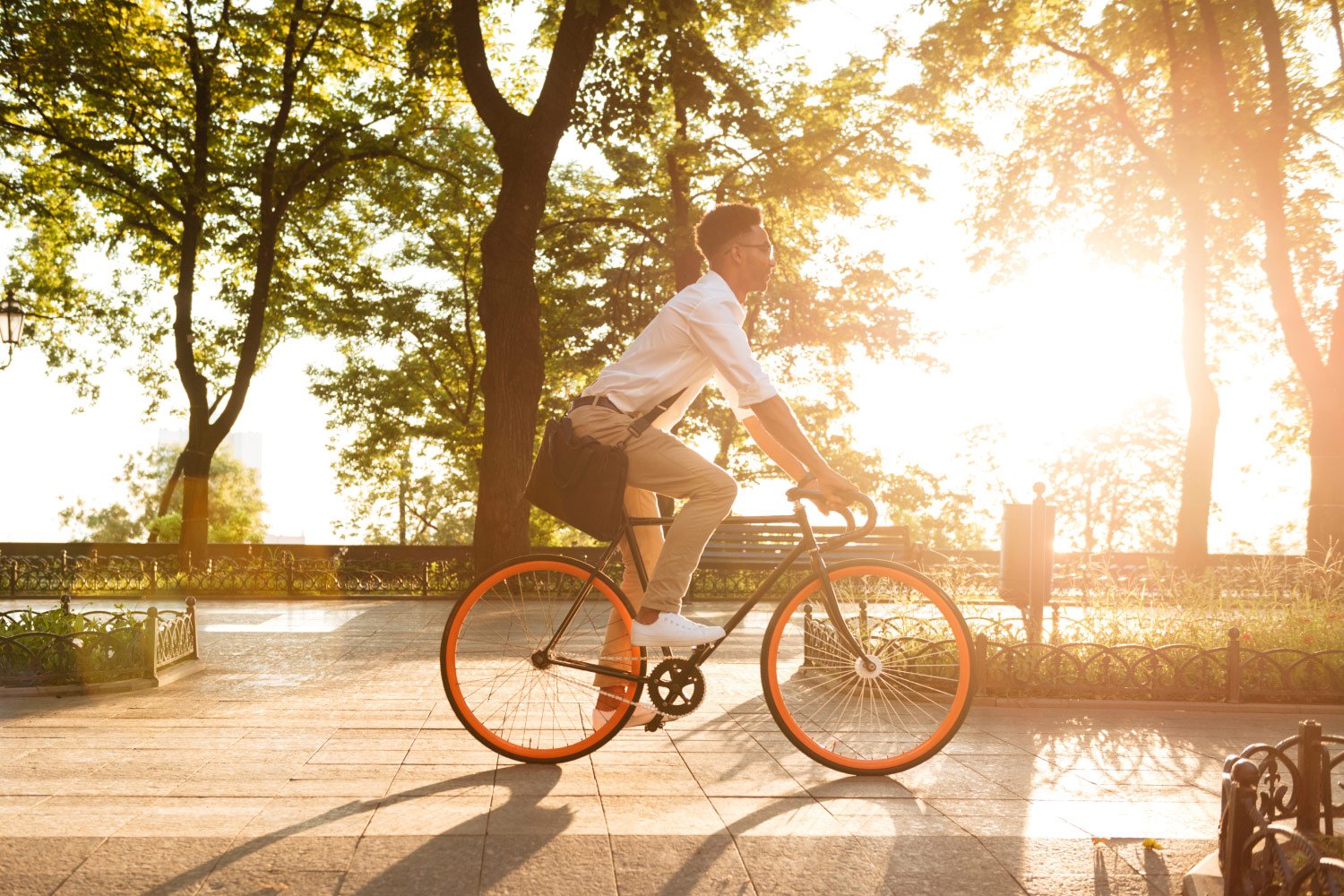
Aerobic activities such as running, cycling, or swimming increase your heart rate and improve cardiovascular health. These exercises are excellent for reducing overall stress levels and enhancing mood.
b. Yoga and Pilates
Yoga and Pilates combine physical movement with mindfulness, promoting both physical and mental well-being. These practices emphasize breathing techniques and body awareness, which can aid in relaxation and stress relief.
c. Strength Training
Engaging in strength training exercises like weightlifting or resistance training can help burn off tension and increase endorphin levels, contributing to reduced stress.
Benefits of Regular Exercise
- Improves mood and promotes emotional health
- Enhances sleep quality, which is often disrupted by stress
- Increases energy levels and reduces fatigue
- Boosts self-esteem and cognitive function
2. Practice Mindfulness and Meditation
Mindfulness and meditation are powerful tools for managing stress. These practices encourage you to focus on the present moment, allowing you to detach from the worries and pressures of work. Regular practice can lead to long-term benefits in mental clarity and emotional stability.
Mindfulness Techniques
a. Deep Breathing Exercises
Engaging in deep breathing helps activate the body's relaxation response. Techniques such as diaphragmatic breathing or the 4-7-8 method can significantly lower stress levels.
b. Guided Meditation
Using guided meditation apps or recordings can help you focus and relax. These guided sessions often include calming instructions and visualization exercises.
c. Progressive Muscle Relaxation
This technique involves tensing and then relaxing different muscle groups in the body, promoting overall physical relaxation and mental calmness.
Incorporating Mindfulness into Daily Life
- Set aside a dedicated time each day for mindfulness practice.
- Integrate mindfulness into routine activities like eating or walking.
- Use reminders or alarms to prompt mindfulness breaks throughout the day.
| De-Stressing Method | Benefits | Time Required |
|---|---|---|
| Physical Activity | Boosts mood, reduces anxiety, improves sleep | 30 minutes daily |
| Mindfulness Meditation | Enhances focus, reduces stress, promotes relaxation | 10-20 minutes daily |
| Creative Hobbies | Fosters creativity, provides emotional outlet | Varies based on activity |
| Socializing | Provides emotional support, strengthens relationships | Flexible |
3. Participate in Social and Creative Activities
Engaging in social interactions and creative pursuits can significantly alleviate stress. These activities provide a sense of connection and achievement, which are essential for emotional well-being.
Social Activities
a. Spending Time with Loved Ones
Interacting with family and friends offers emotional support and strengthens bonds, helping you feel more secure and less isolated.
b. Joining Clubs or Groups
Participating in clubs or community groups that align with your interests can provide a sense of belonging and mutual support.
c. Virtual Socializing
For those unable to meet in person, virtual gatherings through video calls or online communities can offer similar benefits.
Creative Activities
a. Arts and Crafts
Engaging in activities like painting, drawing, or crafting can be therapeutic, allowing you to express emotions constructively.
b. Playing Musical Instruments
Playing an instrument not only fosters creativity but also improves cognitive functions and provides a relaxing outlet.
c. Writing and Journaling
Writing about your thoughts and experiences can help process emotions and gain clarity, reducing mental clutter.
Benefits of Social and Creative Engagement
- Provides emotional support and reduces feelings of loneliness
- Enhances creativity and cognitive function
- Offers a productive outlet for expressing emotions
- Promotes a sense of achievement and purpose
4. Disconnect from Technology
In today's digital age, constant connectivity can contribute to stress. Setting boundaries around technology use is crucial for creating a peaceful post-work environment.
Strategies to Disconnect
a. Set Specific Times for Technology Use
Designate certain hours of the evening as tech-free zones to allow your mind to unwind without digital distractions.
b. Turn Off Work-Related Notifications
Disable work emails and notifications after hours to prevent work-related stress from encroaching on personal time.
c. Engage in Tech-Free Activities
Choose activities that don't involve screens, such as reading a physical book, cooking, or taking a walk.
Benefits of Reducing Screen Time
- Improves sleep quality by reducing exposure to blue light
- Decreases eye strain and physical discomfort
- Enhances face-to-face interactions and relationships
- Promotes mental clarity and relaxation
5. Take Warm Baths or Showers
Relaxing in warm water can soothe both the body and mind. The warmth helps to relax muscles, reduce physical tension, and promote a sense of calm.
Tips for a Relaxing Bath or Shower
a. Use Essential Oils
Adding essential oils like lavender or chamomile to your bath can enhance the relaxation experience through aromatherapy.
b. Incorporate Epsom Salts
Epsom salts can help in relieving muscle tension and detoxifying the body, making your bath even more therapeutic.
c. Create a Soothing Environment
Dim the lights, play soft music, or use candles to create a calming atmosphere that enhances the relaxation effect.
Benefits of Warm Baths and Showers
- Relaxes muscles and alleviates physical tension
- Promotes mental relaxation and stress relief
- Improves circulation and overall physical health
- Enhances sleep quality when taken before bedtime
6. Establish a Consistent Routine
Creating a structured after-work routine can help signal to your body and mind that it's time to transition from work mode to relaxation. Consistency in your routine can enhance your ability to unwind and prepare for a restful evening.
Elements of a Relaxing Routine
a. Set a Specific End Time for Work
Determining a clear cut-off time for work activities helps create boundaries and prevents work from spilling over into personal time.
b. Incorporate Relaxation Activities
Include activities like reading, exercising, or engaging in a hobby as part of your daily routine to ensure regular relaxation.
c. Prepare for the Next Day
Spend a few minutes organizing tasks or setting priorities for the following day to reduce morning stress and enhance productivity.
Benefits of a Consistent Routine
- Provides a sense of control and predictability
- Enhances time management and productivity
- Reduces decision fatigue by having structured activities
- Promotes healthier sleep patterns and overall well-being
7. Engage with Nature
Spending time outdoors can have a profound impact on reducing stress. Nature provides a tranquil environment that fosters relaxation and mental clarity.
Ways to Connect with Nature
a. Take a Walk in a Park
Walking in a green space allows you to enjoy fresh air and natural scenery, which can uplift your spirits and calm your mind.
b. Gardening
Engaging in gardening activities connects you with the earth and provides a rewarding sense of nurturing and growth.
c. Outdoor Sports and Recreation
Participating in outdoor sports or recreational activities combines physical exercise with the benefits of being in nature.
Benefits of Being in Nature
- Reduces cortisol levels, the body's stress hormone
- Enhances mood and promotes mental well-being
- Improves concentration and cognitive function
- Encourages physical activity, contributing to overall health
8. Pursue Creative Hobbies
Creative activities such as painting, writing, or playing a musical instrument can serve as effective outlets for stress. These hobbies encourage self-expression and provide a sense of accomplishment.
Types of Creative Hobbies
a. Visual Arts
Engaging in drawing, painting, or sculpting allows you to express emotions and thoughts visually, fostering relaxation and creativity.
b. Music and Dance
Playing an instrument, singing, or dancing can be both physically and mentally stimulating, providing a joyful escape from stress.
c. Writing
Whether it's journaling, poetry, or creative writing, putting thoughts onto paper can help process emotions and clear the mind.
Benefits of Creative Hobbies
- Provides a productive outlet for expressing emotions
- Enhances problem-solving and cognitive skills
- Promotes a sense of achievement and fulfillment
- Offers a break from daily routines, fostering relaxation
9. Foster Emotional Well-Being Through Social Connections
Maintaining strong social connections is vital for emotional health. Sharing your experiences and feelings with others can provide support and reduce feelings of isolation.
Ways to Strengthen Social Connections
a. Quality Time with Family and Friends
Spending meaningful time with loved ones helps reinforce bonds and provides a support system to lean on during stressful times.
b. Participating in Community Activities
Engaging in community events or volunteer work fosters a sense of belonging and allows you to connect with others who share similar interests.
c. Utilizing Virtual Communication Tools
For those with busy schedules or remote locations, virtual communication tools like video calls or online chat groups can facilitate ongoing connections.
Benefits of Social Engagement
- Provides emotional support and reduces feelings of loneliness
- Enhances self-esteem and sense of belonging
- Offers different perspectives and solutions to stressors
- Encourages positive behaviors and healthy lifestyle choices
10. Utilize Aromatherapy for Relaxation
Aromatherapy involves the use of natural essential oils to promote physical and psychological well-being. Scents like lavender and chamomile are known for their calming properties.
Popular Aromatherapy Oils
a. Lavender
Lavender oil is widely recognized for its ability to reduce anxiety and promote relaxation.
b. Chamomile
Chamomile oil helps in alleviating stress and improving sleep quality.
c. Eucalyptus
Eucalyptus oil can enhance mental clarity and reduce feelings of fatigue.
Methods of Using Aromatherapy
-
Diffusing oils in your living space using a diffuser
-
Adding a few drops to your bathwater for a relaxing soak
-
Applying diluted oils to pulse points for continuous calming effects
Conclusion
De-stressing after work is essential for maintaining both mental and physical health. By incorporating a combination of physical activities, mindfulness practices, social interactions, and creative pursuits into your daily routine, you can effectively manage and reduce stress. Additionally, setting boundaries with technology and engaging with nature further enhance your ability to unwind and rejuvenate. Remember, finding the right balance may require some experimentation, but the benefits to your overall well-being are well worth the effort.
References
Last updated February 9, 2025