
Supply Chain Decarbonization Beyond Transportation
Comprehensive Strategies for a Greener Value Chain
Key Highlights
- Holistic Emission Reduction: Addressing decarbonization across raw material sourcing, manufacturing, packaging, and supplier collaboration.
- Sustainable Process Integration: Emphasizing energy efficiency, renewable energy, and circular economy practices to reduce lifecycle emissions.
- Data-Driven & Collaborative Approach: Leveraging advanced analytics for emissions tracking and strong supplier partnerships.
Understanding the Scope of Decarbonization
Supply chain decarbonization extends far beyond just addressing the transportation component of a supply chain. While reducing emissions in the transportation sector is important, a comprehensive decarbonization strategy must tackle multiple interrelated segments of the value chain. This includes raw material extraction, manufacturing processes, product design, packaging optimization, and even engagement with suppliers—all aimed at minimizing greenhouse gas (GHG) emissions along every step of the supply chain.
Holistic Approach to Emission Reduction
The modern supply chain contributes significantly to global carbon emissions. Research indicates that up to 60% of all carbon emissions worldwide can be attributed to supply chain activities, with the supply chain representing as much as 90% of some companies’ total GHG emissions. Because of this magnitude, companies globally are rethinking their strategies to cut emissions not just in one area, but across the entire supply chain.
Raw Material Sourcing and Extraction
The journey to a decarbonized supply chain begins at the raw material extraction phase. This involves:
- Sustainable sourcing: Utilizing recycled resources or sourcing materials from sustainable suppliers helps to lower the carbon footprint from the onset. Companies are increasingly emphasizing the use of greener materials and alternative inputs that require less energy to produce.
- Circular Economy Principles: Embracing reuse and recycling methods reduces the need for intensive extraction processes. This not only minimizes waste but ensures that resources are kept within the production loop longer, thus lowering overall emissions.
Evaluating the full lifecycle impact of materials is essential to deciding which sourcing practices are both environmentally and economically beneficial.
Manufacturing and Production Optimizations
Manufacturing processes play a pivotal role in overall emissions. Significant strides in decarbonization are seen through the implementation of:
- Energy efficiency improvements: Upgrading equipment, optimizing production lines, and instituting smart energy management systems help reduce energy consumption. By doing so, companies can achieve considerable reductions in GHG emissions destined from manufacturing activities.
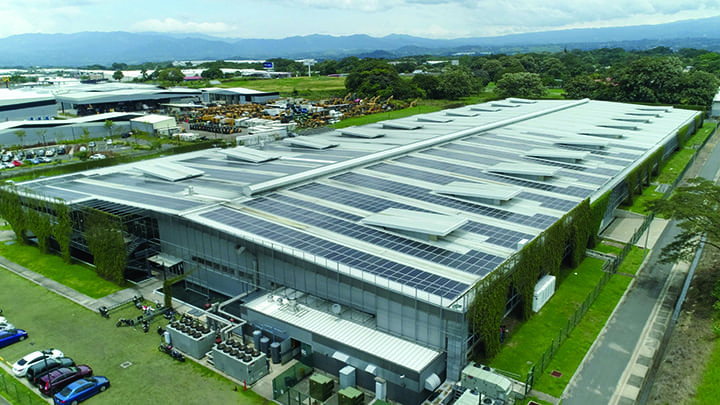
- Renewable energy integration: Transitioning factories and production units to use renewable energy sources like solar, wind, or hydroelectric power is essential. This shift not only cuts reliance on fossil fuels but also enhances the sustainability of production operations.
- Low-carbon technology adoption: Investing in cleaner technologies enables sustained reductions in emissions. This category also includes innovations in manufacturing practices as well as product design adjustments that invest in energy-efficient machinery and facilities.
Product Design and Lifecycle Management
Effective decarbonization strategies are integral to product design and lifecycle management. The focus here is on:
- Eco-friendly design adjustments: Innovating product design by employing sustainable materials and emphasizing longevity and repairability reduces the associated emissions over the product’s life.
- Lifecycle assessments: Conducting thorough lifecycle analyses (LCA) helps identify significant emission hotspots from production to disposal. Recognizing these points allows companies to strategically redesign and reduce emissions wherever possible.
Packaging Innovations
Packaging remains a critical, yet often overlooked, component of the overall carbon footprint. Sustainable practices in this area include:
- Material optimization: Reducing the use of fossil-fuel based plastics and switching to biodegradable or recycled materials can have a large impact.
- Waste reduction techniques: Minimizing packaging waste through innovative design and process optimization can lower emissions associated with packaging production and disposal.
Supplier Engagement and Collaboration
A successful decarbonization strategy relies on the entire network of the supply chain. Working closely with suppliers is crucial for:
- Data sharing and emission tracking: Collaborating with suppliers to gather accurate, comprehensive data on their energy consumption and production processes enables a more unified approach to emission reductions. This comprehensive tracking helps to pinpoint areas where further improvements are needed.
- Collective goal setting: Joint initiatives that set unified decarbonization targets across the supply chain promote accountability and foster innovation through shared incentives and technologies.
Strategies for Implementing Decarbonization Across the Supply Chain
Implementing a comprehensive decarbonization strategy requires a systematic approach that integrates advanced technology, data-driven decision-making, and continuous collaboration across the enterprise and with partners.
Data-Driven Decision Making and Technology Integration
Tracking and measuring carbon emissions is foundational to effective decarbonization. Companies are increasingly relying on digital technologies such as artificial intelligence (AI) and the Internet of Things (IoT) to:
- Monitor and manage energy use in real time.
- Analyze data to identify inefficiencies and areas of high energy consumption.
- Project potential improvements and assess the long-term benefits of various decarbonization measures.
Accurate emissions tracking through advanced analytics not only drives process optimization but also enables companies to maintain accountability and transparency with stakeholders.
Collaborative Versus Coordinated Approaches
When considering decarbonization, companies often choose between collaborative and coordinated approaches:
- Collaborative Approach: This strategy involves working directly with suppliers and small-scale partners to develop customized decarbonization plans. It is particularly effective for unique, high-specialization supply chains where tailored solutions are required.
- Coordinated Approach: This method involves establishing uniform sustainability requirements and strict standards across the board, often through procurement contracts and regular audits of through-line suppliers. It ensures a consistent baseline of decarbonization efforts across larger, more standardized chains.
Integrating Renewable Energy Solutions
One of the most effective measures for reducing emissions is transitioning away from fossil fuels. Companies accomplish this by:
- Installing on-site renewable energy systems—such as solar panels or wind turbines—to supply energy needs directly.
- Partnering with green energy providers to power manufacturing facilities and warehouses, further reducing reliance on nonrenewable resources.
Comparative Overview of Key Decarbonization Initiatives
| Decarbonization Initiative | Description | Key Strategies |
|---|---|---|
| Raw Material Sourcing | Optimizing extraction processes, leveraging sustainable and recycled materials. | Sustainable sourcing, circular economy, lifecycle assessment |
| Manufacturing & Production | Enhancing energy efficiency and integrating renewable energy systems into production lines. | Energy-efficient equipment, renewable integration, technology upgrades |
| Product Design & Lifecycle | Designing for sustainability to minimize long-term emissions. | Eco-friendly design, lifecycle assessments, recyclable materials |
| Packaging Optimization | Reducing waste by adopting biodegradable and recycled materials. | Waste reduction, material optimization, improved design |
| Supplier Collaboration | Engaging supply chain partners to align on emissions targets and share best practices. | Data sharing, joint initiatives, collective goal setting |
| Technology Integration | Utilizing AI and IoT to track energy consumption and optimize operations. | Real-time monitoring, data analytics, predictive maintenance |
Broader Implications and Future Outlook
As industries evolve towards greater environmental responsibility, supply chain decarbonization is becoming increasingly central to corporate strategies for sustainability. Businesses that implement decarbonization across every facet of their supply chain are not only contributing significantly to the global reduction of GHG emissions but are also setting the stage for long-term operational efficiency and competitive advantage.
In addition, engaging with key stakeholders—ranging from suppliers and customers to regulators and industry bodies—in developing and implementing these strategies fosters a culture of sustainability that can drive industry-wide changes. Embracing these initiatives can lead to benefits such as operational cost savings, enhanced brand value, and improved resiliency against regulatory changes related to climate policy.
Resilience and Risk Mitigation in Supply Chains
A resilient, decarbonized supply chain is better prepared to navigate risks associated with climate change and regulatory shifts. By proactively integrating energy-efficient practices and renewable energy solutions, companies can protect themselves from future volatility in energy prices and supply chain disruptions related to environmental impacts.
Moreover, these decarbonization efforts are increasingly being recognized by investors and consumers, further motivating companies to incorporate sustainable practices into their long-term operational methodologies.
References
- EcoCart - Supply Chain Decarbonization
-
GEP - Supply Chain Decarbonization Guide
- Trax Tech - Beyond CO2 Strategies
- McKinsey - Making Supply Chain Decarbonization Happen
- BCG - Fighting Climate Change with Supply Chain Decarbonization
Recommended Next Queries
Last updated March 6, 2025