
To Cut or Not to Cut? A Comprehensive Guide to Tree Removal in Your Yard
Making an informed decision about your yard's trees involves balancing safety, aesthetics, environmental impact, and practical considerations.
Deciding whether to remove trees from your property is a significant undertaking with lasting consequences. It's not merely about changing your landscape; it involves considerations of safety, tree health, potential property damage, environmental benefits, and even legal obligations. This guide will help you navigate the complexities of this decision, drawing on expert advice to ensure you choose the best course of action for your specific situation.
Essential Insights: Key Takeaways
Quick highlights to guide your decision-making process:
- Prioritize Safety: Trees that are dead, dying, diseased, or structurally unsound pose significant risks to people and property and are often prime candidates for removal.
- Professional Assessment is Crucial: Always consult a certified arborist to evaluate tree health, identify potential hazards, and explore alternatives before making a final decision. DIY removal of large trees is extremely dangerous.
- Consider Alternatives: Removal is a permanent solution. Explore options like pruning, cabling, bracing, or disease treatment, which might address your concerns without losing the tree.
When is Tree Removal the Right Choice?
Several circumstances may necessitate or make tree removal a prudent option. These primarily revolve around the tree's health, its potential to cause harm, and its impact on your overall landscape and property plans.
Assessing Tree Health and Structural Integrity
Signs of a Compromised Tree
A tree's health is a primary determinant in the decision to remove it. Look for these indicators:
- Dead or Dying Trees: If a significant portion (e.g., more than one-third) of the tree is dead or in decline, its structural integrity may be compromised. Symptoms include extensive crown dieback (top and outer branches losing leaves or dying), lack of foliage in growing seasons, or brittle branches.
- Disease and Pest Infestation: Severe infections or pest infestations, like those from Emerald Ash Borer, can kill a tree and make its wood brittle. Fungal growth (mushrooms) at the base or on the trunk can indicate internal rot.
- Internal Decay and Hollow Trunks: Soft, crumbly wood, deep splits or cracks in the bark, large wounds, or a hollow trunk (especially if more than a third of the diameter is hollow) are serious red flags. These suggest internal decay, weakening the tree considerably.
- Sudden Leaning or Uprooting: A tree that suddenly starts to lean, or shows signs of soil heaving around its base, may have root problems or instability and could be at risk of falling.
- Severe Trunk Damage: Significant damage to the main trunk from storms, impact, or other causes can be irreparable and warrant removal.
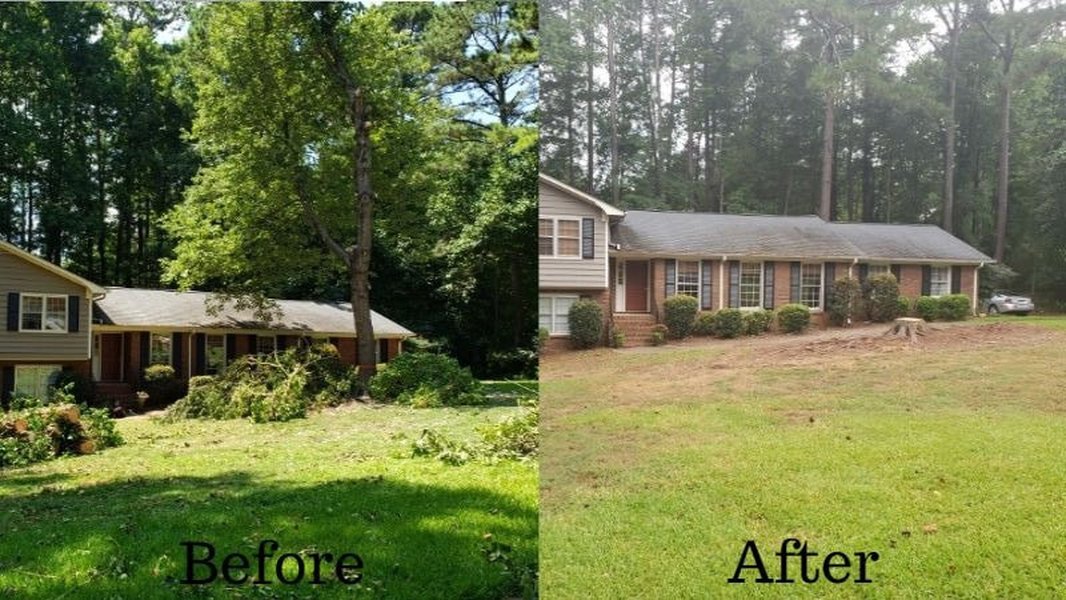
Professional tree removal is often necessary for large or hazardous trees to ensure safety.
Safety Concerns and Property Protection
Mitigating Risks to People and Structures
Your responsibility as a homeowner includes ensuring your property is safe. Hazardous trees can lead to significant damage or injury.
- Proximity to Structures: Trees growing too close to your house, garage, deck, or utility lines can cause damage. Branches can scrape roofing, fall onto structures, or interfere with power lines. Roots can damage foundations, sidewalks, driveways, or underground pipes and septic systems.
- Risk of Falling: Any tree identified as structurally unsound, dead, or dying poses a risk of falling branches or the entire tree, especially during storms or high winds.
- Obstructed Visibility: Trees that block critical sightlines for driveways or street access can create safety hazards.
Landscape Management and Development Needs
Improving Your Yard's Functionality and Aesthetics
Sometimes, tree removal is driven by landscaping goals or property development plans.
- Overcrowding: When trees are too densely packed, they compete for sunlight, water, and nutrients, which can negatively impact their health and the health of surrounding plants. Selective removal can improve conditions for remaining trees and landscape features.
- Construction or Landscaping Projects: If you're planning an addition to your home, a new driveway, a pool, or significant landscaping changes, tree removal might be unavoidable to create the necessary space.
- Aesthetic Preferences: While trees add beauty, a poorly placed or unsightly tree might detract from your yard's overall appearance. Removal can open up views or allow for new landscaping designs.
- Invasive Species: Some tree species are invasive and can outcompete native plants, disrupting the local ecosystem. Removing them can benefit the overall health of your yard.
- Maintenance Nuisances: Trees that excessively drop leaves, sap, fruit, or needles into pools, onto cars, or over patios can become a significant maintenance burden.
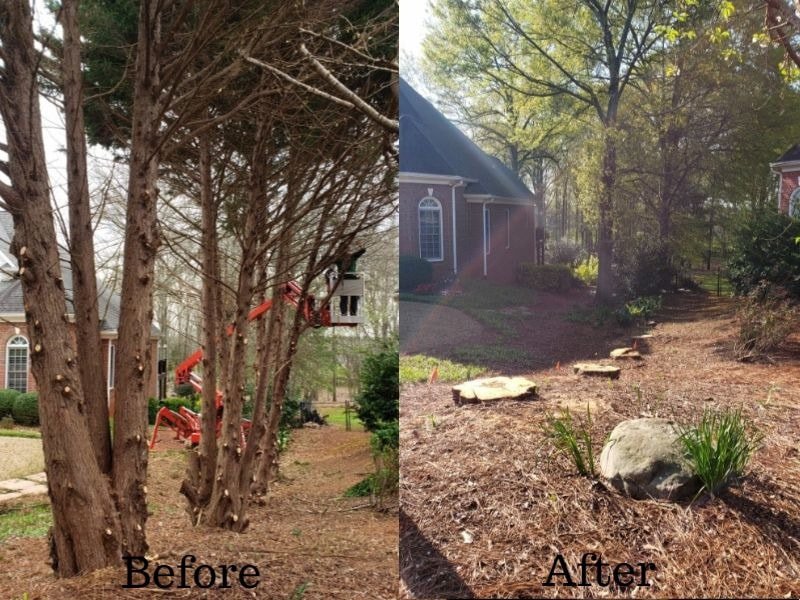
Trees growing too close to structures may require removal to prevent damage.
Critical Factors to Evaluate Before Making a Decision
Before committing to tree removal, several important factors must be carefully considered. This ensures a well-rounded decision that balances your immediate needs with long-term implications.
Local Regulations and Environmental Protections
You may not have complete autonomy to remove any tree on your property. Many municipalities have regulations in place:
- Tree Preservation Orders (TPOs): Certain trees might be protected due to their species, size, age, or historical significance. Removing a protected tree without permission can result in substantial fines.
- Permits: Local bylaws may require you to obtain a permit before removing trees, especially those exceeding a certain diameter.
- Conservation Areas: If your property is within or adjacent to a conservation area, stricter rules regarding tree removal may apply.
Always check with your local city or county planning/environmental department before proceeding with any tree removal.
Impact on Neighbors
If the tree in question is near a property line or provides benefits to your neighbors (like shade or privacy), it's courteous and often prudent to discuss your plans with them. While the tree might be on your land, its removal can affect them. Open communication can prevent disputes.
Financial Considerations
Tree removal can be costly, with prices varying based on the tree's size, location, complexity of the job, and whether stump grinding is included. Obtain quotes from multiple certified and insured tree removal services. Factor this cost into your budget and weigh it against the potential costs of damage if a hazardous tree is left standing.
Long-Term Environmental Impact
Trees provide numerous environmental benefits: they improve air quality, reduce stormwater runoff, provide shade that can lower energy costs, offer habitat for wildlife, and sequester carbon dioxide. Removing a healthy, mature tree means losing these benefits. If removal is necessary, consider planting a new, appropriate tree elsewhere on your property to help offset this loss.
Alternatives to Complete Removal
Tree removal is an irreversible decision and should often be considered a last resort. In many cases, alternative tree care practices can address concerns without sacrificing the tree.
Pruning and Maintenance
Proper pruning can resolve many common tree issues:
- Removing Dead or Diseased Wood: Eliminates hazards and can prevent the spread of disease.
- Thinning the Canopy: Improves light penetration and air circulation, benefiting the tree and plants below.
- Raising the Crown: Removing lower branches can create clearance for pedestrians, vehicles, or improve views.
- Reducing Weight on Overextended Limbs: Prevents breakage.
Cabling and Bracing
For trees with structural weaknesses, such as co-dominant stems (V-crotches) or heavy limbs, cabling and bracing systems can provide supplemental support. This can extend the life of a tree and reduce the risk of failure, but should always be done by a qualified arborist.
Disease and Pest Management
If a tree is suffering from a treatable disease or pest infestation, an arborist may recommend specific treatments. Early intervention is often key to saving the tree.
Visualizing Key Decision Factors: A Comparative Look
The decision to remove a tree often involves weighing multiple factors. The radar chart below offers a conceptual way to compare a hypothetical "Unhealthy/Hazardous Tree" versus a "Healthy/Beneficial Tree" across several criteria. Higher scores (closer to the edge) indicate a stronger leaning towards removal for "Risk/Cost" factors, and a stronger leaning towards preservation for "Benefit" factors.
This chart illustrates that an unhealthy or hazardous tree typically scores high on risk and cost factors if kept, and its removal might bring landscape improvements. Conversely, a healthy tree poses low risks, offers significant environmental benefits, and its removal would be a loss.
When to Seek Professional Help: The Role of a Certified Arborist
Tree removal, especially for medium to large trees, is dangerous and complex. It's rarely a DIY project. Hiring a qualified professional is essential for safety and to ensure the job is done correctly.
Why a Certified Arborist?
- Expert Assessment: A certified arborist has the training and expertise to accurately assess a tree's health, structure, and potential risks. They can determine if removal is truly necessary or if alternatives exist.
- Safe Removal Practices: Professionals are equipped with the specialized tools, equipment (like lifts or cranes if needed), and knowledge of safe felling and rigging techniques to remove trees without damaging property or causing injury.
- Knowledge of Regulations: Arborists are usually familiar with local tree ordinances, permit requirements, and protected species, helping you navigate legalities.
- Insurance and Licensing: Reputable tree care companies are licensed and insured, protecting you from liability in case of accidents or damage during the removal process. Always verify their credentials. Some regions, like Maryland, recommend hiring a Licensed Tree Expert.
Mapping Your Decision: A Step-by-Step Approach
The decision to remove a tree can be broken down into several key stages. The mindmap below outlines a logical path from initial concern to final action. It emphasizes careful assessment and professional consultation at critical junctures.
the Tree(s) in My Yard?"] id1["Assess Tree Condition"] id1a["Signs of Poor Health?
(Disease, Pests, Decay)"] id1b["Structural Issues?
(Cracks, Lean, Hollow)"] id1c["Dead or Dying Branches?"] id2["Evaluate Safety & Property Risks"] id2a["Proximity to Structures/Utilities?"] id2b["Risk of Falling Limbs/Tree?"] id2c["Root Damage Potential?"] id3["Consider Landscape Goals"] id3a["Overcrowding Issues?"] id3b["Need Space for Construction/Landscaping?"] id3c["Aesthetic Concerns?"] id4["Explore Alternatives to Removal"] id4a["Pruning/Trimming Viable?"] id4b["Cabling/Bracing an Option?"] id4c["Disease/Pest Treatment Possible?"] id5["Check Legal & Neighborly Aspects"] id5a["Local Ordinances/Permits?"] id5b["Protected Tree Status?"] id5c["Impact on Neighbors? (Discuss)"] id6["Consult a Certified Arborist"] id6a["Professional Assessment & Diagnosis"] id6b["Recommendations (Remove/Treat/Prune)"] id6c["Obtain Quotes for Work"] id7["Make Informed Decision"] id7a["Weigh Pros & Cons"] id7b["Consider Costs & Benefits"] id8["Action"] id8a["If Removing: Hire Insured Professional"] id8b["If Preserving: Implement Care Plan"] id8c["Post-Removal: Stump Grinding, Replanting?"]
This mindmap visually represents the structured thinking process, from initial observation through expert consultation to the final decision and subsequent actions, ensuring all critical aspects are considered.
Understanding the Process: Insights from Experts
Hiring a tree removal company involves more than just getting a price. Understanding what to look for in a service provider can save you headaches and ensure the job is done safely and professionally. The video below provides valuable tips on what to consider before hiring a tree removal company, covering aspects like insurance, contracts, and qualifications.
This video explains important considerations when hiring a tree removal service, such as verifying insurance and understanding the scope of work.
Key takeaways often include ensuring the company has adequate liability and worker's compensation insurance, getting a written contract detailing all services and costs, and checking for certifications like those from the International Society of Arboriculture (ISA).
Comparative Overview: Tree Removal vs. Tree Preservation
To further aid your decision, the following table compares the general implications of tree removal versus tree preservation across several key factors:
| Feature | Tree Removal | Tree Preservation (with appropriate care) |
|---|---|---|
| Immediate Safety | Significantly improved if the tree was hazardous; no change if tree was healthy. | Maintained or improved with professional care (pruning, bracing); risk remains if neglected. |
| Property Protection | Eliminates current and future risks from that specific tree (falling limbs, root encroachment). | Risks managed through ongoing monitoring and maintenance; potential for future issues exists. |
| Upfront Cost | Can be high (hundreds to thousands of dollars depending on size/complexity), includes removal, potentially stump grinding. | Lower for specific interventions (e.g., pruning, treatment), but can accumulate over time. |
| Long-Term Maintenance Cost | Eliminated for that tree; potential cost for replacement planting. | Ongoing costs for pruning, health checks, potential treatments. |
| Aesthetics & Property Value | Can improve if tree was unsightly/dead. Loss of mature tree can decrease aesthetic appeal and potentially property value. | Preserves natural beauty, character, and established landscape. Healthy, mature trees generally increase property value. |
| Environmental Impact | Negative: loss of habitat, shade, air quality benefits, carbon sequestration. Potential for soil erosion if not managed. | Positive: maintains shade (energy savings), improves air quality, provides wildlife habitat, reduces stormwater runoff. |
| Sunlight & Space | Increases sunlight and opens up space for other uses (garden, construction, lawn). | Maintains existing shade patterns and space utilization. |
| Irreversibility | Permanent. A mature tree takes decades to replace. | Allows for ongoing assessment and future reconsideration if conditions change. |
This table highlights that while removal offers immediate solutions to specific problems, preservation offers continued benefits, assuming the tree can be safely and healthily maintained.
Frequently Asked Questions (FAQ)
How do I know if my tree is truly dead or just dormant?
Can I remove a tree myself to save money?
What is the best time of year to remove a tree?
Are there any trees I am not allowed to cut down?
What happens after the tree is cut down? What about the stump?
Recommended Further Exploration
Delve deeper into related topics:
- How can I identify common tree diseases affecting yards in my specific region?
- What are the typical costs associated with professional tree pruning compared to complete tree removal?
- What are the best tree species to plant in my yard that offer good shade but require low maintenance?
- How do I understand the local tree removal permits and bylaws applicable in my city or county?
References
Sources used for this information:
Last updated May 21, 2025